

We may earn a commission when you buy through links on this page, at no extra cost to you. Learn more.
To understand how to serve Cava at its best, chill young bottles to 43°F to 46°F (6°C to 8°C) and aged Reserva or Gran Reserva bottlings to 46°F to 50°F (8°C to 10°C), then pour into a tulip-shaped sparkling glass. A proper chill keeps the mousse fine and refreshing while allowing citrus, orchard fruit, and toasted brioche aromas to open in the bowl. Hold the cork steady while twisting the bottle quietly, pour in two stages to prevent foam overflow, and keep the bottle in an ice-water bath between rounds.
Because Cava is made using the traditional bottle-fermented method, its carbonation, acidity, and lees-aged complexity respond dramatically to small changes in temperature and glassware. Treating a young, crisp bottle the same way you treat a multi-year aged bottling can either mute delicate aromatics or cause the foam to gush over the rim. Mastering a few simple service habits ensures every glass shows clean bubbles and balanced flavor from the first pour to the last.
Ideal Serving Temperatures by Cava Style
Young Cava de Guarda tastes sharpest and brightest between 43°F and 46°F (6°C and 8°C), whereas longer-aged Reserva, Gran Reserva, and Cava de Paraje Calificado bottlings show richer pastry and nutty layers at 46°F to 50°F (8°C to 10°C). Serving any style near freezing suppresses aroma, while pouring above 54°F (12°C) makes the bubbles feel coarse and flat.
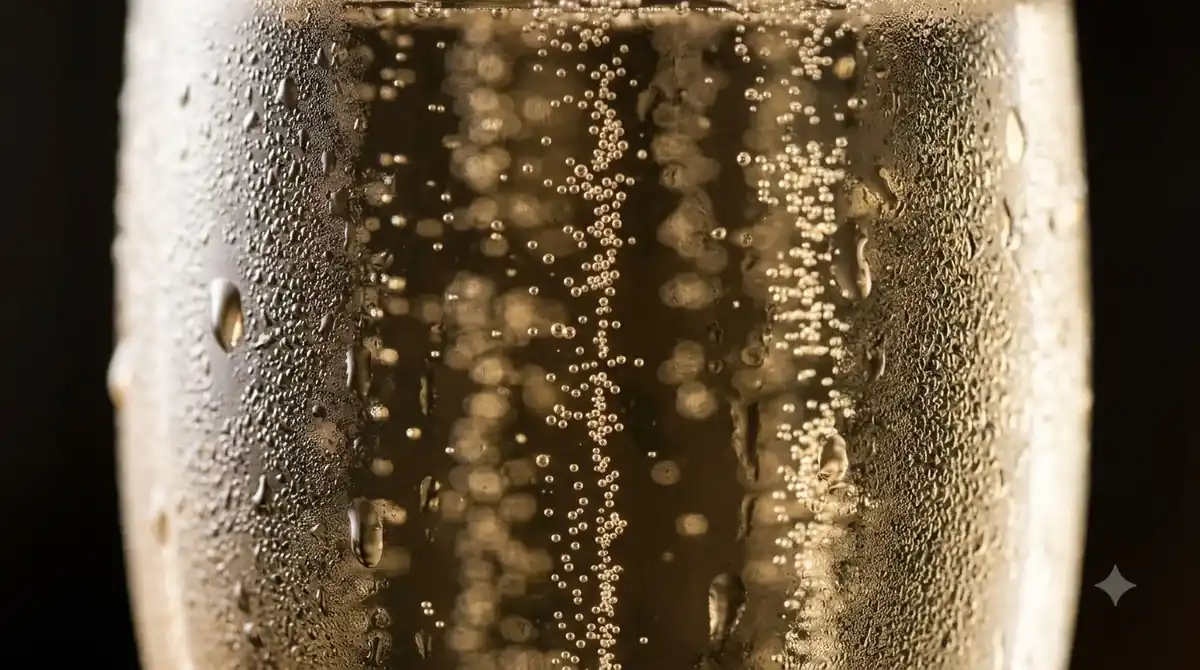
The official D.O. Cava Regulatory Council serving guide notes that young, fruit-driven Cavas benefit from an initial temperature near 46°F (8°C) to highlight crisp green apple, pear, and lemon zest. At that chill, dissolved carbon dioxide stays tightly bound in the liquid, creating a lively, fine bead on the palate rather than an aggressive burst of foam. If you pull a bottle straight from a standard household kitchen refrigerator—which typically runs around 38°F to 40°F (3°C to 4°C)—let it rest on the counter for 10 to 15 minutes before uncorking so the cold does not lock away its aromatics.
Aged categories require a slightly gentler chill because extended time on the lees builds complex secondary notes of toasted almond, brioche, baked apple, and dried fruit. For Cava Reserva (aged at least 18 months), Cava Gran Reserva (aged at least 30 months), and single-estate Cava de Paraje Calificado (aged at least 36 months), the Regulatory Council recommends raising the serving temperature to roughly 50°F (10°C). That extra few degrees lets volatile aromatic compounds lift out of the glass while preserving the firm acidity that defines traditional-method Spanish sparkling wine.
Sweetness level, or dosage, also plays a subtle role when deciding how cold to pour. Bone-dry Brut Nature and Extra Brut bottles contain minimal residual sugar, so serving them at the warmer end of their category window softens their brisk acidity and highlights texture. Slightly sweeter Brut, Extra Seco, or Seco bottlings feel cleaner and more refreshing when kept closer to 43°F (6°C). Readers exploring how Cava color ranges from pale straw to deep gold will notice that deeper-hued aged whites and rosados almost always reward that slightly warmer temperature.
| Cava Style & Aging Tier | Minimum Lees Aging | Ideal Serving Temp (°F / °C) | Primary Sensory Focus |
|---|---|---|---|
| Cava de Guarda (Young Brut / Brut Nature) | 9 months | 43°F–46°F (6°C–8°C) | Crisp citrus, green apple, vibrant acidity, lively mousse |
| Cava Rosado (Rosé) | 9 to 18+ months | 45°F–48°F (7°C–9°C) | Fresh red berries, floral lift, refreshing palate |
| Cava Reserva (Guarda Superior) | 18 months | 46°F–50°F (8°C–10°C) | Ripe orchard fruit, light pastry, creamy bead |
| Cava Gran Reserva & Paraje Calificado | 30 to 36+ months | 48°F–50°F (9°C–10°C) | Toasted nuts, brioche, honey, velvety integration |
How to Chill Cava Quickly and Safely
Refrigerating a room-temperature bottle for two to three hours is the gentlest way to reach serving temperature, while an ice-and-water bath cools a bottle evenly in 20 to 25 minutes. Never place Cava in a freezer for quick chilling, because extreme cold can freeze the liquid, push the cork out, or shatter the pressurized glass.
As editors at Wine Enthusiast point out in their wine service guide, chilling a room-temperature sparkling bottle in a standard refrigerator takes roughly two hours. Laying the bottle horizontally on a middle shelf exposes more surface area to cool air than standing it upright in the door, where frequent opening causes temperature swings. If you store Cava in a dual-zone wine fridge set around 54°F (12°C), a 30- to 45-minute stint in the kitchen refrigerator brings it cleanly into the 45°F (7°C) zone.
When guests arrive unexpectedly and you need a faster chill, fill a deep bucket or tall pitcher halfway with ice cubes and top it with cold tap water until the bottle is submerged up to its neck. Water conducts heat away from glass far faster than air or dry ice cubes alone, dropping a 72°F (22°C) bottle into the mid-40s within 20 minutes. Stirring a small handful of kosher salt into the water lowers the freezing point slightly and shaves a few more minutes off the wait without risking glass fracture.
Tip: Keep the opened bottle in a bucket filled with equal parts ice and cold water rather than pure ice—direct contact with water maintains an even 43°F to 46°F (6°C to 8°C) temperature and prevents the wine from warming between pours.
Choosing the Best Glassware for Cava
A tulip-shaped sparkling wine glass is the single best vessel for Cava because its wider mid-bowl concentrates aromatics while its tapered rim preserves carbonation. Narrow flutes highlight rising bubbles for celebratory toasts, whereas standard white wine glasses express the full bouquet of complex Reserva and Gran Reserva bottles.
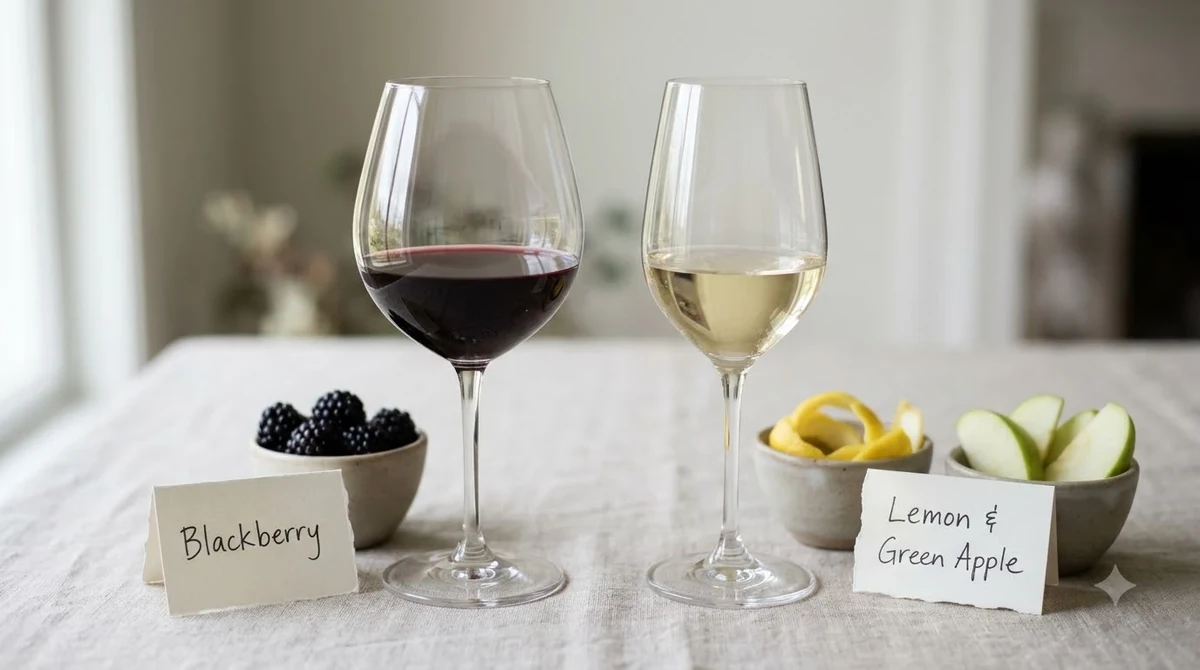
The D.O. Cava Regulatory Council specifically identifies tulip glasses as the top all-around choice for expressing Cava’s aromatic profile. Unlike straight-sided flutes, which force aromas upward through a tiny opening, a tulip bowl curves outward in the center to give volatile compounds room to swirl and gather before narrowing near the lip. You still enjoy a steady stream of fine bubbles rising from the base, but every sip delivers noticeably more citrus blossom, wet stone, and brioche character on the nose.
Traditional narrow flutes remain useful when freshness and visual sparkle are your top priorities, such as outdoor receptions or quick toasts with young Cava de Guarda. By contrast, wide saucer coupes dissipate carbon dioxide rapidly and flatten the wine’s crisp texture within minutes, making them a poor match for serious tasting. When pouring a mature Gran Reserva or single-vineyard bottling, a clean, medium-bowled universal white wine glass—similar to what you would use when learning how to serve Pinot Grigio or how to serve Pinot Gris—lets the wine breathe like a fine still white.
Glass preparation matters just as much as shape when serving sparkling wine. Detergent residue, rinse aids, or lint from dish towels create microscopic nucleation sites that cause Cava to foam wildly on contact and lose its fizz prematurely. Rinse sparkling stems in hot water without soap after washing, air-dry them upside down on a clean rack, and always hold the glass by its stem so warm fingers do not heat the bowl.
How to Open and Pour Cava Safely
Open Cava by keeping your thumb pressed firmly over the cork, loosening the wire cage without removing it, and twisting the base of the bottle slowly at a 45-degree angle until the cork releases with a soft sigh. Pour in two gentle stages down the tilted inside wall of the glass so the mousse settles cleanly without overflowing.
A bottle of Cava holds roughly five to six atmospheres of internal pressure, so controlling the cork from start to finish protects both safety and wine quality. Begin by peeling away the foil capsule and wiping the neck dry with a clean towel for a secure grip. Place your non-dominant thumb directly over the top of the cork, untwist the wire loop—usually six half-turns—and keep the cage draped over the cork so your hand controls both pieces together.
Tilt the bottle at a 45-degree angle aimed away from guests, breakable glassware, and light fixtures. Grip the cork and cage firmly with one hand while rotating the bottom of the bottle smoothly with the other. As internal pressure pushes the cork upward, apply gentle counter-pressure so it eases out with a quiet whisper rather than a loud pop, which wastes carbonation and triggers gushing.
When pouring, hold the glass at a slight angle and direct a slow stream down the side of the bowl, stopping once the glass is about one-third full. Wait five to ten seconds for the initial crown of foam to subside, then top up the glass to roughly half or two-thirds capacity—about 4 to 5 ounces (120 to 150 milliliters). Leaving ample headspace above the liquid traps delicate aromas and keeps each serving cold enough to finish before it warms.
Storing Leftover Cava and Timing Service
Unopened Cava should be stored horizontally in a dark, cool spot around 54°F to 59°F (12°C to 15°C), while an opened bottle sealed with a hinged sparkling wine stopper stays fresh in the refrigerator for two to three days. Avoid folk tricks like dangling a metal spoon in the bottle neck, which does nothing to trap dissolved gas.
Because Cava is disgorged and ready to drink upon release, most non-vintage bottles taste best within one to two years of purchase, though top Gran Reserva bottlings can evolve gracefully for five years or more in a steady cellar. Store unopened bottles away from direct sunlight, kitchen appliances, and vibration, which accelerate premature oxidation and dull crisp fruit notes. Standing bottles upright is fine for a few days in the fridge before a party, while horizontal storage keeps corks supple over longer stretches.
Once a bottle is open, cold temperatures and an airtight mechanical seal are the only reliable ways to preserve fizz. Clamp a lever-style Champagne or sparkling wine stopper over the lip immediately after pouring and return the bottle to the refrigerator between rounds. If you are planning a multi-course dinner or exploring different styles across our guide to Wine by Type, pour Cava early as an aperitif or alongside salty tapas, fried seafood, and cured cheeses while its bubbles and acidity are at their peak.
Frequently Asked Questions
Should you decant aged Cava before serving?
Most Cava should never be decanted because pouring into a wide carafe strips away the fine carbonation that defines the wine. However, if a single-vineyard Cava de Paraje Calificado or mature Gran Reserva feels tight straight out of the fridge, letting it sit in a tulip or white wine glass for five minutes achieves gentle aeration without sacrificing its mousse.
How long does it take to chill Cava in the fridge?
A room-temperature bottle of Cava needs about two hours in a standard household refrigerator to reach the 43°F to 46°F (6°C to 8°C) target range. If you are short on time, submerging the bottle in a bucket of half ice and half cold water chills it evenly in roughly 20 to 25 minutes.
Can you serve Cava in regular white wine glasses?
Yes, a clean, medium-sized white wine glass works very well for Cava, especially for aged Reserva and Gran Reserva styles. The wider bowl gives complex brioche, roasted nut, and orchard fruit aromas room to open up, though the bubbles will dissipate slightly faster than they would in a tulip glass.
How long does opened Cava last in the refrigerator?
When sealed tightly with a dedicated sparkling wine stopper and kept chilled in the refrigerator, opened Cava retains lively bubbles and crisp flavor for two to three days. Without a proper pressure-rated stopper, the wine goes flat within a few hours.
Serving Cava well comes down to matching the chill to the bottle’s age, choosing glassware that honors both aroma and fizz, and keeping the bottle cold between modest pours. With those small adjustments in place, every bottle—from an everyday Brut to a cellar-aged Gran Reserva—delivers the crisp, expressive character Spanish sparkling wine is built to show.
More in Wine Types & Grapes
 Zinfandel Sugar Content: Dry Red vs. White Zinfandel GramsUpdated Nov 21, 2026
 Best Zinfandel Substitute Options for Sipping and CookingUpdated Nov 21, 2026
 Zweigelt Food Pairing: Best Dishes, Cheeses, and Serving TipsUpdated Nov 21, 2026
 Zinfandel Tannins Explained: How Structure Shapes Every BottleUpdated Nov 21, 2026
 Zinfandel Sweetness Level: Dry Red vs. Sweet White Zin ExplainedUpdated Nov 21, 2026
 Xinomavro Food Pairing: Best Dishes, Styles, and Serving TipsUpdated Nov 21, 2026