

We may earn a commission when you buy through links on this page, at no extra cost to you. Learn more.
The best answer to how to serve pinot gris is to chill most bottles to 45–50°F and pour them into a stemmed white-wine glass. Fuller, more textured Pinot Gris is often best closer to 50–55°F, where its fruit and savory notes can open up. Keep the bottle cool between pours, and match the food to the wine’s body and sweetness rather than relying on the grape name alone.
Pinot Gris can be brisk and citrusy, rounded and pear-scented, gently off-dry, or even copper-colored from skin contact. A few small choices at the table make those differences easier to appreciate: serve it cool but not icy, give it enough room in the glass, and choose dishes that complement its acidity and texture.
The Right Serving Temperature Depends on the Style
For a typical dry Pinot Gris, aim for 45–50°F; move toward 50–55°F for a fuller, richer, or skin-contact bottle. The goal is to preserve freshness without suppressing the wine’s fruit, floral aromas, and texture.
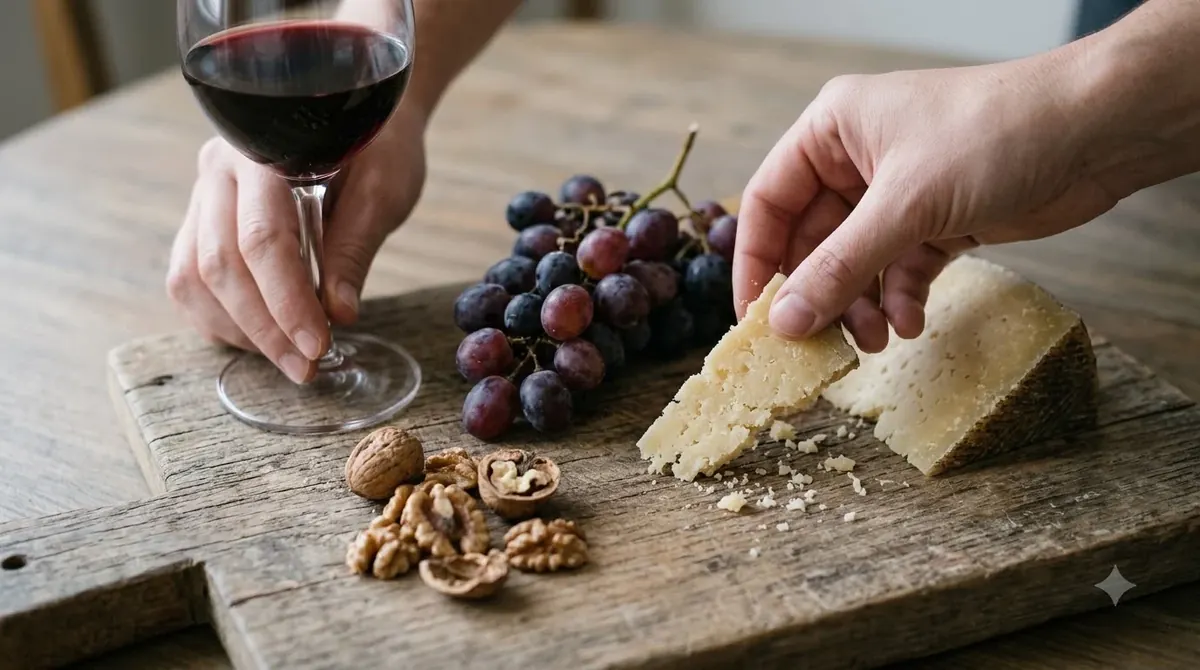
Temperature is the most important part of the serving routine. A very cold wine can seem muted: lemon, pear, white flowers, and spice become harder to smell, while the palate may feel narrow. As the wine warms in the glass, its aromas become easier to recognize and its texture feels broader. That change is useful, but you do not need to begin at room temperature to get it.
Think of 45–50°F as the normal starting range for a crisp, dry bottle, including a light Italian Pinot Grigio or a young, zesty Pinot Gris. A fuller Alsatian example, a textured Oregon bottling, or a copper-toned Ramato can show more detail around 50–55°F. Those warmer temperatures are still cool; they simply allow more aromatic and textural detail to emerge.
The table gives practical targets rather than rigid rules. Start near the lower end when the wine is lean, citrus-driven, and intended to refresh; start nearer 50°F when it has more body, ripeness, or skin-contact character. The glass will warm the wine gradually, so pouring slightly cool is easier to correct than pouring it too warm.
| Pinot Gris style | Serving temperature | What the temperature helps show |
|---|---|---|
| Light, crisp, dry | 45–48°F | Citrus, green apple, freshness |
| Typical dry, medium-bodied | 48–50°F | Pear, melon, floral notes |
| Fuller, textured or Alsatian | 50–55°F | Ripe fruit, spice, rounder texture |
| Skin-contact or Ramato | 50–55°F | Herbal aromas and gentle grip |
| Off-dry or late-harvest | 45–50°F | Fruit and sweetness with refreshing lift |
Tip: Start a crisp bottle at about 45°F or a fuller bottle near 50°F, then taste again after a few minutes. If the aromas seem quiet, let the wine warm in the glass rather than leaving the bottle out on the table.
For more detail on the practical question of should pinot gris be chilled, the answer is yes: chill it, then let the glass do the fine-tuning. Wine Folly’s Pinot Gris profile also places the broad serving range at 45–55°F and notes that richer or skin-contact styles can benefit from the warmer end.
Regional Styles Change What Goes in the Glass
Pinot Gris is the same grape commonly called Pinot Grigio, but its style changes with climate, ripeness, and winemaking. The name on the label offers a useful clue, although the wine’s body and sweetness are better guides to serving it.
Northern Italian Pinot Grigio, especially from areas such as Alto Adige and Friuli-Venezia Giulia, is often lean, dry, and bright, with citrus, green apple, mineral notes, and delicate white-flower aromas. These bottles usually work well at 45–48°F. Veneto examples can be lighter and easy-drinking, while wines from Friuli may show more texture and aromatic intensity. For a concise comparison of this style with French Pinot Gris, see how to serve pinot grigio.
Alsace in northeastern France is associated with a fuller expression. Pinot Gris from the region can have ripe yellow-fruit character, honey, ginger, and spice, with a broader texture and sometimes a touch of residual sweetness. A serving temperature near 50°F gives those aromas a little more room. Some Alsatian versions are off-dry or sweet, especially late-harvest bottlings, so do not assume every wine called Pinot Gris is bone-dry.
In the United States, California Pinot Gris can be fruit-forward, with ripe pear, melon, and tropical notes, while cooler Oregon sites often produce wines with greater texture and complexity. The Oregon Wine Board describes the state’s Pinot gris as ranging from tangy and light to rich, round, and full-bodied; it also reports that the grape accounts for 14% of Oregon’s planted vineyard acres and is found especially in the Willamette Valley and Southern Oregon. Its Oregon wine varieties guide is useful context when comparing American styles. To understand the flavors behind those regional differences, read what does pinot gris taste like.
Choose a Stemmed White-Wine Glass
A medium-sized, stemmed white-wine glass is the best all-purpose choice for Pinot Gris. Its bowl gives the wine room to release aromas, while the stem lets you hold the glass without warming the wine as quickly with your hand.
A narrow opening helps concentrate floral, citrus, and orchard-fruit aromas toward the nose. The bowl should still be wide enough for a gentle swirl; a glass that is too small makes it harder to notice the difference between fresh lemon and riper pear or peach. You do not need a special glass for every region. One good white-wine glass works for Italian Pinot Grigio, Alsatian Pinot Gris, Oregon examples, and most rosé or skin-contact versions.
Hold the glass by the stem or near its base, then pour about 5 ounces. A standard 750 ml bottle provides roughly five 5-ounce servings, leaving space in the bowl to swirl without spilling. Resist the urge to fill the glass to the rim. A smaller pour also means the wine has more room to release aromas and gives you a chance to notice how its scent changes as it warms.
Stemless glasses are fine for an informal meal, but the warmth of your palm can raise the wine’s temperature more quickly. That is not a problem if you are drinking a light, casual bottle with dinner, but a stemmed glass gives you more control during a longer meal or a tasting with several styles. Avoid overfilling, and refresh the pour as needed rather than leaving a large serving to sit in a warm room.
Pair Crisp Pinot Gris with Bright Foods
Light, dry Pinot Gris pairs especially well with seafood, shellfish, fresh vegetables, salads, and mild cheeses. Its acidity and subtle fruit complement delicate flavors without overwhelming them.
Start with simply prepared seafood: grilled prawns, steamed mussels, oysters, scallops, or flaky white fish with lemon. Citrus in the dish echoes the wine’s freshness, while a little salt in shellfish can make the fruit seem more vivid. A lean Pinot Gris from Alto Adige or a crisp Oregon bottling is a natural choice for these plates, especially when the preparation is based on herbs, olive oil, or a light butter sauce rather than heavy seasoning.
Salads and vegetable dishes can work just as well. Try Pinot Gris with fennel, cucumber, asparagus, peas, green beans, or a salad dressed with lemon vinaigrette. The key is to keep the dressing from becoming much sharper than the wine: a strongly acidic vinegar can make a softer wine seem flat, so match acidic food with wine of equal or higher acidity. Fresh goat cheese, young Brie, and mild cow’s-milk cheeses also suit the wine’s gentle fruit and refreshing finish.
For an easy appetizer, pair a crisp bottle with melon and prosciutto, white-bean dip, lightly dressed shrimp, or crostini with fresh herbs. Salt and fat can soften tannin in red wine, but Pinot Gris usually has little tannin to soften; its main advantage here is clean acidity and a moderate body that refreshes the palate. Keep sauces and spices restrained enough that the wine remains part of the meal rather than disappearing behind the food.
Pair Richer, Sweeter and Skin-Contact Styles with More Flavorful Dishes
Full-bodied Pinot Gris can stand up to richer foods than a light Pinot Grigio can. Match its weight with roast chicken, pork, creamy dishes, autumn vegetables, and foods with warm herbs or gentle spice.
A fuller Alsatian Pinot Gris works with roast chicken, pork tenderloin, turkey, mushroom dishes, and preparations with browned butter or cream. Its ripe pear, yellow-fruit, and spice notes can meet the deeper flavors of roasted meat without the tannin of a red wine. Oregon examples with more body can also pair well with roasted squash, hazelnuts, and farmstead cheeses. For a dish with a creamy sauce, choose a wine with enough weight to avoid seeming thin beside the food.
Skin-contact Pinot Gris, sometimes called Ramato when made in the copper-colored Friulian style, has more savory character than a fresh, quickly pressed white. Extended contact with grape skins can bring amber or copper color, dried-herb aromas, and a light tannic grip. Serve it around 50–55°F and try it with roasted vegetables, pork, grilled poultry, cured meats, or aged cheeses. Its structure can handle a little more char and seasoning than a delicate white wine.
For sweet or off-dry Pinot Gris, think about the sweetness of the dish before choosing dessert. The wine should be at least as sweet as the dessert; otherwise the food can make the wine taste thin, sharp, or sour. Late-harvest Pinot Gris can suit fruit tarts, poached pears, apricot desserts, or blue cheese, depending on how much sweetness the wine carries. With chili heat, avoid dishes that are very hot or heavily alcoholic: spice can make alcohol seem more pronounced, while a little residual sugar may soften the impression of heat.
Open, Chill and Store the Bottle with Care
Plan the chill before guests sit down, then keep the wine cool while it is being served. Pinot Gris is usually ready to drink once it reaches the right temperature; most bottles do not need decanting.
If the bottle is at room temperature, place it in the refrigerator well ahead of serving. A light white may need around 1½ to 2 hours, depending on its starting temperature and the refrigerator. For a faster chill, use an ice bucket filled with a mixture of ice and water for about 20 minutes, then check the temperature before pouring. A bottle that has been stored in a wine refrigerator or cool cellar may need only a short adjustment.
Open the bottle shortly before the meal and pour a small taste to check its temperature and condition. Most Pinot Gris does not need air in a decanter. A fuller, aromatic bottle may benefit from a few minutes in the glass, where gentle warming and a swirl can reveal more detail. If the wine seems closed at first, let it sit in the glass rather than giving it an extended decant.
Between pours, return the bottle to an ice bucket or refrigerator, especially if the room is warm. Reseal unfinished wine and store it in the refrigerator; most opened still wines keep for about 3–5 days, although freshness gradually fades. For unopened bottles intended for longer storage, keep them in a dark, stable place near 55°F and away from heat or direct sunlight. A bottle with a natural cork is best stored on its side so the cork does not dry out.
For a broader reference to grapes, styles, and serving approaches, browse our Wine by Type section. The central habit is simple: start cool, pour a modest amount, and let the glass show you whether the wine needs a little time to open.
Frequently Asked Questions
Is Pinot Gris related to Pinot Noir?
Yes. Pinot Gris is a color mutation of Pinot Noir, not a cross between two unrelated grapes. The berries can range from gray-blue to pinkish copper, which helps explain the grape’s name and why some wines show a faint blush or copper tint.
What is Pinot Gris called in Germany?
In Germany, Pinot Gris is commonly called Grauburgunder. The name Ruländer is also used, particularly for richer or sweeter traditional expressions. The grape is the same; the name and the local winemaking style may differ.
What does Vendange Tardive mean on an Alsace bottle?
Vendange Tardive is French for late harvest and identifies a category of wines made from grapes picked later than the normal harvest. In Alsace, Pinot Gris can be made in this style, producing concentrated fruit and often noticeable sweetness. Sélection de Grains Nobles is a separate, more selective category associated with grapes affected by noble rot.
Can Pinot Gris age in the bottle?
Most fresh, everyday Pinot Gris is made to be enjoyed relatively young, while certain late-harvest or concentrated examples can develop over several years. Wine Folly gives a general cellar range of 3–5 years for the grape, but the producer’s style and the wine’s sweetness and structure matter more than a single rule. Store bottles in a cool, dark, steady environment.
How much alcohol does Pinot Gris usually contain?
Wine Folly lists a typical alcohol range of 11.5–13.5% ABV for Pinot Gris. Cooler-climate, lighter styles often sit toward the lower part of that range, while riper grapes and fuller-bodied wines can finish higher. The exact level varies by region, vintage, and winemaking choices.
Serve most Pinot Gris at 45–50°F, then let fuller or skin-contact versions warm slightly in the glass. With the right glass and a food pairing suited to the wine’s body, Pinot Gris can move comfortably from a simple seafood lunch to a richer dinner or a fruit-based dessert.
More in Wine Types & Grapes
 Zinfandel Sugar Content: Dry Red vs. White Zinfandel GramsUpdated Nov 21, 2026
 Best Zinfandel Substitute Options for Sipping and CookingUpdated Nov 21, 2026
 Zweigelt Food Pairing: Best Dishes, Cheeses, and Serving TipsUpdated Nov 21, 2026
 Zinfandel Tannins Explained: How Structure Shapes Every BottleUpdated Nov 21, 2026
 Zinfandel Sweetness Level: Dry Red vs. Sweet White Zin ExplainedUpdated Nov 21, 2026
 Xinomavro Food Pairing: Best Dishes, Styles, and Serving TipsUpdated Nov 21, 2026