

We may earn a commission when you buy through links on this page, at no extra cost to you. Learn more.
Knowing how to store cava comes down to keeping unopened bottles in a cool, dark, vibration-free spot between 50°F and 59°F (10°C to 15°C) and chilling opened bottles upright in the refrigerator with a pressure-rated sparkling wine stopper. Most Cava is released ready to drink and performs best within one to two years of purchase, though extended-aged styles can rest longer under steady cellar conditions. Once uncorked, Cava stays crisp and fizzy for two to three days in the fridge before the bubbles fade.
Because Cava undergoes its second fermentation inside the very bottle you bring home, dissolved carbon dioxide and a natural cork closure give it distinct storage rules compared to still table wines. Heat, direct sunlight, dry air, and kitchen vibrations can dull its citrus snap or flatten its mousse long before you pop the wire cage. Treating a bottle properly from the store shelf to the last glass protects both its bright fruit and its creamy lees-aged character.
Ideal Temperature, Light, and Humidity Conditions
Unopened Cava thrives in a steady, dark environment held at 50°F to 59°F (10°C to 15°C) with relative humidity around 55% to 75%, avoiding rapid temperature swings and ultraviolet exposure. Consistent coolness slows down chemical aging while keeping the cork supple against internal bottle pressure.
Temperature control is the single biggest factor in keeping sparkling wine fresh. According to research cited by Wine Folly, wines kept at standard room temperature age roughly four times faster than bottles rested in a proper cellar, losing antioxidants and fresh fruit aromatics along the way. Kitchen cabinets above the stove, sunny pantry shelves, and top racks near warm appliances push Cava past its comfort zone and force the trapped gas inside to expand against the cork. Even if a warm closet never spoils the wine outright, high heat flattens the lively acidity that makes Spanish sparkling wine so refreshing.
Light and humidity play equally important supporting roles in long-term preservation. Ultraviolet and bright indoor lighting trigger photochemical reactions in wine—known as light strike—that convert natural amino acids into sulfur compounds smelling of cooked cabbage or wet cardboard. Dark green bottles block some rays, yet keeping Cava inside a closed cabinet, wine fridge, or windowless basement prevents light damage altogether. Meanwhile, moderate humidity keeps the mushroom-shaped cork elastic so air cannot sneak in and carbon dioxide cannot leak out, while keeping bottles away from humming washing machines or frequently slammed fridge doors prevents vibrations from disturbing the wine.
Should You Store Cava Upright or on Its Side?
Store Cava upright if you plan to drink it within a few weeks to a month, and lay it horizontally on its side for any storage stretching beyond a month. Short-term vertical storage relies on internal carbon dioxide pressure to keep the cork humid, whereas horizontal storage keeps liquid in direct contact with the cork over longer periods.
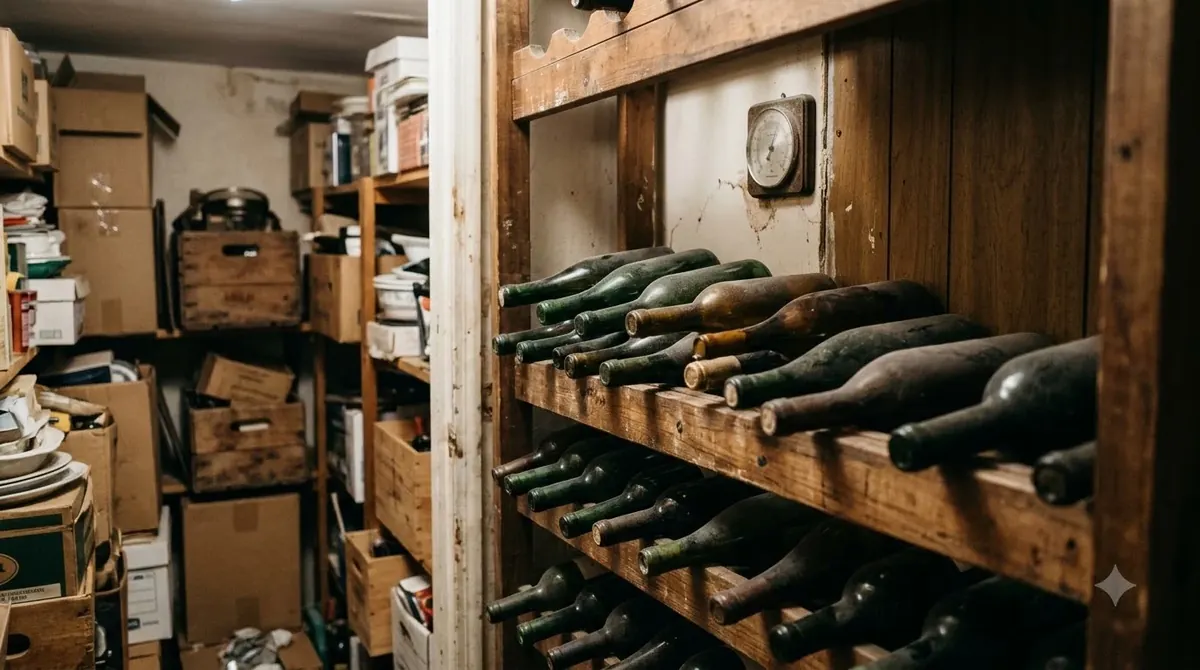
Sparkling wine bottles carry far higher internal pressure than still bottles, which creates an internal humid microclimate beneath the cork. As the D.O. Cava Regulatory Council notes, bottles meant for near-term enjoyment can stand upright in a cool spot or refrigerator without drying out. Standing a bottle vertically is also practical right before serving, because any fine sediment in older bottles settles cleanly at the base rather than clinging to the glass walls.
Once your timeline stretches past four to six weeks, horizontal placement becomes the safer choice. Wine Enthusiast notes that traditional-method sparkling wines sealed with natural cork benefit from lying on their side during multi-month or multi-year storage so the cork stays swollen and airtight. If a cork dries and shrinks in a dry pantry, tiny gaps open around the neck, allowing dissolved gas to escape slowly and oxygen to oxidize the wine. When you open a bottle stored on its side for months, you may still hear a gentle sigh, yet the pour will lack tight, persistent streams of bubbles.
How Long Does Cava Last Unopened and Opened?
Unopened Cava stays at peak freshness for about one to two years for standard Cava de Guarda bottles and up to three to five years for Reserva and Gran Reserva styles, while an opened bottle lasts two to three days in the refrigerator. Because Cava is disgorged and released at peak readiness, most bottles are meant for enjoyment rather than decades of cellaring.
Different aging tiers on the rear D.O. Cava marchamo label give helpful clues about shelf life at home. Entry-level Cava de Guarda spends a minimum of nine months aging on its lees at the winery and focuses on crisp apple, pear, and lemon notes best enjoyed within a year or two of purchase. Cava Reserva (aged at least 18 months) and Cava Gran Reserva (aged at least 30 months, alongside single-estate Paraje Calificado at 36 months) carry deeper brioche, toasted almond, and dried fruit complexity that holds gracefully for several years in a cool cellar. For a broader look at how sparkling styles compare to still categories, explore our guide to Wine by Type.
Once you pull the cork, the clock speeds up dramatically because dissolved carbon dioxide begins escaping immediately. Re-sealing the bottle with a clamp-style sparkling wine stopper and placing it upright in a standard refrigerator slows gas loss and oxidation enough to preserve crisp bubbles for two to three days. Without a proper pressure stopper, a bottle left uncovered in the fridge goes flat overnight, and standard vacuum pumps designed for still wine should never be used because they actively pull carbonation out of the liquid.
| Cava Category or State | Minimum Winery Lees Aging | Ideal Storage Temperature | Best Bottle Position | Recommended Storage Window |
|---|---|---|---|---|
| Cava de Guarda (Unopened) | 9 months | 50°F–59°F (10°C–15°C) | Upright (under 1 month) / Side (longer) | 1 to 2 years from purchase |
| Cava Reserva (Unopened) | 18 months | 50°F–59°F (10°C–15°C) | On its side | 2 to 4 years in cool storage |
| Cava Gran Reserva / Paraje Calificado | 30 to 36 months | 50°F–59°F (10°C–15°C) | On its side | 3 to 5+ years in a cellar |
| Opened Cava (Sealed with Stopper) | Any tier | 38°F–45°F (3°C–7°C) | Upright in refrigerator | 2 to 3 days |
Best Places in Your Home to Keep Cava
A dedicated compressor wine cooler or dark basement rack offers the best home environment for Cava, while an interior hall closet or low kitchen cabinet away from appliances works well for short-term holding. Standard kitchen refrigerators are great for chilling bottles before dinner but are too cold and dry for multi-month storage.
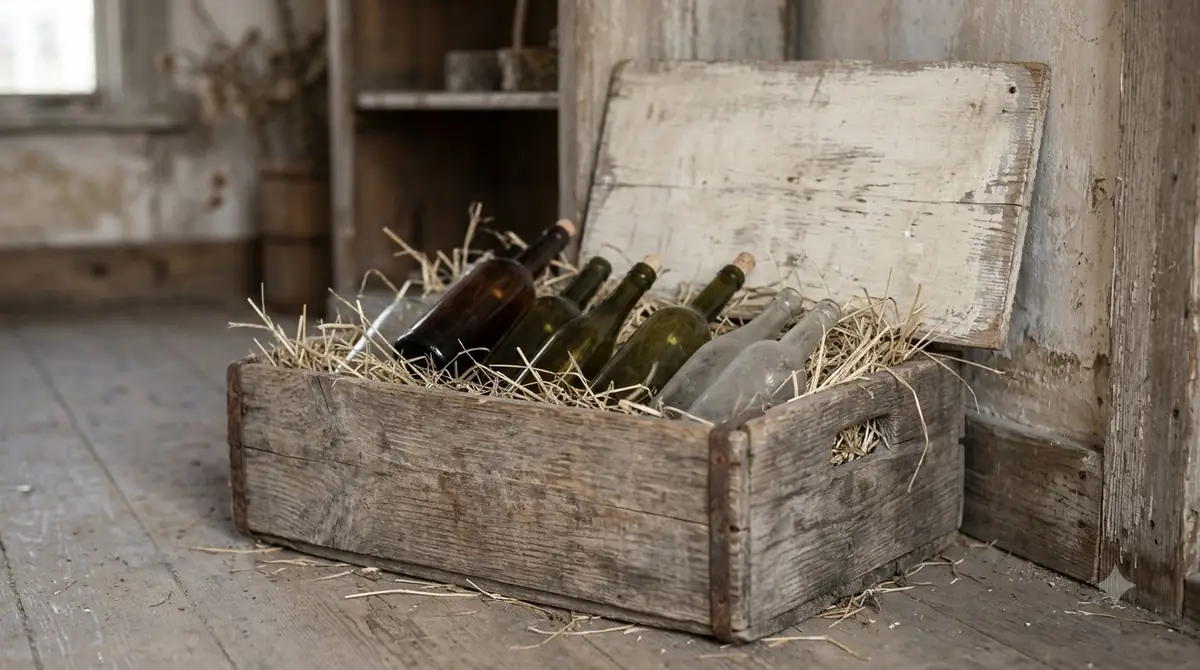
Many people assume keeping unopened Cava in the kitchen refrigerator for six months is harmless, yet standard refrigerators hover around 37°F to 40°F with very low humidity to prevent food spoilage. Over several months, that dry, chilly air can parch a natural cork, while the constant hum of the compressor and frequent door swings jostle the wine. Reserve your kitchen fridge for bottles you plan to pop within the next couple of weeks, and move longer-term bottles into a cooler, quieter zone.
If you do not own a wine fridge, look for the coolest, darkest spot on the lowest floor of your home. An under-stairs cupboard, a north-facing basement shelf, or the bottom rack of an interior bedroom closet stays far steadier than rooms near exterior walls or heating vents. Keep bottles away from strong-smelling household cleaners, paint cans, or onions, because natural cork is slightly porous and can absorb ambient odors over time. If you collect other fermented beverages alongside sparkling wine, similar cool-and-dark principles apply when learning how to store mead.
How to Chill and Store Leftover Cava Properly
Chill Cava gradually in the refrigerator for three to four hours or submerge the bottle in an ice-and-water bath for 20 to 30 minutes before serving, then clamp on a hinged sparkling stopper immediately after pouring to preserve leftovers. Avoid placing bottles in the freezer, where sudden cold can dull aromatics or freeze and shatter the glass.
Serving temperature shapes how Cava tastes in the glass just as much as storage temperature protects it beforehand. Younger, fruit-driven Cava de Guarda shines around 43°F to 46°F (6°C to 8°C), whereas richer Gran Reserva and rosé styles open up more expressively around 46°F to 50°F (8°C to 10°C). Chilling the bottle in a bucket filled with equal parts ice and cold water drops the temperature evenly without stressing the glass, and keeping the bottle in that bucket between pours prevents warm room air from accelerating bubble loss.
Tip: Skip the old internet myth about dangling a metal spoon in the neck of an open bottle—a hinged silicone-seal champagne stopper locks in actual pressure and keeps Cava genuinely bubbly the next evening.
When dinner wraps up with half a bottle left, clamp a sparkling wine stopper over the lip right away and stand the bottle upright on the middle shelf of your refrigerator. Standing the open bottle upright shrinks the surface area of wine exposed to trapped oxygen inside the neck, while cold fridge temperatures keep more carbon dioxide dissolved in the liquid. If you ever end up with flat leftover sparkling wine past the three-day mark, use it in pan sauces, vinaigrettes, or warm spiced drinks—much like the base batches covered in our guide on how to store mulled wine.
Signs Your Cava Was Stored Poorly
Heat-damaged, light-struck, or oxidized Cava shows telltale signs including a pushed-out cork, sticky seepage under the foil, muted or flat bubbles, and aromas of wet cardboard, cooked cabbage, or bruised apples. Checking the bottle before and right after opening tells you immediately whether storage conditions took a toll.
Before you even twist off the wire cage, inspect the neck and capsule for subtle physical clues. If a bottle overheated in a sunny car trunk or warm pantry, expanding gas may have pushed the cork slightly upward beneath the foil or forced tiny droplets of sticky wine past the seal. Holding a clear or pale-tinted bottle up to a light can also reveal premature browning or a dull amber shift in what should be a bright straw-yellow pour—a visual change closely tied to cava color and oxidative aging.
Once poured, let your nose and palate confirm the wine’s condition. Properly stored Cava releases a steady, energetic bead of fine bubbles and smells cleanly of green apple, citrus blossom, white peach, or toasted brioche. If the glass looks completely still right after pouring, or if sharp vinegar, damp basement, or sulfurous cabbage notes overpower the fruit, oxygen or light has compromised the bottle and it is time to open a fresh one.
Frequently Asked Questions
Can I store unopened Cava in the refrigerator for several months?
Keeping unopened Cava in a standard kitchen refrigerator for a few weeks is fine, but storing it there for several months is not ideal. Kitchen fridges run too cold and dry for long-term cork health, and frequent door openings create vibrations that can flatten the wine’s lively texture over time.
Does Cava improve with age if I cellar it at home?
Most Cava is aged on its lees at the winery before disgorgement and is bottled ready to drink upon release. While Cava Reserva and Gran Reserva styles hold nicely for three to five years in a cool cellar, extended home aging generally trades crisp, zesty fruit for heavier nutty notes rather than dramatically improving the wine.
Should I lay Cava on its side or keep it standing up?
Keep Cava standing upright if you plan to open it within a month, as internal bottle pressure keeps the cork sufficiently moist for short periods. For storage lasting longer than a month, lay the bottle horizontally on its side so the wine stays in contact with the cork and prevents air from seeping in.
How can I keep an opened bottle of Cava fizzy overnight?
Seal the bottle immediately after pouring with a hinged, pressure-rated sparkling wine stopper and place it upright in the refrigerator. Cold temperatures help liquid hold onto dissolved carbon dioxide, keeping your Cava crisp and bubbly for two to three days.
Mastering how to store cava requires no complicated cellar gear—just a cool, dark shelf away from heat and a reliable pressure stopper once the cork is popped. Whether you keep an everyday bottle of Cava de Guarda chilled for weekend brunch or rest a Gran Reserva on its side for a future celebration, steady temperatures and careful handling ensure every glass pours bright, aromatic, and full of life.
More in Wine Types & Grapes
 Zinfandel Sugar Content: Dry Red vs. White Zinfandel GramsUpdated Nov 21, 2026
 Best Zinfandel Substitute Options for Sipping and CookingUpdated Nov 21, 2026
 Zweigelt Food Pairing: Best Dishes, Cheeses, and Serving TipsUpdated Nov 21, 2026
 Zinfandel Tannins Explained: How Structure Shapes Every BottleUpdated Nov 21, 2026
 Zinfandel Sweetness Level: Dry Red vs. Sweet White Zin ExplainedUpdated Nov 21, 2026
 Xinomavro Food Pairing: Best Dishes, Styles, and Serving TipsUpdated Nov 21, 2026