


We may earn a commission when you buy through links on this page, at no extra cost to you. Learn more.
To know how to store mulled wine, strain out the fruit and whole spices, cool it promptly, and refrigerate it in a sealed container for up to three days. Keep the refrigerator at 40°F or below, and reheat only the amount you plan to serve over low heat. For longer storage, freeze the strained wine without the garnishes for up to three months.
Mulled wine is usually made in a batch, which makes leftovers and make-ahead planning part of the process. The storage method matters because citrus peel and spices keep infusing after the pot comes off the stove, while slow cooling can compromise safe handling. A few simple steps preserve the drink’s aroma, sweetness, and spice balance so the next mug tastes inviting rather than tired or harsh.
How Long Does Mulled Wine Last?
For the best balance of flavor and freshness, use refrigerated mulled wine within three days. Store it covered at 40°F or colder, and freeze it if you need to keep it longer than that short window.

The three-day recommendation is consistent across practical mulled-wine guidance: The Kitchn says a fully prepared batch keeps in the refrigerator for up to three days, and CHOICE’s storage advice gives the same limit after removing the fresh fruit and spices. Some recipes suggest a broader three-to-five-day window, but three days is the more cautious target for a drink made with citrus, juice, sugar, and whole spices. The extra ingredients make it different from simply putting an opened bottle of wine back in the fridge.
Think of that three-day period as a quality target as well as a storage plan. The wine can lose its fresh fruit character as it sits, and spices may continue to release flavor if they remain in the liquid. Orange slices can soften, and peel or pith may contribute bitterness. Even when the drink still looks normal, it may no longer taste as balanced as it did on the first evening.
Freezing gives you a longer option. CHOICE recommends up to three months in an airtight container once the fruit and spices have been removed. That is a practical quality window for planning, not a reason to leave the drink indefinitely in the freezer. Label the container with the date so you can use the oldest batch first.
Cool and Strain the Wine Before Storage
Before storing mulled wine, remove the cinnamon sticks, cloves, star anise, citrus slices, and other solid flavorings. Strain the liquid while it is still easy to pour, then cool and package it promptly rather than leaving a full pot on the counter for hours.
Straining is not just about removing bits that might be unpleasant in a mug. Whole spices continue to infuse the wine while it sits, so leaving them submerged can make the next serving taste more clove-heavy, woody, or bitter. Citrus slices also soften during storage, and the white pith can give the drink an increasingly sharp edge. Removing the solids gives you more control over the finished flavor when you warm it again.
Set a fine-mesh strainer over a heat-safe jug or bowl and pour the wine through it. If the batch contains small pieces of ginger, peppercorns, or zest, line the strainer with clean cheesecloth or use a second pass. Do not squeeze the fruit or spice bundle hard; that can press bitter material into the liquid. Discard the used aromatics rather than placing them in the storage container.
After straining, divide a large batch among clean, shallow containers so it loses heat faster. The CDC advises refrigerating perishable foods within two hours, or within one hour when the surrounding temperature is above 90°F. It also recommends keeping the refrigerator at 40°F or below and using shallow containers to cool warm food. Those general food-handling rules are a sensible standard for mulled wine, especially when it contains cut citrus or fruit juice.
Tip: Freeze strained mulled wine in single-mug portions. You can thaw only what you need instead of repeatedly reheating the full batch.
Refrigerate Mulled Wine in a Sealed Container
Once the wine has been strained and cooled enough to handle, transfer it to a clean, airtight, food-safe container and refrigerate it. Keep the container covered, place it on a refrigerator shelf rather than in the door, and aim to finish the batch within three days.
A glass jar or bottle works well because it does not hold onto spice aromas and makes it easy to see how much is left. A food-safe plastic container with a tight lid is also suitable. Leave a little headspace rather than filling the container right to the rim, and make sure the lid seals securely. If you have several cups rather than a full pot, use a smaller container; less air space makes it easier to store a modest portion without keeping a large vessel in the fridge.
Do not put a large, hot stockpot in the refrigerator and assume the center will cool as quickly as the surface. Divide the drink into smaller portions first. Small portions can go into the refrigerator while still warm, according to CDC guidance, because they cool faster than a deep pot. Avoid leaving the wine at room temperature overnight, and do not rely on its alcohol content or sweet taste as a substitute for refrigeration.
Mark the container with the preparation date and, if helpful, the ingredients that went into the batch. This is especially useful when a recipe includes apple cider, brandy, port, or several kinds of citrus. It also helps distinguish a recently prepared batch from an older bottle of still wine. Keep the wine away from raw ingredients and use a clean spoon or ladle each time you pour from it.
| Storage situation | Temperature | Recommended time |
|---|---|---|
| Refrigerated mulled wine | 40°F or below | Up to 3 days |
| Frozen mulled wine | 0°F or below | Up to 3 months for best quality |
| Room-temperature holding | Above 40°F | No more than 2 hours; 1 hour above 90°F |
Freeze Leftover Mulled Wine for Longer Storage
Freezing is a good option when you have more mulled wine than you can use in three days. Strain it first, cool it, and freeze it in an airtight, freezer-safe container at 0°F; CHOICE recommends using frozen mulled wine within three months for best results.
Leave expansion space at the top of a rigid container because liquid expands as it freezes. For smaller servings, freeze the wine in measured portions so you can thaw only what you need. Ice cube trays or small freezer containers can be useful for a few tablespoons at a time, especially if you want to add a little mulled wine to a later batch or use it as a cooking ingredient. Once cubes are solid, transfer them to a dated freezer bag and press out excess air.
Do not freeze the drink with orange wheels, lemon slices, cinnamon sticks, or cloves still in it. The fruit can become soft and watery after thawing, while the spices can continue to dominate the flavor as the wine freezes and then defrosts. Straining before freezing also makes the thawed liquid easier to portion and reheat. If you want a fresh garnish, add a new orange slice or cinnamon stick at serving time.
Thaw a frozen portion in the refrigerator, preferably overnight, and warm it gently once it has defrosted. Avoid thawing a large container on the counter. Freezing pauses quality changes while the wine stays frozen, but it does not turn a poorly handled batch into a safe one; start with wine that was cooled and refrigerated promptly. For the best result, use the thawed portion soon and avoid repeated freeze-thaw cycles.
Reheat Mulled Wine Gently Without Boiling
Reheat stored mulled wine slowly over low or medium-low heat until it is steaming and hot enough to serve. Do not bring it to a rolling boil: boiling can drive off alcohol and aromatic compounds, while prolonged heat can make citrus and spices taste harsh.
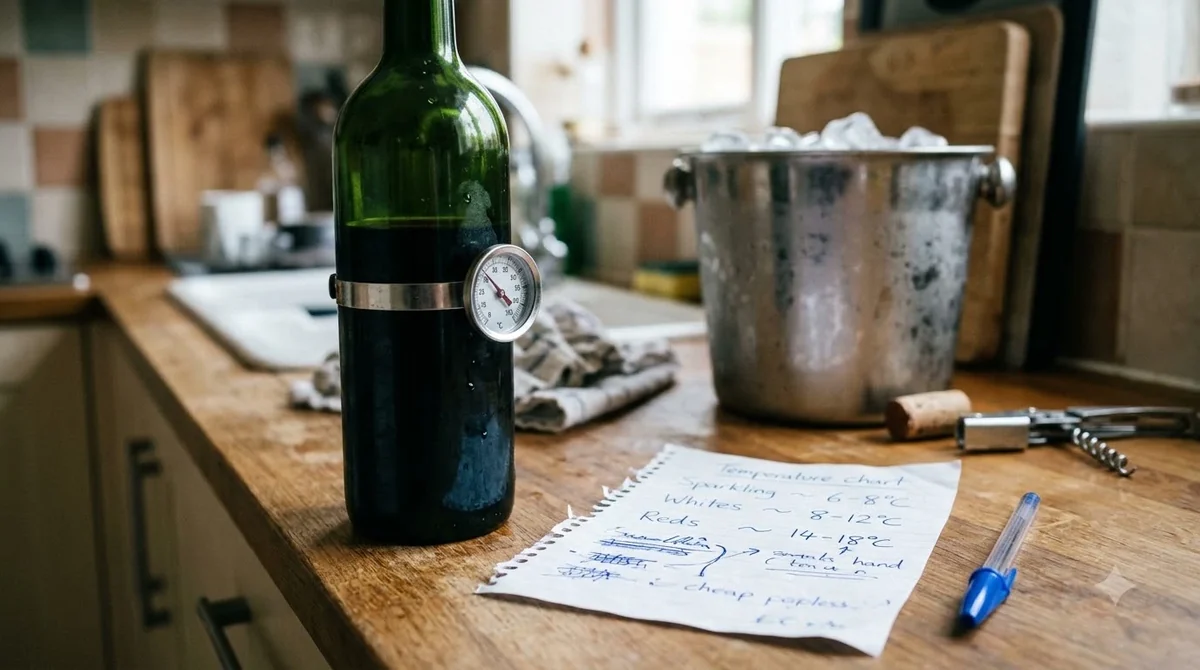
Pour only the quantity you expect to serve into a small saucepan. Warm it gradually, stirring once or twice so the temperature is even, and remove the pan from the burner as soon as the wine is steaming. A lid helps reduce aroma loss while it warms, but keep an eye on the pan so it does not boil over. If the batch is very concentrated or tastes sweeter after chilling, loosen it with a small splash of wine or water rather than cooking it for longer.
A microwave can work for a single mug. Use a microwave-safe cup, heat in short intervals, and stir between intervals to avoid hot spots. The BBC Good Food mulled-wine glossary also recommends straining and chilling the drink before reheating it very gently in a microwave. Start with a short burst, check the temperature, and continue in small increments until it is pleasantly hot. Do not microwave a sealed jar or bottle.
A slow cooker is convenient for a gathering because it can warm a larger portion gently. CHOICE recommends heating a fresh batch on LOW for at least an hour, then turning the cooker to WARM for serving when that setting is available. For leftovers, use the low setting to reheat and switch to warm once the wine is hot. Keep the lid on between pours, and avoid holding the same batch hot for hours; warming only what guests will drink protects its aroma and prevents repeated heating.
Plan Ahead for Parties and Keep the Flavor Balanced
Mulled wine can be prepared ahead of a gathering, chilled, and reheated just before guests arrive. The easiest approach is to make the full batch, strain it, refrigerate it in a sealed container, and gently warm it on the day you plan to serve it.
The Kitchn’s make-ahead guidance describes preparing the finished drink in advance, refrigerating it for up to three days, and reheating it over medium-low heat or in a slow cooker on LOW. That approach takes pressure off the host: the spices have already infused the wine, and the stove is free while food is being prepared. Set aside fresh orange slices and cinnamon sticks for garnishing individual mugs instead of storing the garnishes in the batch.
When planning for a crowd, estimate how many mugs you expect to serve in the first round and warm that amount separately. Keep the remaining strained wine cold, then heat a fresh portion as needed. This avoids repeatedly warming and cooling the whole batch, and it lets guests enjoy a fresh garnish without adding orange slices or spices to the storage container. A smaller serving vessel is also easier to manage than a full pot left on a burner.
When serving, keep the wine warm rather than hot enough to bubble. A covered slow cooker on WARM is more dependable than leaving a saucepan over a burner, where the bottom can overheat while the top cools. Put out a ladle and heat-safe mugs, and replenish the serving vessel with a smaller warmed portion instead of repeatedly reheating everything. If the flavor needs a fresh lift, add a strip of orange zest or a new cinnamon stick shortly before serving rather than leaving extra spices in the storage container. For future batches, adjust the recipe before storing rather than trying to correct every flavor after reheating: mulled wine often tastes sweeter while hot, and chilling can make the spice profile seem more pronounced. Start with modest amounts of sugar, honey, or syrup, then taste the warmed drink before adding more. For a primer on the drink’s aroma and flavor profile, see what mulled wine tastes like; that can help you decide whether a batch needs more citrus, sweetness, or spice. Readers comparing other warmed or infused drinks may also find the guide to how to store mead useful, since honey-based drinks have their own storage considerations.
Frequently Asked Questions
These quick answers cover a two-week spiced-syrup window, an overnight refrigerator thaw, and several ways to use the last portion after a gathering.
Can I prepare the spiced syrup before I buy the wine?
Yes. A simple syrup infused with whole spices and citrus zest can be prepared separately and kept refrigerated in an airtight container for up to two weeks, according to The Kitchn. Add it to the wine when you are ready to heat the batch, then adjust the sweetness after warming.
Can I thaw mulled wine on the kitchen counter?
Use the refrigerator instead. A sealed portion can thaw slowly overnight, which avoids leaving it at room temperature for an extended period. The CDC advises against thawing frozen food on the counter because the outer portion can warm while the center remains frozen.
Can I use leftover mulled wine in another recipe?
Yes. BBC Good Food suggests freezing strained mulled wine for a future batch or setting it into one large or several small jellies to serve with ice cream. You can also use a modest amount as a poaching liquid for pears, then reduce the liquid into a glossy dessert sauce.
Does adding brandy make mulled wine shelf-stable?
No. A splash of brandy adds flavor and alcohol, but a homemade batch that also contains wine, citrus, juice, or other additions should still be refrigerated. Do not treat a small amount of spirits as a preservation method or store the finished drink at room temperature.
Can I serve leftover mulled wine without reheating it?
Yes, provided it has been stored correctly and is still within the recommended refrigerated period. Strain it before chilling, then pour it cold over ice or serve it straight from the refrigerator as a spiced wine drink. Add a fresh citrus twist just before serving for a brighter aroma.
For the most reliable results, strain mulled wine while it is fresh, cool it promptly, and keep it sealed in the refrigerator for no more than three days. Freeze extra portions when you need more time, then thaw them in the refrigerator and reheat gently without boiling. For more wine styles and serving ideas, explore Wine by Type and the practical guide to calories in mulled wine.
More in Wine Types & Grapes
 Zinfandel Sugar Content: Dry Red vs. White Zinfandel GramsUpdated Nov 21, 2026
 Best Zinfandel Substitute Options for Sipping and CookingUpdated Nov 21, 2026
 Zweigelt Food Pairing: Best Dishes, Cheeses, and Serving TipsUpdated Nov 21, 2026
 Zinfandel Tannins Explained: How Structure Shapes Every BottleUpdated Nov 21, 2026
 Zinfandel Sweetness Level: Dry Red vs. Sweet White Zin ExplainedUpdated Nov 21, 2026
 Xinomavro Food Pairing: Best Dishes, Styles, and Serving TipsUpdated Nov 21, 2026