

We may earn a commission when you buy through links on this page, at no extra cost to you. Learn more.
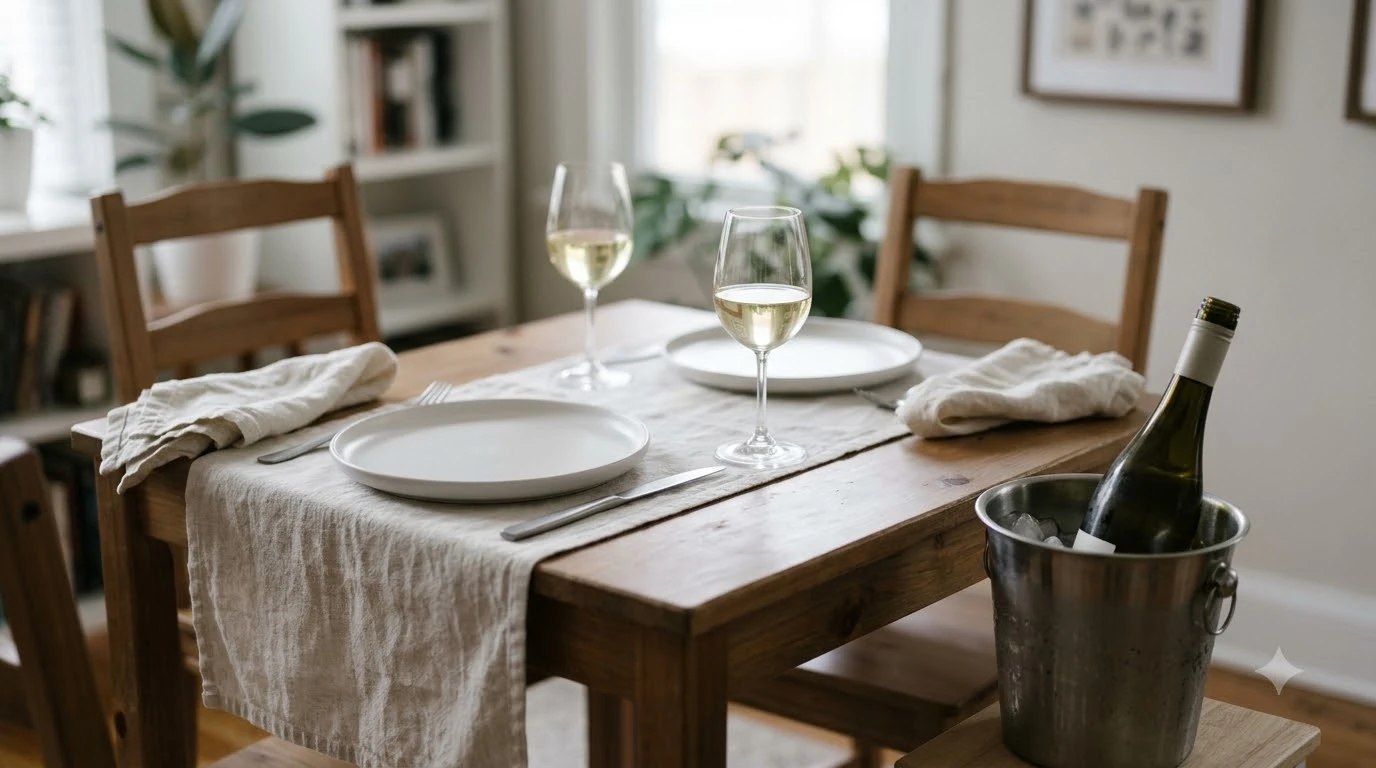
Knowing how to serve white zinfandel starts with chilling the bottle to 45°F to 50°F (7°C to 10°C) for classic sweet styles, or 48°F to 55°F (9°C to 13°C) for drier modern bottlings. Pour it without decanting into a standard white wine or tulip-shaped rosé glass with a narrower bowl to preserve its fresh berry aromatics and crisp acidity. Avoid serving it at room temperature, which makes residual sugar feel heavy, and skip freezing the bottle so delicate strawberry and watermelon notes stay expressive.
Despite its pale salmon or coral hue, white Zinfandel is actually a rosé made from the black-skinned Zinfandel grape rather than a true white wine. Getting the chill, glassware, and table pairings right keeps its fruit profile bright and refreshing instead of cloying.
What White Zinfandel Actually Is
White Zinfandel is a pink wine produced from black-skinned Zinfandel grapes through brief skin contact or the saignée method. Because the juice separates from the skins quickly, the finished wine captures fresh red-berry aromas and a pale blush color without extracting harsh red-wine tannins.
The style originated accidentally in California during the early 1970s when Sutter Home winemaker Bob Trinchero bled off pale juice to concentrate a red Zinfandel fermentation. That batch experienced a stuck fermentation, leaving noticeable residual sugar that turned an unintended blush wine into a massive American phenomenon. For decades, the category remained synonymous with inexpensive, sweet, low-alcohol bottles designed for casual backyard sipping.
Today, the category spans two distinct expressions. Alongside classic off-dry and semi-sweet bottles, a newer wave of California producers—including Turley Wine Cellars, Broc Cellars, and The End of Nowhere—crafts crisp, dry white Zinfandel that showcases the grape’s natural acidity, spice, and early-ripening vibrancy. If you are exploring Wine by Type, treating white Zinfandel like a versatile rosé rather than a heavy dessert wine is the key to serving it well.
Ideal Serving Temperature by Style
Serving temperature determines whether white Zinfandel tastes brisk and mouthwatering or flat and overly sugary. Sweet and semi-sweet bottles belong between 45°F and 50°F (7°C to 10°C), while drier, small-production examples open up best around 48°F to 55°F (9°C to 13°C).
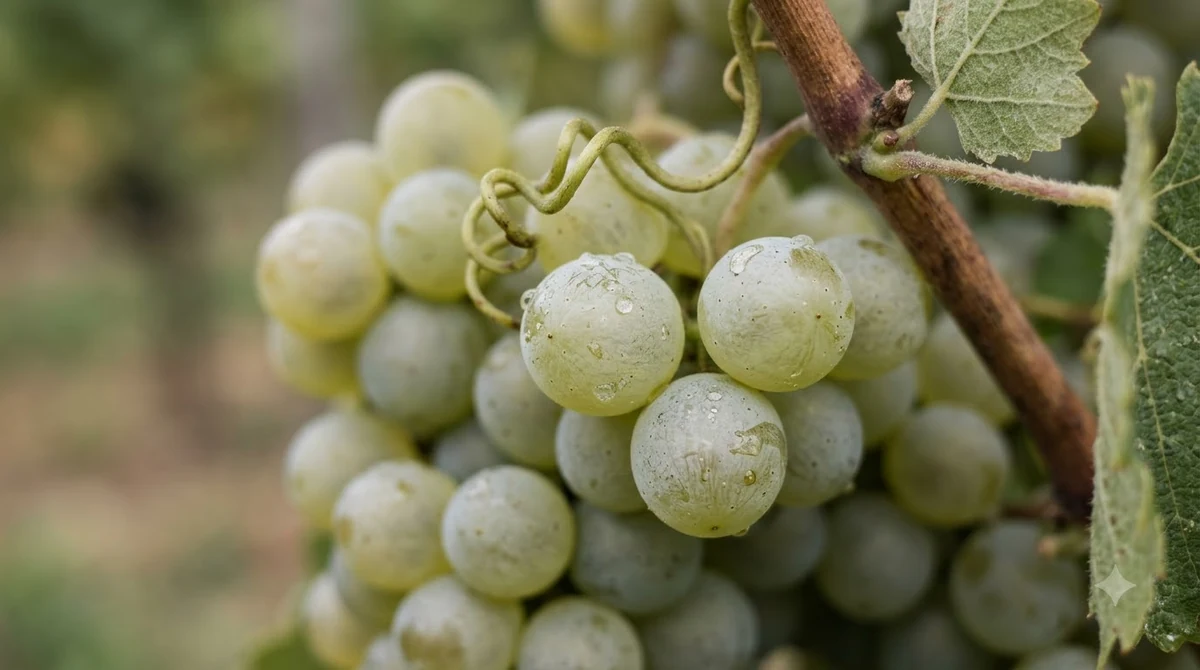
Cold temperatures naturally suppress the perception of sweetness on the palate while sharpening acidity. When a classic off-dry white Zinfandel sits at 45°F to 48°F, its strawberry, peach, and watermelon notes taste crisp and clean. Let that same bottle warm past 60°F, and the residual sugar immediately starts to feel syrupy while the fruit loses its lift.
Dry white Zinfandels from cool-climate or old-vine vineyards need a slightly gentler chill. Serving them closer to 50°F to 55°F prevents the cold from muting subtle herbal, citrus, and white-pepper nuances. By contrast, full-bodied red Zinfandel demands a much warmer cellar temperature; if you are pouring red alongside pink at the same gathering, review our guide on how to serve zinfandel so neither bottle ends up at the wrong end of the thermometer.
| White Zinfandel Style | Target Serving Temp | Fridge Chill Time | Ice Bucket Time | Key Sensory Focus |
|---|---|---|---|---|
| Classic Sweet / Off-Dry | 45°F–48°F (7°C–9°C) | 2.5–3 hours | 15–20 minutes | Balances residual sugar and keeps berry fruit crisp |
| Semi-Sweet Everyday | 47°F–50°F (8°C–10°C) | 2–2.5 hours | 15–20 minutes | Preserves juicy melon and peach aromatics |
| Dry Modern / Old-Vine | 50°F–55°F (10°C–13°C) | 90 minutes–2 hours | 10–15 minutes | Unlocks citrus, spice, and subtle structural grip |
Best Chilling Methods Before Pouring
A standard household refrigerator sits near 37°F to 40°F, which means leaving a bottle inside overnight makes white Zinfandel slightly too cold right out of the door. Two to three hours in the fridge brings a room-temperature bottle directly into the sweet spot.
If your bottle spent the night in the refrigerator, pull it out 10 to 15 minutes before uncorking so the temperature rises into the upper 40s. You can also warm an overly cold pour gently by cradling the bowl of the glass in your hands for thirty seconds. Never place white Zinfandel in the freezer to rush the process—extreme cold numbs aromatic compounds, and a forgotten bottle risks freezing and pushing out the cork.
For last-minute chilling, build an ice-water bath using equal parts ice cubes and cold water in a bucket. Water conducts heat away from glass far faster than ice alone, dropping a room-temperature bottle to 45°F in roughly 15 to 20 minutes. Give the bottle a gentle spin every few minutes to circulate the cold water evenly, and dry the exterior with a bar towel before pouring.
Tip: Keep an open bottle in a chilled sleeve or an ice-water bucket between pours during warm outdoor meals, since a glass of rosé can climb by several degrees in just ten minutes on a sunny patio.
Glassware, Pour Size, and Decanting Rules
Skip the decanter entirely and serve white Zinfandel straight from the bottle into a standard white wine glass or a tulip-shaped rosé glass. Smaller bowls concentrate delicate stone-fruit and red-berry aromas while minimizing surface exposure to warm room air.
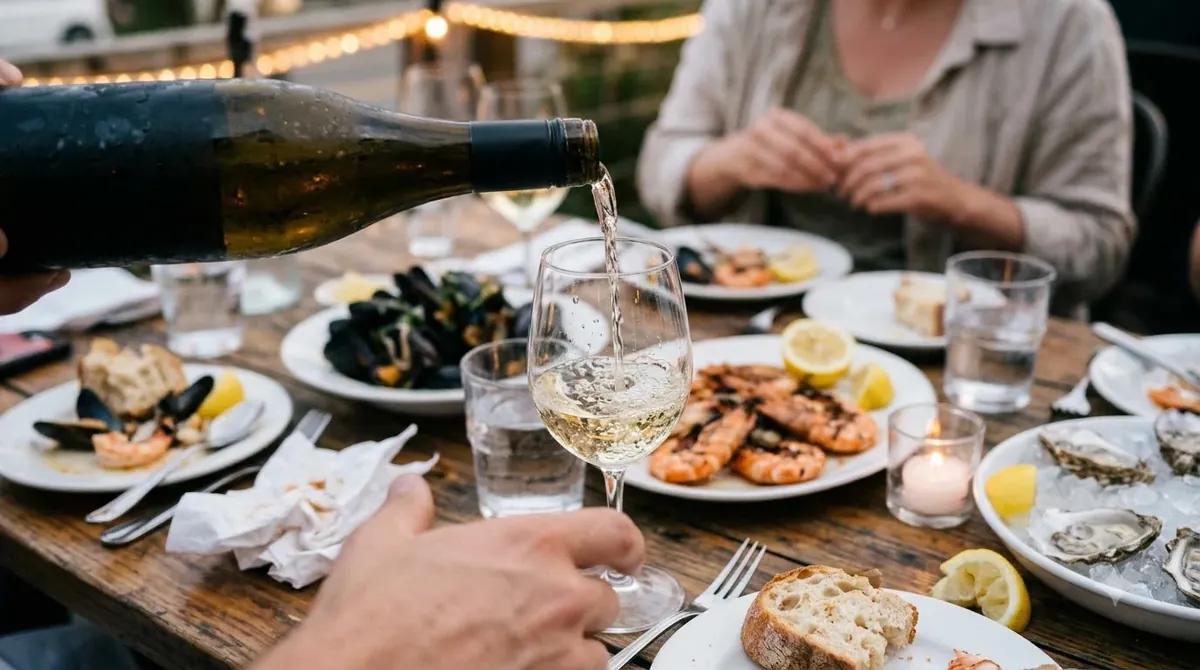
A glass with a gently tapered rim directs floral and strawberry notes straight to the nose before each sip. Avoid oversized Bordeaux or Burgundy red-wine bowls, which allow the wine to warm too rapidly and let lighter aromatics dissipate before you finish the glass. Stemmed glassware is ideal because holding the stem keeps body heat away from the bowl, though stemless glasses work fine if you grip them near the base.
Stick to a standard four- to five-ounce pour, filling the glass only to the widest part of the bowl. Smaller, more frequent pours keep the wine cold in your glass while the rest of the bottle stays chilled in the fridge or bucket. These glassware and portion habits mirror the rules for crisp aromatic whites—similar to how to serve pinot grigio when you want brisk acidity to stay front and center.
Flavor Profile and Regional Expressions
White Zinfandel offers an approachable, fruit-driven profile built around fresh red berries, watermelon, white peach, and subtle floral notes. Because Zinfandel berries ripen unevenly in warm California sunshine, winemakers can harvest early to capture vibrant natural acidity alongside generous fruit character.
California remains the heartland of white Zinfandel, with fruit sourced from warm interior valleys like Lodi as well as cooler coastal and foothill pockets in Sonoma, Mendocino, and Amador County. Warmer sites yield riper melon, candied strawberry, and tropical accents that shine in classic off-dry bottlings. Cooler sites produce zesty cranberry, blood orange, and crushed-herb notes that make dry bottlings feel lively and structured.
Reviewers at Wine Enthusiast note that modern dry Zinfandel rosés share plenty of common ground with Southern Italian Primitivo rosato, displaying juicy berry fruit balanced by refreshing tension. Recognizing which style sits in your bottle helps you dial in both the serving temperature and the food on your table.
Food Pairings That Match the Style
Off-dry white Zinfandel thrives alongside spicy, salty, and smoky dishes, while dry versions pair naturally with fresh seafood, salads, and light poultry. Matching the sweetness level of the wine to the intensity of the dish keeps both components balanced.
Classic semi-sweet white Zinfandel is a secret weapon for spicy cuisine. A touch of residual sugar cools the burn of capsaicin in Thai curries, Nashville hot chicken, spicy tuna rolls, and barbecue ribs brushed with tangy glaze. It also complements salty charcuterie boards, honey-glazed ham, and mild semi-soft cheeses like Havarti, Gruyère, and fresh mozzarella.
Dry white Zinfandel takes on a more savory culinary role. Serve it well chilled with grilled shrimp skewers, crab cakes, heirloom tomato salads, roast turkey, or herb-marinated pork tenderloin. Its bright acidity cuts cleanly through rich sauces without overpowering delicate proteins, much like a textured white wine—see our tips on how to serve pinot gris if you enjoy food-friendly bottles with subtle weight.
How to Store Opened and Unopened Bottles
Store unopened bottles of white Zinfandel in a cool, dark place between 50°F and 59°F (10°C to 15°C), and refrigerate an opened bottle immediately to preserve freshness for up to three to five days. Because white Zinfandel is meant to be enjoyed young, prolonged cellar aging offers no benefit.
Heat and direct sunlight are the biggest threats to unopened bottles. High storage temperatures accelerate oxidation, dulling bright berry aromas and turning the color toward brownish-orange. In off-dry bottles with residual sugar, warm storage can even trigger unwanted refermentation in the bottle. Keep cork-finished bottles resting on their sides so the cork stays moist, while screw-cap bottles can stand upright.
Once uncorked, push the original cork back in or seal the neck with an airtight wine stopper and place the bottle upright in the refrigerator. Oxygen gradually flattens delicate floral and strawberry aromas over several days, so aim to finish the bottle within three days for peak vibrancy.
Frequently Asked Questions
Should you put ice cubes in white Zinfandel?
If you are pouring a casual, sweet white Zinfandel on a hot afternoon, dropping one or two large ice cubes into your glass is completely fine. However, ice dilutes both aroma and acidity as it melts, so pre-chilling the bottle in the fridge or an ice-water bucket is always better for dry or artisanal bottles.
Does white Zinfandel need to be decanted before serving?
No, white Zinfandel does not need decanting. Exposing a delicate rosé to extra air warms the wine up and allows its fresh strawberry, watermelon, and citrus aromas to fade rather than open up.
Is white Zinfandel supposed to be served sweet or dry?
Both styles exist, though the label rarely spells out the sweetness level clearly. Classic mass-market bottlings are semi-sweet and low in alcohol, whereas contemporary California wineries like Turley and Broc Cellars produce crisp, bone-dry versions that drink like traditional Provençal or Italian rosé.
How long does white Zinfandel last in the fridge after opening?
Properly resealed with a tight stopper and kept in the refrigerator, an opened bottle of white Zinfandel stays fresh for three to five days. Off-dry styles hold up slightly longer because residual sugar acts as a mild preservative, while dry styles taste best within the first two to three days.
Mastering how to serve white zinfandel comes down to respecting it as a true rosé—chilling it cleanly into the 45°F to 55°F window, pouring modest amounts into a narrow-bowled white wine glass, and pairing its sweetness level with the right plate. Whether you open a nostalgic off-dry bottle for spicy takeout or a crisp, modern dry expression for summer seafood, the right temperature lets every berry and citrus note shine.
More in Wine Types & Grapes
 Zinfandel Sugar Content: Dry Red vs. White Zinfandel GramsUpdated Nov 21, 2026
 Best Zinfandel Substitute Options for Sipping and CookingUpdated Nov 21, 2026
 Zweigelt Food Pairing: Best Dishes, Cheeses, and Serving TipsUpdated Nov 21, 2026
 Zinfandel Tannins Explained: How Structure Shapes Every BottleUpdated Nov 21, 2026
 Zinfandel Sweetness Level: Dry Red vs. Sweet White Zin ExplainedUpdated Nov 21, 2026
 Xinomavro Food Pairing: Best Dishes, Styles, and Serving TipsUpdated Nov 21, 2026