

We may earn a commission when you buy through links on this page, at no extra cost to you. Learn more.
Arinto wine is a dry Portuguese white wine known for lively acidity, citrus and green-apple flavors, and a mineral finish. The grape is especially associated with Bucelas, north of Lisbon, but it also grows in Vinho Verde, Tejo, Alentejo, and other Portuguese regions. Expect a fresh, food-friendly style that can be bottled on its own, blended for extra freshness, or used in sparkling wine.
Arinto is a useful name to know when exploring Portugal beyond its best-known reds and aromatic whites. Its firm acidity gives the wine definition at the table, while regional conditions and cellar choices shape whether a bottle feels lean and citrus-driven or broader and more layered. The sections below explain how to recognize the grape, what regional names and styles mean, and how to serve it with confidence.
What Arinto Wine Tastes Like
Arinto’s signature is fresh acidity rather than overpowering perfume. Most examples are dry, medium-bodied or lighter in feel, with citrus, orchard fruit, and a stony or chalk-like edge that keeps the finish crisp.
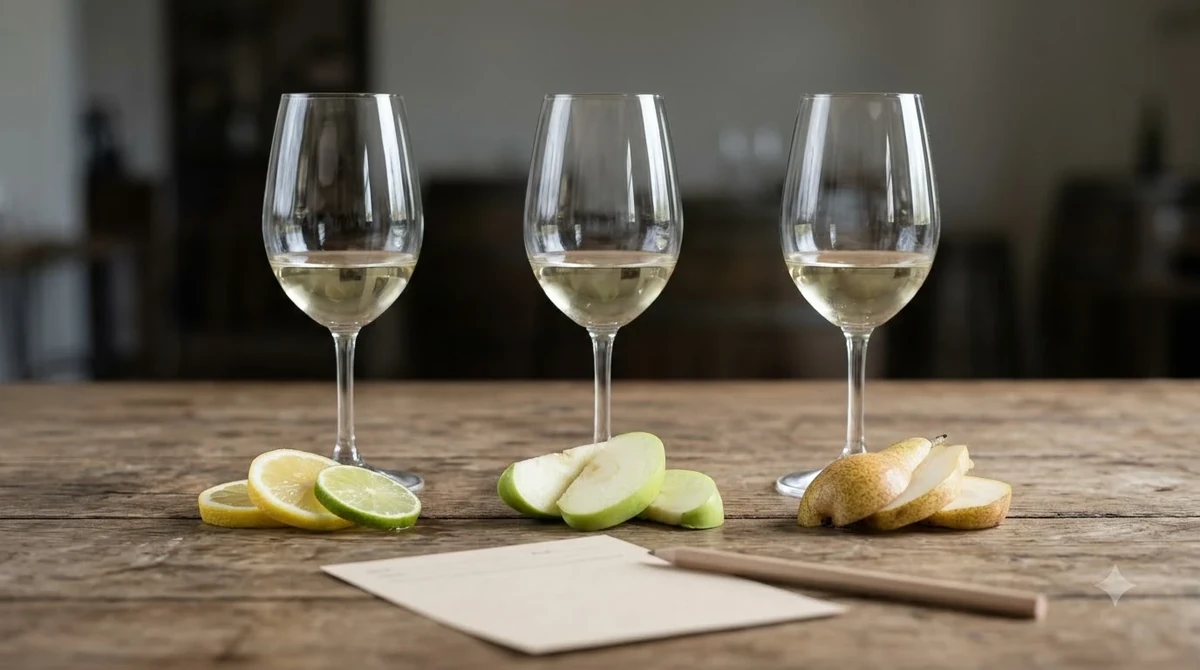
Common aromas and flavors include lemon, lime, green apple, and sometimes pear or ripe tropical fruit. The exact mix depends on the harvest and the growing site: cooler or more Atlantic-influenced vineyards often emphasize citrus and green fruit, while warmer conditions can give the fruit a riper impression without removing the grape’s natural acidity. Wine Enthusiast describes Arinto as fruity and semi-aromatic, with citrus, green apple, chalk, and lime among its defining notes.
In the mouth, acidity is the feature that usually stands out first. It makes the wine feel brisk and mouthwatering, while a mineral impression can give the finish a firm, almost salty or stony character. Riper fruit, lees contact, or time in barrel can add breadth and texture, giving the acidity something rounder to balance.
Arinto is often compared with Riesling because both can retain high acidity and work well with food. The comparison is most useful as a guide to freshness, not as a claim that they taste alike: Arinto is generally less overtly aromatic than many Rieslings, and its citrus-and-stone profile can feel more restrained. For a fuller introduction to the variety itself, see the site’s Arinto grape reference.
Where Arinto Grows in Portugal
Arinto grows across Portugal, but its identity is most closely tied to Bucelas in the Lisboa region, just north of Lisbon. It also plays important roles in Vinho Verde and warmer inland regions such as Tejo and Alentejo, where its acidity can bring lift to both single-variety wines and blends.
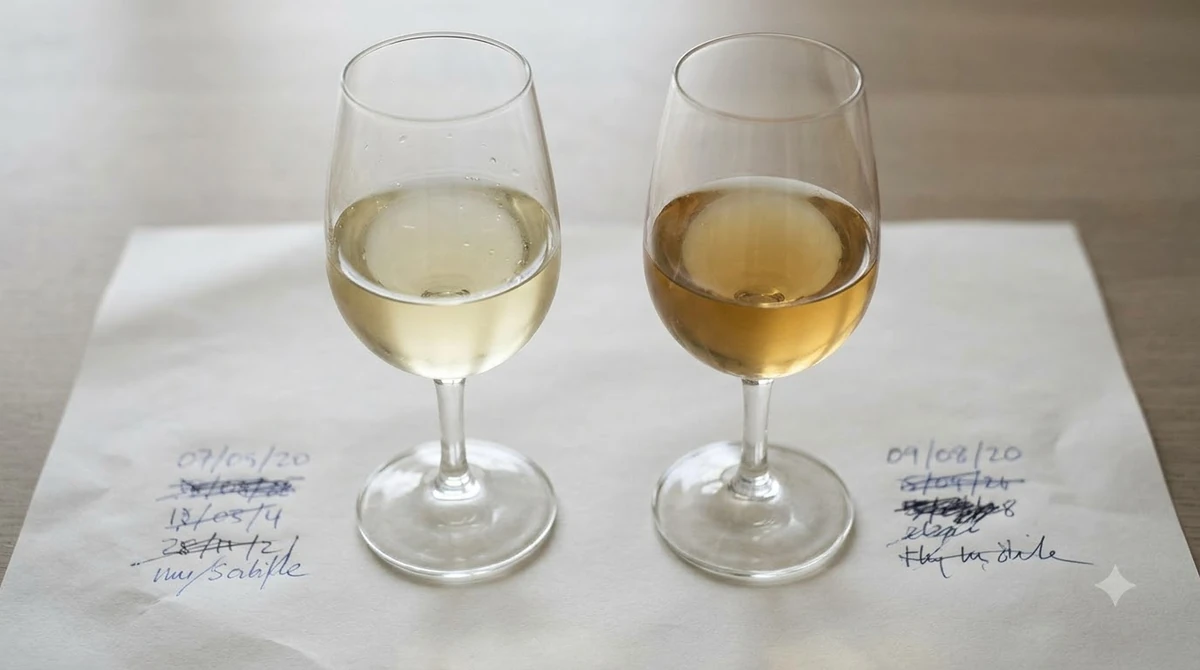
Bucelas is the classic reference point. Decanter’s Portugal white-grape guide identifies Arinto as the lead grape there and notes how its racy acidity balances ripe tropical fruit. The area’s proximity to the Atlantic and its limestone-rich terrain help explain why Bucelas Arinto can combine brisk structure with fruit that feels more rounded than the acidity alone might suggest. A classic example shows lemon and lime, with a taut finish.
Further north, Arinto is known as Pedernã in Vinho Verde. The regional wine body describes it as present throughout the region and suitable for both still and sparkling wines; it highlights lemon and orange, occasional apple and orange-blossom notes, and a firm acid structure. In a Vinho Verde blend, Arinto can add shape and freshness alongside varieties such as Loureiro and Alvarinho. Bottlings vary, so the name of the region gives a useful clue, but it does not guarantee one uniform style.
In Tejo and Alentejo, the grape’s ability to preserve acidity in warmer conditions is especially useful. The Wines of Tejo regional body says Arinto retains high natural acidity in the region’s warm climate and can work as a single-variety wine or in a blend. In Alentejo, it is often used to bring persistence and balance to richer white varieties. That blending role means Arinto may contribute structure even when another grape is more prominent on the label.
How Producers Make Arinto
Arinto can be made as a crisp, unoaked white, a more textured wine with lees or barrel influence, a blend component, or a base for sparkling wine. The grape’s high acidity gives producers flexibility because it can contribute freshness even when the wine is made in a warmer region or with a richer cellar approach.
In a straightforward stainless-steel style, fermentation is usually managed to protect clean fruit and a bright finish. These wines tend to emphasize lemon, lime, green apple, and a light mineral character. They are often the clearest expression of Arinto’s refreshing side and are generally best opened while their fruit remains lively. A young, uncomplicated bottle is a natural aperitif and a dependable match for seafood.
Other producers choose more texture. Lees contact can broaden the palate, while barrel fermentation or aging can add roundness and subtle savory notes. Oak should not erase the grape’s freshness; a richer version can suit roast poultry or creamy fish.
Arinto is also useful in sparkling wine because its acidity supports freshness and structure. In a blend, it can counterbalance grapes with softer acidity or more generous fruit. The WSET notes that Arinto helps high-quality wines age whether used alone or in a blend, a reminder that freshness is not merely an early-drinking trait. For a concise explanation of how this variety fits into Portugal’s larger grape landscape, read the WSET overview of Portugal’s indigenous varieties.
How to Choose a Bottle of Arinto
Start with the region and the style words on the label. Bucelas is the classic place to begin, while Vinho Verde, Tejo, and Alentejo offer useful alternatives; a bottle labeled Arinto or Pedernã may be varietal or part of a regional blend.
For a first bottle, choose a dry, unoaked or lightly textured example if you want the clearest view of the grape’s citrus character. A Bucelas bottling is a strong starting point because Arinto is central to the region’s white-wine identity. If you prefer a broader white wine, look for a producer’s description that mentions lees aging, barrel fermentation, or a fuller texture. Those details suggest a different balance rather than a different grape.
Do not assume every bottle from a warm region will taste heavy. Tejo’s regional wine body specifically notes that Arinto retains high natural acidity in its warmer climate, which is why it can be bottled alone as well as used to sharpen a blend. Conversely, a coastal origin does not automatically mean the wine is very light; ripeness and winemaking choices still matter. The most helpful buying decision is to match the wine’s stated style with the food and setting you have in mind.
It also helps to distinguish grape names from region names. Pedernã is the regional name used for Arinto in Vinho Verde, not a separate wine style in itself. A label that names several grapes indicates a blend, where Arinto may be contributing structure without being the dominant aroma. Readers learning the wider categories can use the site’s wine by type overview to compare still, sparkling, dry, and sweet wine styles.
Food Pairings for Arinto
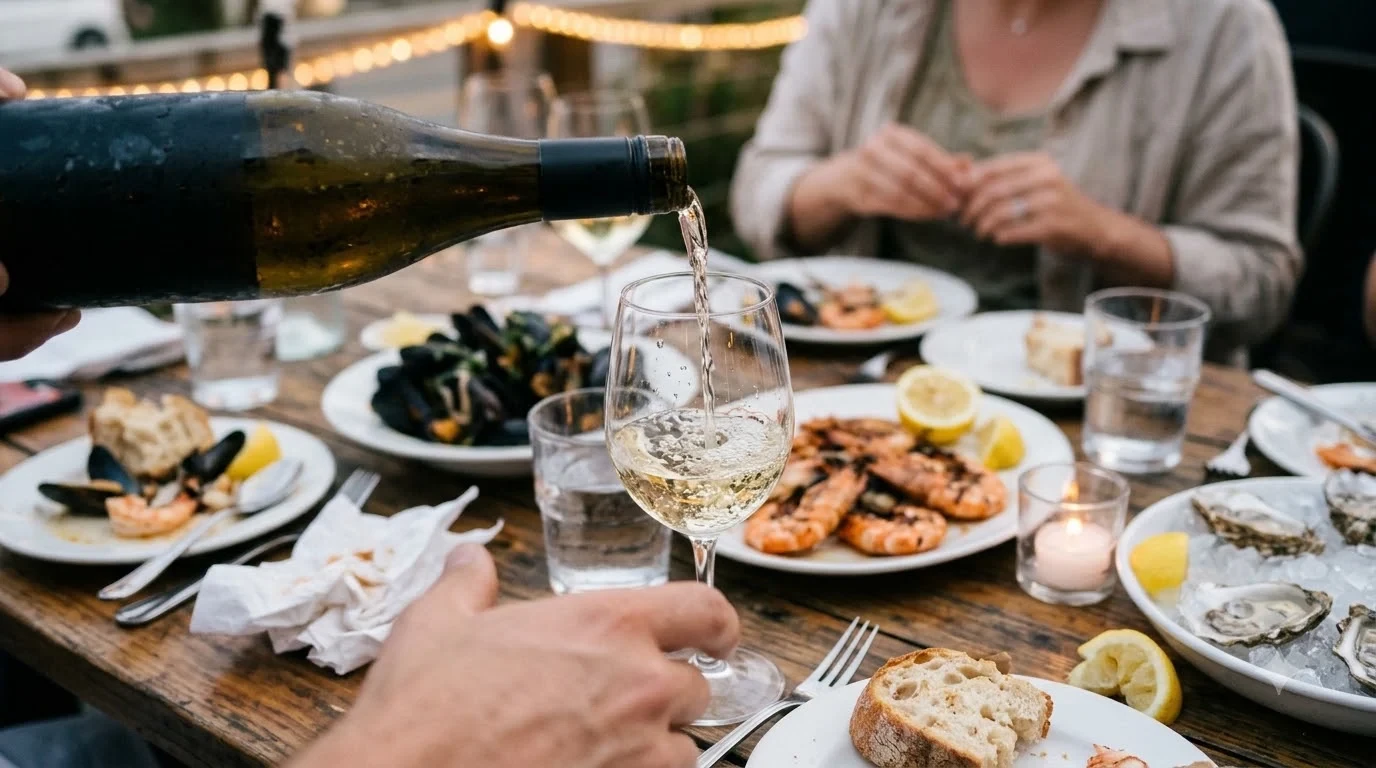
Arinto’s high acidity makes it especially effective with seafood, shellfish, and dishes that include lemon or fresh herbs. The wine refreshes the palate between bites, while its restrained aromatics allow delicate ingredients to remain in focus.
Try a crisp Arinto with grilled sea bass, steamed mussels, oysters, shrimp, or simply prepared white fish. It also works with grilled sardines, salt cod fritters, and seafood rice. Lemon, parsley, cilantro, and olive oil are natural bridges between the food and wine; a dish with citrus or tart vinaigrette needs a wine with matching acidity.
For poultry, pair a fresh, unoaked bottle with roast chicken or lemon-and-garlic chicken. A wine with lees texture or barrel influence can work better with creamy sauces, roast pork, or richer fish, while its acidity balances the food’s fat.
Arinto also suits asparagus, green beans, fennel, artichokes, and fresh goat cheese. Olives, capers, and salted cheeses can make appealing matches. Avoid very sweet sauces or intense chili heat, which can overwhelm a delicate dry white. For a contrasting Spanish white, see the Airén grape; for a red-fruited, often gently sweet style, see the Brachetto grape. Match the wine’s weight to the dish: citrus-led Arinto suits simply cooked seafood and salads, while a broader bottle can accompany roast chicken, grilled pork, or fish with butter or cream.
Serving Temperature and Storage
Serve most fresh Arinto slightly chilled, around 45–50°F, so its citrus fruit and acidity remain vivid without making the aromas disappear. A fuller or oak-influenced bottle can be served a little warmer, around 50–55°F, to give its texture and more subtle aromas room to show.
Use a white-wine glass with a moderate bowl and pour 5 ounces, leaving room to swirl. A 750-milliliter bottle holds about five such servings. If the wine is too cold, let it warm in the glass for a few minutes.
| Situation | Practical guidance | Why it helps |
|---|---|---|
| Fresh, unoaked Arinto | 45–50°F | Preserves a crisp, citrus-led profile |
| Fuller or oak-influenced Arinto | 50–55°F | Allows more texture and subtle aromas to emerge |
| Standard pour | 5 oz | Leaves space in the glass for aromas |
| 750 ml bottle | About 5 pours | Useful for planning a meal |
| Opened still wine | Refrigerate; aim for 3–5 days | Slows oxidation after opening |
| Longer-term bottle storage | Near 55°F, on its side | Helps keep storage conditions steady |
After opening, refrigerate the bottle with a stopper to limit air exposure. Most opened still wines keep their best qualities for about 3–5 days. For unopened bottles, choose a dark, stable place near 55°F, away from sunlight, heat, and repeated temperature swings.
Tip: Chill Arinto in the refrigerator and pour a small first taste. If it seems muted, let it warm in the glass for a few minutes before deciding whether the bottle lacks aroma; very cold white wine can hide its fruit and texture.
Most fresh Arinto is made to be enjoyed young, especially when the emphasis is on bright citrus and orchard fruit. More ambitious examples can develop with bottle age, particularly when the fruit, acidity, and texture are in balance. Keep a structured bottle in good storage and taste it periodically rather than assuming that every Arinto will improve for the same length of time.
Arinto Compared With Other White Grapes
Arinto belongs in the same broad conversation as other high-acid whites, but its restrained aroma and Portuguese regional identity give it a character of its own. Comparing it with Riesling, Sauvignon Blanc, and Chardonnay can make the differences easier to recognize when choosing a bottle.
Riesling is a familiar comparison because both grapes can deliver vivid acidity. Riesling often has more pronounced floral, stone-fruit, or petrol-like aromas, while Arinto commonly leans toward lemon, lime, green apple, and mineral notes. Neither grape name alone guarantees a sweetness level; sweetness is a winemaking choice.
Sauvignon Blanc often shows more overt herbal, grassy, or tropical aromas, while Arinto is usually more restrained and focused on citrus and orchard fruit. Chardonnay offers another contrast: it can be rounder and more influenced by fermentation or aging choices, whereas Arinto’s defining feature is its persistent acidity. A barrel-aged Arinto can gain some breadth, but it still tends to keep a fresher, more incisive line than a rich, oak-driven Chardonnay.
Other Portuguese grapes clarify Arinto’s role. Alvarinho can bring more aromatic intensity and stone-fruit character in Vinho Verde, while Loureiro is often associated with floral and citrus notes. Arinto contributes shape and freshness, whether bottled alone or used in a regional blend.
Frequently Asked Questions
These answers cover a few details that can be hard to infer from a wine label, including pronunciation, the grape’s historical reputation near Lisbon, and its formal regional identity.
How do you pronounce Arinto?
WSET gives the pronunciation as “ah-reen-toh.” The emphasis is on the middle syllable, and the final “o” is pronounced rather than dropped. Saying the name clearly can help when asking for the grape at a wine shop or restaurant.
Why was Bucelas Arinto called Lisbon Hock?
Arinto’s pronounced acidity earned Bucelas wines the 19th-century nickname “Lisbon Hock,” a comparison with the high-acid white wines associated with Germany’s Rhine. The name reflects the grape’s crisp structure and its historic reputation in the area north of Lisbon.
Is Arinto de Bucelas a different grape?
No. Arinto de Bucelas is a fuller regional name associated with the variety’s historic home in Bucelas, within the Lisboa region. The shorter name Arinto is used across Portugal, while Pedernã is the regional name used in Vinho Verde.
How old is Bucelas’s reputation for white wine?
Portugal’s official gazette records that white wines from Bucelas had a centuries-long reputation and that their quality and typical character were recognized by a decree dated May 10, 1907. That historical recognition helps explain why Bucelas remains the reference region for Arinto rather than just one growing area among many.
How many indigenous grape varieties does Portugal have?
WSET describes Portugal as home to more than 250 indigenous grape varieties, many of which are rarely found elsewhere. Arinto is one of the country’s widely adaptable white varieties, but it is only one part of a much broader native grape collection.
For a crisp, dry white with vivid acidity and a clear sense of place, Arinto is one of Portugal’s most rewarding grapes to explore. Start with Bucelas for the classic expression, then compare a Vinho Verde or Tejo bottling to see how the same variety shifts across regions and winemaking styles.
More in Wine Types & Grapes
 Zinfandel Sugar Content: Dry Red vs. White Zinfandel GramsUpdated Nov 21, 2026
 Best Zinfandel Substitute Options for Sipping and CookingUpdated Nov 21, 2026
 Zweigelt Food Pairing: Best Dishes, Cheeses, and Serving TipsUpdated Nov 21, 2026
 Zinfandel Tannins Explained: How Structure Shapes Every BottleUpdated Nov 21, 2026
 Zinfandel Sweetness Level: Dry Red vs. Sweet White Zin ExplainedUpdated Nov 21, 2026
 Xinomavro Food Pairing: Best Dishes, Styles, and Serving TipsUpdated Nov 21, 2026