

We may earn a commission when you buy through links on this page, at no extra cost to you. Learn more.
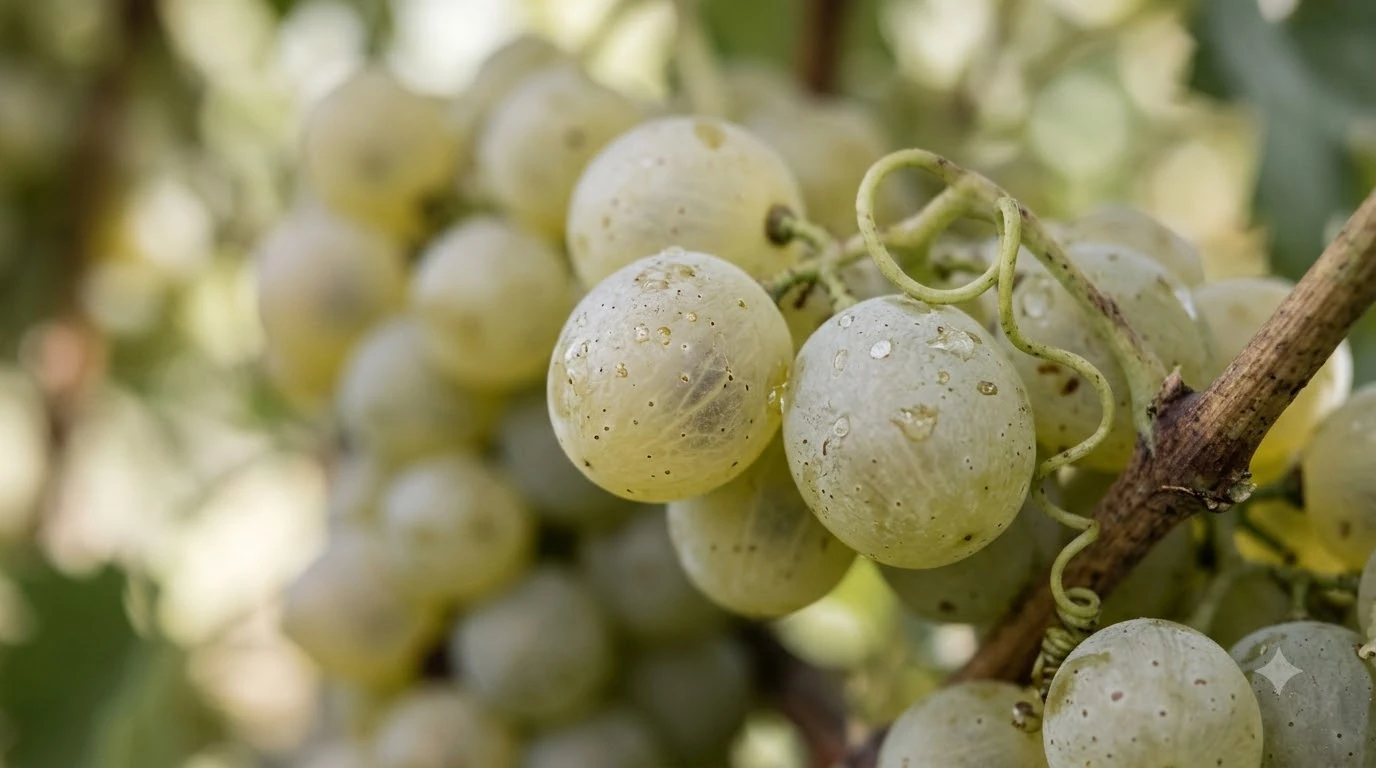
The arinto grape is a native Portuguese white wine grape known for its naturally high acidity, crisp citrus flavors, and ability to retain freshness in warm climates. Also called Pedernã in the Vinho Verde region, it produces elegant, dry white wines with notes of lemon, green apple, lime, and mineral freshness. Arinto is particularly associated with Bucelas, north of Lisbon, but it also plays an important role in blends and sparkling wines throughout Portugal.
Portugal has an unusually diverse collection of indigenous wine grapes, and Arinto is among the most versatile. It can produce refreshing wines for immediate enjoyment, structured whites that develop complexity in the bottle, and blends that benefit from its lively acidity. Understanding where Arinto grows, how winemakers use it, and what to serve alongside it makes it easier to recognize this distinctive Portuguese variety.
What Is the Arinto Grape?
Arinto is a white grape variety native to Portugal, valued primarily for its strong natural acidity and adaptability to different growing conditions. Although its historic association is with Bucelas in the Lisboa wine region, the variety is now cultivated across much of the country.
The name is pronounced approximately ah-REEN-toh. In Vinho Verde, the grape is traditionally known as Pedernã. These two names refer to the same variety in that regional context, rather than two completely different grapes. This distinction is useful when exploring Portuguese wine labels because the grape’s name can change depending on where it is grown.
Arinto is especially useful to winemakers because it can maintain refreshing acidity even when temperatures rise and grapes reach full maturity. Many white varieties become noticeably softer as they ripen in warm conditions. Arinto, by comparison, can preserve a lively structure that gives finished wines definition and freshness.
According to the Wine and Spirit Education Trust, Arinto is thought to originate in Bucelas DOC, north of Lisbon. The variety is also well adapted to Atlantic-influenced regions such as Vinho Verde and Bairrada, as well as warmer areas such as Alentejo.
Portugal has more than 250 indigenous grape varieties, according to the WSET, and Arinto is one of the country’s particularly versatile white grapes. It is used for single-variety wines, regional blends, and sparkling wine production.
For readers exploring unfamiliar grapes, Arinto is a useful introduction to Portugal’s indigenous varieties. It offers a different experience from familiar international grapes such as Chardonnay and Sauvignon Blanc, with its own combination of citrus character, mineral notes, and persistent acidity. You can also explore the wider selection of Wine by Type to understand how grape varieties influence finished wine styles.
What Does Arinto Wine Taste Like?
Arinto wine is generally dry, refreshing, and medium-light to medium-bodied, with high acidity and a citrus-led flavor profile. Lemon, lime, green apple, and mineral notes are among its most recognizable characteristics.

Young Arinto wines often emphasize fresh fruit rather than heavy oak or pronounced tropical flavors. Lemon zest and green apple provide a crisp impression, while lime and orange can add additional citrus character. Some examples also show delicate floral notes, particularly orange blossom.
The acidity is usually the most noticeable feature on the palate. It creates a mouthwatering sensation and helps the wine finish cleanly rather than feeling heavy. Mineral impressions can resemble wet stone, chalk, or a subtle saline quality, although the exact expression varies with vineyard conditions and winemaking.
Arinto is not generally an intensely aromatic grape. Its appeal comes from the combination of restrained fruit, freshness, and structure. This makes it especially interesting for people who enjoy dry white wines with precision rather than overwhelming perfume or sweetness.
Typical Flavor Characteristics
- Primary fruit: Lemon, lime, green apple, and occasionally orange.
- Floral character: Subtle orange blossom and delicate white-flower notes.
- Mineral impressions: Wet stone, chalk, and a refreshing saline character in some examples.
- Texture: Crisp, focused, and generally light to medium-bodied.
- Acidity: High, often the defining characteristic of the wine.
- Finish: Clean, refreshing, and sometimes noticeably persistent.
With bottle age, the flavor profile can become more complex. Fresh citrus may develop into preserved lemon, while subtle waxy, nutty, and honeyed impressions can emerge. The wine can gain texture without necessarily losing its characteristic freshness.
Winemaking also influences the final result. Stainless-steel fermentation generally emphasizes primary fruit and crispness. Lees aging can add a rounder texture and more complexity, while carefully managed oak may introduce additional layers without completely obscuring the grape’s natural character.
Arinto is therefore not restricted to one simple flavor profile. A young, unoaked bottle from Vinho Verde can feel very different from a more developed, structured Bucelas wine, even though both are made from the same grape.
Where Is Arinto Grown in Portugal?
Arinto grows in several Portuguese wine regions, but Bucelas, Vinho Verde, and Alentejo are particularly important places to understand its identity. Each region demonstrates a different use of the grape, from distinctive single-variety whites to blends designed to preserve freshness.
Bucelas: The Traditional Home
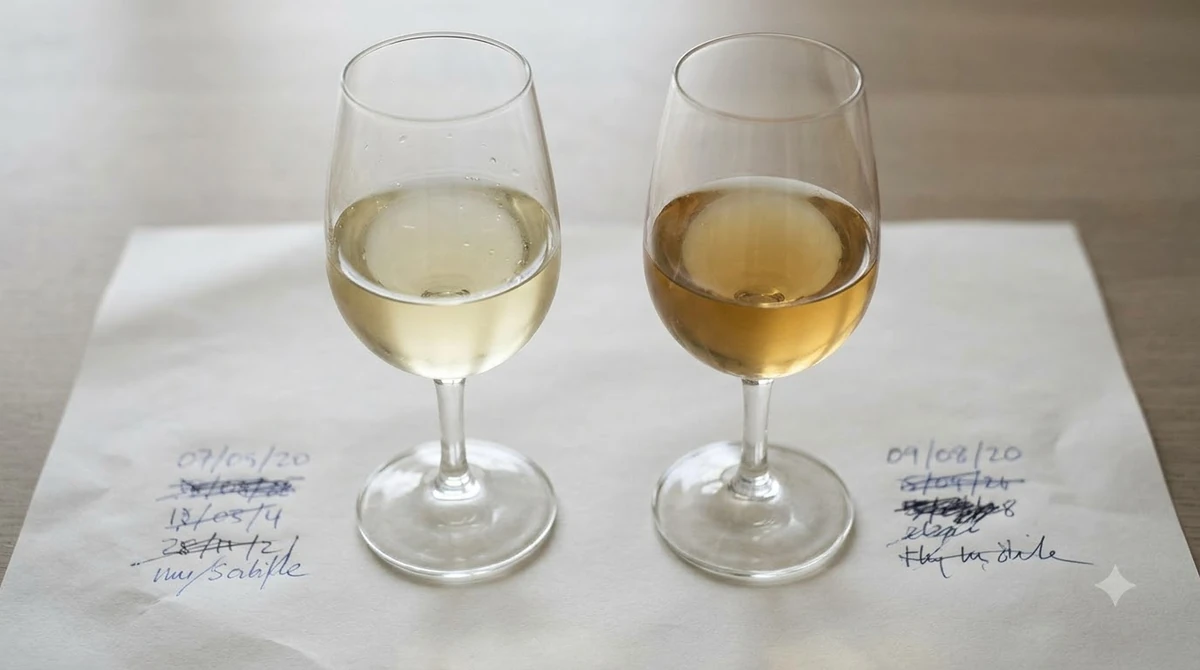
Bucelas is a small wine-producing area north of Lisbon in the Lisboa region. It is particularly associated with Arinto and is often considered the grape’s most distinctive regional expression.
The area’s Atlantic influence helps create conditions suited to fresh, structured white wines. Arinto is the principal grape in Bucelas wines, and the region is known for elegant expressions that combine citrus fruit, acidity, and mineral character.
Wines from Bucelas are especially interesting because they demonstrate how Arinto can work as a standalone variety rather than simply contributing freshness to a blend. Good examples can develop additional complexity with bottle age while retaining their underlying acidity.
Vinho Verde: Pedernã and Atlantic Freshness
In Vinho Verde, northwestern Portugal, Arinto is known as Pedernã. It is one of several important white grapes grown in the region, alongside Loureiro, Alvarinho, and Trajadura.
The region’s Atlantic influence creates a different growing environment from the warmer inland vineyards. Arinto contributes citrus flavors and firm acidity to wines that can be particularly refreshing. It may appear in blends or as a single-variety bottling.
According to the Vinhos Verdes regional commission, Arinto is found throughout the region and contributes to both still and sparkling wines. The commission identifies lemon, orange, apple, and occasional orange-blossom notes among its characteristic aromas.
Alentejo: Freshness in a Warmer Region
Alentejo, in southern Portugal, has a much warmer and generally drier climate than northwestern Portugal. This makes Arinto particularly valuable because it can maintain its acidity under conditions in which some other white grapes produce softer wines.
Winemakers may blend Arinto with fuller-bodied varieties to improve freshness and balance. Instead of dominating the finished wine, it can provide the structure needed to make ripe fruit flavors feel more lively.
Other Portuguese Growing Areas
Arinto also appears in Bairrada, the Douro, Tejo, and other parts of the country. Its adaptability means that the grape can contribute different qualities depending on local conditions and the winemaker’s approach.
Bairrada has a strong Atlantic influence, while the Douro includes both cooler elevated vineyards and warmer inland locations. These differences help explain why wines made from Arinto are not completely uniform across Portugal.
The following table summarizes the main regional differences:
| Region | Regional Name | Typical Wine Character | Main Role |
|---|---|---|---|
| Bucelas | Arinto | Citrus, mineral, structured | Principal white grape |
| Vinho Verde | Pedernã | Lemon, orange, fresh acidity | Blends and varietal wines |
| Alentejo | Arinto | Fresh, balanced, often fuller blends | Acidity and structure |
| Bairrada | Arinto | Fresh, mineral white wines | Still and sparkling wines |
| Douro | Arinto | Regional expressions with refreshing acidity | Blends and varietal wines |
These are broad regional tendencies rather than fixed rules. Vineyard elevation, proximity to the Atlantic, harvest timing, and fermentation choices can all influence the finished wine. For a more complete picture, the Vinhos Verdes regional commission’s grape variety information provides additional detail about Arinto’s role in the northwest.
How Arinto Is Made Into Wine
Arinto is versatile in the winery, producing single-variety still wines, blended whites, and sparkling wines. Its natural acidity gives winemakers several options for creating wines with freshness, structure, and the potential to develop in the bottle.
Single-variety Arinto is particularly associated with Bucelas, where the grape can express its character without needing other varieties to provide additional structure. These wines often emphasize lemon, green apple, mineral impressions, and a focused finish.
Blending is another important part of Arinto’s identity. In warmer regions, winemakers can combine it with grapes that produce more generous fruit or a fuller mouthfeel. The result may have more volume and ripe fruit character while retaining a refreshing finish.
Still White Wine
Many Arinto wines are fermented in stainless-steel tanks. This approach preserves fresh fruit aromas and emphasizes the grape’s natural acidity. The resulting wines are generally crisp, dry, and suitable for drinking relatively young.
Some producers use lees contact to add texture and complexity. Lees are the spent yeast cells left after fermentation. Allowing wine to remain in contact with them can contribute a rounder mouthfeel and additional savory dimensions.
Oak aging is another possibility, although it is not essential to the grape’s identity. Some more structured examples may benefit from measured oak influence, particularly when the winemaker wants to add texture rather than make the wine taste predominantly of wood.
Blended White Wine
Arinto can complement other Portuguese white grapes by contributing freshness. In the Alentejo, for example, it may be combined with fuller-bodied varieties to balance ripe fruit and a broader texture.
In Vinho Verde, it can appear alongside Loureiro, Alvarinho, and Trajadura. Each variety contributes something different to a blend, allowing producers to create a more complete aromatic and structural profile.
Sparkling Wine
Arinto’s high acidity makes it a useful grape for sparkling wine. Freshness is particularly important in sparkling styles because acidity helps preserve definition after the wine undergoes its secondary fermentation.
Portuguese sparkling wines can use different production approaches, including bottle fermentation. The exact style depends on the producer, region, and desired result. Arinto can contribute citrus character and a firm acidic backbone to these wines.
The variety is therefore much more than a grape for uncomplicated summer whites. Its structural qualities allow it to contribute to several different wine categories.
Arinto Food Pairing: What Should You Eat With It?
Arinto pairs particularly well with seafood, shellfish, grilled fish, and dishes featuring lemon or fresh herbs. Its high acidity provides a refreshing contrast to salty, rich, and moderately fatty foods.
Portuguese cuisine offers several natural pairing opportunities. Salt cod, grilled sardines, seafood rice, and simply prepared white fish all work well with the grape’s citrus character. The acidity can cut through the richness of olive oil and help refresh the palate between bites.
Seafood and Fish
Grilled fish is one of the most dependable matches. A simply seasoned sea bass or grilled dorade allows the wine’s lemon and mineral character to complement the delicate flavors of the fish.
Shellfish is another strong option. Oysters, shrimp, scallops, and steamed mussels work particularly well with young, crisp Arinto. The wine’s acidity complements natural salinity without overpowering the seafood.
Salt cod, or bacalhau, is especially suitable. Portuguese preparations often include olive oil, potatoes, onions, and garlic. Arinto’s acidity provides contrast to the richness of the dish and helps balance its savory flavors.
Chicken and White Meat
Roast chicken with lemon, thyme, and garlic makes a good pairing, particularly with a slightly fuller Arinto. The wine has enough acidity to balance the roasted skin and cooking fat while its fruit character complements the seasoning.
Grilled turkey and herb-roasted chicken are also suitable. Avoid excessively sweet sauces because they can make a dry wine taste sharper and less balanced.
Vegetables and Cheese
Arinto works well with grilled zucchini, asparagus, green beans, and salads dressed with citrus-based vinaigrettes. The key is to maintain enough acidity in the food to complement the wine.
Fresh goat cheese, young sheep’s cheese, and moderately salty cheeses can also work. The wine’s refreshing finish provides a useful contrast to creamy textures and savory flavors.
Pairing Suggestions
- Grilled sardines: Match the wine’s citrus character with the fish’s savory richness.
- Oysters: Choose a young, crisp Arinto for a clean, refreshing combination.
- Seafood rice: Acidity balances the richness of the broth and olive oil.
- Salt cod: The wine’s freshness complements salt, potatoes, and olive oil.
- Roast chicken: Choose a fuller-bodied example to match the roasted flavors.
- Goat cheese: Fresh acidity contrasts with the cheese’s creamy texture.
- Vegetable risotto: A lightly textured Arinto can complement the creamy consistency.
There are also combinations worth avoiding. Very sweet sauces can overwhelm a dry Arinto, while extremely spicy dishes can make its acidity and alcohol feel more pronounced. If serving chili-heavy food, choose a milder preparation rather than relying on the wine to soften the heat.
For a simple dinner, try grilled white fish with lemon, olive oil, parsley, and roasted potatoes. This combination brings together ingredients that complement Arinto’s natural flavor profile without requiring complicated preparation.
Serving Temperature, Storage, and Aging Potential
Arinto is best served chilled but not excessively cold, with a temperature around 45–50°F for lighter, fresh styles. More structured examples can benefit from slightly warmer service so that their aromas and texture become easier to appreciate.
Serving temperature makes a noticeable difference. Excessive chilling can suppress citrus aromas and make the wine seem less expressive. Allowing the bottle to warm slightly in the glass can reveal additional fruit and mineral characteristics.
Recommended Serving Temperatures
| Wine Style | Serving Temperature | Serving Advice |
|---|---|---|
| Light, fresh Arinto | 45–50°F | Serve chilled for freshness |
| Fuller-bodied Arinto | 50–55°F | Allow more aromatic expression |
| Arinto sparkling wine | 40–50°F | Serve well chilled |
Glassware and Pouring
A standard white wine glass is a good choice. It provides enough room for aromas to develop while keeping the wine focused and easy to drink.
A typical wine serving is 5 ounces. A standard 750-milliliter bottle contains approximately five such servings, making it a convenient size for a small dinner or tasting.
Decanting is usually unnecessary for young Arinto. Most fresh examples can be opened and served immediately. Older or particularly structured bottles may benefit from a little time in the glass, but extensive aeration is rarely required.
Can Arinto Age?
Yes. One of Arinto’s notable qualities is its ability to develop complexity with bottle age. Its high acidity helps maintain freshness as other elements of the wine evolve.
Young bottles typically emphasize lemon, lime, and green apple. With development, some wines can show preserved citrus, waxy textures, nutty notes, and greater aromatic complexity.
Not every bottle is intended for extended cellaring. Fresh, straightforward examples from Vinho Verde are often best enjoyed while their primary fruit remains lively. More structured wines from Bucelas can be better candidates for longer aging.
Storage conditions are important. Keep bottles away from direct sunlight, large temperature changes, and excessive heat. A cool storage environment near 55°F is a useful target, and cork-sealed bottles are generally stored horizontally to keep the cork from drying out.
Tip: If you are buying Arinto specifically to explore its aging potential, begin with a structured Bucelas bottling rather than the simplest fresh Vinho Verde style. Open one bottle young and save another under suitable storage conditions to compare how citrus, texture, and mineral character develop over time.
Once opened, keep still Arinto refrigerated and preferably finish it within 3–5 days. Use a suitable closure to limit exposure to oxygen. Sparkling examples generally retain their best character for a shorter period, usually around 1–3 days with an appropriate sparkling-wine stopper.
How Arinto Compares With Other White Grapes
Arinto stands out for its combination of high acidity, restrained fruit, and adaptability. Comparing it with other white grapes helps explain why Portuguese producers value it in both single-variety wines and blends.
Arinto vs. Sauvignon Blanc
Sauvignon Blanc is also known for high acidity, but its aromatic profile can be much more pronounced. Depending on the region, Sauvignon Blanc may show grapefruit, passion fruit, gooseberry, freshly cut grass, or herbal notes.
Arinto generally has a more restrained aromatic profile, with lemon, green apple, and mineral impressions taking the lead. Both grapes work well with seafood, salads, and fresh goat cheese, but Sauvignon Blanc often has a more immediately recognizable herbal character.
Arinto vs. Chardonnay
Chardonnay is highly adaptable and can produce everything from light, crisp wines to rich, oak-aged examples. Its acidity is generally medium, although climate and winemaking can create substantial variation.
Arinto is more consistently associated with pronounced natural acidity. It generally offers a sharper citrus profile and less emphasis on creamy texture or oak-derived flavors. A stainless-steel Chardonnay may share some of its freshness, but the two varieties have different structural identities.
Arinto vs. Riesling
Riesling is another white grape known for high acidity and strong aging potential. It can produce dry, off-dry, and sweet wines, with aromas that include citrus, peach, flowers, and petrol-like complexity in developed bottles.
Arinto is generally less aromatic and more closely associated with dry white wine styles. Both varieties can retain freshness as they age, but Riesling has a wider established range of sweetness levels.
Arinto vs. Alvarinho
Alvarinho, known as Albariño in Spain, is another important grape of the northwestern Iberian Peninsula. It commonly produces aromatic whites with citrus, stone fruit, and floral character.
Arinto tends to emphasize acidity and mineral structure, while Alvarinho often contributes more aromatic intensity and a broader fruit profile. The grapes can also complement one another in Portuguese blends.
Readers interested in another traditional Portuguese white grape can explore Airén, which offers a different perspective on how grape variety and growing conditions shape white wine. For a closer look at the finished wine rather than the grape itself, see our guide to Arinto wine.
Frequently Asked Questions
Is Arinto the same grape as Arinto dos Açores?
No. Arinto dos Açores is a distinct grape associated with the Azores archipelago, rather than simply another regional name for mainland Arinto. The Azorean variety is important to the island wine tradition, particularly in wines from Pico. The similar names can cause confusion when researching Portuguese varieties.
Is Arinto suitable for making rosé wine?
Arinto is principally associated with white wine production. Its high acidity can also make it useful in sparkling wine production, including styles where freshness is essential. Rosé production is not its defining traditional role, and it is much less recognized for that style than Portugal’s indigenous red varieties.
Does Arinto have a relationship with Malvasia Fina?
They are separate Portuguese white grape varieties. The name Arinto do Dão can be confusing because it is a regional synonym associated with Malvasia Fina, not necessarily the same Arinto found in Bucelas or Vinho Verde. Paying attention to regional naming is important when studying Portuguese grape varieties.
Can Arinto be grown outside Portugal?
Arinto is strongly associated with Portugal, where its traditional identity and most recognized expressions developed. Its ability to retain acidity in warmer climates makes it potentially interesting to growers elsewhere, although it remains far less internationally widespread than Chardonnay or Sauvignon Blanc. Portuguese wines remain the natural starting point for discovering the variety.
Is Bucelas a separate Portuguese wine designation?
Yes. Bucelas is a recognized DOC wine area within the Lisboa region, rather than simply another name for a grape variety. Its traditional identity is closely linked to Arinto-based white wines. The geographical designation therefore tells buyers something about the wine’s origin as well as its regional production tradition.
The arinto grape deserves attention from anyone interested in distinctive Portuguese white wines. Its naturally high acidity, citrus flavors, and ability to develop complexity make it equally interesting in fresh Vinho Verde styles, structured Bucelas whites, and sparkling wines. Start with a young, crisp bottle to appreciate its freshness, then explore a more developed Bucelas example to discover how much additional character this versatile Portuguese grape can offer.
More in Wine Types & Grapes
 Zinfandel Sugar Content: Dry Red vs. White Zinfandel GramsUpdated Nov 21, 2026
 Best Zinfandel Substitute Options for Sipping and CookingUpdated Nov 21, 2026
 Zweigelt Food Pairing: Best Dishes, Cheeses, and Serving TipsUpdated Nov 21, 2026
 Zinfandel Tannins Explained: How Structure Shapes Every BottleUpdated Nov 21, 2026
 Zinfandel Sweetness Level: Dry Red vs. Sweet White Zin ExplainedUpdated Nov 21, 2026
 Xinomavro Food Pairing: Best Dishes, Styles, and Serving TipsUpdated Nov 21, 2026