

We may earn a commission when you buy through links on this page, at no extra cost to you. Learn more.
A zinfandel cocktail is a mixed drink built with California red Zinfandel—or blush White Zinfandel—combined with spirits, citrus, sweetener, or aromatics to highlight the grape’s ripe berry fruit and natural baking spice. Because red Zinfandel typically carries 14% to 17% ABV, moderate tannins, and notes of blackberry, cherry, and black pepper, it holds its structure against bourbon, brandy, cola, or warm winter spices without turning bitter. Lighter builds rely on dry Zinfandel rosé or sweet White Zinfandel for chilled spritzes and patio punches.
Most wine cocktails lean on crisp whites or sparkling bottles, yet red Zinfandel brings a plush, jammy weight that behaves almost like a botanical liqueur behind the bar. Whether floated over a classic whiskey sour, steeped with cloves and orange peel on the stove, or poured equal parts over ice with cola, this versatile grape bridges casual afternoon refreshment and cold-weather entertaining.
What Makes Zinfandel Work in Cocktails
Red Zinfandel succeeds in mixed drinks because its ripe dark-fruit profile and moderate tannin grip prevent astringency when chilled or diluted. Instead of clashing with citrus juice or carbonation, the wine contributes natural sweetness, peppery spice, and body.
Wine educators at Wine Enthusiast point out that Zinfandel ripens to high sugar levels in warm California sunshine, yielding full-bodied wines between 14% and 17% alcohol by volume with glossy, rounded tannins and flavors of baked dark fruit, red berries, and spice. In a cocktail shaker or pitcher, that higher alcohol acts as a built-in flavor carrier, keeping the wine present even after ice melt and citrus dilution.
Tannin management is the main technical hurdle when mixing with red wine. Heavily oaked Cabernet Sauvignon can turn metallic or overly drying once cold, whereas fruit-forward Zinfandel stays supple on ice. Exploring how different Wine by Type behave in a glass shows why medium-tannin, spice-driven reds adapt so easily to bartending.
Five Classic Zinfandel Cocktail Styles
Five proven cocktail templates cover the full range of red Zinfandel, from two-ingredient highballs to layered spirit-forward sours. Each formula balances the wine’s jammy fruit against acid, bubbles, or aged spirits.
For warm-weather hosting, pitcher and highball builds let Zinfandel shine at refrigerator temperature. Wine Folly highlights Zinfandel as a top red variety for sangria and notes that bourbon-based wine drinks excel at absorbing and refining bold red wines. Chilling the bottle beforehand keeps dilution slow and preserves fresh raspberry and blackberry aromatics.
In cooler months, gentle heat coaxes out the clove, cinnamon, and star anise notes already lurking in oak-aged California Zinfandel. Reviewers at VinePair note that old-vine Zinfandel brings ripe strawberry and cherry flavors with a round, full texture that balances savory mulling spices without needing heavy sugar additions.
| Cocktail Style | Base Wine | Core Mixers | Serving Temp | Best Occasion |
|---|---|---|---|---|
| Zinfandel New York Sour | Dry red Zinfandel (0.5 to 0.75 oz float) | Bourbon or rye, fresh lemon juice, simple syrup, optional egg white | Chilled over ice | After-dinner sipping |
| California Red Sangria | Dry red Zinfandel (750 ml bottle) | Ruby red grapefruit juice, lime juice, sugar or brandy, sliced citrus | Chilled over ice | Summer cookouts |
| Zinfandel Kalimotxo | Fruit-forward red Zinfandel (5 oz) | Cola (5 oz), fresh lemon wedge, dash of Angostura bitters | Chilled over ice | Casual patio afternoons |
| Spiced Zinfandel Mulled Wine | Full-bodied red Zinfandel (750 ml bottle) | Orange slices, cinnamon sticks, whole cloves, star anise, honey | Warm (never boiling) | Winter holiday gatherings |
| Blush Zinfandel Spritz | White Zinfandel or dry Zin rosé (3 oz) | Club soda or sparkling water, fresh berries, lime or citrus wheel | Ice-cold | Brunch and poolside |
How to Build a Zinfandel New York Sour
The Zinfandel New York Sour layers a dry red Zinfandel float atop a shaken whiskey sour, creating a striking ruby cap and a tart-meets-jammy first sip. Using a spoon to slow the pour keeps the wine suspended above the citrus base.
Standard New York Sour proportions combine 2 ounces of bourbon or rye whiskey with 0.75 to 1 ounce of fresh lemon juice and 0.5 to 0.75 ounce of simple syrup, plus an optional egg white for velvety foam. High-rye bourbon brings vanilla and baking spice that echo Zinfandel’s oak notes, while fresh lemon cuts through the wine’s richness.
- Combine 2 ounces of bourbon, 0.75 ounce of fresh lemon juice, 0.75 ounce of simple syrup, and 1 egg white (if using) in a cocktail shaker without ice, then shake vigorously for 15 seconds to build foam.
- Fill the shaker with ice cubes and shake again for 12 to 15 seconds until the outside of the tin feels frosty.
- Strain the whiskey mixture into a rocks glass filled with fresh ice cubes, leaving half an inch of headroom at the rim.
- Hold a bar spoon bowl-side up just above the surface of the drink and slowly pour 0.5 to 0.75 ounce of dry red Zinfandel over the back of the spoon so it floats cleanly across the top.
- Express a strip of lemon peel over the glass and serve immediately with a straw or let guests sip directly through the aromatic wine layer.
Batching Zinfandel Sangria and Mulled Wine
Batch cocktails allow a single 750-milliliter bottle of Zinfandel to serve four to six guests with minimal active prep time. The key difference between cold sangria and warm mulled wine lies in how gently you extract flavor from fruit and whole spices.
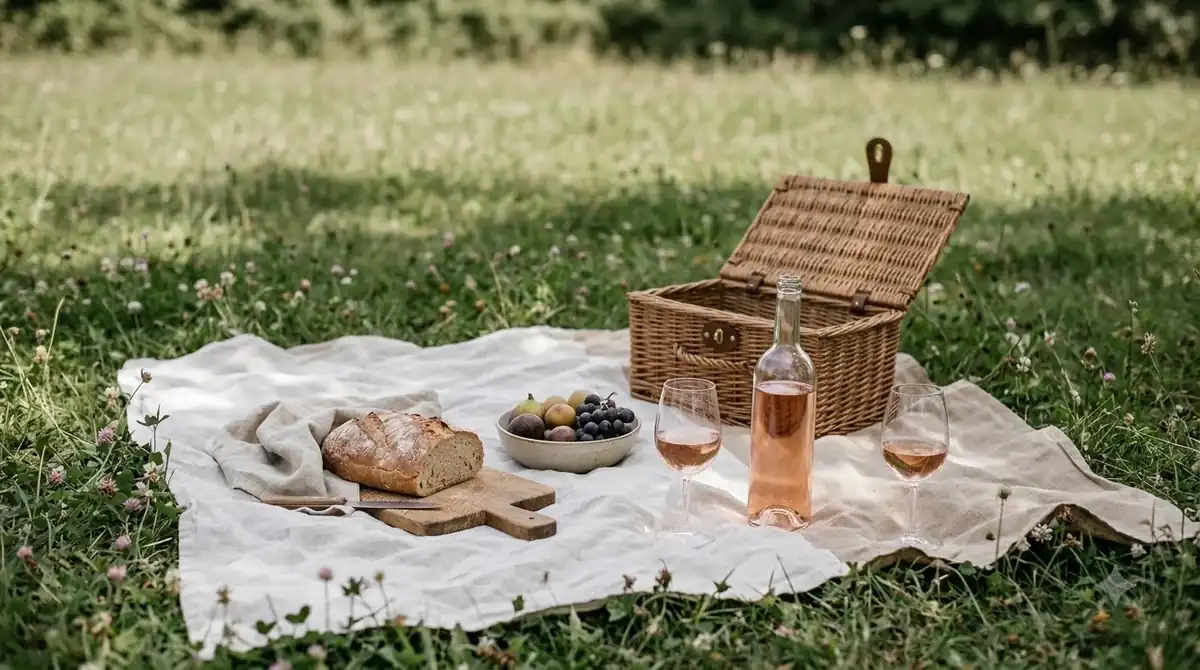
For a quick four-ingredient Zinfandel sangria, Wine Folly outlines a streamlined ratio of one 750-milliliter bottle of red wine, 1 cup of ruby red grapefruit juice, 0.25 cup of fresh lime juice, and 0.25 cup of sugar stirred together and poured over ice. Adding a quarter-cup of brandy or orange liqueur deepens the mid-palate, while letting sliced oranges and berries rest in the refrigerator for 30 minutes marries the citrus oils with the wine’s brambly fruit.
When making mulled wine on the stovetop, combine one 750-milliliter bottle of red Zinfandel with 2 to 4 tablespoons of honey or sugar, one sliced orange, two cinnamon sticks, eight whole cloves, and two star anise pods. Warm the pot over medium-high heat just until steam rises, then reduce to low and cover for 15 minutes without letting the liquid bubble, since boiling drives off alcohol and turns red wine astringent.
Tip: Never boil mulled Zinfandel—keep the pot below a simmer so the wine retains its berry aromatics and 14% to 17% ABV warmth without cooking off into bitter tannins.
Choosing the Right Zinfandel Style for Your Glass
Picking the right bottle depends on whether your recipe calls for dry red depth, crisp rosé acidity, or sweet blush fruit. Matching the wine’s residual sugar and oak level to your mixers prevents cloying drinks.
Young, unoaked or lightly oaked red Zinfandels from regions like Lodi or Paso Robles deliver bright raspberry, strawberry, and black cherry notes that shine in cold spritzes, Kalimotxos, and citrus sangrias. Reserve heavily oaked, high-ABV old-vine bottlings for whiskey floats and mulled wine, where vanilla, toast, and pepper notes integrate smoothly with bourbon and whole baking spices.
If you want a lighter, lower-alcohol refresher, reach for a pale pink bottling instead of a dense red. A chilled white zinfandel cocktail relies on the off-dry style’s strawberry and melon sweetness to balance club soda, lime, or spiced rum, much like a riesling cocktail uses aromatic orchard fruit to soften tart citrus. On the opposite end of the spectrum, an extended-maceration Zinfandel carries a glycerin-rich weight similar to a tawny port cocktail when stirred with bitters and orange peel.
Frequently Asked Questions
What spirits mix best with red Zinfandel in a cocktail?
High-rye bourbon, rye whiskey, brandy, and aged rum pair best with red Zinfandel. Their vanilla, caramel, and oak notes complement the grape’s ripe blackberry and black pepper flavors, while aged spirits soften the wine’s tannins over ice.
Should you chill red Zinfandel before making a wine cocktail?
Yes, chilling red Zinfandel in the refrigerator for 45 to 60 minutes before mixing slows ice melt and keeps highballs, sangrias, and sour floats crisp. Cold temperatures tame Zinfandel’s high 14% to 17% alcohol perception so the fruit tastes bright rather than hot.
Can you substitute White Zinfandel for red Zinfandel in cocktail recipes?
You can swap White Zinfandel into spritzes and fruit punches, though it creates a much lighter, sweeter drink with strawberry and watermelon notes instead of dark berry spice. Reduce added sugar or simple syrup by half when substituting off-dry White Zinfandel for dry red Zinfandel.
How long does batched Zinfandel sangria keep in the refrigerator?
Batched Zinfandel sangria keeps well in a covered pitcher in the refrigerator for two to three days. Add sparkling water, club soda, or fresh ice to individual glasses right before serving so the drink stays effervescent and never tastes watered down.
From a five-minute Zinfandel Kalimotxo over ice to a spiced holiday pot simmering on the stove, California’s signature red grape adapts effortlessly to home bartending. Start with a fruit-forward, moderately priced bottle, balance its ripe berry richness with fresh citrus or aged whiskey, and adjust sweetness to match the season.
More in Wine Types & Grapes
 Zinfandel Sugar Content: Dry Red vs. White Zinfandel GramsUpdated Nov 21, 2026
 Best Zinfandel Substitute Options for Sipping and CookingUpdated Nov 21, 2026
 Zweigelt Food Pairing: Best Dishes, Cheeses, and Serving TipsUpdated Nov 21, 2026
 Zinfandel Tannins Explained: How Structure Shapes Every BottleUpdated Nov 21, 2026
 Zinfandel Sweetness Level: Dry Red vs. Sweet White Zin ExplainedUpdated Nov 21, 2026
 Xinomavro Food Pairing: Best Dishes, Styles, and Serving TipsUpdated Nov 21, 2026