

We may earn a commission when you buy through links on this page, at no extra cost to you. Learn more.
A white zinfandel cocktail combines sweet, fruity White Zinfandel wine with ingredients such as strawberries, citrus juice, sparkling water, or fruit liqueur to create a refreshing, easy-drinking mixed beverage. Its light body, berry flavors, and gentle sweetness make it especially suitable for wine spritzers, sangria, frozen drinks, and simple summer coolers. You can prepare an individual serving in a few minutes or make a pitcher for a gathering, adjusting the citrus, sweetness, and bubbles to suit your preferences.
White Zinfandel offers a different starting point from dry white wines and traditional rosé. Its strawberry and raspberry character already supplies plenty of fruit flavor, while its residual sugar provides body when combined with ice or club soda. That means a good cocktail usually needs fewer sweeteners than a drink made with a dry wine. The key is choosing complementary ingredients rather than adding sweetness without considering the wine itself. The following recipes, ingredient suggestions, and preparation techniques explain how to make the most of this approachable pink wine.
What Makes White Zinfandel Suitable for Cocktails?
White Zinfandel works particularly well in cocktails because it combines fruity flavors, moderate sweetness, and a light body. Its natural strawberry and raspberry character provides an easy foundation for citrus, fresh fruit, sparkling water, and selected spirits without requiring complicated preparation.
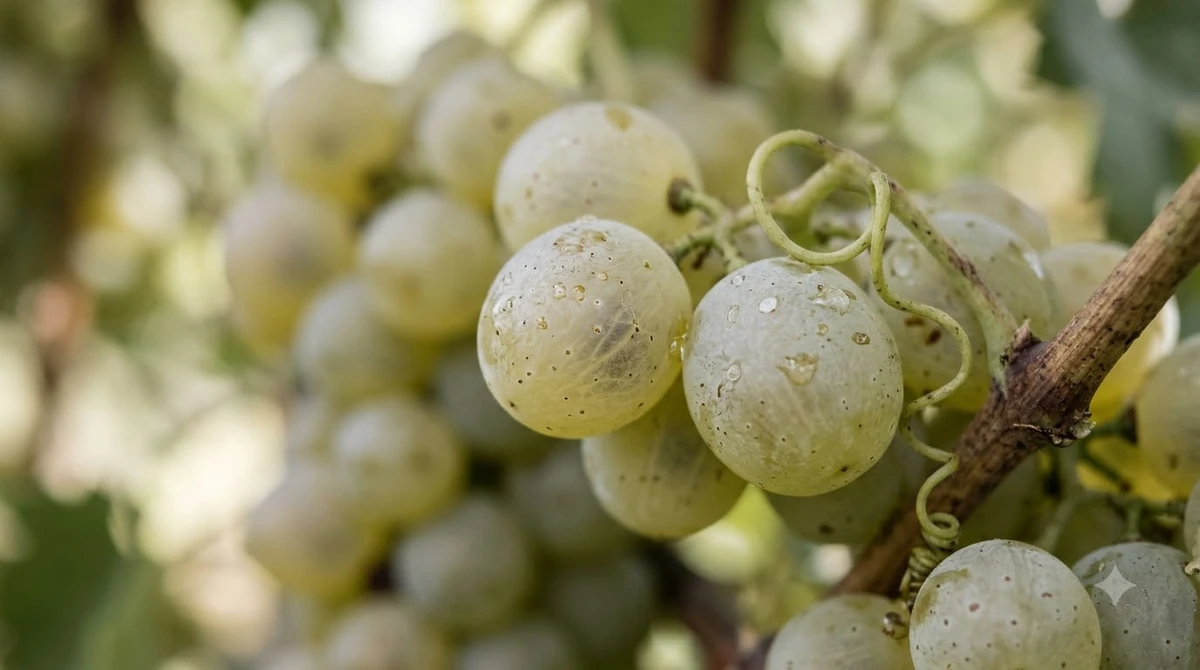
Despite its name, White Zinfandel is a pink rosé wine made from Zinfandel grapes. During production, the grape juice spends a short time in contact with the skins, extracting enough color to produce a pale pink wine rather than the deep color associated with red Zinfandel. Fermentation then continues without prolonged skin contact.
Traditional White Zinfandel is generally medium-sweet, with approximately 8-10% alcohol by volume. Its flavor profile commonly includes strawberries, raspberries, melon, citrus, and sometimes subtle spice notes. It also has relatively low acidity and very little tannin. These characteristics make it approachable in mixed drinks, particularly those featuring fresh berries and fruit-based liqueurs.
Another useful feature is its residual sugar. When you pour a dry wine over ice and add sparkling water, the resulting drink can become thin or watery. White Zinfandel generally retains more fruit character and perceived body after dilution. This makes it particularly suitable for wine coolers and spritzers.
Its sweetness also affects ingredient selection. Lime and lemon juice provide contrast, while strawberries, peaches, and raspberries reinforce the wine’s natural flavors. Club soda adds freshness without introducing additional sugar. Sweet fruit juices and flavored syrups should be used more carefully because the wine already contributes sweetness.
White Zinfandel is not the same as red Zinfandel or a typical dry rosé. Red Zinfandel generally has substantially more tannin and a fuller body, while many dry rosés have a crisper, less sweet profile. If you want to explore other combinations using the red grape, see this Zinfandel cocktail guide for additional inspiration.
Best Ingredients and Mixers for White Zinfandel
The best mixers for White Zinfandel provide freshness, balance, or complementary fruit flavors. Strawberries, lemon, lime, peach, orange, and club soda are reliable starting points, while rum and orange liqueur create more substantial cocktail variations.
Fresh strawberries are a natural choice because their flavor closely matches the wine’s berry character. You can slice them into a glass, muddle them gently, or blend them into a frozen drink. Raspberries and blackberries also work, although blackberries bring a slightly deeper flavor.
Citrus is especially useful because traditional White Zinfandel has relatively low acidity. Fresh lemon juice adds a sharper, cleaner contrast, while lime creates a brighter flavor that works particularly well with rum. Orange slices and orange juice contribute a softer citrus note. For the best balance, begin with a small quantity of juice and increase it gradually.
Club soda is one of the most versatile additions. It introduces carbonation without adding substantial sweetness, making it suitable for a simple wine spritzer. Ginger ale creates a sweeter, more aromatic alternative, while lemon-lime soda produces a familiar fruit-forward cooler. If you use a sweet soda, reduce or eliminate additional syrup.
Peach schnapps and orange liqueur can add depth to pitcher drinks. They contribute concentrated fruit aromas and a stronger alcoholic component. Light rum is another option, especially in frozen preparations. Vodka provides a more neutral spirit addition, allowing the wine and fruit to remain prominent.
| Ingredient | Suggested Starting Amount | Purpose |
|---|---|---|
| White Zinfandel | 4-5 oz | Main wine component |
| Club soda | 2-4 oz | Carbonation and dilution |
| Fresh lime juice | 1/4-1/2 oz | Bright acidity |
| Fresh lemon juice | 1/4-1/2 oz | Sharper citrus flavor |
| Strawberry slices | 2-3 berries | Fresh berry character |
| Orange liqueur | 1/4-1/2 oz | Orange aroma and sweetness |
| Light rum | 1/2-1 oz | Additional spirit character |
| Peach slices | 2-3 slices | Stone-fruit flavor |
| Simple syrup | 0-1/4 oz | Optional sweetness adjustment |
These amounts are practical starting points for one drink rather than mandatory proportions. A sweeter bottle may need more lime and less syrup, while a drier White Zinfandel may benefit from a little additional fruit or sweetener. Keep the wine as the main ingredient so the finished beverage still tastes like a wine cocktail.
Tip: Start with 1/4 ounce of fresh lime or lemon juice for a single serving. Stir, taste, and increase the citrus gradually. White Zinfandel has relatively low acidity, so citrus provides useful balance, but too much juice can overwhelm its strawberry and melon flavors.
Easy White Zinfandel Spritzer Recipe
A White Zinfandel spritzer is one of the simplest cocktails to prepare. Combine chilled wine with sparkling water, fresh fruit, and ice for a light, bubbly drink that takes approximately 5 minutes to assemble.
Ingredients for one serving:
- 4 ounces chilled White Zinfandel
- 3 ounces chilled club soda
- 2 fresh strawberries, sliced
- 1 orange slice
- 1/4 ounce fresh lime juice
- Ice cubes
- One additional strawberry or orange slice for garnish
Preparation
- Fill a large wine glass or tall tumbler with ice cubes.
- Add the sliced strawberries and orange. Press the strawberries gently with a spoon to release some of their juices without turning them into a puree.
- Pour in the chilled White Zinfandel and fresh lime juice.
- Add the club soda slowly to preserve its carbonation.
- Stir gently once or twice to combine the ingredients.
- Garnish with an additional strawberry or orange slice and serve immediately.
The proportions provide a wine-forward spritzer with noticeable carbonation and a moderate fruit presence. You can increase the club soda to 4 ounces if you prefer a lighter drink, or reduce it to 2 ounces for a stronger wine flavor. Avoid adding sugar automatically because traditional White Zinfandel already contains residual sweetness.
This preparation is also easy to customize. Replace the strawberries with raspberries for a slightly sharper berry character, or use fresh peach slices for a softer, rounder flavor. A small sprig of mint can add a refreshing aroma without changing the drink’s sweetness significantly.
For a more citrus-focused version, replace the orange slice with a lemon wheel and increase the lime juice slightly. If your wine is particularly sweet, use additional club soda rather than adding more fruit syrup. This keeps the drink refreshing while allowing the wine’s natural flavors to remain recognizable.
Serve the spritzer in a chilled wine glass, large tumbler, or stemless wine glass. A practical serving temperature is 45-50 F for this light pink wine style. Keep the glass cold, and add the sparkling water just before drinking to avoid losing carbonation.
White Zinfandel Sangria for a Group
White Zinfandel sangria is a convenient pitcher cocktail for parties because the wine combines naturally with sliced fruit, citrus, and fruit liqueurs. A 750 ml bottle makes approximately six modest servings when combined with fruit, additional ingredients, and sparkling water.
A useful starting point comes from the White Zinfandel sangria recipe published by Epicurious. Its combination of peach schnapps, orange liqueur, cinnamon, citrus, peach, and club soda demonstrates how the wine can support a more elaborate pitcher drink. The recipe serves six and uses a 750 ml bottle as its foundation. You can consult the original White Zinfandel sangria recipe for its published ingredient quantities.
Ingredients for Six Servings
- 1 bottle (750 ml) chilled White Zinfandel
- 1/2 cup peach schnapps
- 2 tablespoons orange liqueur
- 2 tablespoons sugar, optional depending on the wine
- 2 cinnamon sticks, broken in half
- 1 lemon, thinly sliced
- 1 orange, thinly sliced
- 1 peach, cut into wedges
- 10 ounces chilled club soda
- Ice cubes for serving
Preparation
- Pour the White Zinfandel into a large glass pitcher.
- Add the peach schnapps and orange liqueur, stirring to combine.
- Add the sliced lemon, orange, peach wedges, and cinnamon sticks.
- If additional sweetness is needed, stir in the sugar until dissolved.
- Cover the pitcher and refrigerate for at least 30 minutes to allow the fruit and wine flavors to combine.
- Just before serving, add the chilled club soda and stir gently.
- Fill six glasses with ice and distribute the sangria evenly, including some fruit in each serving.
The fruit should complement the wine rather than compete with it. Peach is particularly suitable because its soft sweetness works with White Zinfandel’s strawberry and melon character. Lemon and orange contribute citrus aromas, while cinnamon provides a subtle warming note.
You can also make a simpler version without peach schnapps or orange liqueur. Use additional sliced fruit and a little fresh citrus juice instead. This creates a lighter pitcher drink that keeps the wine’s flavor more prominent and reduces the influence of additional spirits.
For a tropical variation, add pineapple chunks and mango slices. For a berry-focused version, combine strawberries, raspberries, and orange. Keep the citrus component in either preparation because fruit alone may make the sangria taste excessively sweet.
Prepare the fruit and wine mixture in advance, but reserve the club soda until serving time. This preserves carbonation and prevents the pitcher from becoming flat. Refrigerate the mixture while it rests, and avoid leaving cut fruit in the wine for excessively long periods because its texture will gradually soften.
Frozen White Zinfandel Cocktails and Strawberry Drinks
Frozen White Zinfandel cocktails are ideal for warm-weather gatherings because ice and fruit turn the wine into a chilled, slushy beverage. Strawberries, citrus, and strawberry sorbet are particularly effective additions, especially when combined with a modest amount of light rum.
One established example is Sutter Home’s Strawberry Quencher, which takes inspiration from a strawberry daiquiri. Its published preparation combines White Zinfandel with light rum, strawberry sorbet, Triple Sec, fresh strawberries, and ice. The ingredients are blended together and served immediately with a strawberry garnish.
You can see Sutter Home’s Strawberry Quencher recipe for the original proportions and optional lime addition.
Simple Strawberry Frozen Cocktail
For a slightly more wine-focused version, use the following proportions for two servings:
- 8 ounces chilled White Zinfandel
- 1 cup fresh or frozen strawberries
- 1 cup ice
- 2 ounces light rum, optional
- 1/2 ounce fresh lime juice
- 1/2 cup strawberry sorbet, optional
Place the strawberries, wine, ice, and lime juice in a blender. Add the rum if you want a stronger spirit character, or include the sorbet for a thicker, sweeter consistency. Blend until smooth, stopping to scrape down the sides if necessary.
Check the consistency before pouring. If the mixture is too thick, add a small amount of White Zinfandel. If it is too thin, add more ice or frozen strawberries. Avoid adding too much liquid at once because it can quickly turn a frozen drink into a thin cooler.
Pour the mixture into two chilled glasses and garnish each with a fresh strawberry. Serve immediately while the ice remains evenly distributed.
Peach and Strawberry Frozen Variation
Peach provides an alternative to a purely strawberry-based drink. Combine 6 ounces of White Zinfandel, 1 cup frozen peach slices, 1/2 cup strawberries, 1 cup ice, and 1/4 ounce lime juice in a blender. Blend until smooth and adjust the texture with a little additional wine if needed.
This version emphasizes stone-fruit flavors while retaining the wine’s characteristic berry notes. It works particularly well with ripe peaches because their natural sweetness complements White Zinfandel without requiring much additional sugar.
Frozen cocktails should be prepared close to serving time. As the ice melts, the mixture becomes thinner and the fruit flavors become less concentrated. If you are entertaining several people, blend separate batches rather than preparing a large quantity hours ahead.
How to Balance Sweetness, Alcohol, and Acidity
The most important consideration in a White Zinfandel cocktail is balance. Because the wine is generally medium-sweet and relatively low in acidity, successful recipes use citrus, carbonation, or unsweetened fruit to prevent the finished drink from becoming overly sugary.
Start by considering the sweetness of the wine itself. Traditional White Zinfandel usually provides enough residual sugar for a simple spritzer or fruit cooler. Adding several ounces of fruit juice, flavored soda, and syrup at the same time can produce a drink that tastes more like sweet punch than a wine cocktail.
Fresh citrus is a practical solution. Lemon and lime contribute acidity, helping contrast the wine’s sweetness. Orange is less sharp, so it works better as a supporting flavor or garnish. If the wine tastes particularly sweet, use lemon or lime as the primary citrus ingredient.
Carbonation also helps create a more refreshing impression. Club soda adds bubbles without contributing substantial sugar, while tonic water introduces a distinctive bitter flavor. Ginger ale and lemon-lime soda are sweeter options that should be used in smaller proportions.
Alcohol strength deserves consideration when adding spirits. Traditional White Zinfandel typically has 8-10% ABV, but rum, vodka, peach schnapps, and orange liqueur increase the finished cocktail’s alcohol content. A drink containing several alcoholic ingredients should not be assumed to have the same strength as a glass of wine.
The following combinations provide useful starting points for adjusting a drink’s character:
- Too sweet: Add 1/4 ounce fresh lime juice or 1-2 ounces club soda to a single serving.
- Too tart: Add a small quantity of peach nectar or simple syrup and stir thoroughly.
- Too weak in flavor: Add fresh berries, orange peel, or a small amount of fruit liqueur.
- Too strong: Increase the wine or club soda proportion rather than adding more spirits.
- Too watery: Use chilled ingredients and larger ice cubes, and avoid letting the prepared drink sit for too long.
It is also helpful to distinguish between sweetness and fruitiness. A wine may smell strongly of strawberries without being particularly sweet. White Zinfandel, however, commonly has both noticeable fruit character and residual sugar. Taste the wine before deciding whether a recipe needs additional sweetener.
If you prefer a brighter, more acidic cocktail, another wine variety may suit your taste. Riesling is often a useful alternative because its acidity can balance sweetness more sharply. See the Riesling cocktail guide for ideas using a different aromatic wine style. For a richer, sweeter drink with a fortified wine foundation, the tawny port cocktail guide offers another direction.
Serving, Garnishing, and Preparing Cocktails Ahead
White Zinfandel cocktails are best served cold, with chilled wine, cold mixers, and fresh garnishes. Prepare the fruit in advance when entertaining, but add ice and carbonation close to serving time to preserve the intended texture and freshness.
For individual drinks, use a large wine glass, stemless wine glass, or tall tumbler. A spritzer benefits from a glass with enough room for ice and sparkling water, while a frozen cocktail is easier to serve in a short tumbler. Sangria can be presented in traditional wine glasses or larger stemmed glasses with room for fruit.
White Zinfandel itself is best served chilled at approximately 45-50 F. This temperature helps retain its fresh fruit character and keeps the wine refreshing without making its aromas difficult to recognize. Chill the bottle in a refrigerator before mixing rather than relying entirely on ice to cool the finished drink.
Garnishes should reflect the ingredients in the cocktail. Strawberry slices work naturally in berry spritzers, while peach wedges and orange wheels suit sangria. Lemon wheels and mint provide a fresh appearance for citrus-focused drinks. Keep garnishes simple enough that they do not overpower the wine’s aroma.
Preparing a Pitcher in Advance
For a party, prepare the wine, fruit, and non-carbonated liqueurs in a pitcher several hours before guests arrive. Cover the container and keep it refrigerated. This gives the fruit time to contribute its aromas while keeping the mixture cold.
Do not add club soda or other carbonated mixers during the initial preparation. Add them immediately before serving and stir gently. If you add ice directly to the pitcher too early, melting ice can dilute the drink before guests have a chance to enjoy it.
Another practical approach is to prepare a chilled base and let guests add their own club soda. Pour the wine and fruit mixture into a pitcher, place sparkling water in a separate chilled container, and serve both alongside glasses filled with ice. This also allows guests to choose a stronger or lighter sparkling-water proportion.
Storing Leftover Wine and Cocktails
Unmixed White Zinfandel should be refrigerated after opening and is generally best enjoyed within 3-5 days. Keep the bottle properly sealed to reduce exposure to air. Since White Zinfandel is intended primarily for youthful drinking, there is little reason to hold an opened bottle for an extended period.
Prepared cocktails containing fresh fruit are best consumed the same day. The fruit gradually loses its texture, and sparkling mixers lose carbonation after being added. Frozen mixtures should be served immediately rather than stored as finished cocktails.
If you have leftover wine but do not want to make another full cocktail, use a small quantity in a single-serving spritzer. Combine 4 ounces of chilled wine with 2-3 ounces of club soda and a fresh citrus garnish. This simple preparation uses the remaining wine without requiring additional spirits, syrup, or elaborate ingredients.
For more information about different wine styles and their characteristics, explore Wine by Type. Understanding sweetness, acidity, body, and grape varieties makes it easier to choose wines that suit different cocktail recipes.
Frequently Asked Questions
Is White Zinfandel technically a rosé wine?
Yes. White Zinfandel is a rosé made from red Zinfandel grapes. Its pale pink color comes from limited contact between grape juice and skins during production. The word white describes the wine’s style rather than the color of the grapes used to make it.
Can you use sparkling wine instead of club soda?
Yes. Dry sparkling wine can replace some or all of the club soda, creating a stronger and more wine-focused cocktail. Prosecco is one option, although its Glera grape character will introduce additional fruit aromas. Add it immediately before serving to retain the bubbles.
Does White Zinfandel contain tannins?
White Zinfandel contains very little tannin compared with red Zinfandel because its production involves limited grape-skin contact. This gives it a softer mouthfeel that works well with light fruit cocktails. It also means that the wine does not contribute the pronounced drying sensation associated with structured red wines.
Can White Zinfandel be used in a margarita?
Yes. White Zinfandel can replace part of the traditional citrus-based wine or spirit component in a pink margarita variation. Tequila, fresh lime juice, and a small amount of orange liqueur provide complementary flavors. Because the wine already contains sweetness, adjust any additional sweetener carefully.
What glassware works best for a White Zinfandel cocktail?
A wine glass is suitable for spritzers and sangria, while a tall highball glass works well for drinks containing substantial club soda. Frozen strawberry cocktails are easier to serve in short tumblers or daiquiri-style glasses. Choose a glass with enough space for the ice and garnish without crowding the drink.
A White Zinfandel cocktail is an easy way to turn a familiar fruity rosé into a refreshing mixed drink. Start with a simple strawberry spritzer, try a citrus-rich sangria for a gathering, or blend strawberries and ice for a frozen variation. With chilled wine, balanced citrus, and carefully chosen mixers, you can create a drink that preserves White Zinfandel’s distinctive berry character.
More in Wine Types & Grapes
 Zinfandel Sugar Content: Dry Red vs. White Zinfandel GramsUpdated Nov 21, 2026
 Best Zinfandel Substitute Options for Sipping and CookingUpdated Nov 21, 2026
 Zweigelt Food Pairing: Best Dishes, Cheeses, and Serving TipsUpdated Nov 21, 2026
 Zinfandel Tannins Explained: How Structure Shapes Every BottleUpdated Nov 21, 2026
 Zinfandel Sweetness Level: Dry Red vs. Sweet White Zin ExplainedUpdated Nov 21, 2026
 Xinomavro Food Pairing: Best Dishes, Styles, and Serving TipsUpdated Nov 21, 2026