

We may earn a commission when you buy through links on this page, at no extra cost to you. Learn more.
A tawny port cocktail combines the nutty, dried-fruit character of wood-aged Port with spirits, citrus, bitters, or herbal liqueurs to make a rounded drink that can be stirred, shaken, or served over ice. Tawny Port brings sweetness and texture as well as flavors such as caramel, toasted nuts, orange peel, and dried fig. It can act as a modifier in a whiskey drink or take a larger role in a sour-style cocktail. The best formula depends on the bottle’s sweetness and age, plus how much freshness or bitterness you want in the finished glass.
Tawny Port is often poured after dinner, but its barrel-aged character makes it useful behind the bar, too. Learn what to look for in the bottle, how to balance its sweetness, and which easy recipes let its flavor remain clear rather than disappear beneath the other ingredients.
Why Tawny Port Works in Cocktails
Tawny Port contributes concentrated fruit, gentle oxidative notes, and a silky sweetness, so a relatively small measure can give a cocktail depth. Its flavors often suggest dried apricot, raisin, fig, toasted almond, caramel, and baking spice; those notes connect naturally with whiskey, aged rum, amaro, and orange liqueur.
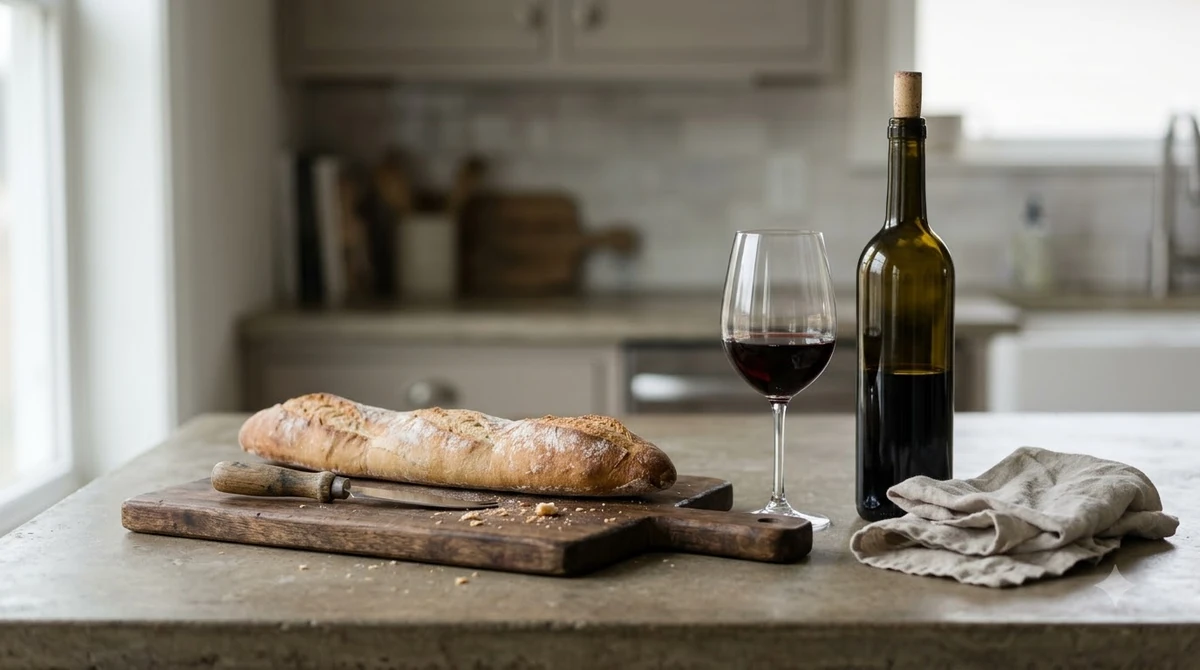
The style gets its character from maturation in wood rather than from a recipe ingredient or an added flavor. Decanter explains that tawny Port matures in smaller casks, where gradual oxidation changes the wine’s color and develops aromas; its discussion describes seasoned lodge pipes holding roughly 600 to 640 liters. As the wine moves from youthful red toward amber and tawny shades, the fruit profile becomes more mellow and layered. These qualities give the wine a flavor role similar to a sweet vermouth or a softer, fruit-forward liqueur, although Port remains a fortified wine.
That combination works with strong spirits. Tawny can soften bourbon, support the herbs in amaro, or offset lemon and lime. Liquor.com’s Beatnik combines it with Averna and bourbon; its Port New York Sour instead floats tawny over a bourbon-and-lemon sour. A short measure can change the whole drink: start with ½ to 1 ounce when Port is a modifier, then increase only if the spirit still dominates. That keeps the glass from becoming syrupy while allowing the Port’s aromas to remain recognizable.
Port is a fortified wine, not an ordinary table wine. For bottle-strength details, see the guide to tawny port alcohol content; a measured pour adds both flavor and alcohol to the finished drink.
Choosing a Tawny Port for Mixing
For most cocktails, choose a sound, approachable Tawny or Reserve Tawny before reaching for a rare bottle with an age indication. A younger style usually gives a clear mix of fruit, caramel, and wood character without making the cost or subtle detail of an older Port disappear behind citrus, whiskey, or bitters.
Age-indicated tawny styles include 10, 20, 30, and Over 40 Years. The number describes a blended style, not the exact time every wine in the bottle spent in wood. Producers can combine younger and older components to maintain a house style. A 10 Year Old is versatile in cocktails; a 20 Year Old is better suited to a simple, spirit-forward drink that preserves its nutty detail. Colheita is different: it is a single-harvest tawny aged in wood before bottling. Its individual vintage character can make a memorable Manhattan variation, but may be lost among competing flavors. Begin with Tawny or Reserve Tawny, then try an older or single-harvest bottle when the Port is meant to lead.
Consider sweetness as well as age. Taste the Port first; if it is especially rich, reduce the recipe’s syrup or add a little more citrus. If it is delicate, avoid heavy amaro or forceful bitters that could overwhelm it. A useful first comparison is to mix two half-size samples, one with the full syrup measure and one with half. Taste them side by side over ice; the difference makes it easier to adjust a full cocktail without guessing. Store the opened bottle tightly stoppered in the refrigerator. The Port and Douro Wines Institute suggests about 3 to 4 weeks for Tawny and Reserve Tawny, and 1 to 4 months for age-indicated Tawny, with younger examples toward the shorter end. These are quality guides rather than guarantees, so use the bottle’s freshness as the final test.
A ruby port cocktail emphasizes brighter red and black fruit rather than tawny’s wood-aged, nutty flavors. The styles can sometimes be substituted, but the drink will change noticeably.
Three Reliable Tawny Port Cocktail Formulas
A good starting point is to choose one of three structures: a stirred spirit-forward drink, a shaken sour, or a layered whiskey sour with a Port float. Each gives tawny Port a different job, from acting as a sweet modifier to providing the aromatic finish.
These single-drink measures adapt established structures such as the Port New York Sour recipe from Liquor.com, the Beatnik, and the Port World Cup. Use fresh citrus, cold ice, and a jigger to keep the balance consistent.
| Cocktail style | Ingredients | Method | Glass and garnish |
|---|---|---|---|
| Beatnik-style stirred drink | 1½ oz Averna; 1 oz tawny Port; 1 oz bourbon | Stir with ice until cold, then strain | Chilled cocktail glass; orange wheel |
| Port New York Sour | 2 oz bourbon; ¾ oz lemon juice; ¾ oz simple syrup; 1 oz tawny Port | Shake bourbon, lemon, and syrup; strain over fresh ice; float Port | Double rocks glass; optional lemon garnish |
| Port World Cup-style sour | 1½ oz tawny Port; ½ oz aged rum; ¼ oz Becherovka; ¾ oz lime juice; ½ oz simple syrup | Shake briefly with ice and pour over crushed ice | Rocks glass; orange peel and mint |
Stirred and spirit-forward
Combine 1½ ounces Averna, 1 ounce tawny Port, and 1 ounce bourbon in a mixing glass. Stir with ice, strain into a chilled cocktail glass, and garnish with an orange wheel. The herbal amaro gives the drink a bittersweet center, while the Port adds dried-fruit and nut notes.
Shaken and citrus-led
Shake 2 ounces bourbon with ¾ ounce fresh lemon juice and ¾ ounce simple syrup. Strain over fresh ice in a double rocks glass, then float 1 ounce tawny Port over a bar spoon. The Port adds nutty, caramel notes to the whiskey sour. Reduce syrup in the next round if the drink tastes too sweet.
Rum, spice, and lime
For a brighter drink, briefly shake 1½ ounces tawny Port, ½ ounce aged Jamaican rum, ¼ ounce Becherovka, ¾ ounce lime juice, and ½ ounce simple syrup with ice. Pour over crushed ice and garnish with orange peel and mint. A short shake chills the drink without excessive dilution.
Make one adjustment at a time: a little water can soften a strong drink, while a barspoon of citrus can sharpen a sweet one. Large additions of syrup or juice can bury the Port.
Balancing Sweetness, Citrus, and Bitterness
Tawny Port already supplies sugar, body, and mature fruit, so the central mixing task is balance. A successful drink has enough acidity or bitterness to keep the sweetness lively, but not so much that the Port tastes thin or disappears.
Begin with the base spirit. Bourbon contributes vanilla and oak; rye is drier and spicier. Aged rum echoes caramel and dried fruit, while brandy gives a softer fruit profile. For a stirred drink, test equal parts Port and spirit, then adjust to suit the bottle. Citrus balances sweetness. Lemon gives crisp acidity; lime is sharper and more aromatic. Measure fresh juice: ¾ ounce lemon and ¾ ounce syrup is a starting point, but a sweeter Port may need less syrup. Orange liqueur adds sweetness as well as citrus flavor.
Bitters add structure: 1 or 2 dashes of Angostura can bring baking spice to a Port Old Fashioned, while Averna supplies a broader herbal bitterness. Reduce extra bitters when using a strong amaro so the finish does not become harsh.
Tip: Taste the Port on its own before measuring the sweetener. If it already tastes rich and rounded, cut the recipe’s syrup by about one-quarter for the first trial, then adjust in small increments after tasting.
Temperature and dilution matter. An under-chilled cocktail can taste heavy, while a properly cold one feels cleaner. Shake citrus drinks with ice; stir spirit-forward drinks until the mixing glass feels cold. Shaking a stirred drink adds air and usually increases dilution.
Mixing Technique, Glassware, and Serving Temperature
Shake cocktails that contain juice; stir those built mainly from spirits, Port, and bitters. Use a rocks glass over ice, a coupe for a strained sour, and a mixing glass for a Manhattan-style drink.
For a shaken drink, add firm ice and shake for about 10 to 15 seconds, until the tin feels cold. Double-strain to remove ice chips or pulp. For a stirred drink, mix over ice until cold, then strain; the aim is controlled chilling and dilution.
To float Port, shake and strain the sour base, then pour the measured wine slowly over the back of a bar spoon. A thin layer adds aroma on the first sip; a gentle swirl brings the flavors together. The Instituto dos Vinhos do Douro e do Porto’s serving guidance recommends Tawny at 10 to 14 degrees Celsius, about 50 to 57 degrees Fahrenheit. Taste the bottle around this temperature before mixing; excessive warmth emphasizes alcohol, while deep chill mutes aroma. Serve cocktails cold over fresh ice or in a chilled glass.
Choose one purposeful garnish. Expressed orange peel suits caramel and dried citrus notes, a lemon coin fits a sour, and mint lifts a rum-and-lime drink. Avoid piling several strong aromas into one glass. Large, clear ice melts more slowly than small cubes and helps keep a drink consistent as it is sipped. If you are using ordinary freezer ice, fill the glass generously so the drink chills quickly rather than sitting in a small amount of melting ice. For a cocktail served straight up, chill the glass before mixing. A coupe kept in the refrigerator or filled briefly with ice water helps the strained drink stay cold. This small step is especially helpful for a spirit-forward recipe, where there is no fresh ice in the serving glass to maintain temperature. For a wider view of fortified, still, and sparkling styles, the site’s Wine by Type overview can help place Port in the larger wine category.
Food Pairings and When to Serve the Drink
Tawny cocktails pair well with savory snacks, aged cheeses, and desserts featuring nuts or caramel. Match intensity: a whiskey-and-Port nightcap suits rich flavors, while a citrus sour fits lighter snacks.
The Port and Douro Wines Institute suggests pâté, strong cheeses, dried fruit, and walnuts with Tawny Port, including chilled 10-year-old Tawny with some of these foods. It pairs 10- and 20-year-old styles with traditional Portuguese egg-yolk desserts, and younger tawnies with fruit salad, caramel custard, almond tart, vanilla ice cream, or dried fruit. Try an orange-garnished stirred drink with roasted almonds or aged cheddar, and a lemon sour with a nut tart. With dessert, the drink should generally be at least as sweet as the food or it may seem austere. A syrup-rich cocktail can suit dark chocolate or a less sweet nut dessert; a drier citrus version works before a meal or with salty snacks. Acidic food, such as citrus tart, needs a cocktail with equal or higher acidity.
Salt and fat soften tannin, helping explain the classic aged-cheese pairing. Avoid a strong tawny cocktail with very spicy food because alcohol and tannin can amplify chili heat. For a gathering, batch the sour base and shake to order; make a stirred nightcap one at a time. A blue cheese or aged cheddar can be a better match than a very mild fresh cheese because its salt and savory intensity can meet the Port’s concentrated flavor. Keep portions small when the cocktail is rich. Count both the Port and the spirit when planning servings; a cocktail is not equivalent to a glass of still wine. For wine-specific nutrition details, see calories in tawny port; the cocktail total also depends on spirit, syrup, juice, and size.
Frequently Asked Questions
These distinctions help when choosing a bottle or adapting a recipe, because Port styles are not interchangeable.
Is Colheita the same as a 10-year-old Tawny?
No. Colheita comes from a single harvest and must age at least seven years in wood before bottling. A 10-year-old Tawny is generally a blend assembled to show the style associated with its age indication.
Why is chilled tawny Port sometimes called “mouthwash”?
Decanter describes “mouthwash” as an old, joking euphemism for a glass of chilled tawny Port served after dinner at a Port shipper’s table. It refers to the refreshing role of the final pour after vintage Port, not to a literal mouth rinse.
Can I use a bottle labeled Fine Tawny in a cocktail?
Yes. A basic Fine Tawny works in drinks where fruit and sweetness matter more than the nuance of a long-aged blend. Try it in a sour or simple whiskey mix before opening a more distinctive bottle.
Why can an older Tawny have a pale or greenish rim?
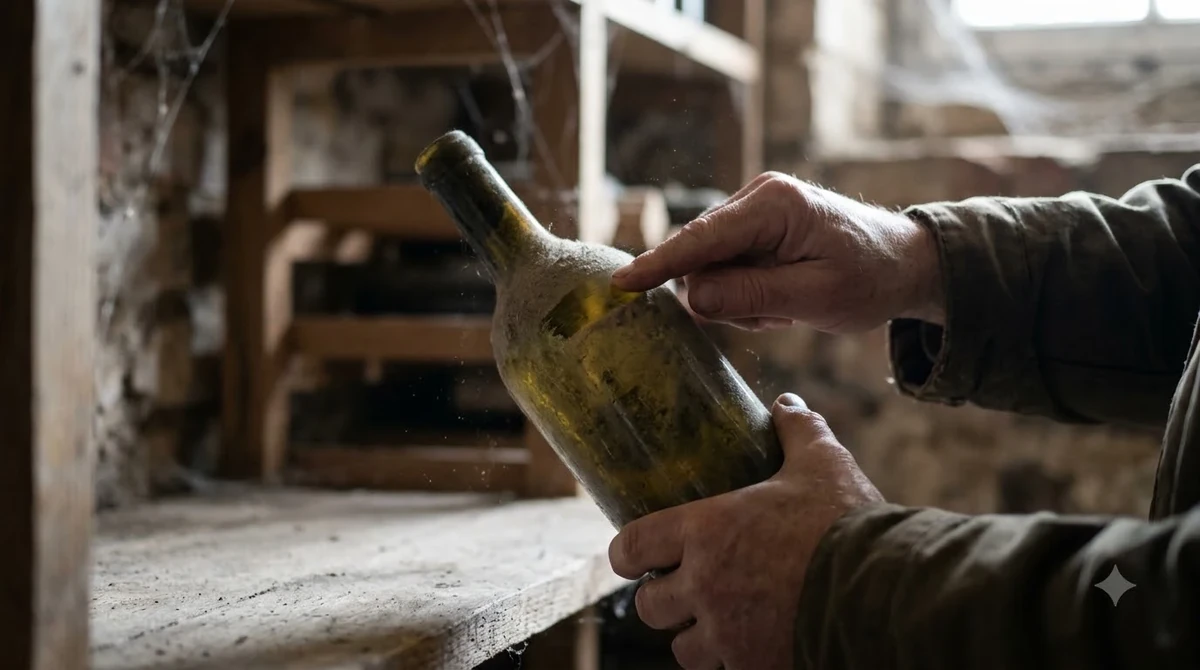
Long wood maturation can produce amber, orange, tawny, and sometimes olive-green tones at the rim. Decanter notes this variation in older styles, so a greenish edge alone does not indicate a fault.
Does tawny Port need decanting before mixing?
Usually not. Tawny and Colheita Ports are generally bottled without the sediment that calls for careful decanting in some vintage Ports. Pour directly from the bottle, or use a clear decanter only for presentation.
A tawny Port cocktail is most successful when the recipe leaves room for the wine’s mellow fruit, toasted-nut character, and measured sweetness. Start with a simple stirred drink or a balanced sour, make small adjustments, and save a particularly complex bottle for a recipe that lets its individual character stand out.
More in Wine Types & Grapes
 Zinfandel Sugar Content: Dry Red vs. White Zinfandel GramsUpdated Nov 21, 2026
 Best Zinfandel Substitute Options for Sipping and CookingUpdated Nov 21, 2026
 Zweigelt Food Pairing: Best Dishes, Cheeses, and Serving TipsUpdated Nov 21, 2026
 Zinfandel Tannins Explained: How Structure Shapes Every BottleUpdated Nov 21, 2026
 Zinfandel Sweetness Level: Dry Red vs. Sweet White Zin ExplainedUpdated Nov 21, 2026
 Xinomavro Food Pairing: Best Dishes, Styles, and Serving TipsUpdated Nov 21, 2026