

We may earn a commission when you buy through links on this page, at no extra cost to you. Learn more.
What is tawny port? It is a red port style from Portugal’s Douro region, aged for years in wooden barrels until it turns golden-brown and nutty. Tawny is usually sweet or medium-dry, and it is most often served as a dessert wine, although it can also go with cheese, nuts, and some main courses. Its color and flavor come from slow oxidation in barrel, not from a short time in the bottle.
Tawny port is one of the most approachable styles in the port family. Its pale, amber color often surprises people who expect a dark red, and its flavors of dried fruit, caramel, and toasted nuts make it easy to enjoy after a meal. This guide explains how tawny is made and aged, what the age labels mean, how to serve it, and what to pair it with.
What Tawny Port Is
Port is a fortified wine, and tawny is one of its main styles. Wikipedia describes tawny as usually made from red grapes, sweet or medium-dry in style, and typically served as a dessert wine. Some bottles are served with a main course, but the wine is most at home at the end of a meal.
The name describes the color that develops during aging. As tawny sits in wood, it loses its red tint and takes on the golden, brown tones that give the style its name. The flavors change at the same time, moving from fresh berry fruit toward nuts, caramel, and dried figs.
Tawny is not the same as ruby port. Ruby is usually aged for a shorter time and kept fresh and fruity, while tawny is aged longer and softened by air. Both come from Douro grapes and both are fortified, but the way they are aged gives them very different personalities.
Where Tawny Port Comes From
Tawny port must be grown and processed in the Douro region in northern Portugal, one of the oldest demarcated wine regions in the world. According to Wikipedia, the Douro was established as a protected region in 1756, and the wine is aged in lodges such as those in Vila Nova de Gaia, across the river from the city of Porto.
Under EU rules, only Portuguese wines may be labeled port, so the name on the bottle tells you where it was made. The wine is fortified with a neutral grape spirit that stops fermentation, leaving residual sugar and raising the alcohol. Wikipedia gives a typical range of 19% to 22% ABV for port in general.
How Tawny Port Is Aged
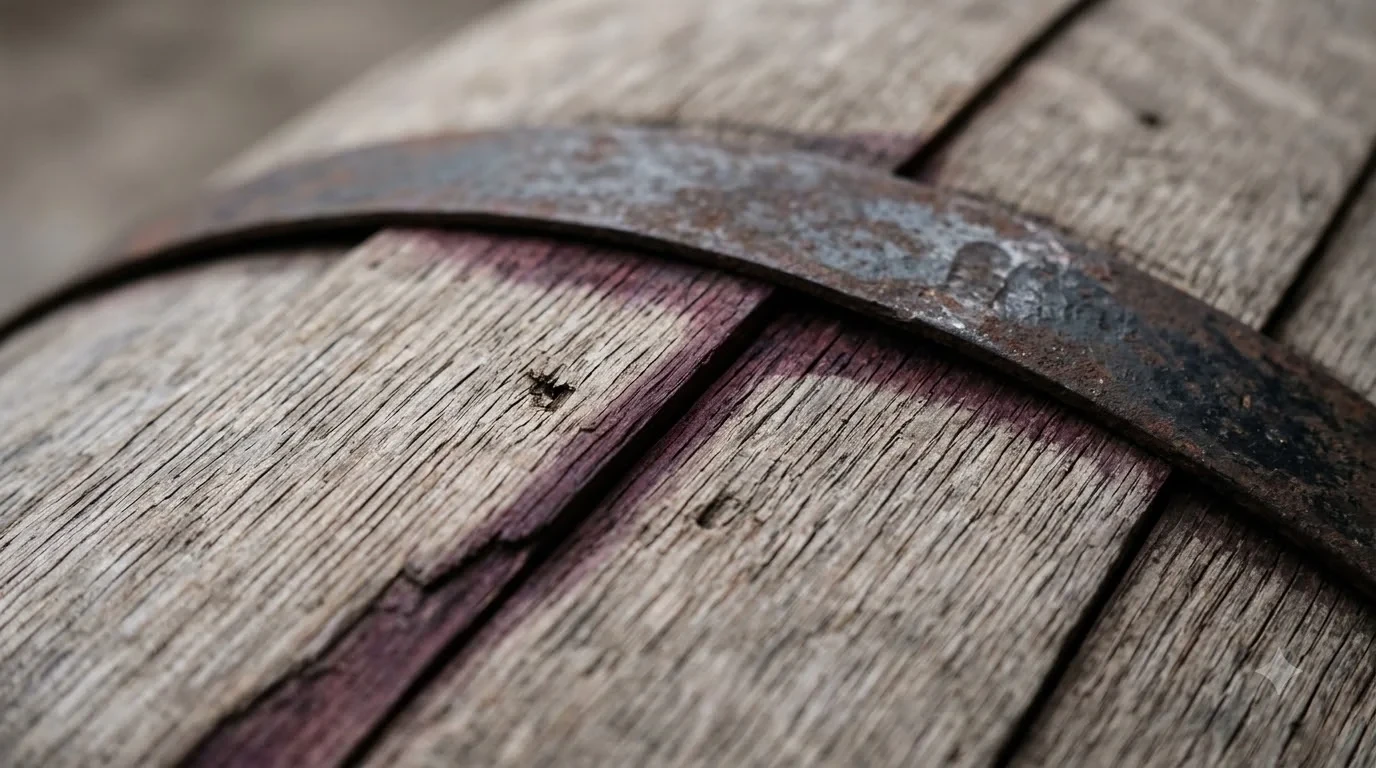
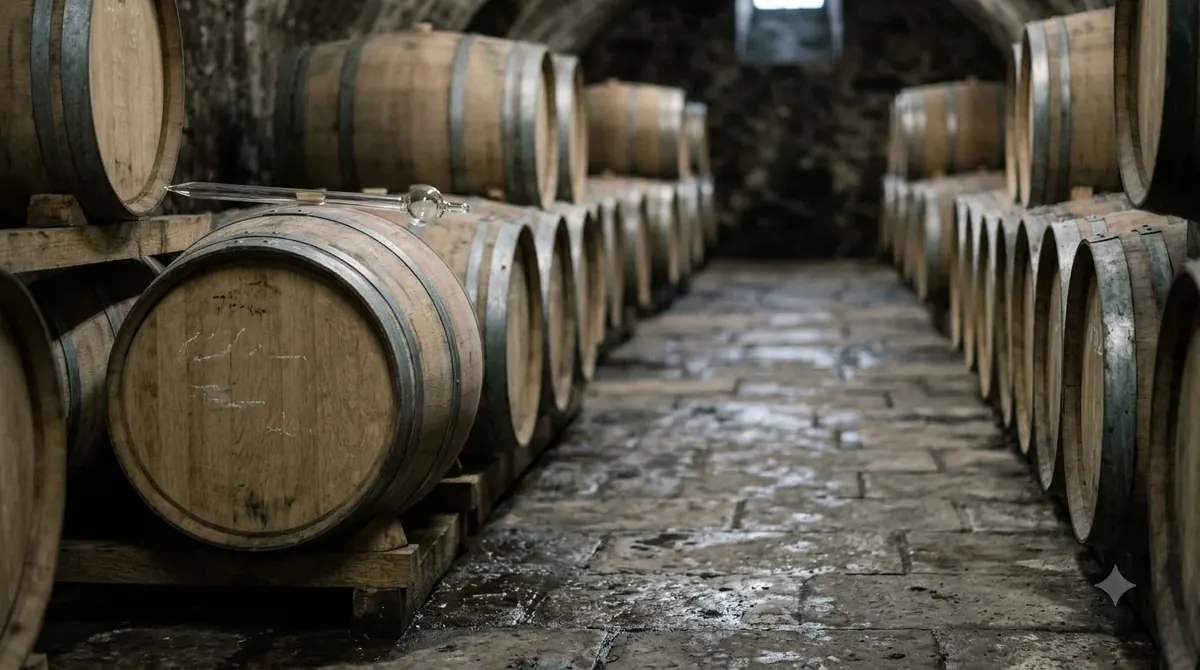
Tawny is aged in wooden barrels, which let a slow amount of oxygen in. Over time the wine oxidizes gently, losing its red color and gaining nutty, caramel, and dried-fruit notes. The barrels also allow some of the wine to evaporate, which is known as the angel’s share. That loss concentrates the wine, and older bottlings tend to taste thicker and more syrupy.
Producers blend tawnies from different years to match a house style. The blending is part of the craft, and it means that a tawny from the same producer can taste consistent year after year. The result is a wine that depends on the skill of the blender as much as on the vintage.
| Label | What it means |
|---|---|
| Basic tawny (no age) | Usually a blend of around three to seven years in wood |
| Reserve tawny | A richer blend, aged about seven years |
| Tawny with age statement | A blend that averages a stated age, such as 10, 20, 30, 40, or 50 years |
| Colheita | A single-vintage tawny, aged at least seven years, with the harvest year on the label |
What the Age Labels Mean
The age label tells you the style, not an exact age for every drop. A 10-year tawny is a blend that averages around 10 years in wood, with some younger and some older wine in the mix. A 20-year tawny will be more concentrated and nuttier, while a 40-year tawny is rare, deep, and usually sipped in small glasses.
A colheita is different. It comes from one harvest, and the year on the label is the vintage rather than an age target. Some colheitas spend more than 20 years in barrel, and they often show the fullest sense of a single year. If you are new to tawny, a 10-year bottle is a useful place to start, since it balances freshness and depth.
How to Serve Tawny Port
Serve tawny slightly cool. Wikipedia gives a serving range of 15 to 20 degrees Celsius (59 to 68 degrees Fahrenheit), with tawny often served at the cooler end. A short chill in the refrigerator before pouring helps bring out its fresh acidity without muting the nutty flavors.
Tawny has already been oxidized in barrel, so it handles air better than most wine. Once opened, it can last for several months if it is kept sealed in a cool, dark place. That makes tawny a practical choice for a bottle you will enjoy over a few weeks rather than in one evening.
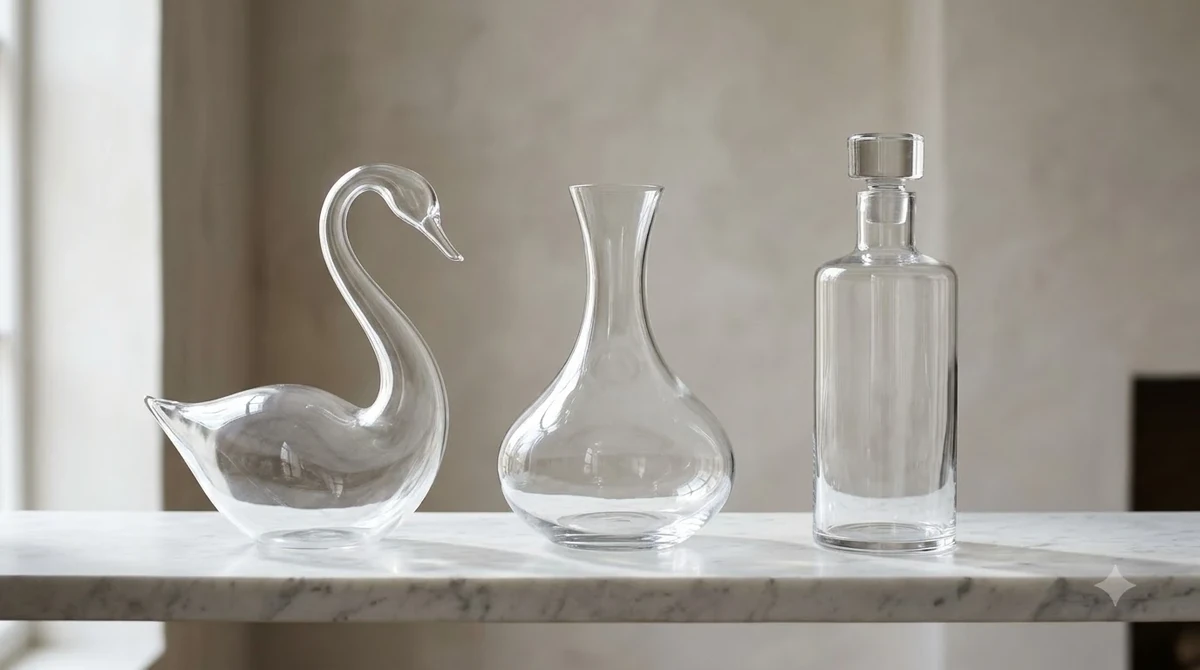
Tip: Use a small, tulip-shaped glass. It concentrates the aromas of nuts and caramel and keeps the pour modest, since a little tawny goes a long way.
What to Eat with Tawny Port
Tawny pairs well with desserts that have nuts, caramel, or dried fruit. Crème brûlée, pecan pie, and almond tarts all match its flavors. The wine’s sweetness also suits salty foods, so a plate of aged cheese, such as a sharp cheddar or a nutty Manchego, is a classic combination.
Because tawny is sweet and nutty, it also suits a simple dessert course at home. Serve it with a vanilla custard, a slice of plain cake, or fresh figs, and let the wine echo the flavors already on the plate. Keep the portion small, since the richness builds quickly over a long dinner.
For a savory match, try tawny with roasted nuts, dried fruit, or a simple cheese board. Some people also enjoy it with a light dessert after a meal, like poached pears or a plain biscuit. Avoid pairing it with very sweet chocolate, which can overwhelm the wine’s subtle flavors.
How to Choose a Tawny Port
Price is a poor guide on its own, because a well-made young tawny can be a better buy than an older bottle from a weaker blend. Instead, look for the producer’s name, the age statement, and a short tasting note that describes the nuts, caramel, and finish. Those details usually tell you more than the number of years alone.
For a first bottle, look for a 10-year tawny. It is widely available and has enough depth to show the style. If you want something richer, a 20-year bottle is a step up, with more concentration and a longer finish. A colheita is a good choice when you want to taste a single vintage, and it is often the most interesting bottle on the shelf.
Read the label carefully to see whether the wine is a blend with an age statement or a single-vintage colheita. Check the producer’s name too, since the house style matters a lot in tawny. For a broader overview of fortified and dessert wines, the Wine by Type guide places tawny alongside other styles, and the Brunello di Montalcino grape guide shows how a very different red is built.
Frequently Asked Questions
Is tawny port sweet?
Tawny is usually sweet or medium-dry. The sweetness comes from residual sugar left after fortification, and the aging softens it into a nutty, rounded flavor.
What is the difference between tawny and ruby port?
Ruby port is aged for a shorter time and stays red and fruity. Tawny is aged longer in wood, which turns it golden-brown and adds nutty, caramel notes.
Does tawny port need to be refrigerated after opening?
It does not need to be, but a cool, dark spot helps it last. Because tawny has already been oxidized in barrel, it keeps much better than a standard red once opened.
Can tawny port be served with dinner?
Yes, some bottles are served with main courses, particularly lighter dishes or cheese. Most people enjoy it most at the end of a meal with dessert or cheese.
Tawny port is a rewarding style once you understand how barrel aging shapes its color and flavor. Start with a 10-year bottle, serve it slightly cool, and pair it with nuts, cheese, or a simple dessert. For a source on the style itself, the Wikipedia entry on tawny port gives an overview of how the wine is made and labeled.
More in Wine Types & Grapes
 Zinfandel Sugar Content: Dry Red vs. White Zinfandel GramsUpdated Nov 21, 2026
 Best Zinfandel Substitute Options for Sipping and CookingUpdated Nov 21, 2026
 Zweigelt Food Pairing: Best Dishes, Cheeses, and Serving TipsUpdated Nov 21, 2026
 Zinfandel Tannins Explained: How Structure Shapes Every BottleUpdated Nov 21, 2026
 Zinfandel Sweetness Level: Dry Red vs. Sweet White Zin ExplainedUpdated Nov 21, 2026
 Xinomavro Food Pairing: Best Dishes, Styles, and Serving TipsUpdated Nov 21, 2026