

We may earn a commission when you buy through links on this page, at no extra cost to you. Learn more.
The closest white zinfandel substitute is Pink Moscato or Moscato d’Asti, both of which mirror its low alcohol, gentle sweetness, and bright berry-and-peach fruit notes. If you want a pink wine with a bit more crispness, off-dry Rosé d’Anjou or off-dry German Riesling offer the same light body and easy-drinking appeal without heavy tannins or oak. Classic White Zinfandel sits around 8 to 10 percent ABV with noticeable residual sugar, so matching that low-alcohol, fruit-forward balance is the key to finding a satisfying swap.
Whether your local shop is out of your go-to blush bottle, you are mixing up a batch of party punch, or you simply want to branch out into new styles with a similar palate, plenty of wines deliver the same chilled, juicy refreshment. Understanding what gives White Zinfandel its signature taste makes choosing the right replacement simple.
What Makes White Zinfandel Unique
White Zinfandel is not made from a white grape at all; it is an off-dry to sweet rosé produced from red Zinfandel grapes through brief skin contact and an arrested fermentation. That specific winemaking method gives the wine its pale pink hue, soft texture, and approachable sweetness.
Because the red grape skins are separated from the juice after only a short maceration, the resulting wine has virtually no astringent tannins. Winemakers then chill the fermenting juice early before the yeast converts all the natural grape sugars into alcohol. That halted fermentation leaves behind pleasant residual sugar alongside a modest alcohol level, typically between 8 and 10 percent ABV.
In the glass, traditional White Zinfandel bursts with fresh strawberry, raspberry, watermelon, and sweet citrus flavors, accented by soft acidity that keeps it smooth rather than tart. As VinePair notes in its look at modern White Zinfandel, a newer wave of California producers has also begun crafting drier, crisper pink expressions from early-picked Zinfandel fruit, proving the grape can swing from sweet patio sipper to lively food wine depending on when fermentation stops.
Top Substitutes for White Zinfandel
The best replacements for White Zinfandel share three core traits: light body, lower alcohol, and noticeable fruit sweetness balanced by gentle acidity. Depending on whether you care more about the pink color, the floral aroma, or the crisp finish, several distinct bottles fit the bill.
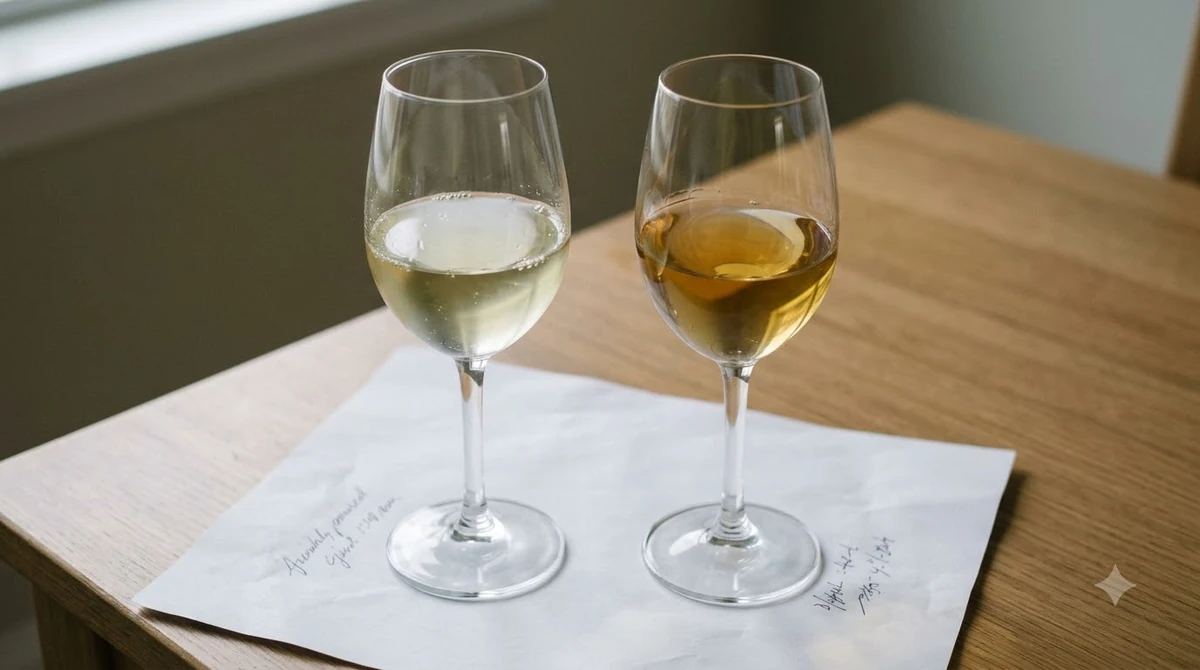
Pink Moscato and Moscato d’Asti are the most smooth everyday swaps. Moscato d’Asti, made in northern Italy from Moscato Bianco grapes, carries a delicate frizzante spritz, ripe peach and orange blossom aromas, and roughly 5.5 percent ABV, according to Wine Folly’s guide to Moscato d’Asti. Pink Moscato blends standard Moscato with a splash of red wine such as Merlot or Syrah to add a blush tint and fresh strawberry notes, bringing the flavor profile even closer to classic White Zinfandel.
Rosé d’Anjou from France’s Loire Valley is an ideal choice if you want a true pink wine with slightly more finesse. Blended primarily from Grolleau grapes, it pours a vibrant salmon-pink and delivers crushed red berries, watermelon, and subtle floral hints with a soft, off-dry finish. It carries slightly higher alcohol than standard White Zinfandel—often around 10.5 to 11.5 percent ABV—and a touch more brisk acidity, making it feel refreshing rather than syrupy.
Off-Dry German Riesling (Kabinett or Spätlese) and Demi-Sec Vouvray work wonderfully if you do not mind trading pink color for a pale gold pour. Kabinett and Spätlese Rieslings typically sit around 8 to 8.5 percent ABV and pair juicy apricot, green apple, and white peach flavors with racy natural acidity. Similarly, Demi-Sec Vouvray—made from Chenin Blanc in the Loire Valley—offers honeyed pear and apple fruit with a plush, off-dry mid-palate that appeals to fans of smooth, fruity wines. For a deeper look at how these grapes compare across the broader spectrum of Wine by Type, exploring acidity and residual sugar levels side by side makes label reading far easier.
Side-by-Side Comparison of White Zinfandel Alternatives
Comparing alcohol levels, sweetness, and core fruit notes side by side helps you pick the exact bottle that matches your occasion. Use the breakdown below to narrow down your options before heading to the wine aisle.
| Wine Style | Color | Typical ABV | Sweetness Level | Key Flavor Notes |
|---|---|---|---|---|
| Classic White Zinfandel | Blush pink | 8%–10% | Medium-sweet | Strawberry, watermelon, raspberry, citrus |
| Pink Moscato | Blush pink | 6%–9% | Sweet | Peach, strawberry, orange blossom, cotton candy |
| Moscato d’Asti | Pale straw | 4.5%–6.5% | Sweet (lightly fizzy) | Apricot, white peach, honeysuckle, lemon |
| Rosé d’Anjou | Salmon pink | 10.5%–11.5% | Off-dry to medium-sweet | Red currant, strawberry, melon, rose petal |
| Kabinett / Spätlese Riesling | Pale gold | 8%–8.5% | Off-dry to medium-sweet | White peach, green apple, lime, apricot |
| Demi-Sec Vouvray | Pale gold | 10%–11.5% | Medium-sweet | Baked apple, pear, honey, chamomile |
Notice how closely the alcohol numbers align across the top three options. Lower ABV is almost always a reliable visual clue on a wine label that fermentation was stopped early, leaving natural grape sugar in the bottle. If you pick up a rosé bottle labeled at 13 or 13.5 percent ABV, the yeast fermented nearly all the sugar into alcohol, meaning the wine will taste bone-dry rather than sweet.
Color also plays a psychological role when serving guests. When hosting a brunch or outdoor gathering where people expect a rosy glass, Pink Moscato, Rosé d’Anjou, or a sweet White Merlot will satisfy both the eye and the palate. When pairing with dinner, however, switching to an off-dry Riesling or Vouvray brings extra brightness that stands up well to savory dishes.
How to Choose the Right Substitute for Your Needs
Not every white zinfandel substitute works equally well in every glass, so matching the bottle to your specific situation saves guesswork. Consider whether you are pouring chilled glasses on a warm afternoon, pairing with spicy takeout, or mixing a large-batch cocktail.
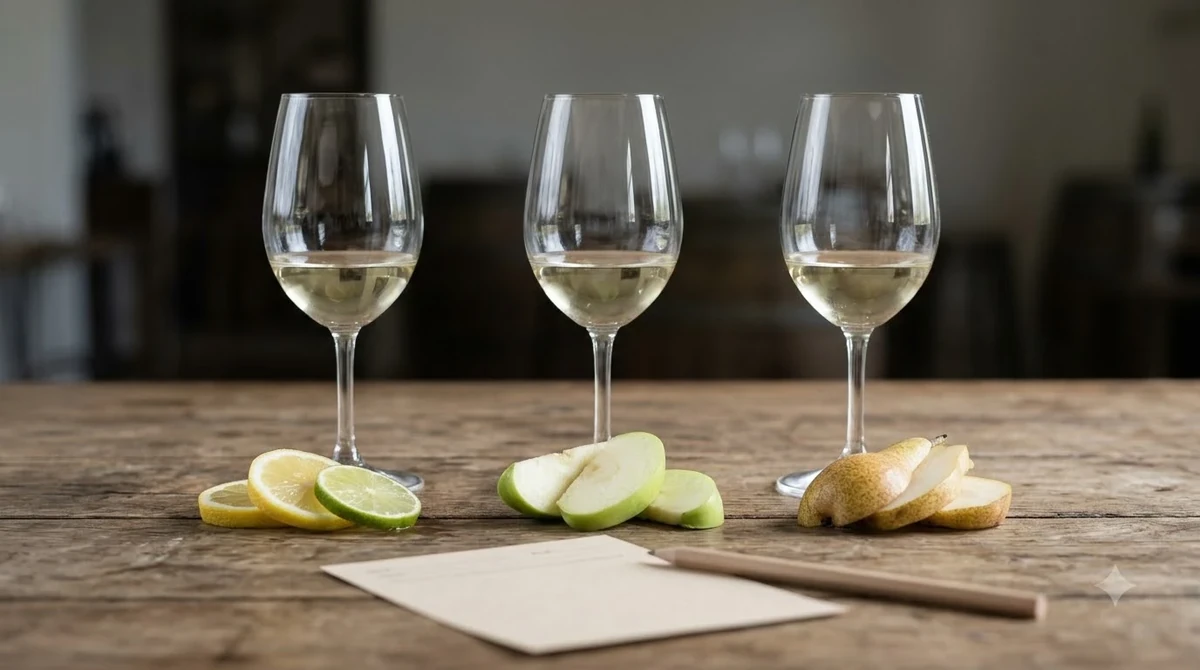
For casual sipping and brunch: Reach for Moscato d’Asti or Pink Moscato. Their gentle effervescence and low alcohol make them effortless daytime pours that pair naturally with fresh fruit platters, pastries, and soft cheeses. Serve them well chilled straight from the refrigerator so the bubbles stay lively and the sweetness feels crisp.
For spicy food and weeknight dinners: Choose off-dry German Riesling or Rosé d’Anjou. Dishes seasoned with chili heat, ginger, or sweet-and-sour glazes—such as Thai curries, Sichuan noodles, or glazed pork chops—can make dry, high-tannin reds taste bitter and harsh. A touch of residual sugar cools down capsaicin heat on the palate while bright acidity keeps each bite feeling clean.
For pitchers and party punches: If you are mixing up a batch of white zinfandel sangria, Rosé d’Anjou or a budget-friendly Pink Moscato works best. Both bring built-in berry and stone-fruit sweetness so you do not need to add heavy simple syrups, while still leaving room for sliced peaches, strawberries, and a splash of club soda.
Tip: When shopping for an unfamiliar rosé or white wine, check the back label for the ABV percentage—bottles between 6 percent and 10.5 percent ABV are reliably off-dry to sweet, while bottles at 12.5 percent ABV or higher will almost always taste dry.
What to Avoid When Replacing White Zinfandel
Knowing which bottles to skip is just as helpful as knowing what to buy, especially because many pink and white wines look identical on the shelf. A few common lookalikes deliver the exact opposite flavor profile of White Zinfandel.
Provence Rosé and Dry Spanish Rosado: Pale, salmon-colored rosés from southern France or Spain are wildly popular, but they are fermented completely dry. Instead of sweet strawberry and melon, they emphasize tart grapefruit, crushed herbs, and wet stone minerality, which can taste unexpectedly sharp if you are expecting White Zinfandel.
Traditional Red Zinfandel: Despite sharing the exact same grape variety, red Zinfandel is worlds apart from its blush counterpart. Fermented fully on its dark skins, red Zinfandel is a full-bodied, high-alcohol red wine packed with blackberry jam, black pepper, and firm tannins—making a zinfandel substitute search an entirely different mission focused on bold reds like Primitivo or Shiraz.
Dry Sherry and Brut Sparkling Wines: Crisp fortified wines—like those you might consider when hunting for a fino sherry substitute—or bone-dry Brut Champagne lack the juicy fruit sweetness that defines White Zinfandel. If you want bubbles, make sure the bottle specifies Asti, Moscato d’Asti, or Demi-Sec rather than Brut or Extra Brut.
Serving and Storage Tips for Sweet Blush Alternatives
Temperature control makes a dramatic difference in how sweet and off-dry wines taste in the glass. Serving these bottles at the right chill keeps their fruit flavors vibrant and prevents the residual sugar from feeling heavy.
Aim to serve Pink Moscato, Rosé d’Anjou, and off-dry Riesling between 43°F and 50°F (6°C to 10°C). Two hours in a standard kitchen refrigerator or 20 minutes in an ice-and-water bath will bring a room-temperature bottle right into that sweet spot. If the wine is served too warm, the alcohol and sugar become overly pronounced; if it is ice-cold straight from a freezer, the delicate floral and berry aromas get muted.
Because these wines rely on fresh, primary fruit aromas rather than oak aging, they are meant to be enjoyed young—ideally within one to two years of the vintage date printed on the label. Once opened, re-cork the bottle tightly and store it in the refrigerator, where most off-dry and sweet wines stay fresh for three to five days thanks to their natural sugar acting as a mild preservative.
Frequently Asked Questions
Is Pink Moscato sweeter than White Zinfandel?
Yes, Pink Moscato is generally slightly sweeter and more floral than classic White Zinfandel, often featuring lower alcohol around 6 to 8 percent ABV. Both wines share ripe strawberry and peach flavors, making Pink Moscato the closest flavor match if you enjoy sweeter blush wines.
What is the best dry alternative to White Zinfandel?
If you like the light pink color and berry notes of White Zinfandel but want less sugar, try a California Pinot Noir rosé or a dry Grenache rosé. Both deliver fresh strawberry and watermelon aromas with a crisp, clean finish and no lingering sweetness.
Is White Merlot similar to White Zinfandel?
White Merlot is very similar to White Zinfandel in style, sweetness, and winemaking method. Made from red Merlot grapes with brief skin contact and stopped fermentation, it offers soft cherry, raspberry, and melon flavors at a low ABV, though it can be slightly harder to find in smaller wine shops.
Can I substitute Rosé d’Anjou for White Zinfandel in recipes?
Yes, Rosé d’Anjou works smoothly in sangria, wine spritzers, and fruit-based dessert sauces. It provides the same blush color and gentle berry sweetness as White Zinfandel while adding a touch of crisp acidity that keeps mixed drinks balanced.
Finding the right bottle comes down to matching the low alcohol, bright red-berry fruit, and gentle sweetness that made White Zinfandel an enduring favorite. Whether you reach for a lightly fizzy Moscato d’Asti, a classic French Rosé d’Anjou, or a crisp off-dry Riesling, each option brings effortless, chilled refreshment to the table.
More in Wine Types & Grapes
 Zinfandel Sugar Content: Dry Red vs. White Zinfandel GramsUpdated Nov 21, 2026
 Best Zinfandel Substitute Options for Sipping and CookingUpdated Nov 21, 2026
 Zweigelt Food Pairing: Best Dishes, Cheeses, and Serving TipsUpdated Nov 21, 2026
 Zinfandel Tannins Explained: How Structure Shapes Every BottleUpdated Nov 21, 2026
 Zinfandel Sweetness Level: Dry Red vs. Sweet White Zin ExplainedUpdated Nov 21, 2026
 Xinomavro Food Pairing: Best Dishes, Styles, and Serving TipsUpdated Nov 21, 2026