

We may earn a commission when you buy through links on this page, at no extra cost to you. Learn more.
The wolf blass yellow label review points to a flexible, fruit-forward South Australian range, not a single wine: Cabernet Sauvignon, Shiraz, Merlot, Pinot Noir, Chardonnay, Sauvignon Blanc, and Moscato each serve a different purpose. The Cabernet Sauvignon is the label’s structured, dark-fruited option, while the whites and Moscato suit lighter menus or a sweeter pour. The practical buying decision is to choose by grape, vintage, and alcohol level rather than relying on the yellow label alone.
Wolf Blass Yellow Label is designed around familiar grape varieties and approachable flavors, making it a useful range to compare for everyday meals and casual gatherings. This guide looks at the differences between the bottles, what their tasting profiles suggest, and how to choose a style that suits the food and occasion. For a closer look at the individual bottlings, start with the wolf blass yellow label range.
Who This Is For
Yellow Label is a good place to start for shoppers who want recognizable grape varieties, ripe fruit character, and a choice of red or white wine without having to learn an unfamiliar regional classification. It is a range rather than a single blend, so the Cabernet Sauvignon, Shiraz, Sauvignon Blanc, and Moscato should not be expected to taste alike.
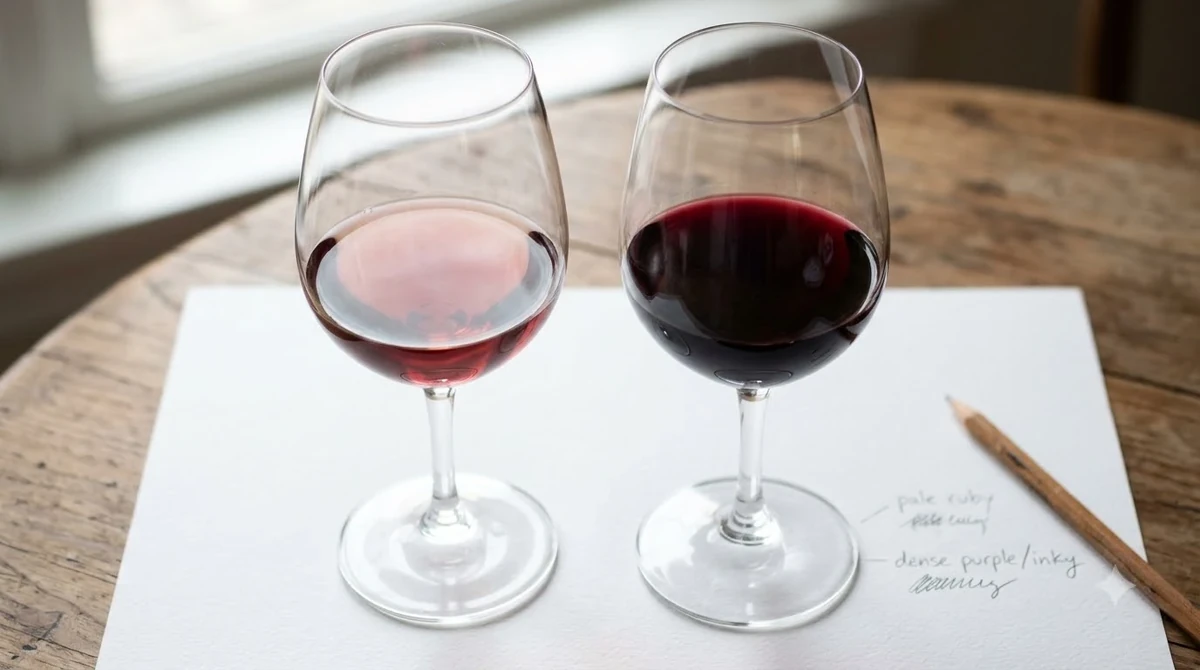
The range suits people who want an accessible bottle for a familiar meal. Cabernet Sauvignon is the natural starting point for someone who enjoys blackcurrant, plum, and a structured red-wine finish. Wolf Blass describes its current Cabernet as having dark fruit, integrated oak, and leafy varietal notes. Its 14.5% alcohol level also makes it a relatively full-strength choice, so it will feel more substantial than the 12% Sauvignon Blanc or 7% Moscato in the same range.
There is independent support for the Cabernet’s fruit-forward appeal, although reviews of individual vintages should not be treated as a promise about every release. Sean Mitchell’s review of the 2021 bottling describes concentrated blackcurrant fruit and tannins that are firm but giving. He also considered that vintage ready to drink rather than a wine that needed years of waiting. Read his independent review of the 2021 Yellow Label Cabernet for a separate vintage perspective.
Yellow Label is less suitable for someone specifically looking for a highly distinctive single-vineyard wine, an unusually delicate red, or a bottle selected for extended cellar development. The range is built around approachable varietal character and broad food use. Shoppers who like the producer’s general style can also explore the wider Wolf Blass wine selection, where other ranges offer different positioning and regional emphasis.
Key Factors to Compare
The most useful comparisons are grape variety, alcohol level, flavor profile, and intended food pairing. These factors make a bigger difference to the drinking experience than the shared label color or the fact that the wines come from the same producer.
Start with the grape variety. Cabernet Sauvignon tends toward darker fruit and firmer tannin, while Merlot usually feels softer and more rounded. Shiraz adds a different combination of berry fruit and spice. On the white side, Sauvignon Blanc is the brighter, higher-acid option, while Chardonnay is generally the broader, more restrained choice in acidity. Moscato is a different proposition again: it is lightly spritzed and sweet rather than a dry table white.
Alcohol level provides another practical comparison. The producer’s listed bottles include a 12% Sauvignon Blanc, a 7% Moscato, and red examples at 14.5% ABV. These differences matter when choosing between a refreshing aperitif-style white and a fuller red for dinner. Vintage also matters: a product listing identifies a particular release, and the exact flavor emphasis can shift between vintages even when the grape name remains the same.
| Yellow Label style | Listed vintage | Bottle size | ABV | Profile and likely use |
|---|---|---|---|---|
| Cabernet Sauvignon | 2025 | 750 ml | 14.5% | Dark plum, blackberry, cassis, and integrated oak; a structured red for beef or lamb. |
| Shiraz | 2026 | 750 ml | 14.5% | Berry fruit, cedar spice, creamy oak, and velvety tannins; a medium-bodied red for grilled food. |
| Merlot | 2026 | 750 ml | 14.5% | Dark plum, cassis, and blueberry with supple tannins; a softer red option. |
| Sauvignon Blanc | 2026 | 750 ml | 12% | Passionfruit, citrus, grapefruit, and fresh acidity; a lively choice for seafood or salads. |
| Moscato | 2025 | 750 ml | 7% | Lightly spritzed, sweet, and floral with citrus notes; suitable for fruit-led desserts or spicy food. |
These are specific producer-listed releases, not fixed specifications for every year or market. The Cabernet and Shiraz share the same listed alcohol level, but their flavors and tannin impressions differ. The Sauvignon Blanc and Moscato are noticeably lighter in alcohol, and their sweetness and acidity make them better candidates for different meals. The comparison is most useful as a buying shortlist, not as a claim that one variety is universally better than another.
Step-by-Step: Choosing a Bottle
A simple selection process prevents the shared Yellow Label branding from becoming the main buying criterion. Choose the type of wine first, match it to the menu, and then compare the details of the particular release.
Use these steps before choosing a bottle:
- Decide between red, white, and sweet. Start with Cabernet Sauvignon, Shiraz, Merlot, or Pinot Noir for a red; choose Sauvignon Blanc or Chardonnay for a white; choose Moscato when a sweeter, lightly spritzed style is the aim. This first decision removes several unsuitable options immediately.
- Match the grape to the main dish. Cabernet is a practical match for beef and lamb, while Shiraz works with grilled meats and savory dishes. Sauvignon Blanc is more suitable for seafood, salads, and lighter chicken dishes. For a sweet finish or spicy snacks, consider the Moscato rather than a tannic red.
- Compare the alcohol levels. The listed Yellow Label Moscato is 7% ABV, Sauvignon Blanc is 12%, and the listed Cabernet, Merlot, and Shiraz examples are 14.5%. Consider whether a lighter or fuller wine better suits the occasion, and remember that alcohol is only one part of the wine’s body and structure.
- Choose the vintage that is actually available. The producer’s listings include different release years for the varieties. Do not assume a Cabernet and a Sauvignon Blanc carrying different vintage dates share the same age, drinking window, or flavor profile. Look at the release information for the bottle being considered.
- Plan the serving temperature. Chill Sauvignon Blanc to about 45–50°F, serve full-bodied reds around 60–65°F, and pour Moscato at approximately 43–50°F. Temperature can change how fruit, acidity, tannin, and alcohol are perceived.
For a typical dinner with grilled steak, Cabernet Sauvignon is the straightforward starting point. If the meal includes pork, chicken, or a less intensely flavored dish, Merlot may provide a softer contrast. For a seafood supper, the Sauvignon Blanc is the more natural direction because its acidity can refresh the palate between bites.
It is also useful to plan the serving size. A standard 750 ml bottle provides about five 5 oz pours. That makes one bottle a practical amount for a small dinner, while a larger group may need more than one bottle or a mix of red and white styles to suit different dishes.
Types or Styles Explained
Yellow Label covers several different expressions of Australian wine, so the grape variety is the clearest guide to its expected character. The red styles range from structured Cabernet to softer Merlot, while the whites and Moscato offer more acidity, freshness, or sweetness.
Cabernet Sauvignon: Dark Fruit and Structure
Cabernet Sauvignon is the most obvious choice for someone seeking a substantial red with a recognizable black-fruit profile. Wolf Blass describes its Yellow Label Cabernet with plum, blackberry, cassis, leafy character, and integrated oak. Cabernet generally has high tannin, which contributes grip and structure on the finish. That makes it a sensible match for beef, lamb, and other savory dishes with enough protein and fat to balance the wine.
The Cabernet is not simply a sweet, fruit-heavy red. Its ripe fruit character sits alongside tannin and oak, so it can feel firmer than Merlot. A retailer profile for a Yellow Label Cabernet also describes blackcurrant, eucalyptus, oak, and spice, with a full-bodied palate. That combination is useful to keep in mind when choosing between the two principal red styles.
Shiraz and Merlot: Spice Versus Softness
Yellow Label Shiraz is described by the producer as medium-bodied, with red and blue fruit, cedar spice, creamy oak, and fine, velvety tannins. Shiraz commonly has medium-plus to high tannin, giving it more structure than a light-bodied red. The berry-and-spice character can work with grilled beef, lamb, sausages, and dishes that include peppery or smoky flavors. It is a sensible alternative to Cabernet when a shopper wants a red with a more overtly spicy character.
Merlot offers a different balance. The producer’s 2026 profile identifies dark plum, cassis, blueberry, oak spice, and supple varietal tannins. Merlot usually has medium tannin and a softer impression than Cabernet Sauvignon. That does not mean it is thin or simple; it means the texture tends to be rounder and more accommodating with a wider range of weeknight meals, including roasted chicken, pork, pasta, and pizza.
Pinot Noir: A Lighter Red Direction
Pinot Noir is another listed Yellow Label variety and is worth considering when Cabernet and Shiraz sound too weighty. Pinot Noir typically has low-to-medium tannin and relatively high acidity, so it can feel lighter, more lifted, and more food-friendly with dishes that do not need a powerful red. Mushroom dishes, roast poultry, and salmon are common directions for this grape, although preparation and sauce still matter. It is a different style from the black-fruited, firmer Cabernet profile.
Sauvignon Blanc, Chardonnay, and Moscato: Three Distinct White Options
Sauvignon Blanc is the crisp option in the range. The listed 2026 wine has aromas of guava, passionfruit, and honeydew, with lemon, grapefruit, and lively acidity on the palate. Sauvignon Blanc typically has high acidity, so it is well suited to seafood, salads, goat cheese, and dishes with citrus or herbs. The producer also lists fish, seafood, chicken, pasta, salad, and spicy food among the suggested pairings.
Chardonnay tends to sit in a different place, with medium acidity and a broader texture than Sauvignon Blanc. It is a useful choice for roast chicken, creamy pasta, or richer fish dishes when a crisp Sauvignon Blanc might feel too sharp. Moscato, meanwhile, is the sweet and lightly spritzed member of the range. Its 7% listed alcohol level, citrus and floral flavors, and soft sweetness make it suitable for fruit desserts, mild cheeses, or spicy food. The three whites should not be treated as interchangeable just because they sit under the same label.
It is also important not to confuse a yellow label on a bottle with a particular style of wine. For example, Veuve Clicquot Yellow Label is a Champagne bottling, a very different category from Wolf Blass’s Australian varietal wines. Color is a branding choice, not a dependable guide to grape, sweetness, production method, or origin. Shoppers comparing different wine labels can use the broader Wine Brands resource to understand why brand names and product ranges need to be considered separately.
Common Mistakes
The main buying mistake is treating Yellow Label as if every bottle shares one recipe or flavor profile. The range includes dry reds, crisp whites, and a sweet Moscato, so the bottle name needs to be read alongside the grape variety and intended use.
A second mistake is choosing by fruit flavor alone. Cabernet Sauvignon can suggest ripe blackcurrant and plum, but its tannin gives it a firmer structure than the same fruit notes in a softer red. Shiraz also combines ripe berry fruit with spice and tannin. Someone who wants a smooth, easygoing red may find Merlot more suitable, while someone who prefers freshness and lift may be happier with Pinot Noir. Those differences become clearer when the grape style is considered as well as the producer’s tasting description.
Food pairing can also go wrong when the wine’s structure is ignored. High-tannin Cabernet can be a strong partner for a fatty steak, because salt and fat soften the perception of tannin. The same red is less suitable for delicate white fish, where the tannin can overwhelm the texture of the food. Highly acidic dishes need a wine with equal or higher acidity, which is one reason Sauvignon Blanc works better than a tannic red with lemon-dressed seafood.
Do not assume a spicy dish automatically calls for a bold red. Chili heat can seem more intense alongside higher alcohol and tannin. For spicy noodles, curries, or strongly seasoned appetizers, a fresh white or a sweeter Moscato may be easier to pair than a full-bodied red. Also avoid serving all the wines at the same temperature: a white served too warm can lose its refreshing edge, while a red served too warm can make its alcohol feel more obvious.
Care and Storage Tips
Good storage and serving practices help preserve the fruit character that makes Yellow Label appealing. Keep unopened bottles away from direct sunlight and temperature swings, and serve each variety at a temperature suited to its body and sweetness.
For longer storage, keep bottles on their sides in a cool, dark place near 55°F, provided the closure and bottle design are suitable for that position. Avoid placing wine next to an oven, radiator, or sunny window. Heat and repeated changes in temperature can age wine prematurely, dulling fresh fruit aromas and making the wine less balanced. Yellow Label is generally positioned as an approachable range, so there is little reason to treat every release as a long-term cellar project.
Serving temperature has a noticeable effect on the experience. Chill Sauvignon Blanc and other light whites to about 45–50°F, while fuller Chardonnay is better around 50–55°F. Light reds, including lighter expressions of Pinot Noir, can be served around 55–60°F. Fuller Cabernet Sauvignon and Shiraz are generally more expressive around 60–65°F rather than at a warm room temperature. Sweet whites such as Moscato are best served colder, around 43–50°F.
Tip: Put a bottle of Cabernet or Shiraz in the refrigerator for roughly 15–20 minutes before serving if it has been sitting in a warm room. It is easier to let a slightly cool red warm in the glass than to correct a wine that has become too warm.
Once opened, keep still wine in the refrigerator with the closure firmly replaced. A practical guideline is about three to five days for most opened still wines, although freshness depends on the wine, storage conditions, and how much air remains in the bottle. Moscato and Sauvignon Blanc are usually most enjoyable while their freshness is intact. Bring a chilled red back toward its serving temperature before pouring rather than leaving it out for hours.
Decanting is optional rather than a requirement for every Yellow Label bottle. A young, full-bodied Cabernet can benefit from 30–60 minutes of air if its tannins seem firm on opening. Shiraz may also open up with some exposure to air, although a casual meal rarely needs a complicated decanting routine. For a simple dinner, opening the wine while preparing the food is often enough time for the first pour to settle into the glass.
Frequently Asked Questions
Is Wolf Blass Yellow Label Cabernet Sauvignon dry?
The SAQ lists its Yellow Label Cabernet Sauvignon as dry and reports residual sugar of 2.7 g/L. That figure applies to the Cabernet bottling in that product listing, not automatically to every wine in the Yellow Label range.
Can Yellow Label Cabernet Sauvignon be aged?
The SAQ’s product guidance suggests drinking its listed Yellow Label Cabernet now or keeping it for up to five years following the vintage. That is a modest cellaring window, rather than a recommendation to store the wine for decades.
Why do online alcohol figures for Yellow Label Cabernet differ?
Vivino’s general Cabernet profile lists 13.5% ABV, while the producer’s 2025 product listing gives 14.5%. Different vintages or bottlings can account for differences between online records, so an undated profile may not describe the specific release being purchased.
Does Yellow Label Cabernet Sauvignon use a screw cap?
Yes. Wolf Blass lists a screw-cap closure for its 2025 Yellow Label Cabernet Sauvignon. That makes the bottle convenient to open without a corkscrew and straightforward to reseal after pouring.
What are some specific food matches for Yellow Label Cabernet?
The SAQ suggests beef with mushroom sauce, bison burgers with blue cheese, and beef tenderloin with chimichurri. These dishes combine savory flavors and substantial textures that can stand up to a full-bodied Cabernet.
Wolf Blass Yellow Label is best approached as a varied range rather than a single signature wine. Cabernet Sauvignon is the structured red choice, Shiraz brings berry and spice, Merlot offers softer tannins, and the Sauvignon Blanc and Moscato provide lighter alternatives. Choose by grape, meal, and the particular release, and the range becomes much easier to shop with confidence.
More in Wine Brands
 Underwood Wine Price: Compare Bottles, Cans, and Pack SizesUpdated Nov 21, 2026
 Zenato Wine Price: Compare Styles and Choose the Right BottleUpdated Nov 21, 2026
 Zuccardi Wine Price: Compare Bottles and Find the Right RangeUpdated Nov 21, 2026
 Yellow Tail Moscato Review: Taste, Sweetness and Serving TipsUpdated Nov 21, 2026
 Wolffer Estate Rose Review: Choose the Right Bottle for Your TableUpdated Nov 21, 2026
 Wolf Blass Yellow Label Price: What to Expect for Each BottleUpdated Nov 21, 2026