

We may earn a commission when you buy through links on this page, at no extra cost to you. Learn more.
Rose color ranges from pale onionskin orange to a vivid, near-purple pink, and it comes from how long the grape skins stay in contact with the juice and which grapes the wine is made from. Rosé is not a blend of red and white wine in most places, so its color is a direct result of winemaking choices. This guide explains why rosé wines look the way they do, how skin contact and a method called saignée shape the shade, and what the color can and cannot tell you before you taste.
People often judge rosé by its color, and it is a reasonable starting point. A pale wine in the glass looks light and refreshing, while a deeper pink suggests more intensity. The color is a useful clue, but it is not a complete guide to flavor. Understanding what creates the shade makes it easier to read a bottle and to know what to expect.
What Determines the Color of Rosé
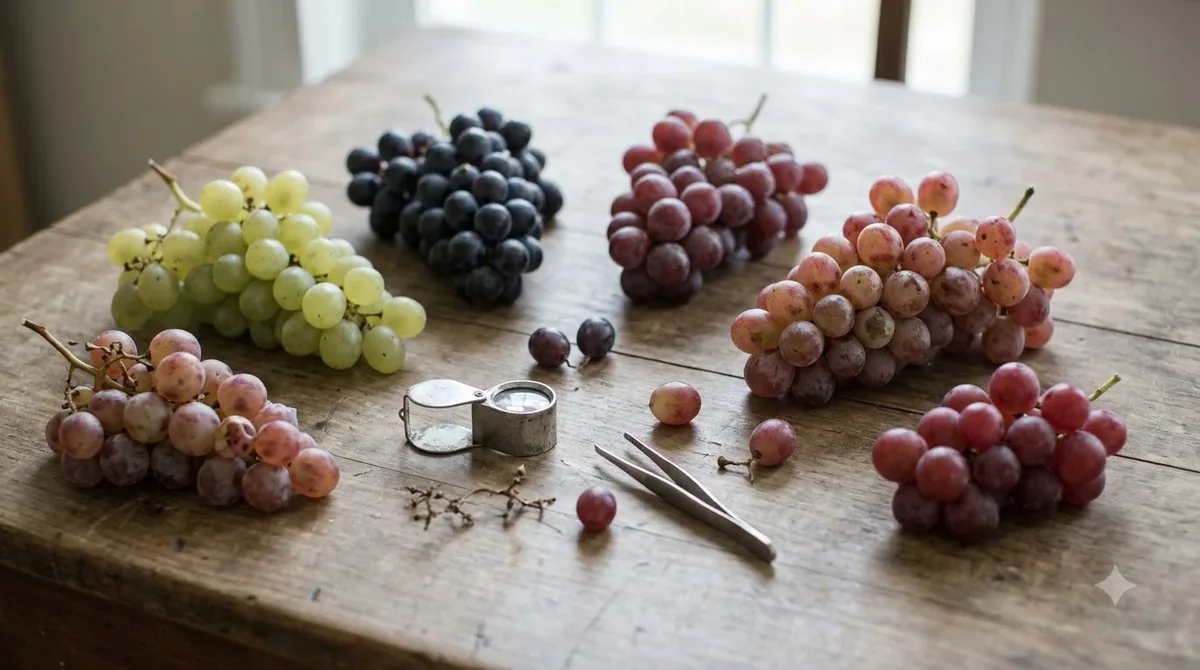
Rosé gets its color from the pigments in the skins of black grapes. Most red wine grapes have a pale juice, so the color develops only when the juice spends time in contact with the skins during winemaking. The longer that contact lasts, the deeper and more saturated the color becomes. Grape variety matters too, because some grapes carry more pigment than others.
The method used to make the wine also affects the final shade. Producers can control the color by adjusting contact time, pressing the grapes at a particular point, or drawing off juice from red wine production. Each choice leads to a different look in the glass, even when the grapes are the same.
The Main Ways Winemakers Create Rosé Color
Skin contact, also called maceration, is the most common method. According to the rosé entry on Wikipedia, black-skinned grapes are crushed and left with their skins for a short time, typically two to twenty hours, and then pressed. A brief contact produces a pale wine, while a longer one gives a deeper pink.
Saignée is the second major method. Some pink juice is drawn off early from red wine must, which concentrates the red wine that stays behind. The drawn-off juice is then fermented separately as rosé. Many producers use it as a by-product of making red, and some high-end Champagne houses use it as well. Blending red wine into white to make rosé is uncommon, and the entry notes that France bans it except in Champagne.
| Shade | Usually comes from | Typical aroma and flavor notes |
|---|---|---|
| Pale onionskin or orange | Short skin contact or gentle pressing | Subtle fruit, often more savory |
| Light salmon or pale pink | Brief maceration, often Provence-style | Melon, peach, redcurrant, grapefruit |
| Vivid pink | Longer skin contact or saignée | Riper red fruit and more body |
| Deep, near-purple pink | Heavily pigmented grapes, extended contact | Dark berry, more structure |
Grapes Behind the Shades of Pink
Grape variety is the other major factor. In Provence, Grenache is the dominant grape, supported by Syrah, Cinsault and Mourvèdre, and these wines tend toward the pale, delicate end of the spectrum. Tavel, in the Rhône, is built on Grenache with at least 15 percent Cinsault, and it often produces deeper, more textured rosés. Pinot noir and Pinot Meunier dominate rosé Champagne, which can range from baby pink to copper.
Elsewhere, the picture shifts again. In Italy, Sangiovese and Montepulciano make rosés with distinct local names, while Spain’s Navarra region relies on Garnacha. In the United States, Zinfandel gave rise to White Zinfandel, a style that became popular for its sweetness rather than its color. The grape a rosé is made from usually tells you as much about the wine as the color does.
Because nearly any red grape can be used, the range of colors is very wide. VinePair describes rosé’s color, depth and body as running from super light and refreshing to bold, dark and savory. It also points to Italy’s Ramato, a copper-hued rosé made from Pinot Grigio with skin contact, as a reminder that a pink wine can look almost orange when the winemaker chooses that route. The VinePair rosé guide covers these styles in more detail.
What Rosé Color Can and Cannot Tell You
Color is a helpful clue, but it has limits. A deeper pink does not automatically mean a sweeter or heavier wine, and a pale wine is not always dry and light. The winemaking method, grape variety and producer’s style all play a part. Some pale rosés carry bright acidity and clear fruit, while some deep ones are dry and savory.
The best approach is to use color as a first impression, then check the label and the tasting notes. A pale Provence-style rosé usually suggests a dry, fresh wine. A deep pink from a warm region may taste riper and fuller, but it can still be dry. Reading the color alongside the grape and region gives you a more accurate picture than relying on shade alone.
A simple way to test the idea is to pour two rosés from the same vintage, one pale and one deep, and taste them side by side. Many drinkers are surprised to find that the paler wine can carry more fruit intensity, while the deeper one may simply taste more savory. The comparison shows that color sets expectations, and the glass decides the rest.
How to Judge Rosé Color in the Glass
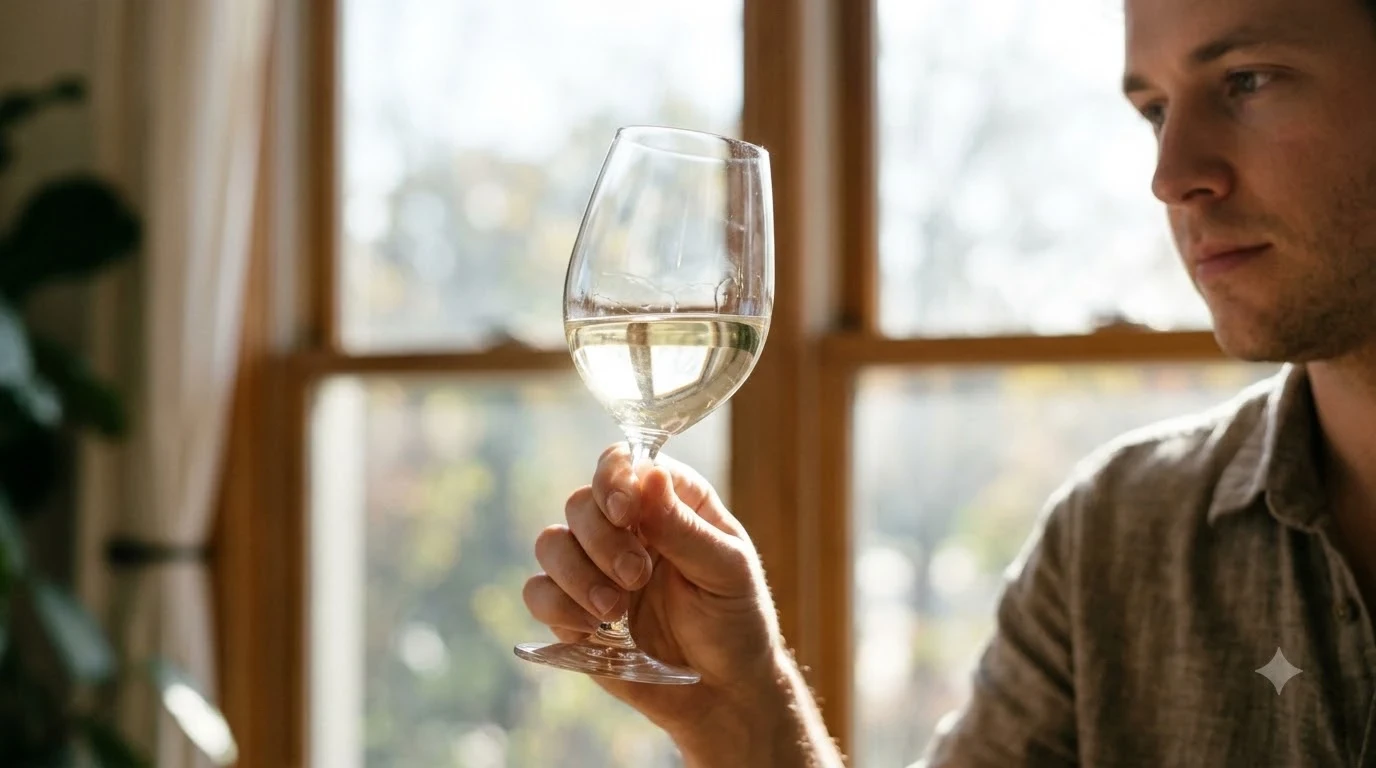
Pour the wine into a clear glass and hold it against a white background, ideally in natural light. Tilt the glass slightly so you can see the rim, where the color often shows more clearly. Note whether the shade looks orange, salmon, pink or purple, and whether it appears bright or dull.
Color can also hint at age. A rosé that looks noticeably orange or brown may be older, while a bright, clear pink usually points to a younger and fresher wine. Keep in mind that the shade of a rosé can shift with the vintage and the storage conditions, so compare bottles from the same year when you can.
Frequently Asked Questions
Why is some rosé pale and some deep pink?
The main reason is how long the grape skins stay in contact with the juice. Short contact gives a pale wine, while longer contact or saignée produces a deeper color. Grape variety also plays a large role.
Is rosé made by mixing red and white wine?
In most cases, no. Rosé is usually made from black-skinned grapes with brief skin contact or by drawing off juice from red wine. The entry notes that blending red into white is uncommon and restricted in France, except in Champagne.
Does darker rosé mean sweeter rosé?
Not necessarily. Color tells you more about the grapes and winemaking than about sweetness. Many deep-colored rosés are dry, and many pale ones have a touch of sweetness, so check the label or producer notes.
What grape makes the most common rosé?
Grenache is the dominant grape in Provence and much of southern France, and Syrah, Cinsault and Mourvèdre often support it. Pinot noir is the key grape in many rosé Champagnes and Pinot-based rosés.
Rosé color is more than decoration. It tells you something about how the wine was made and which grapes went into it. Use the shade as a starting point, then read the label and the tasting notes to find a bottle you will enjoy. For more on the style itself, the rosé wine guide covers serving and food matches, and the champagne color guide explains how pink sparkling wines get their shades.
More in Wine Types & Grapes
 Zinfandel Sugar Content: Dry Red vs. White Zinfandel GramsUpdated Nov 21, 2026
 Best Zinfandel Substitute Options for Sipping and CookingUpdated Nov 21, 2026
 Zweigelt Food Pairing: Best Dishes, Cheeses, and Serving TipsUpdated Nov 21, 2026
 Zinfandel Tannins Explained: How Structure Shapes Every BottleUpdated Nov 21, 2026
 Zinfandel Sweetness Level: Dry Red vs. Sweet White Zin ExplainedUpdated Nov 21, 2026
 Xinomavro Food Pairing: Best Dishes, Styles, and Serving TipsUpdated Nov 21, 2026