

We may earn a commission when you buy through links on this page, at no extra cost to you. Learn more.
Paso Robles wine comes from a large Central Coast appellation in California that is known for bold reds, especially Zinfandel, Cabernet Sauvignon, and Rhône-style blends. Its warm days and cooler nights give the wines plenty of ripe fruit with enough structure to age. Most bottles are red, though the area also produces good Viognier, Roussanne, and Rhône-style whites.
This guide explains what Paso Robles wine tastes like, how the appellation is divided, which grapes matter most, and how to choose and serve a bottle. If you are planning a trip to the region, the guides to paso robles wineries and paso robles wine tasting cover where to go.
What Makes Paso Robles Wine Different
Paso Robles wine is shaped by its geography more than by any single style. The appellation was designated in 1983 and has grown into one of the largest wine regions in California, with the Paso Robles AVA entry on Wikipedia listing more than 200 wineries and roughly 40,000 planted acres. That scale means the wines vary a lot from one hillside to the next, but most share a warm-climate character. The local association, Paso Robles Wine Country, describes the area as halfway between Los Angeles and San Francisco and notes that the land was ranched and farmed for barley and almonds before vineyards became the main crop.
The climate is a key reason. The region falls in Winkler Regions II and III, which means long, sunny growing seasons. Afternoon winds and cool nights off the Pacific slow ripening just enough to keep acidity in the wine. Growers often describe the result as fruit-forward reds with a savory edge, rather than the lean, mineral style of cooler coastal valleys.
Soils add another layer of variation. According to the Paso Robles AVA entry, the bedrock is mainly weathered granite, volcanic and marine sedimentary rock, overlaid with sandstone, mudstone, or calcareous shale. Vineyards on different soils can produce wines that taste noticeably different even when they grow the same variety.
The Grapes and Styles to Know
Zinfandel is the heritage grape of Paso Robles, and many of the oldest vineyards still in production were planted with it. Zinfandel from the area is usually ripe and jammy, with blackberry, plum, and black pepper notes, and it often has a higher alcohol level than wines from cooler regions.
Cabernet Sauvignon is the other major red. Producers here often make it in a fuller style than the Napa Valley versions, with dark fruit and firm tannins. Many winemakers also blend it with Merlot or the Rhône variety Syrah to soften the texture.
The Rhône varieties are where many visitors discover something new. Growers began planting Syrah, Grenache, Mourvèdre, Viognier, and Roussanne in larger numbers from the 1980s onward, and the region became a center for Rhône-style blends. These wines tend to be spicy, floral, and more aromatic than the typical California red. A Syrah-based wine may show dark berry, white pepper, and smoked meat, while a Viognier can bring apricot and honeysuckle.
| Wine style | Typical character | Common in Paso Robles |
|---|---|---|
| Zinfandel | Ripe, jammy, black pepper | Yes, the heritage variety |
| Cabernet Sauvignon | Dark fruit, firm tannins | Yes, often in a fuller style |
| Syrah and Rhône blends | Spice, dark berry, savory notes | Yes, a regional strength |
| Viognier and Roussanne | Stone fruit, floral, rich texture | Yes, mainly among whites |
Tip: If you are new to the region, start with a Rhône-style blend. It shows the local character clearly and usually costs less than a single-vineyard Cabernet.
Sub-Appellations and Where the Vines Grow
Paso Robles is not one uniform zone. In 2014, the federal Alcohol and Tobacco Tax and Trade Bureau approved eleven sub-appellations inside the larger AVA, including Adelaida District, Creston District, El Pomar District, Paso Robles Highlands District, San Juan Creek, San Miguel District, and Templeton Gap District. Each one has its own soils, elevation, and exposure, so wines from the same grape can differ between them.
Many labels still name only “Paso Robles,” which is perfectly legal and covers the whole appellation. If a bottle names a sub-appellation, it usually signals that the grapes come from a specific vineyard area, and that detail is worth noticing when you compare two bottles of the same variety.
The region also has an east-west divide. Wineries on the western side tend to sit on hillside vineyards with cooler marine influence, while the eastern side is generally warmer and drier. You do not need to memorize the map to enjoy the wines, but the idea helps explain why two Zinfandels from nearby towns can taste so different.
How to Serve Paso Robles Red Wine
Serving temperature matters more with big reds than many people expect. Most Paso Robles reds show best slightly cooler than the warm room where they sit, so the fruit stays clear and the alcohol does not feel hot. A short rest in a cool room or a brief visit to the refrigerator before pouring is often enough.
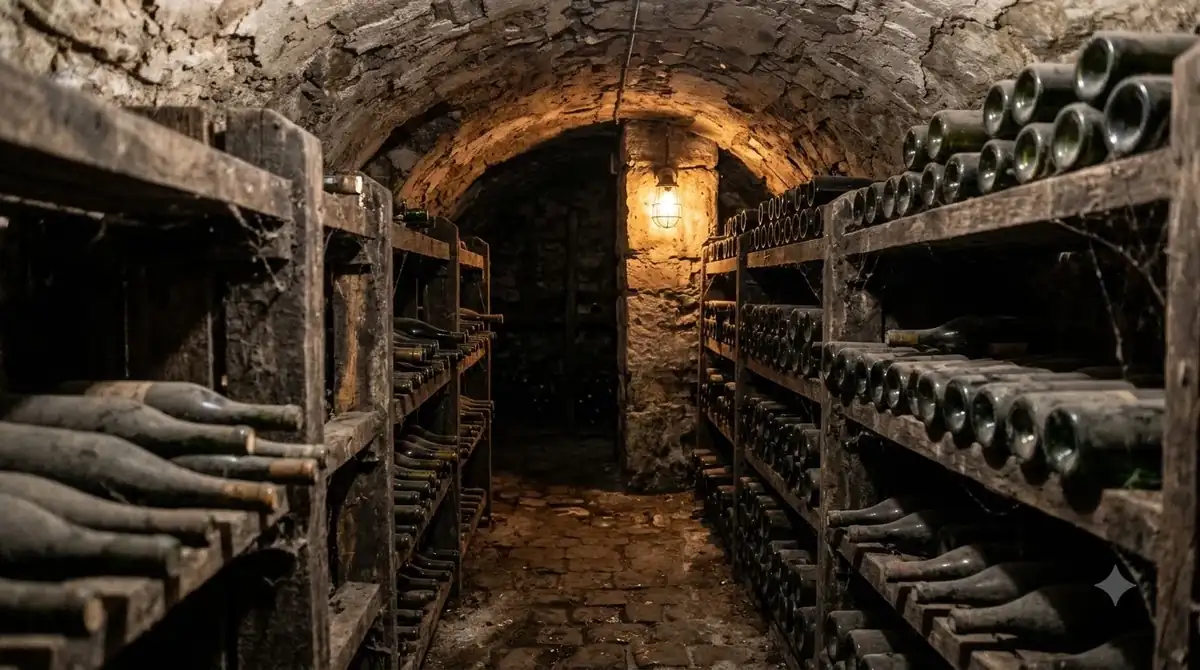
Decanting can help younger Cabernet Sauvignon and Syrah. Pouring the wine into a carafe a while before dinner lets it open up and can soften the tannins. Older bottles with sediment should be decanted carefully and poured slowly. A large glass with room for swirling works well for these wines, since the aromas of spice and dark fruit come forward when the wine is warmed a little in the glass.
Viognier and Roussanne are better served cooler than reds, which helps keep their floral lift in balance with the richer texture.
Food Pairing with Paso Robles Wine
The region’s warm-climate reds pair well with grilled and roasted meat. A Zinfandel suits barbecue ribs and smoked brisket, while a Syrah-based blend fits lamb, pork shoulder, and mushrooms with thyme. Cabernet Sauvignon from Paso Robles works with a seared steak or a hearty stew, where the wine’s tannins can balance the fat.
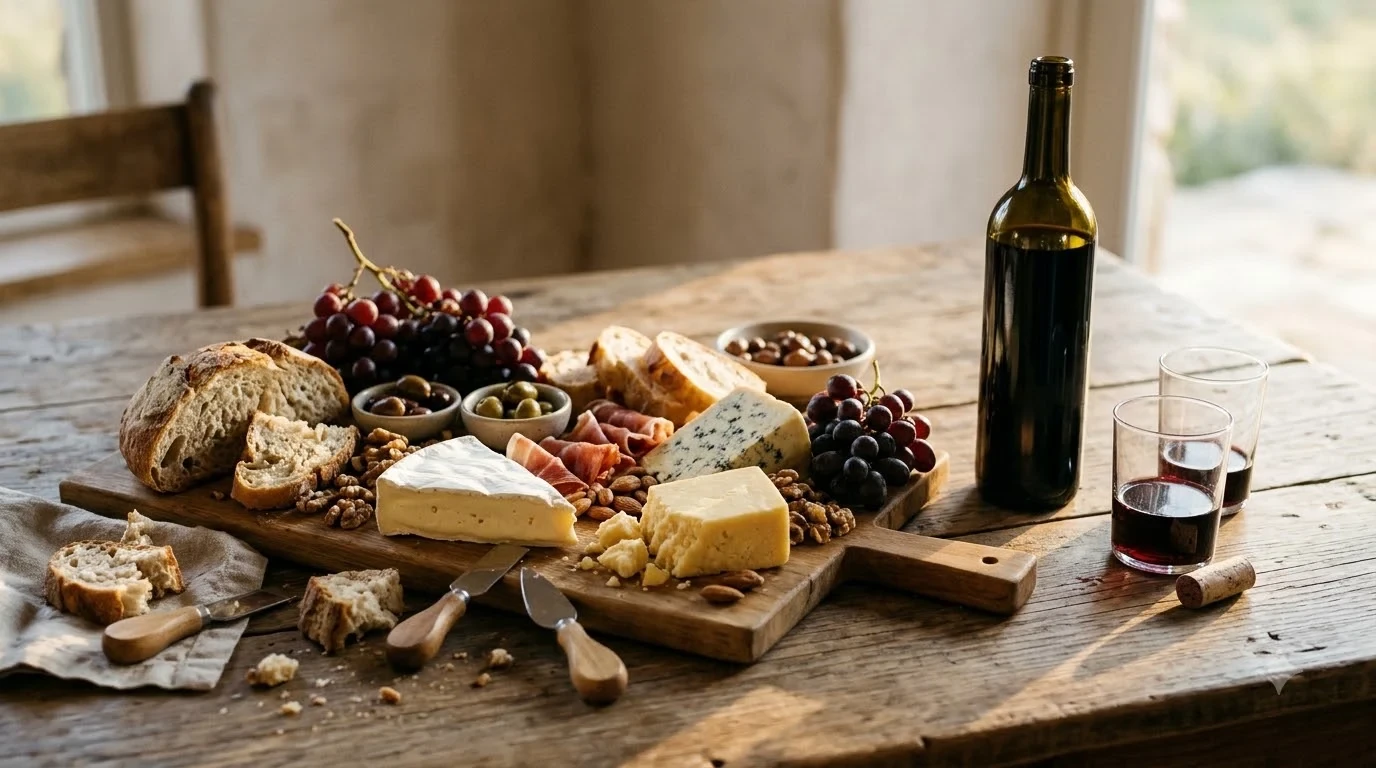
Lighter dishes work too. Viognier goes well with roast chicken, shellfish, and dishes with a cream or butter sauce. Roussanne has enough body for grilled fish and risotto. For a simple pairing that rarely disappoints, match a fruit-forward red with a cheese plate that includes aged cheddar or a firm Spanish cheese.
How to Choose a Bottle of Paso Robles Wine
Start with the grape. If you like bold, fruit-driven reds, look for Zinfandel or Paso Robles Cabernet. If you prefer something spicier and more savory, a Rhône blend is a good choice. Labels usually list the grape and the appellation, which tells you most of what you need to know.
Next, check the vintage and the producer’s style. Warm years tend to produce riper, richer wines, while cooler years can show more acidity. Producer websites often describe their approach in plain terms, and those descriptions are a good guide when you are choosing between two similar bottles. For more ideas on where to start, the Wine Regions section gives useful context for comparing areas.
Frequently Asked Questions
What is Paso Robles best known for?
Paso Robles is best known for full-bodied red wines, especially Zinfandel, Cabernet Sauvignon, and Rhône-style blends made with Syrah. The region is also recognized for its warm climate and the wide range of soils across the appellation.
Is Paso Robles wine similar to Napa Valley wine?
Some Paso Robles Cabernet Sauvignon is similar to Napa in its dark fruit and structure, but many wines from Paso Robles are riper and more generous in style. The region also has a strong tradition of Rhône varieties that Napa does not emphasize as much.
Which Paso Robles wine should a beginner try first?
A Zinfandel or a Rhône-style blend is a good starting point. Both show the region’s fruit and character clearly, and they are easy to pair with simple grilled food. Many tasting rooms also offer flights that let you compare several styles.
Does Paso Robles make white wine?
Yes. Viognier and Roussanne are the most common white varieties, and both show stone fruit and floral notes. Most of the region’s production is red, but the white wines are a good match for lighter meals and warm afternoons.
Paso Robles rewards curiosity. Start with a Zinfandel or a Rhône blend, pay attention to where the grapes were grown, and serve the reds slightly cool. Once you know the style, the regional wine guides and tasting notes make it easier to choose the next bottle.
More in Wine Regions
 Willcox Wine Trail: Discover Arizona’s High-Elevation Wine CountryUpdated Nov 20, 2026
 Yakima Valley Wine Region: Find the Best Styles to TryUpdated Nov 20, 2026
 Vosne Romanee Wine Tasting: Identify Aromas and Choose Better PairingsUpdated Nov 20, 2026
 Yakima Valley Wine Festival: Find the Best Seasonal Wine EventsUpdated Nov 20, 2026
 Wales Vineyards: Discover Cool-Climate Wines and Where to VisitUpdated Nov 20, 2026
 Yountville Wine Festival: Discover Napa Wines and Local FoodUpdated Nov 20, 2026