

We may earn a commission when you buy through links on this page, at no extra cost to you. Learn more.
Paso Robles wineries are the tasting rooms and estates of one of California’s largest Central Coast wine regions, with more than 200 producers spread across a big, varied appellation. Most of them make bold reds, especially Zinfandel, Cabernet Sauvignon, and Rhône-style blends, and many also pour white wines such as Viognier and Roussanne. The region is easy to explore because the wineries sit in a mix of small towns, rolling hills, and open countryside.
This guide explains what to expect from Paso Robles wineries, how the region is divided, which styles each winery tends to focus on, and how to plan a visit. It also covers how to pick a winery whose wines match your taste.
Why Paso Robles Has So Many Wineries
The number of wineries in Paso Robles has grown quickly over the past few decades. The Paso Robles AVA entry on Wikipedia notes that the region had fewer than 20 wineries around 1990 and now lists more than 200. That growth reflects a region with many small family estates alongside larger producers, all working within the same broad appellation.
The appellation itself was designated in 1983, and the vineyards cover a large area, with the same source giving about 40,000 planted acres. Because the land is so varied, wineries often specialize in particular grapes or hillside sites. A visit can feel very different depending on whether the winery focuses on heritage Zinfandel, Rhône varieties, or Bordeaux-style reds.
For a broader overview of the region’s wines, see the Paso Robles wine guide, which explains the grapes and styles you are likely to taste in the tasting rooms.
The Styles You Will Find at Paso Robles Wineries
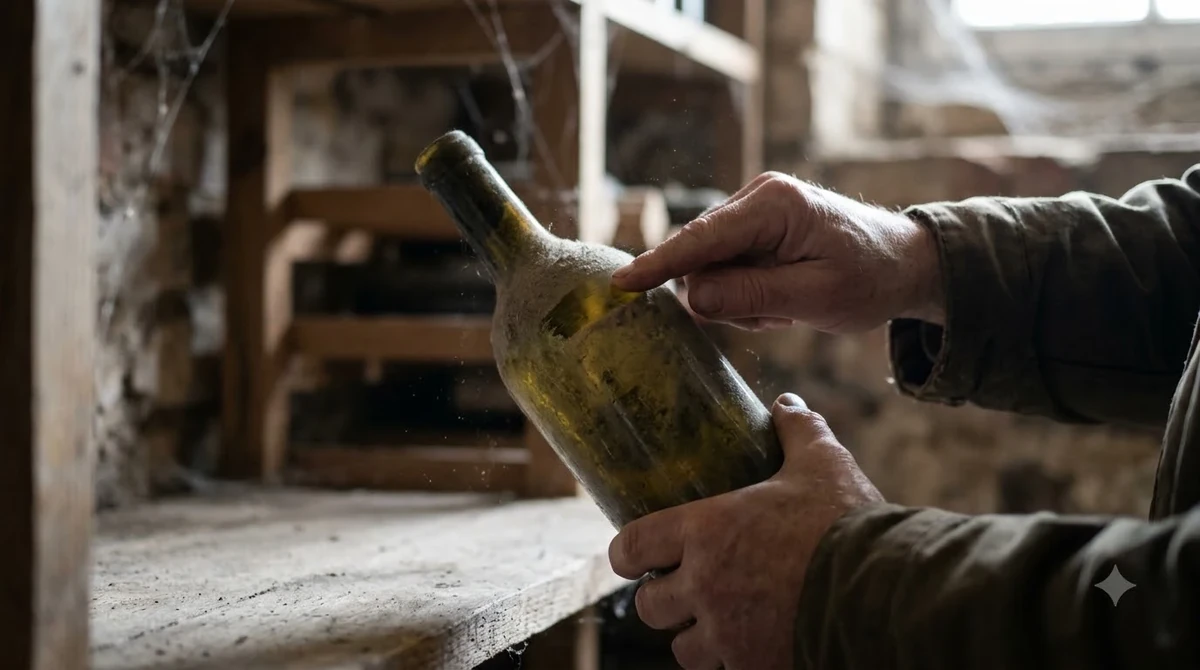
Zinfandel is the heritage grape of the region, and many wineries still make it in a ripe, fruit-forward style. Expect blackberry, plum, and black pepper, often with a generous texture. Zinfandel is a common first pour for visitors because it shows the local character clearly.
Cabernet Sauvignon is the other mainstay. Paso Robles Cabernet is usually fuller and riper than many cool-climate versions, and it often appears in tasting flights next to Merlot or a Bordeaux-style blend. Winemakers use it both as a single-varietal wine and as a foundation for blends.
Rhône varieties are where the region stands out. The Wikipedia entry notes that growers increased plantings of many Rhône varieties from the 1980s onward, including Syrah, Viognier, and Roussanne. Wineries that focus on these grapes often pour spicy reds and aromatic whites, and some host Rhône-themed events. If you enjoy savory reds, make sure your visit includes at least one Syrah or Rhône blend.
| Winery focus | What to taste | Good fit for |
|---|---|---|
| Heritage Zinfandel | Ripe fruit, black pepper | Fans of bold, fruit-forward reds |
| Cabernet and Bordeaux blends | Dark fruit, firm tannins | Guests who like structured reds |
| Rhône varieties | Spice, dark berry, floral whites | Visitors who want something different |
| Estate and family producers | Small-lot bottlings, personal service | Visitors who want a relaxed, talk-driven visit |
Tip: Ask the staff which vineyard or sub-area the grapes come from. Many wineries are proud of their sites, and the answer helps you connect the wine in your glass to the land.
Sub-Appellations and Where the Wineries Are
The Paso Robles region is not one uniform zone. The Tax and Trade Bureau approved eleven sub-appellations in 2014, including Adelaida District, Creston District, El Pomar District, Paso Robles Highlands District, San Juan Creek, San Miguel District, and Templeton Gap District. Wineries in these areas often point to their location on labels or in tasting notes.
When you plan a route, think about the general east and west sides of the region. Wineries on the western side tend to sit on hillside vineyards, while those on the eastern side are generally warmer and drier. You do not need to visit every sub-area in one trip. Choosing two or three wineries in different parts of the region gives you a good sense of the range.
The region’s wine history is also part of the visit. The Wikipedia entry records that Zinfandel was the area’s heritage grape and that a 1914 planting on a ranch owned by the pianist and statesman Ignacy Jan Paderewski helped put the variety on the map. Some tasting rooms tell that story, which makes the visit more memorable.
How to Plan a Visit to Paso Robles Wineries
Because the wineries are spread out, the best approach is to pick a small group in one part of the region and build the day around them. Driving between tasting rooms is the usual way to see the area, so plan one designated driver or book a tour if you want to taste widely. Many wineries have reservation systems, especially on weekends and during busy seasons, so check their websites before you go. A regional roundup on pasowine.com’s list of Paso Robles wineries profiles about 17 estates that serve food on site, and it notes that some, such as Cass, ask groups of 12 or more to reserve ahead. Several estates also run their own shuttles or picnic experiences, which can simplify a day of tasting.
Tasting rooms vary in style. Some have large patios and open lawns, while others are small, intimate spaces with a few tables. Expect to pay a tasting fee at many wineries, and ask whether it is waived with a bottle purchase. Staff are usually happy to explain the wines, so it helps to tell them what you already like.
Etiquette also helps the day go smoothly. Spit cups are provided at most rooms, and using them is normal when you are tasting several wines in a row. Keep your visit to a pace you can enjoy, drink water between pours, and plan food so the tasting is not your only meal. If you are tasting with a group, let the staff know early so they can pour in the order that suits you.
If you enjoy comparing regions, you can also read about other wine areas on the Wine Regions page, which covers how climate and soil shape style in different places.
What to Buy and Take Home
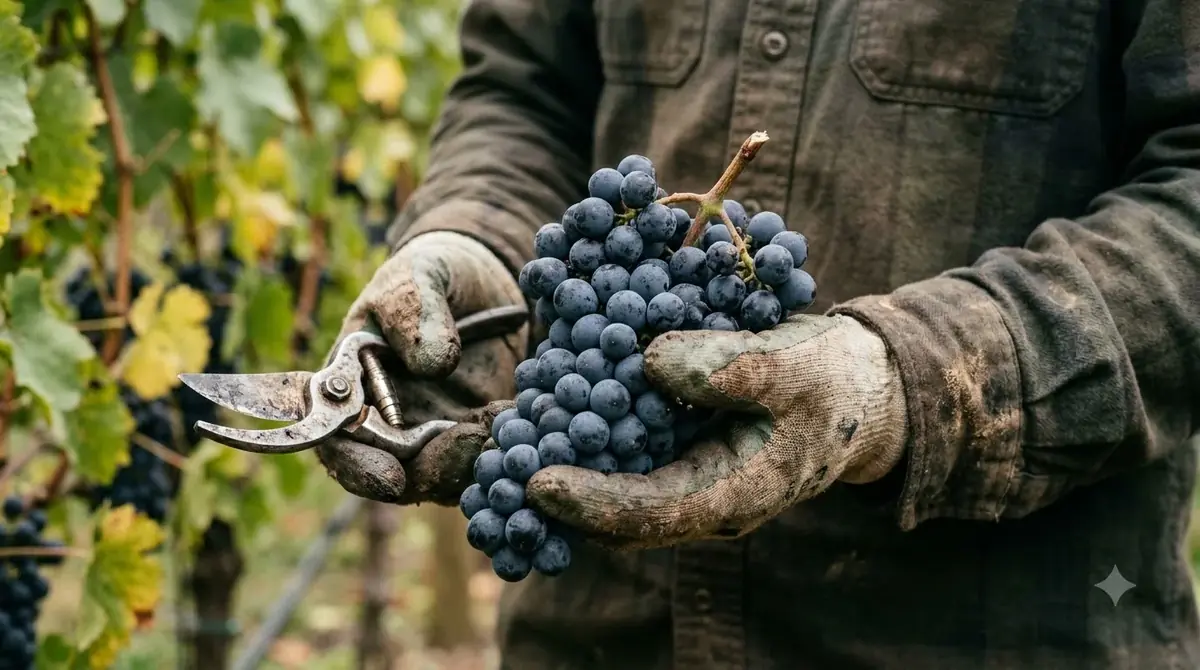
Most visitors buy a few bottles at the tasting room, where the wines are often available in small-production releases that are hard to find elsewhere. Zinfandel and Rhône blends are popular picks because they show the region clearly. A Cabernet from a well-known producer is a good choice if you want a bottle to age.
Many wineries also offer shipping. Check the rules for your state before ordering, since shipping laws for wine differ widely across the United States. If you are comparing wineries from different regions, the guide to Sancerre wineries offers a useful contrast with a very different style of tasting visit.
Frequently Asked Questions
How many wineries are in Paso Robles?
The Paso Robles AVA entry on Wikipedia lists more than 200 wineries. The number has grown rapidly since the early 1990s, when the region had fewer than 20.
Which Paso Robles wineries are best for beginners?
Wineries with broad tasting flights are a good starting point. A flight that includes Zinfandel, a Rhône blend, and a Cabernet lets you compare the main styles in one visit without committing to a full bottle.
Do I need reservations for Paso Robles wineries?
Many wineries recommend or require reservations, especially on weekends and during busy seasons. Checking each winery’s website before you travel helps you avoid disappointment and lets you plan a route.
Are Paso Robles wineries family-friendly?
Many wineries welcome visitors of all ages, but tasting is for adults. Some properties have outdoor space, picnic areas, or food options, and those features make the visit more comfortable for families who are waiting while others taste.
A good Paso Robles winery visit starts with a clear plan: pick a few wineries in one area, focus on the styles you like, and ask staff about their vineyards. With a little preparation, the region’s wide range of wines becomes easy to explore.
More in Wine Regions
 Willcox Wine Trail: Discover Arizona’s High-Elevation Wine CountryUpdated Nov 20, 2026
 Yakima Valley Wine Region: Find the Best Styles to TryUpdated Nov 20, 2026
 Vosne Romanee Wine Tasting: Identify Aromas and Choose Better PairingsUpdated Nov 20, 2026
 Yakima Valley Wine Festival: Find the Best Seasonal Wine EventsUpdated Nov 20, 2026
 Wales Vineyards: Discover Cool-Climate Wines and Where to VisitUpdated Nov 20, 2026
 Yountville Wine Festival: Discover Napa Wines and Local FoodUpdated Nov 20, 2026