

We may earn a commission when you buy through links on this page, at no extra cost to you. Learn more.
Chateau Ste Michelle Chardonnay is a Chardonnay from one of Washington state’s best-known wineries, and it is made to suit the grape’s wide range of styles. Chardonnay can be lean and mineral or rich and buttery depending on how it is grown, fermented and aged, so the label on the bottle tells you more than the winery name alone. This guide explains the grape, the two main styles, how to serve the wine and what to pair it with.
Many shoppers see the Chateau Ste. Michelle name on a shelf and wonder what kind of white wine to expect. The honest answer is that Chardonnay as a grape covers a wide range, and the winery’s own pages describe its wines in broad terms rather than a single house style. That makes it useful to know the grape before you open a bottle.
What Chateau Ste. Michelle is and why its Chardonnay matters
Chateau Ste. Michelle is a winery in Woodinville, Washington, about 20 miles east of Seattle. The winery’s own site describes itself as Washington’s founding winery and says it crafts wines that showcase the character of the Columbia Valley, the appellation where much of its fruit is grown. It also offers tastings, tours and a wine club, which makes the Woodinville estate a common first stop for visitors to the state.
Wikipedia’s entry on the company traces its roots to a 1954 merger of two earlier wine companies, and it places the winery’s home in Woodinville. The company has changed hands several times in recent years, but the Chardonnay on the shelf reflects the same basic approach: a widely planted white grape made in a style that suits a broad audience.
Chardonnay basics: where the grape comes from
Chardonnay started in Burgundy, France, and is now grown in nearly every winemaking country. Wine Folly’s Chardonnay guide notes that the grape is also known as Morillon and that more than 498,000 acres are planted worldwide, with France, the United States, Australia, Italy and Chile among the largest growers.
Compared with other white grapes, Chardonnay is unusually flexible in the winery. It can be kept lean, aged in oak or put through malolactic fermentation, and each choice changes the glass. That flexibility is the main reason one grape name can cover such different bottles.
Because the grape is so widely planted, the same name can describe very different wines. A cool-climate Chardonnay tends to taste crisp and tart, while a warmer site can produce riper fruit. Winemaking choices, especially oak aging and stirring the lees, shape the final flavor as much as the vineyard does.
Oaked and unoaked styles
The most useful way to think about a Chardonnay is to ask whether it was aged in oak. That single choice splits the category into two broad families, and most bottles fall close to one of them.
| Style | Typical flavors | Texture | Classic reference point |
|---|---|---|---|
| Unoaked or lightly oaked | Green apple, pear, citrus, chalky or mineral notes | Lean, crisp, high acidity | Chablis |
| Oaked | Peach, mango, butter, vanilla, baking spice | Fuller, creamier, richer | Oak-aged Burgundy-style Chardonnay |
| Sparkling | Citrus, green apple, toasted notes after aging | Fine bubbles, bright acidity | Blanc de blancs styles |
Tip: If the back label mentions oak, malolactic fermentation or lees aging, expect a creamier wine. If it stresses freshness or minerality, expect a leaner style.
Flavor profile and how it changes with age
Most Chardonnays share a core of lemon, yellow apple, butter, vanilla and pineapple, according to Wine Folly’s flavor overview. The wines are typically medium-bodied with medium acidity and no tannin, and their alcohol usually falls between about 12 and 15 percent. Those numbers help when you compare a Chardonnay with other whites on the same table.
Chardonnay also changes with time in the bottle. Some mature bottles develop hazelnut, honey and mushroom notes, which is why a few years of cellaring can suit richer styles. Unoaked bottles are usually best within a shorter window, because their freshness is the main reason to drink them.
How to serve Chardonnay
Serving temperature changes how a Chardonnay tastes, and the range is wide. Sparkling Chardonnay is generally served cold, in the 38 to 45 degree Fahrenheit range. Leaner styles such as Chablis are best around 45 degrees, while fuller oaked wines show better at about 55 degrees, which is cooler than room temperature but not ice cold.
Glassware is a smaller factor, but a glass with a moderately wide bowl lets the aromas of an oaked wine open up. VinePair’s Wine 101 guides cover serving temperature, glassware and decanting in more detail if you want a broader reference.
Keeping an open bottle fresh
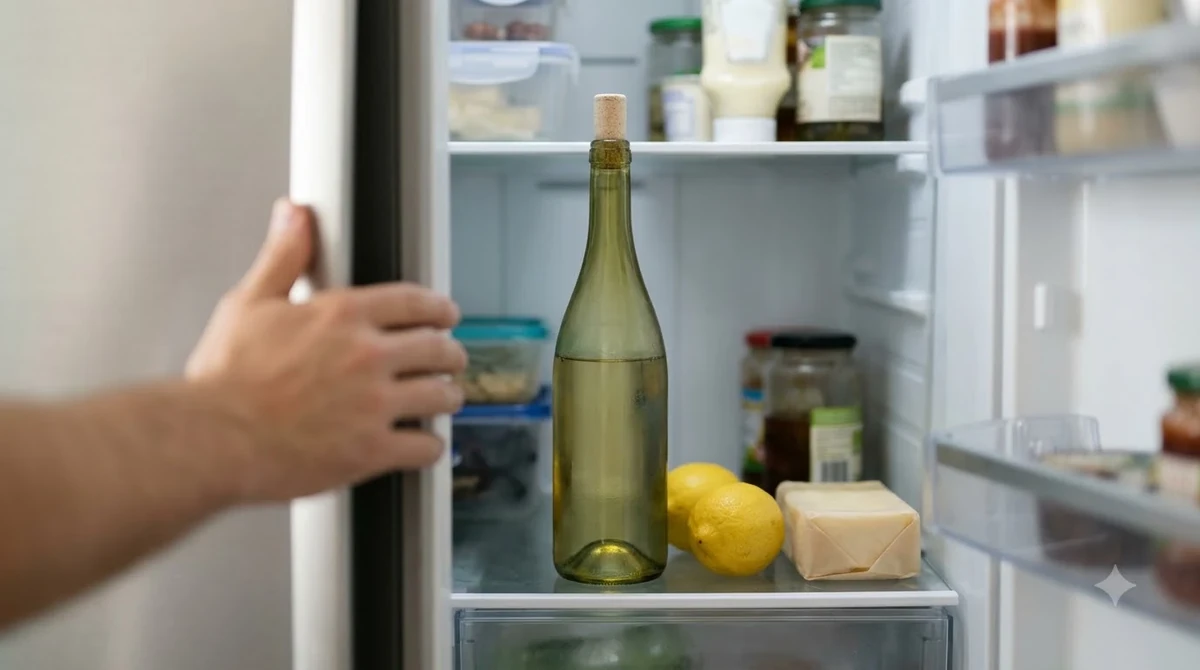
Once opened, a white wine keeps best with the cork back in and the bottle in the refrigerator. Oaked styles tend to hold up a little longer than crisp, unoaked wines, but neither improves after a few days.
Food pairing with Chateau Ste. Michelle Chardonnay
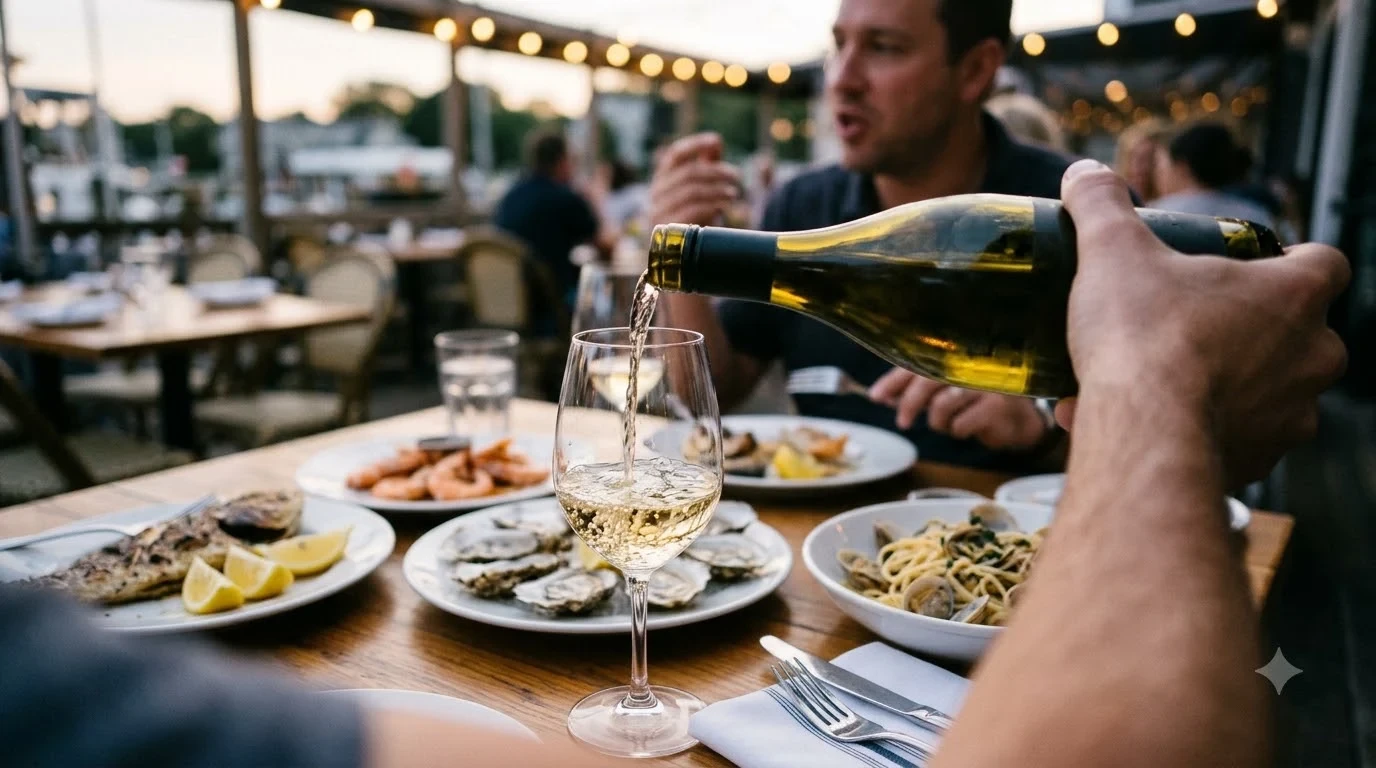
Pairing follows the style. Lean, unoaked Chardonnay works well with oysters, sushi, sautéed fish, chicken piccata and vegetable risotto. Its acidity cuts through rich or fried foods without overwhelming them.
Oaked Chardonnay has the weight for richer dishes. Wine Folly suggests crab cakes, linguini with clams, halibut, pork tenderloin with apples, and starchy or sweet vegetables such as corn, pumpkin and squash. Mushroom dishes are another strong match because the wine’s savory notes echo the earthy flavors.
How to choose a bottle
Read the label for the vintage, the appellation and whether the winery mentions oak aging. Those three details tell you more about the style than the brand alone. If you usually drink crisp whites, look for language about freshness and acidity. If you prefer creamy, rich wines, look for oak or extended lees contact.
If you are buying for a group, one bottle of each style lets guests choose between a crisp glass and a rounder one. It is an easy way to see which direction your table prefers before you commit to a case.
For a wider look at how other producers handle Chardonnay, the J Lohr Chardonnay and Meiomi Chardonnay guides show how different regions shape the same grape. The Wine Brands section also explains how to read a producer’s style across a full lineup.
Frequently Asked Questions
Is Chateau Ste Michelle Chardonnay oaked?
It depends on the specific bottle. Check the back label and tasting notes for mentions of oak aging, since that single detail separates the creamy styles from the lean ones.
What temperature should I serve Chardonnay at?
Serve lean styles around 45 degrees Fahrenheit and fuller oaked styles around 55 degrees. Sparkling Chardonnay is best colder, in the 38 to 45 degree range.
Where is Chateau Ste. Michelle located?
The winery is in Woodinville, Washington, about 20 miles east of Seattle. Its wines are associated with the Columbia Valley appellation.
What food goes best with Chardonnay?
Lean styles suit seafood, sushi and light chicken dishes, while oaked styles pair with crab, pork with fruit and mushroom dishes. Matching the wine’s weight to the food works better than matching the color.
Common mistakes when serving Chardonnay
The most common mistake is serving a fuller oaked Chardonnay too cold. Cold temperatures mute the fruit and butter notes that make the style appealing, so take the bottle out of the refrigerator for a few minutes before pouring. The opposite error, serving a lean Chardonnay at room temperature, makes the wine taste flat and sharp at the same time.
Another mistake is matching the wine by color rather than weight. A rich, oaked Chardonnay can overwhelm a delicate white fish, while a crisp unoaked bottle can disappear next to a buttery sauce. Picking the bottle to match the main ingredient usually gives better results than defaulting to any white wine.
Chateau Ste Michelle Chardonnay rewards a quick check of the label before you buy. Decide whether you want a crisp style or a rich one, serve it at the right temperature, and pair it with food that matches its weight.
More in Wine Brands
 Underwood Wine Price: Compare Bottles, Cans, and Pack SizesUpdated Nov 21, 2026
 Zenato Wine Price: Compare Styles and Choose the Right BottleUpdated Nov 21, 2026
 Zuccardi Wine Price: Compare Bottles and Find the Right RangeUpdated Nov 21, 2026
 Yellow Tail Moscato Review: Taste, Sweetness and Serving TipsUpdated Nov 21, 2026
 Wolf Blass Yellow Label Review: Choose Your Best StyleUpdated Nov 21, 2026
 Wolffer Estate Rose Review: Choose the Right Bottle for Your TableUpdated Nov 21, 2026