

We may earn a commission when you buy through links on this page, at no extra cost to you. Learn more.
Is Stella Rosa Red good? Yes, Stella Rosa Red is a good choice for people who enjoy sweet, fruity, lightly sparkling wine rather than traditional dry reds. Made with Brachetto grapes, it offers ripe raspberry, wild strawberry, and red plum flavors with a gentle fizz. Its 5% ABV and approachable sweetness make it particularly appealing for casual occasions, although drinkers who prefer dry, tannic reds may find it too sweet.
Stella Rosa has a recognizable place in the American wine market because it offers something different from conventional Cabernet Sauvignon, Merlot, and Pinot Noir. Instead of emphasizing oak, tannin, and a dry finish, Stella Rosa Red focuses on fresh fruit, sweetness, and refreshing carbonation. That approach makes it accessible to people who are new to wine, but it also means that its appeal depends heavily on personal taste. Understanding its sweetness, grape variety, alcohol level, and serving style will help you decide whether this bottle belongs in your wine collection.
Who Should Buy Stella Rosa Red?
Stella Rosa Red is best suited to drinkers who enjoy fruit-forward wine with noticeable sweetness and gentle bubbles. It is a particularly sensible choice for casual gatherings, relaxed desserts, and occasions where a lighter alternative to conventional red wine makes more sense.
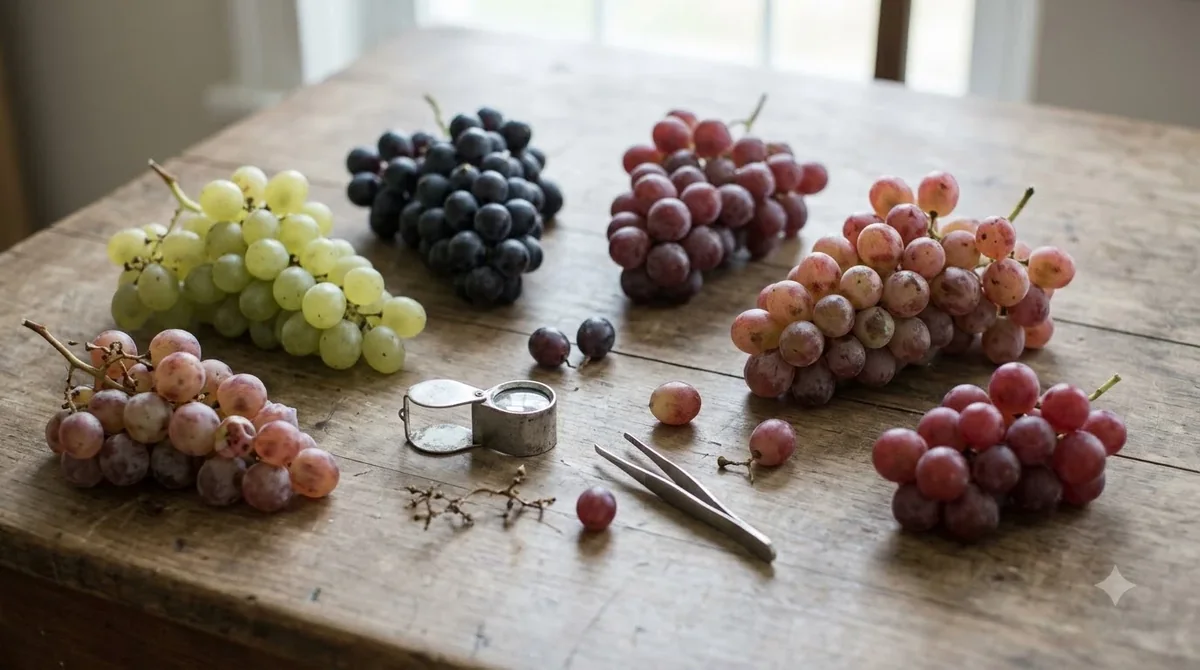
The first thing to understand is that this is not a traditional dry Italian red. The producer describes the wine as semi-sweet and semi-sparkling, with Brachetto grapes providing its fruity character. Its official tasting description highlights ripe raspberry, wild strawberry, and red plum. Those flavors create a recognizable red-fruit profile rather than the darker, more savory character associated with Cabernet Sauvignon or Syrah.
The wine also has a relatively modest alcohol concentration of 5% ABV according to the official Stella Rosa Red product listing. That makes it substantially lighter in alcohol than many conventional table wines, which commonly fall around 12% to 15% ABV. It is still an alcoholic beverage, however, and its approachable sweetness should not be confused with an absence of alcohol.
Several types of buyers are particularly likely to appreciate it:
- Sweet-wine drinkers: People who enjoy Moscato, fruity sparkling wine, or sweet rosé may appreciate its approachable fruit flavors.
- New wine drinkers: Those who find dry reds too tannic or acidic may prefer its softer, sweeter profile.
- Casual hosts: Its gentle carbonation and chilled serving style make it suitable for informal parties and social gatherings.
- Dessert enthusiasts: Raspberry, strawberry, and plum flavors complement berry-based desserts and chocolate.
- Lower-alcohol wine shoppers: Its listed 5% ABV offers a lighter-alcohol alternative to many conventional red wines.
On the other hand, someone who regularly drinks dry Barolo, Cabernet Sauvignon, or Bordeaux may not find much familiar territory here. Those wines generally emphasize structure, tannin, acidity, and savory complexity. Stella Rosa Red takes a much more accessible approach.
It is also useful to understand the difference between liking sweet wine and wanting a wine that tastes like grape juice. Stella Rosa Red remains a wine with acidity, alcohol, and a lightly sparkling texture. Its sweetness is a defining feature, but it is not intended to replicate a nonalcoholic fruit drink.
If you are still exploring the producer’s range, our overview of Wine Brands can help you understand how different wine producers position their bottles and styles.
Key Factors to Compare Before Buying
The most important buying considerations are sweetness, fruit character, carbonation, alcohol concentration, and serving temperature. These characteristics determine whether Stella Rosa Red will suit your preferences more than its label or packaging alone.
| Buying factor | Stella Rosa Red | What it means |
|---|---|---|
| Wine style | Semi-sweet red | Noticeable sweetness rather than a dry finish |
| Grape | Brachetto | Fruit-forward aromatic character |
| Alcohol | 5% ABV | Lower alcohol than many table wines |
| Carbonation | Semi-sparkling | Gentle bubbles rather than a fully still texture |
| Primary flavors | Raspberry, strawberry, red plum | Fresh red-fruit profile |
| Typical bottle size | 750 ml | Approximately five 5-ounce servings |
| Serving temperature | Chilled, approximately 40–50°F | Highlights freshness and carbonation |
| Country of origin | Italy | Italian-produced wine |
These specifications refer to the official Stella Rosa Red product rather than every red wine carrying the Stella Rosa name. That distinction matters because the producer also sells Rosso and Rosso Red Berry, which have different product descriptions and published alcohol figures.
Sweetness and fruit intensity
Sweetness is probably the biggest deciding factor. Stella Rosa Red is described as semi-sweet, meaning that it is intentionally made for people who appreciate noticeable residual sweetness. Its raspberry, strawberry, and plum notes reinforce that impression.
Someone accustomed to dry Pinot Noir may perceive the wine as distinctly sweet. A person who regularly drinks Moscato or dessert wine may consider the sweetness comfortable and familiar. Neither reaction is wrong; they simply reflect different preferences.
Fruit intensity is another consideration. Stella Rosa Red emphasizes fresh red-fruit flavors rather than the blackcurrant, blackberry, tobacco, cedar, or earthy notes commonly found in more structured reds. It is therefore more suitable for someone seeking an uncomplicated, fruit-led experience.
Carbonation and alcohol
The wine is semi-sparkling, so it has a gentle effervescence. This gives it a livelier mouthfeel than a conventional still red wine and helps make it refreshing when served cold.
The 5% ABV figure is another useful buying detail. A 750 ml bottle contains approximately 37.5 ml of pure alcohol based on that stated concentration. Actual alcohol exposure depends on the amount poured, so a generous glass should not be treated as equivalent to a small serving simply because the wine has a lower ABV.
For shoppers comparing different bottles, our detailed explanation of Stella Rosa Red alcohol content provides a more focused look at the differences between the brand’s red varieties.
Step-by-Step: How to Decide Whether It Suits Your Taste
The easiest way to make a confident buying decision is to work through sweetness, fruit preference, carbonation, and food compatibility in that order. These four checks are more useful than judging a bottle simply by its reputation or popularity.
-
Decide how much sweetness you enjoy.
If you regularly choose Moscato, sweet rosé, or fruit-forward sparkling wine, Stella Rosa Red is worth considering. If your preferred wines are dry Cabernet Sauvignon or Sangiovese, the sweetness may be a significant departure from your usual choices.
-
Consider the fruit profile.
Expect raspberry, strawberry, and plum rather than the dark-fruit, oak, and earthy characteristics associated with many traditional reds. Choose it if fresh fruit flavors are a positive feature for you.
-
Decide whether you like bubbles.
Stella Rosa Red is semi-sparkling, not completely still. Its gentle carbonation contributes to the overall experience. If you strongly prefer still wine, a conventional dry red may be more satisfying.
-
Think about when you will serve it.
This wine makes more sense for informal gatherings, fruit desserts, and casual meals than for a formal tasting focused on tannin, vintage differences, or complex aging characteristics.
-
Consider the alcohol concentration.
The official listing states 5% ABV. Compare this figure with the alcohol concentration of your usual wines, particularly if you are choosing between a lighter sparkling style and a full-bodied table wine.
-
Choose an appropriate bottle size.
A standard 750 ml bottle provides approximately five 5-ounce servings. This is a practical amount for a small gathering, while a smaller serving arrangement can help avoid opening more wine than you intend to consume.
-
Plan the food pairing.
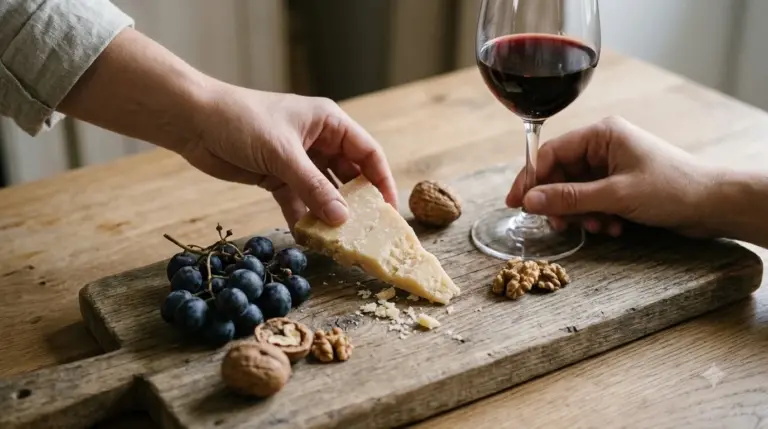
Think about Asiago cheese, mixed berries, turkey burgers, or strawberry shortcake. These foods complement the wine’s fruity and sweet character without requiring a complicated dinner menu.
Following these steps makes it easier to identify whether the wine fits your actual drinking habits. A bottle that is enjoyable at a summer gathering may not be the right choice for someone looking for a structured red to accompany a formal steak dinner.
Tip: Serve Stella Rosa Red well chilled rather than treating it like a room-temperature Cabernet Sauvignon. A temperature around 40–50°F is a useful starting range for sparkling wine, helping preserve its refreshing texture and fruit-forward character.
For a first purchase, the most sensible approach is to prioritize the wine’s style rather than expecting it to taste like a conventional dry red. If sweetness and gentle carbonation are exactly what you want, its characteristics are advantages rather than shortcomings.
Types and Styles Explained: Stella Rosa Red vs. Rosso
Stella Rosa has several red wine offerings, and the distinction between Stella Rosa Red and Stella Rosa Rosso is important when shopping. Both are sweet, fruit-forward Italian wines, but their official descriptions and alcohol concentrations are not identical.
Stella Rosa Red
The standard Stella Rosa Red is the product to consider if you are looking for a semi-sweet, semi-sparkling Brachetto-based red with a listed 5% ABV. Its official tasting notes emphasize ripe raspberry, wild strawberry, and red plum.
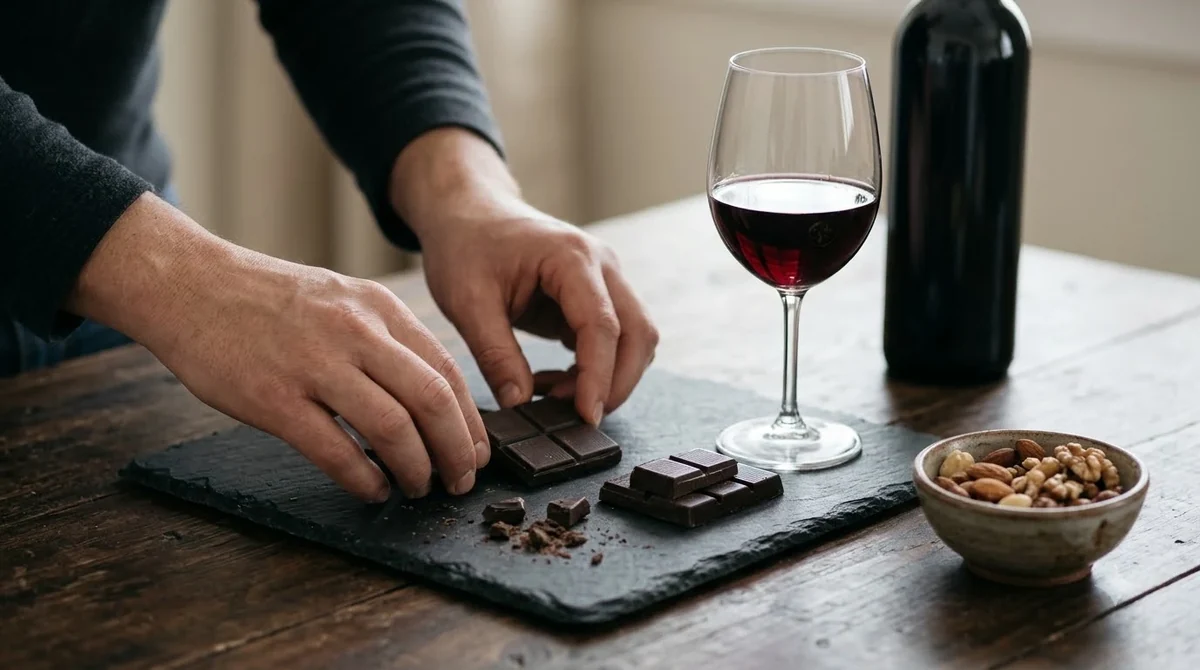
The producer recommends serving it chilled with Asiago cheese, spicy cioppino, turkey burgers with onions, strawberry shortcake, and mixed berries. This pairing selection illustrates its versatility across both savory and sweet dishes.
Its overall style is approachable and uncomplicated. Rather than concentrating on oak aging or extended bottle development, it emphasizes fruity flavors and a refreshing sparkling texture.
Stella Rosa Rosso
Stella Rosa Rosso is another semi-sweet, semi-sparkling red. Wine.com’s product description identifies it as a proprietary blend of several red grape varieties, including Brachetto, and its winemaker notes mention fresh strawberries, red berries, and natural carbonation.
Wine.com lists this version at 5.5% ABV. Its published product information also identifies a 750 ml non-vintage bottle from Piedmont, Italy. These specifications should not be automatically transferred to the standard Stella Rosa Red bottle.
Stella Rosa Rosso Red Berry
Rosso Red Berry is another distinct listing in the range. The producer describes fresh strawberry and red berry flavors and identifies it as a semi-sweet, semi-sparkling red made with Brachetto grapes.
The official product page lists 5.5% ABV. Recommended pairings include aged Gouda, pepper jack, spicy pasta primavera, and garlic bread. This makes it a useful alternative for shoppers who want a similar sweet sparkling red with a different product identity.
| Characteristic | Stella Rosa Red | Stella Rosa Rosso | Rosso Red Berry |
|---|---|---|---|
| Style | Semi-sweet, semi-sparkling | Semi-sweet, semi-sparkling | Semi-sweet, semi-sparkling |
| Grape description | Brachetto | Blend including Brachetto | Blend including Brachetto |
| Published ABV | 5% | 5.5% | 5.5% |
| Fruit profile | Raspberry, strawberry, plum | Strawberry, red berries | Strawberry, red berries |
| Suggested pairing | Asiago and berry desserts | Sweet desserts and chocolate | Aged Gouda and pepper jack |
One particularly useful independent reference is the Tastings.com review of Stella Rosa NV Rosso. The publication awarded the reviewed Rosso 85 points and a Silver Medal, describing it as moderately sweet with berry, cacao, and lightly smoky characteristics. It also recorded 5.5% alcohol and 10% residual sugar for that particular wine.
That review is useful context, but it should not be treated as a professional score for every Stella Rosa product. The reviewed Rosso and standard Stella Rosa Red are separate listings, and their published specifications should remain distinct.
If you want to compare the standard bottle’s identity and product details before purchasing, our dedicated Stella Rosa Red wine overview offers another starting point.
Common Mistakes When Buying and Drinking Stella Rosa Red
Most disappointments with Stella Rosa Red come from expecting a different style of wine. Understanding its sweetness, carbonation, grape character, and alcohol concentration prevents several common buying mistakes.
Expecting a traditional dry red
The most common mistake is purchasing Stella Rosa Red while expecting the flavor profile of a conventional Italian dry red. A bottle of Chianti, Barolo, or Brunello di Montalcino is generally selected for its dry structure, acidity, and tannin. Stella Rosa Red is designed around sweetness, fresh fruit, and gentle bubbles.
Those differences are substantial. Cabernet Sauvignon is typically high in tannin, while Pinot Noir generally has lower to medium tannin and relatively high acidity. Stella Rosa Red occupies a different stylistic category, so comparing it directly with those wines based on traditional red-wine structure is not especially helpful.
Assuming semi-sweet means barely sweet
Semi-sweet is a useful description, but it does not mean that every drinker will perceive the wine as only mildly sweet. Someone accustomed to dry table wine may find its fruitiness quite pronounced.
The independent Tastings.com review of Rosso recorded 10% residual sugar, but that number applies to the reviewed Rosso, not automatically to standard Stella Rosa Red. Published sweetness figures should not be transferred between different products without supporting information.
Confusing the red varieties
Stella Rosa Red, Rosso, and Rosso Red Berry have related names and overlapping flavor descriptions. However, the published ABV figures differ: the standard Red is listed at 5%, while the two Rosso listings are identified at 5.5%.
Reading the actual product name before purchasing helps avoid confusing the bottles. This is particularly important if you are comparing alcohol content or looking for a specific food-pairing recommendation.
Serving it too warm
Another mistake is serving a semi-sparkling wine at the temperature commonly used for full-bodied red wines. A warm glass can make a sweet wine seem heavier and less refreshing.
Chilling is a better approach. Sparkling wines are generally served around 40–50°F, while full-bodied reds are more commonly served around 60–65°F. Stella Rosa Red belongs much closer to the first serving approach.
Pairing it with the wrong foods
Not every traditional red-wine pairing works equally well with a sweet sparkling red. A very dry, heavily tannic red is often selected for grilled steak, while Stella Rosa Red is better suited to fruit, cheese, and foods that can complement its sweetness.
Food with noticeable acidity also deserves consideration. Acidic dishes generally pair best with wine that has equal or higher acidity. Sweet wine can be especially appealing with dishes that contain some spice, salt, or fruit, but very hot chili dishes may make alcohol sensations more noticeable.
For a more reliable result, begin with the producer’s suggested pairings instead of assuming that all red wines work with the same dinner menu.
Care, Serving, and Storage Tips
Proper serving and storage help preserve the wine’s fruit character and gentle carbonation. Stella Rosa Red is best enjoyed chilled, opened carefully, and refrigerated after serving if any wine remains.
Chill before opening
Place the bottle in the refrigerator before serving. A temperature in the 40–50°F range is a useful general reference for sparkling wine, providing a refreshing drinking experience without making the fruit characteristics difficult to appreciate.
Allow enough time for the wine to cool evenly. If the bottle has been stored in a warm room, chilling it before guests arrive is more convenient than attempting to cool it immediately before pouring.
Use appropriate glasses
A standard wine glass works well for Stella Rosa Red because it allows the drinker to appreciate its aroma and fruit flavors. A sparkling wine glass is also suitable if you prefer to emphasize the bubbles.
For a typical wine serving, pour approximately 5 ounces. A 750 ml bottle contains roughly five such servings, making it straightforward to estimate quantities for a small gathering.
Store unopened bottles properly
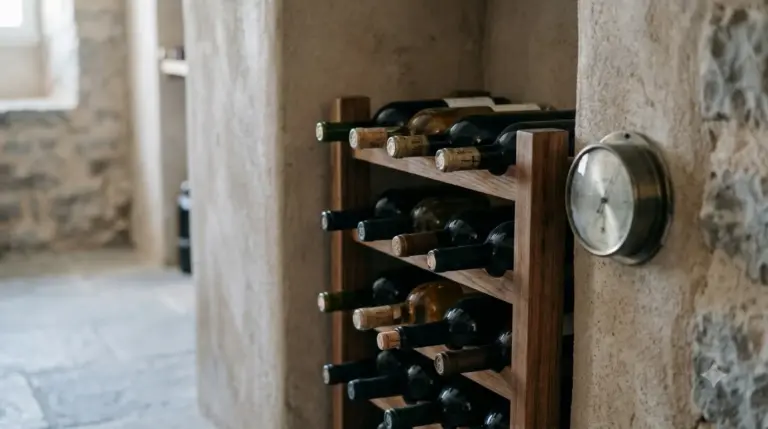
Wine is generally best stored in a cool, dark environment away from direct sunlight and large temperature fluctuations. A temperature near 55°F is a useful reference for longer-term wine storage.
Bottles with traditional cork closures are generally stored on their sides to help keep the cork from drying out. For a wine intended for casual consumption, however, the more important considerations are avoiding excessive heat, sunlight, and temperature swings.
Stella Rosa Red is not a wine that most shoppers need to purchase for long-term cellaring. Its fruit-forward, semi-sparkling character is better suited to relatively early enjoyment than to an extended aging project.
Refrigerate after opening
After opening, close the bottle appropriately and place it in the refrigerator. Sparkling wines generally retain their best characteristics for approximately one to three days after opening, although the exact result depends on how well the remaining carbonation is preserved.
A sparkling wine stopper can help slow the loss of bubbles. Avoid leaving the bottle open on a kitchen counter overnight, especially in a warm environment.
Before serving again, check that the wine still has an appealing aroma and flavor. If its bubbles have faded considerably, the drinking experience may be less refreshing even if the wine remains otherwise acceptable.
These simple habits are sufficient for most casual drinkers. There is little reason to purchase specialized wine-storage equipment for a bottle intended to be enjoyed over a short period.
Frequently Asked Questions
Is Stella Rosa Red real wine?
Yes. Stella Rosa Red is an alcoholic wine produced in Italy using Brachetto grapes. Its semi-sparkling character and relatively low alcohol concentration distinguish it from conventional still red wines, but it remains a wine rather than a nonalcoholic fruit beverage.
Does Stella Rosa Red contain added sugar?
The producer describes the wine as semi-sweet but does not publish a residual-sugar figure on its standard Red product page. Ingredient and nutrition information for a different Stella Rosa product should not automatically be applied to this bottle. For a precise sugar figure, consult the relevant product’s published nutritional information.
Is Stella Rosa Red suitable for making sangria?
Its fruity character and gentle carbonation make it a possible starting point for a casual sparkling red wine punch. Fresh strawberries, raspberries, and sliced citrus can complement its existing fruit profile. Add sparkling water only if you want a lighter drink with additional dilution, and avoid shaking the mixture because carbonation can cause excessive foaming.
Does Stella Rosa Red need to be decanted?
No. Decanting is generally unnecessary for this young, fruit-forward semi-sparkling wine. Unlike some young full-bodied reds, which may benefit from 30–60 minutes of aeration, Stella Rosa Red is intended to be enjoyed chilled with its fresh fruit character and carbonation intact.
Can Stella Rosa Red be served over ice?
It can be served over ice if you prefer a colder, more diluted drink, although ice gradually changes its flavor concentration and carbonation. Kroger specifically lists serving Stella Rosa Rosso Red Berry over ice as an option. That recommendation applies to the Rosso Red Berry product, rather than establishing an official serving requirement for every Stella Rosa red variety.
Stella Rosa Red is a worthwhile choice if your ideal red wine is sweet, fruity, lightly sparkling, and easy to serve chilled. Its 5% ABV and Brachetto-based fruit profile make it quite different from traditional dry reds, so the best buying decision comes down to whether you enjoy that particular style. If sweetness and fresh berry flavors are what you want, it is a bottle worth considering; if you prefer dry, structured reds, another wine will probably be a better match.
More in Wine Brands
 Is Surely Wine Good? Find the Right Non-Alcoholic Wine for Your TasteUpdated Nov 21, 2026
 Is Estancia Wine Good? How to Choose the Right BottleUpdated Nov 21, 2026
 Is Meiomi Chardonnay Good for Fans of Rich, Fruity White Wine?Updated Nov 21, 2026
 Is La Crema Wine Good? How to Choose the Right BottleUpdated Nov 21, 2026
 Is Sterling Wine Good? How to Choose a Bottle Worth BuyingUpdated Nov 21, 2026
 Is Mateus Rose Good? Taste, Sweetness and Food Pairing ExplainedUpdated Nov 21, 2026