


We may earn a commission when you buy through links on this page, at no extra cost to you. Learn more.
Is meiomi chardonnay good? Yes, Meiomi Chardonnay is a good choice if you enjoy rich, fruit-forward California white wine with creamy oak-influenced flavors, approachable acidity, and a smooth finish. It offers familiar notes of pineapple, apple, citrus, honey, and baking spices, making it particularly appealing to people who prefer fuller-bodied Chardonnay over lean, sharply mineral-driven whites. However, its ripe fruit character and richer texture may not suit drinkers who prefer crisp, restrained wines with little oak influence.
Meiomi has developed a recognizable California wine style built around generous fruit and an approachable drinking experience. Its Chardonnay follows that direction while retaining enough acidity to keep the richer flavors from feeling entirely heavy. Understanding its sweetness, oak influence, food compatibility, and serving temperature can help you decide whether this bottle belongs at your next dinner or gathering. For a closer look at the specific bottle, see our Meiomi Chardonnay overview.
Who This Meiomi Chardonnay Guide Is For
Meiomi Chardonnay is best suited to drinkers who enjoy ripe fruit, a rounded mouthfeel, and recognizable oak-associated flavors. It is particularly appealing if you already like California Chardonnay with tropical fruit, vanilla-like richness, and a soft, polished finish.
The wine is a reasonable starting point for someone exploring fuller-bodied white wines. Chardonnay is naturally versatile, and its flavor changes considerably depending on climate, ripeness, fermentation, and aging. Meiomi’s presentation leans toward richness rather than the restrained citrus-and-mineral character associated with cooler-climate styles.
According to the producer’s published description, its Chardonnay features citrus, apple, tropical fruit, honey, brown sugar, and clove. These flavors create a profile that can appeal to people who want more than straightforward lemon and green apple in their white wine. The combination also makes it suitable for casual dinners where guests have different levels of wine knowledge.
There are also good reasons to consider another style. If you strongly dislike creamy textures, prefer pronounced green fruit, or want a Chardonnay with minimal oak influence, Meiomi might feel too rich. A leaner Chardonnay or Sauvignon Blanc may better match those preferences.
This distinction matters because a wine can be well made and still be the wrong purchase for a particular palate. The useful question is not simply whether Meiomi is good, but whether its particular balance of fruit, acidity, and texture matches what you enjoy drinking. Readers comparing the producer’s different bottles can also explore our broader Wine Brands directory.
Key Factors to Compare Before Buying
The most important considerations are fruit intensity, oak character, acidity, alcohol, and overall body. Meiomi Chardonnay is positioned toward the richer end of the approachable California Chardonnay spectrum, so comparing these characteristics will give you a clearer idea of what to expect.

The following table summarizes the main buying considerations using the producer’s descriptions and published retailer and critic information. Alcohol figures are tied to specific vintage information rather than presented as an unchanging specification for every bottle.
| Factor | What to Expect | Why It Matters |
|---|---|---|
| Grape variety | Chardonnay | Provides a versatile base for fruit and oak flavors. |
| Origin | California | Associated with a wide range of ripe-fruit Chardonnay styles. |
| Bottle size | 750 ml | Provides approximately 5 standard 5-ounce servings. |
| Alcohol | 13.5% ABV for the listed 2021 vintage | Helps indicate the wine’s strength and serving character. |
| Fruit profile | Apple, citrus, pineapple, and stone fruit | Appeals to drinkers who enjoy generous fruit flavors. |
| Additional aromas | Honey, baking spices, and custard | Contributes to the richer aromatic profile. |
| Winemaking details | Stainless steel fermentation and French oak aging, according to Roth’s product description | Provides fruit definition alongside oak-associated depth. |
| Finish | Rich, smooth, and mineral-influenced | Balances the wine’s fuller texture. |
Fruit intensity
Fruit is one of the most important reasons to consider Meiomi. The published descriptions emphasize pineapple, apple, citrus, and stone fruit rather than relying entirely on subtle floral or herbal notes. Honey and baking spices add another layer, making the wine more expressive than a very neutral white.
That does not mean every sip will taste like sweet fruit juice. Aromas of ripe pineapple and honey can create an impression of sweetness even when the wine itself is dry. This distinction is particularly important for buyers who want fruity wine without necessarily wanting a dessert-style white.
Oak and texture
Oak influence is another major consideration. Roth’s description identifies French oak barrel aging, while the wine’s published tasting information references custard, butter, and baking spices. These characteristics are commonly associated with fuller, oak-influenced Chardonnay.
The resulting style is more rounded than a simple stainless-steel Chardonnay. If you enjoy a soft mouthfeel and richer flavors, that can be an advantage. If you prefer a lean wine with little apparent oak, it may be less appealing.
Acidity and alcohol
Chardonnay generally has medium acidity, although the actual impression depends on the growing region and winemaking decisions. Meiomi’s published descriptions mention succulent acidity, and Wine Enthusiast’s review of an earlier vintage specifically identified strong acidity alongside lemon peel and dried herb flavors.
Wine.com lists 13.5% ABV for its 2021 vintage. That is a useful reference when considering alcohol, but different vintages should not automatically be assumed to have identical figures. The combination of ripe fruit and moderate acidity gives the wine a relatively full impression without requiring it to taste flat or excessively sweet. Wine.com’s 2021 Meiomi Chardonnay listing and tasting information provides additional vintage-specific details.
Step-by-Step: How to Decide Whether Meiomi Chardonnay Suits You
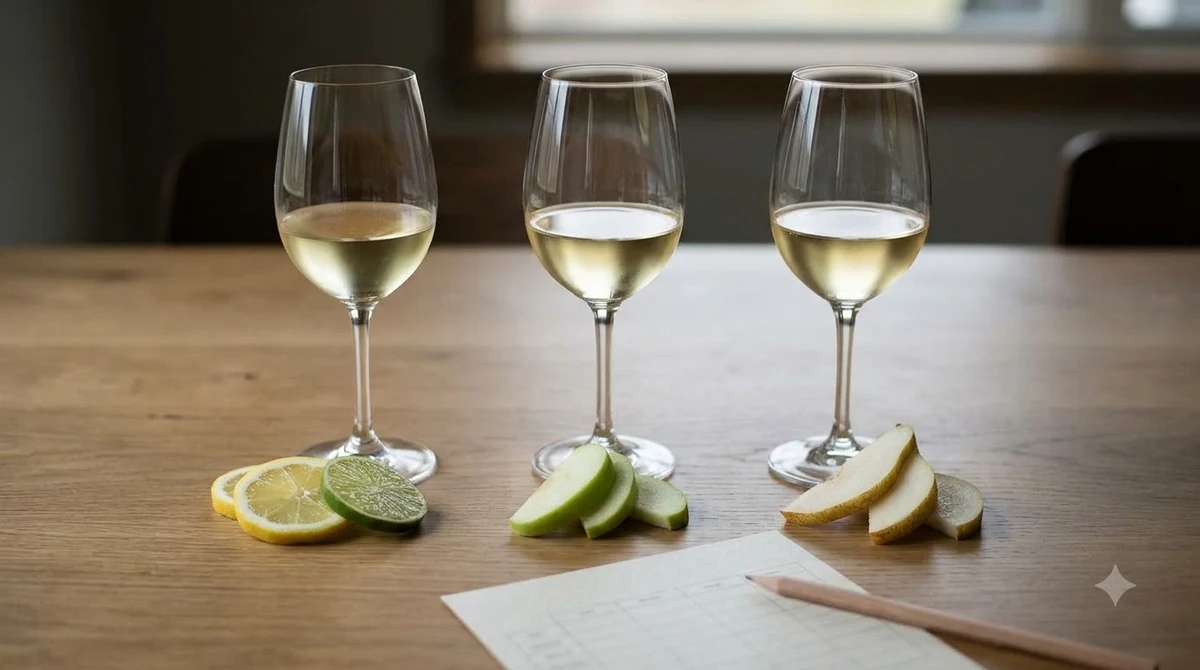
A simple buying process can prevent disappointment, especially if you are unfamiliar with the producer or are choosing wine for several guests. Start with your preferred flavor profile, then consider food, serving conditions, and the style of Chardonnay you normally enjoy.
-
Decide how much fruit you enjoy.
If you like pineapple, ripe apple, lemon, and stone fruit, Meiomi’s published flavor profile should be appealing. If you prefer tart green apple, lime, and restrained fruit, a cooler-climate Chardonnay may be a better starting point.
-
Consider your preference for oak.
Think about whether you enjoy vanilla-like, buttery, or custardy characteristics in white wine. Meiomi’s French oak aging and richer tasting descriptions make it more appropriate for someone who appreciates those flavors than for a drinker who actively avoids oak influence.
-
Think about the food you will serve.
Roasted chicken, creamy pasta, crab, and citrus shrimp are natural options. These dishes have enough richness or flavor to complement a fuller white wine without overwhelming its fruit character.
-
Consider the wine’s alcohol strength.
The listed 2021 vintage on Wine.com has 13.5% ABV. If you are choosing a white wine specifically because you want a lower-alcohol option, compare that figure with the separately marketed Bright Chardonnay rather than assuming the two products are interchangeable.
-
Plan the serving temperature.
Chill the bottle before serving, aiming for approximately 50–55°F for a fuller white wine. Excessive warmth can make alcohol and richer flavors feel more prominent, while serving it extremely cold can hide much of its aroma.
-
Choose the right occasion.
Meiomi works naturally for informal dinners, small celebrations, and gatherings where guests enjoy approachable fruit-forward wines. For a formal tasting focused on subtle regional differences or restrained acidity, a more distinctive single-region Chardonnay may be more suitable.
-
Compare it with your usual Chardonnay.
If your regular bottle is light, citrusy, and mineral-driven, expect Meiomi to feel different. If you usually choose rounder California whites, its fruit and oak character will probably be more familiar. For another expression from the same producer, our Meiomi Pinot Noir overview explains how its red wine differs in grape, structure, and food-pairing potential.
This process is especially useful when buying wine for someone else. Rather than relying on brand recognition alone, match the wine’s actual style with the person’s preferences and the meal being served.
Types and Styles of Meiomi Chardonnay Explained
Understanding the difference between standard Chardonnay and other white wine styles helps put Meiomi into context. The brand’s regular Chardonnay has a fruit-forward, rounded identity, while its separate Bright Chardonnay offers a different direction for drinkers who want a lower-alcohol option.
Standard Meiomi Chardonnay
The standard Chardonnay is the central choice for someone looking for the brand’s familiar richer white wine profile. The producer identifies citrus, apple, tropical fruit, honey, brown sugar, and clove among its tasting characteristics.
Retailer descriptions add more detail, including ripe stone fruit, custard, and baking spices. French oak aging contributes to the wine’s rounded character, while the published descriptions retain references to acidity and minerality. For more detailed flavor observations, see our Meiomi Chardonnay tasting notes.
For someone who wants a white wine that can accompany both a main course and a cheese plate, this combination is useful. The fruit provides immediate appeal, while the oak-associated characteristics give the wine enough texture to accompany richer foods.
Meiomi Bright Chardonnay
Bright Chardonnay is listed separately in Meiomi’s lower-alcohol range. It should not be treated as another name for the standard Chardonnay because the two products are presented as distinct offerings with different positioning.
This distinction matters for shoppers who want to compare alcohol strength and flavor. The regular Chardonnay is the more relevant choice for someone specifically seeking the brand’s traditional richer style, whereas Bright Chardonnay deserves consideration if a lower-alcohol white is the priority.
California Chardonnay compared with leaner styles
California Chardonnay covers a wide spectrum. Some wines emphasize ripe pear, pineapple, cream, and oak, while others highlight lemon, green apple, wet stone, and sharper acidity.
Meiomi belongs closer to the fruit-forward, rounded side of that spectrum. By comparison, Chardonnay from cooler areas such as Chablis in France is often associated with a leaner, more mineral-focused profile. Neither approach is automatically superior; they simply serve different preferences and meals.
If you enjoy Meiomi’s style but want to explore another expression of the grape, consider comparing it with unoaked Chardonnay. That comparison can help you understand how fermentation and maturation influence texture and aroma, even when the grape variety remains the same.
Common Mistakes When Buying Meiomi Chardonnay
Several misunderstandings can lead buyers to choose the wrong bottle or misinterpret its flavor. The biggest mistakes involve confusing fruity aromas with residual sugar, assuming all Chardonnay tastes alike, and overlooking the effect of serving temperature.
Assuming fruity means sweet
One of the most common misconceptions about Chardonnay is that tropical fruit and honey aromas automatically mean the wine is sweet. They do not. Aromatic fruitiness and residual sugar are separate characteristics.
A wine can smell like pineapple, baked apple, or honey while tasting dry. The perception of sweetness can also be influenced by alcohol, fruit ripeness, acidity, and oak-derived aromas.
For someone who prefers dry white wine but dislikes sharp, austere flavors, this distinction is important. Meiomi’s ripe fruit character can offer a softer impression without making it a dessert wine.
Expecting a crisp, unoaked Chardonnay
Another mistake is buying Meiomi while expecting a particularly lean, citrus-dominated white. Its published profile includes custard, honey, baking spices, and French oak, all of which point toward a richer experience.
Drinkers who favor Chablis or stainless-steel Chardonnay may find the texture and aromatic profile less restrained than expected. If that is your preference, compare production styles before purchasing rather than choosing based on grape variety alone.
Serving it too cold
Very cold wine can conceal aromas and make the fruit profile less expressive. A fuller white wine is generally better served slightly warmer than a light, crisp white.
For Meiomi, approximately 50–55°F is a useful target. If the bottle comes straight from a very cold refrigerator, allow it a short period to warm in the glass so the apple, pineapple, and baking spice characteristics become easier to appreciate.
Using the wrong food pairing
A rich Chardonnay can work beautifully with creamy dishes, but pairing it with food that has overwhelming acidity or heat can create an unbalanced experience. Strong chili heat, in particular, can become more pronounced alongside alcohol.
Very lean, delicate dishes may also be overshadowed by a fuller white wine. Instead of treating Chardonnay as a universal white wine, consider the weight, acidity, and seasoning of the meal.
Assuming every vintage tastes identical
Vintage variation and production adjustments can affect a wine’s aroma, acidity, and overall balance. Published descriptions from different vintages provide useful background, but an older critic’s assessment should not automatically be treated as a precise description of every current bottle.
Wine Enthusiast’s earlier review identified lemon peel, yellow pear, Marcona almond, and dried herbs. Wine.com’s information for another vintage emphasizes custard, butter, spiced pineapple, and tropical fruit. These descriptions illustrate why it is sensible to treat vintage-specific tasting information separately. You can read Wine Enthusiast’s review of the 2015 Meiomi Chardonnay for an example of how an earlier vintage was assessed.
Tip: If you are buying Meiomi Chardonnay for someone who normally enjoys buttery California whites, focus on the standard bottling rather than automatically choosing Bright Chardonnay. If that person prefers crisp, unoaked wines, consider a leaner Chardonnay instead.
Serving and Storage Tips for the Best Experience
Serving temperature and storage conditions can make a noticeable difference to a richer Chardonnay. Keep Meiomi cool, avoid excessive chilling, and serve it in a glass with enough room for the aromas to develop.
Choose the right serving temperature
A fuller Chardonnay generally benefits from serving at approximately 50–55°F. This range allows the fruit and oak-associated aromas to remain expressive while keeping the wine refreshing.
If you serve it straight from a very cold refrigerator, the first impression may be dominated by acidity and limited aroma. Allowing the wine to warm slightly can reveal more of its pineapple, apple, honey, and baking spice characteristics.
A standard white wine glass is suitable. A moderately wide bowl gives the wine space to release its aromas without requiring specialized glassware. You do not need an expensive collection of glasses to enjoy this style properly.
Chill the bottle before opening
Plan ahead rather than placing the bottle in the freezer for a quick chill. Roth’s product information recommends refrigerating a 750 ml bottle for at least two hours before serving. This is a practical starting point for a dinner or small gathering.
If the wine becomes too cold, let it sit briefly before pouring. Temperature is easier to adjust gradually than to correct after a bottle has been served excessively warm or frozen.
Store unopened bottles correctly
Keep unopened wine in a cool, dark location away from direct sunlight and substantial temperature fluctuations. A storage temperature near 55°F is a useful general target for wine, although consistency matters more than achieving an exact number in a typical household.
For bottles with natural cork closures, horizontal storage helps keep the cork in contact with the wine. Avoid placing bottles near ovens, radiators, or windows where heat and sunlight can accelerate unwanted changes.
Preserve an opened bottle
If you do not finish the bottle, reseal it promptly and place it in the refrigerator. Even fuller-bodied whites benefit from refrigeration after opening because lower temperatures slow oxidation.
As a general guideline, opened still wines are best consumed within approximately three to five days. The wine may lose some freshness and aromatic intensity over that period, so a tightly sealed bottle is preferable to one left exposed to air.
For a dinner involving several courses, a 750 ml bottle provides approximately five standard 5-ounce pours. That makes it relatively easy to estimate how many bottles you need without opening more wine than the gathering requires.
Frequently Asked Questions
Is Meiomi Chardonnay suitable for a beginner?
Yes, its recognizable fruit and smooth texture make it approachable for someone learning about Chardonnay. It does not require detailed knowledge of wine regions or production methods to appreciate its general style. Starting with familiar foods such as chicken or creamy pasta can make the experience more accessible.
Does Meiomi Chardonnay contain sulfites?
Meiomi Chardonnay, like many commercially produced wines, contains sulfites. Sulfur dioxide and sulfites are commonly used in winemaking to help protect wine against oxidation and unwanted microbial activity. Bottled wine labels provide relevant allergen information for consumers.
Can Meiomi Chardonnay be used for cooking?
Yes, Chardonnay can be used in dishes such as cream sauces, risotto, and pan sauces for chicken. Meiomi’s fuller fruit and oak-influenced character may be more noticeable in a finished sauce than a neutral cooking wine. Use a modest amount and allow the alcohol to cook off appropriately as part of the recipe.
Can Meiomi Chardonnay be served in a wine cocktail?
It can be used in certain white-wine cocktails, particularly recipes that include citrus or fruit-based ingredients. However, its richer texture and oak-associated flavors may make it less suitable for very delicate sparkling-style preparations. A simpler chilled wine-and-citrus combination is a more natural starting point.
Does Meiomi Chardonnay need to be decanted?
No, standard Meiomi Chardonnay does not generally require formal decanting before serving. Unlike some young, tannic red wines, Chardonnay is normally ready to pour once properly chilled. If you want to release its aromas, allowing a glass to sit for a few minutes is usually sufficient.
Meiomi Chardonnay is a worthwhile option for drinkers who appreciate California white wine with ripe fruit, a rounded texture, and noticeable oak influence. Its combination of pineapple, apple, citrus, honey, and baking spices makes it particularly suitable for casual dinners and richer food pairings. If you prefer a crisp, restrained Chardonnay, compare styles before choosing; if you enjoy fuller whites, Meiomi deserves a place on your shortlist.
More in Wine Brands
 Is Winc Wine Good? What to Expect Before You BuyUpdated Nov 21, 2026
 Is Giesen Wine Good? Choose the Right Bottle for Your TasteUpdated Nov 21, 2026
 Is Proxies Wine Good? What to Expect Before You BuyUpdated Nov 21, 2026
 Is Surely Wine Good? Find the Right Non-Alcoholic Wine for Your TasteUpdated Nov 21, 2026
 Is Estancia Wine Good? How to Choose the Right BottleUpdated Nov 21, 2026
 Is La Crema Wine Good? How to Choose the Right BottleUpdated Nov 21, 2026