


We may earn a commission when you buy through links on this page, at no extra cost to you. Learn more.
Meiomi Chardonnay tasting notes typically feature ripe pineapple, lemon peel, apple, tropical fruit, honey, baking spices, and subtle custard, with a creamy texture and refreshing acidity. This California Chardonnay combines generous fruit flavors with oak-influenced richness and a clean, mineral-tinged finish. It is generally a good choice for drinkers who enjoy approachable, fruit-forward white wines with a fuller mouthfeel. Its precise flavor balance and alcohol level can vary between vintages and bottlings.
Meiomi has developed a recognizable Chardonnay style built around ripe California fruit, rounded texture, and layers of spice and citrus. The wine offers more richness than many lean, high-acid white wines without relying entirely on buttery or vanilla flavors. Understanding its aromas, palate, winemaking, and serving characteristics makes it easier to decide whether it suits your preferences and what to serve alongside it.
Meiomi Chardonnay Flavor Profile and First Impressions
Meiomi Chardonnay is best understood as a fruit-forward, medium-to-full-bodied California white with a rounded texture and noticeable freshness. Pineapple, apple, lemon, honey, and baking spices form its recognizable flavor family, while subtle custard and mineral notes add complexity.
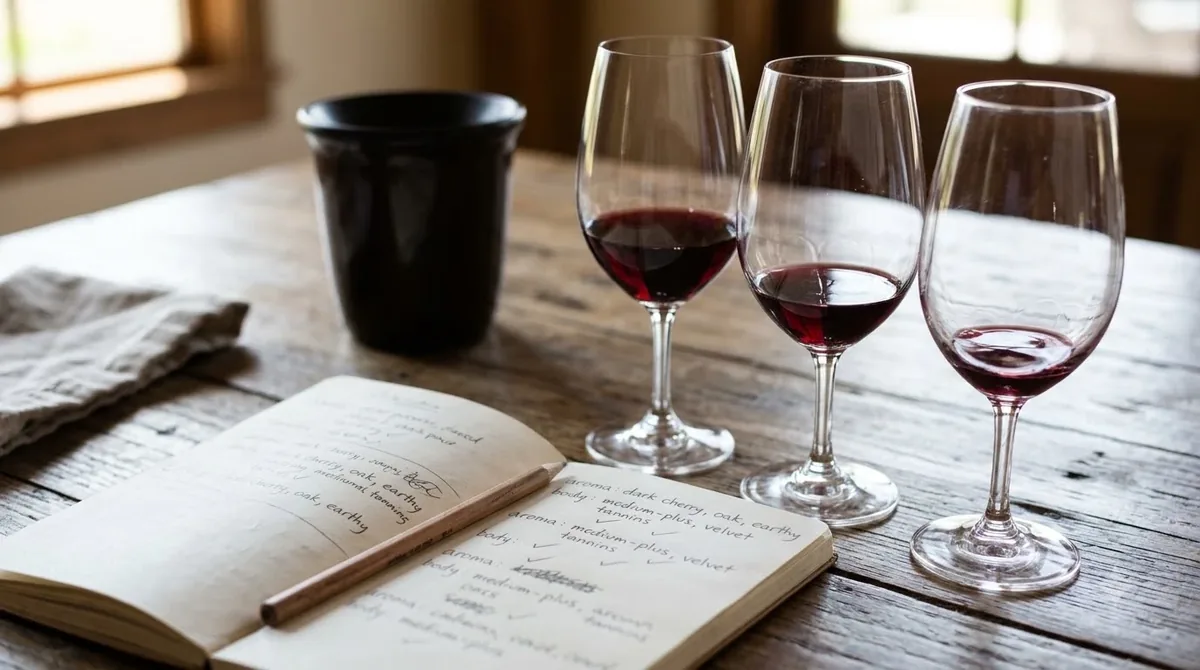
The first impression usually comes from ripe fruit rather than sharp citrus or pronounced green aromas. Pineapple and other tropical fruit notes provide a generous character, while apple and pear bring a familiar orchard-fruit dimension. Lemon peel adds brightness that helps balance the richer elements.
The aroma can also reveal honey, almond, vanilla-like sweetness, and baking spices. These characteristics contribute to the impression of richness, although aromatic sweetness should not be confused with actual residual sugar. Meiomi Chardonnay is generally presented as a dry-style wine, with fruit ripeness and oak-related aromas creating a perception of sweetness.
Meiomi’s published 2016 tasting notes describe smooth, opulent layers of pineapple and lemon peel alongside honey, almonds, baking spices, and subtle custard aromas. The same description highlights succulent acidity and a clean, mineral-driven finish. These details provide a useful reference for understanding the traditional style.
Individual professional reviews reveal additional dimensions. Wine Enthusiast’s review of the 2016 vintage identifies melon, lemon soda, mango, plumeria, and a distinctive cold-steel impression on the nose. Its palate description adds guava, Anjou pear, and pineapple as the wine opens up. The Wine Enthusiast review of the 2016 Meiomi Chardonnay provides a useful vintage-specific example of these characteristics.
These descriptions show why different drinkers may identify different leading flavors in the same wine. One person might notice pineapple and honey immediately, while another might focus on lemon, apple, or almond. Glass shape, serving temperature, vintage, and individual sensitivity to aromas can all influence the experience.
For a useful comparison, consider the difference between a bright, citrus-driven Chardonnay and a richer California style. Meiomi generally leans toward ripe fruit and a plush texture, although its acidity prevents the wine from feeling entirely heavy.
Aroma and Taste: What You Notice in the Glass
The aroma develops through several layers, beginning with ripe fruit and moving toward citrus, baking spices, and creamy or nutty impressions. On the palate, pineapple, apple, and citrus provide the central flavors, while texture and acidity determine how rich the wine feels.
The nose: fruit, honey, and baking spices
Start by gently swirling a small pour and smelling the wine before taking a sip. Pineapple is a useful starting point because it appears consistently in Meiomi’s published tasting descriptions. Depending on the vintage, you may also recognize melon, mango, yellow apple, or pear.
Lemon peel and citrus provide a contrasting aromatic element. Rather than smelling like a simple glass of lemon juice, the citrus character often resembles lemon zest, lemon candy, or the fragrant outer peel of fresh fruit. These notes make the overall aroma feel brighter.
Honey, almond, and baking spice create another layer. Honey can suggest ripe fruit and aromatic richness, while almond may remind you of toasted nuts or marzipan. Baking spice can include impressions of cinnamon, nutmeg, and other warm kitchen aromas.
The palate: ripe fruit and rounded texture
On the first sip, look for a combination of ripe fruit and moderate-to-noticeable acidity. Pineapple, apple, pear, and citrus can appear together, creating a flavor profile that feels generous without becoming entirely sweet. Some vintages also show guava or mango.
The texture is an important part of the experience. Meiomi’s traditional Chardonnay style is associated with a rounded, smooth, and sometimes velvety mouthfeel. The wine can feel broader across the middle of the palate than a particularly lean Chardonnay, especially when served at a suitable temperature.
Oak-related and creamy impressions contribute to that sensation. Subtle custard, toasted almond, and spice can make the wine seem richer, while acidity provides structure and keeps the fruit from becoming monotonous.
The finish: freshness and gentle richness
The finish brings together the wine’s fruit, texture, and acidity. Expect lingering impressions of citrus, pineapple, apple, or gentle spice rather than an intensely tannic or drying sensation. Chardonnay has no meaningful red-wine tannin structure, so its finish is generally softer than that of a structured Cabernet Sauvignon.
Some vintages emphasize a clean mineral character, while others show more obvious toasted or creamy notes. A 2016 bottle, for example, is described in the producer’s notes as having a clean, mineral-driven finish. That combination of richness and freshness is central to understanding the wine’s appeal.
Body, Sweetness, Acidity, and Alcohol
Meiomi Chardonnay generally offers a medium-to-full-bodied impression, a dry overall profile, and enough acidity to balance its ripe fruit. Alcohol and residual sugar figures can differ by bottling, so older technical information should not automatically be applied to every bottle.
Body describes how substantial a wine feels in your mouth. A light-bodied white may feel delicate and relatively thin, while a fuller Chardonnay creates a broader sensation. Meiomi sits toward the richer end of the approachable California Chardonnay spectrum, particularly in its traditional bottling.
Its apparent sweetness comes largely from the fruit and aromatic profile. Pineapple, mango, honey, and custard can make a wine smell sweet even when its actual sugar content is low. A dry wine does not have to taste austere, especially when ripe fruit and oak create a rounded impression.
The acidity is another important component. Chardonnay generally has medium acidity, although climate, picking decisions, fermentation, and winemaking can affect the final balance. Meiomi’s citrus and mineral notes help offset the weight of its fruit and creamy texture.
Alcohol contributes to the perception of body and warmth. The producer’s 2016 technical information lists 13.9% alcohol by volume, while Wine Enthusiast also lists 13.9% for that vintage. This is a vintage-specific figure, not a guaranteed specification for every Meiomi Chardonnay.
One important distinction concerns Meiomi Bright Chardonnay. Wine Enthusiast’s review of the 2023 Bright bottling lists 8% alcohol and identifies tropical fruit, yellow apple, vanilla cream, toasted hazelnut, and a creamy, dry finish. It should be treated as a separate lower-alcohol expression rather than assumed to represent the traditional Chardonnay’s composition.
| Characteristic | Traditional style reference | What it means in the glass |
|---|---|---|
| Grape variety | Chardonnay | Ripe fruit, citrus, and potential oak influence |
| 2016 alcohol | 13.9% ABV | A fuller impression and noticeable warmth |
| 2016 total acidity | 5.8 g/L | Freshness and balance |
| 2016 residual sugar | 3.0 g/L | A relatively dry technical profile |
| 2016 pH | 3.5 | Indicates the wine’s measured acidity environment |
| Serving temperature | 50-55 F | Allows a fuller white wine to show its aromas |
| Bottle size | 750 ml | Approximately five 5 oz servings |
The table uses the published technical figures for the 2016 vintage rather than suggesting that every current bottle has identical measurements. These numbers are useful for understanding the wine’s structure, but the actual drinking experience also depends on fruit concentration, oak influence, and serving conditions.
For readers who enjoy comparing California white wines, Rombauer Chardonnay tasting notes offer another useful reference for exploring a richer Chardonnay profile and understanding how different producers approach texture and oak.
Oak, Fermentation, and the Three California Regions
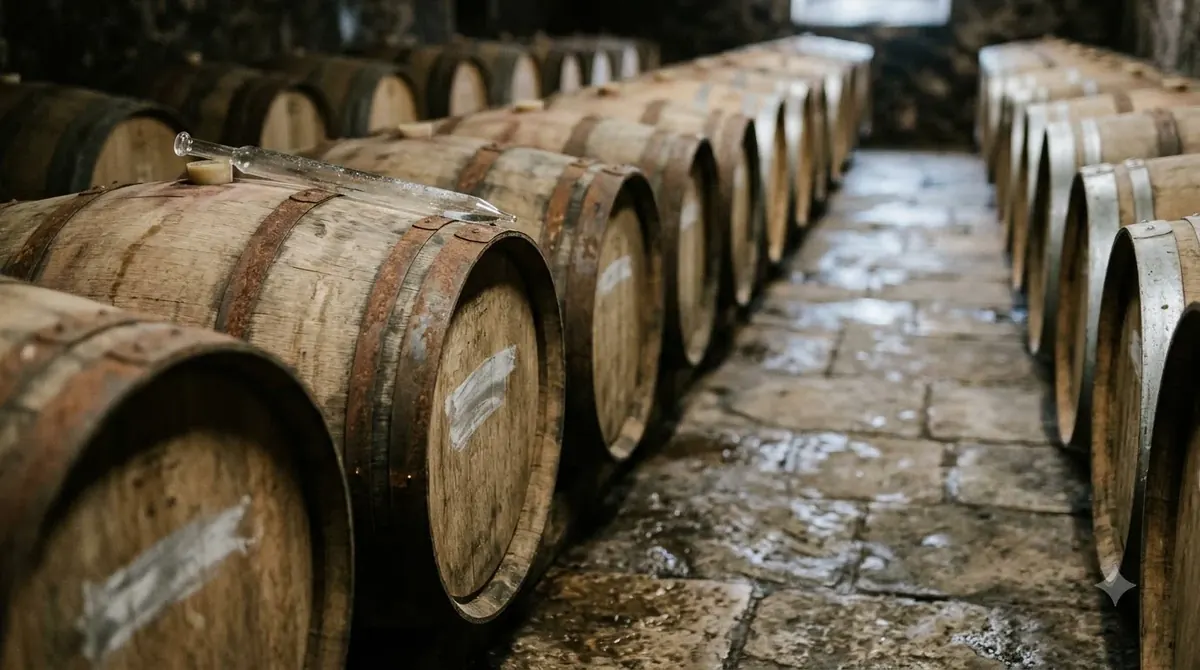
Meiomi’s traditional Chardonnay character reflects a combination of California coastal fruit and cellar techniques designed to create texture and complexity. Its published winemaking information identifies stainless steel fermentation, lees stirring, malolactic fermentation, and French oak aging as important elements of the 2016 production.
What stainless steel fermentation contributes
Stainless steel tanks provide a controlled fermentation environment and do not introduce the vanilla, toast, or spice characteristics associated with oak barrels. They can help preserve the fruit expression of Chardonnay, including pineapple, apple, citrus, and other fresh aromas.
However, stainless steel fermentation does not necessarily mean that the finished wine is unoaked. Meiomi’s 2016 technical information specifically describes a combination of stainless steel fermentation and French oak aging. This distinction matters because fermentation vessels and maturation vessels serve different purposes.
Lees stirring and malolactic fermentation
Lees are the spent yeast cells and other fine particles that remain after fermentation. Allowing wine to remain in contact with lees can contribute texture and complexity. Stirring those lees, a process known as bâtonnage, distributes the material through the wine and can create a fuller mouthfeel.
Meiomi’s published 2016 winemaking notes identify lees stirring as a technique used to develop a velvety texture. The same vintage underwent 100% malolactic fermentation. During this process, sharper malic acid is converted into softer lactic acid, which can contribute to a rounder impression and buttery or creamy associations.
Malolactic fermentation does not automatically make every Chardonnay taste strongly of butter. The final impression also depends on the fruit, acidity, oak, and other winemaking choices. In Meiomi, the published tasting profile combines creamy custard and almond notes with pineapple, lemon peel, and freshness.
French oak and aromatic complexity
French oak can contribute subtle spice, toast, and vanilla-like impressions to Chardonnay. The effect depends on the amount of oak, barrel age, maturation time, and the characteristics of the original wine. Oak can add complexity without completely replacing the fruit character.
For Meiomi’s 2016 bottling, the producer describes aging on French oak for additional depth and roundness. Its published 2016 Chardonnay technical and tasting information also documents the fermentation, malolactic fermentation, and lees-stirring details that help explain the wine’s texture.
How the California counties contribute
The 2016 producer information provides a particularly useful breakdown of the blend. Monterey County accounted for 37%, Sonoma County contributed 33%, and Santa Barbara County represented 30%.
Each area supplied a different flavor dimension. Monterey County provided ripe stone fruit and steely minerality. Sonoma County added baked apple, citrus, and a supple texture. Santa Barbara County contributed grilled pineapple, tropical fruit, and exotic spices.
This combination helps explain the wine’s balance between fruit concentration and freshness. The regional percentages are specific to the 2016 vintage, however, and should not be treated as a permanent recipe for all subsequent releases.
For readers interested in another California Chardonnay, Cakebread Chardonnay tasting notes provide a useful comparison of fruit, texture, and oak expression across established producers.
Best Food Pairings for Meiomi Chardonnay
Meiomi Chardonnay works particularly well with roasted poultry, seafood, creamy pasta, and moderately rich cheeses. Its ripe fruit and acidity can complement flavorful dishes, while its rounded texture works alongside butter, cream, and other rich ingredients.
Roasted chicken is one of the easiest starting points. The savory character of the poultry works with the wine’s ripe apple and pineapple flavors, while the acidity helps refresh the palate between bites. Chicken prepared with lemon, herbs, or a light cream sauce is especially suitable.
Seafood offers several good possibilities. Fresh crab, citrus shrimp, and oysters are among the pairings identified in Meiomi’s product description. Crab meat has a naturally sweet, delicate flavor that complements ripe Chardonnay fruit, while lemon-based shrimp dishes connect with the wine’s citrus notes.
Oysters can work particularly well when served simply, with lemon or a restrained sauce. Avoid overpowering delicate seafood with excessive spice or strongly flavored condiments. The wine’s fruit and creamy texture are better suited to preparations that preserve the seafood’s natural character.
Cheese and creamy dishes
Cheese provides another natural pairing category. Goat cheese brings tangy acidity that contrasts with the wine’s rounded texture. Crumbly cheddar offers a savory, slightly sharp flavor, while fresh mascarpone provides a creamy match for the wine’s custard-like characteristics.
Creamy pasta is also a strong option. Alfredo-style sauces, mushroom cream pasta, and chicken pasta with Parmesan can complement the wine’s body. A squeeze of lemon or a little fresh parsley helps keep these dishes from feeling excessively rich.
For grilled or roasted foods, consider chicken with herbs, mild grilled vegetables, or seafood with a light butter sauce. The key is matching the intensity of the dish to the wine rather than allowing one component to overwhelm the other.
Foods that need more care
Very spicy dishes are less predictable because alcohol can amplify chili heat. A traditional Meiomi Chardonnay with relatively elevated alcohol may make heavily peppered or chili-forward food feel hotter. Mildly seasoned dishes are generally easier matches.
Highly acidic dishes also require attention. A tomato-heavy preparation or strongly vinegared salad may make a wine with less acidity taste flat. Adding a creamy element, roasted vegetables, or a less acidic dressing can create a better balance.
Tip: Start with roasted chicken, crab, or creamy mushroom pasta. These dishes complement Meiomi Chardonnay’s ripe fruit and rounded texture without overpowering its citrus and mineral notes. Add lemon or fresh herbs for extra freshness.
Serving Temperature, Glassware, and Storage
Serve Meiomi Chardonnay at approximately 50-55 F for a fuller-bodied white wine experience. This temperature allows its tropical fruit, citrus, and creamy aromas to become more expressive without making the alcohol feel overly prominent.
Serving Chardonnay too cold can mute its aromas and make the texture seem less expressive. Very warm serving temperatures can emphasize alcohol and make the wine feel heavier. A moderately chilled bottle offers a practical balance between freshness and aromatic development.
For a bottle stored in a refrigerator, allow a short period at room temperature if it feels excessively cold. If the bottle has been stored at room temperature, refrigerate it before serving. A wine thermometer can help, but a little attention to how the wine smells and feels in the glass is often sufficient.
Choosing the right glass
A standard medium-to-large white wine glass is suitable for Meiomi Chardonnay. A slightly wider bowl gives the aromas room to develop while directing the wine toward the palate. There is no requirement to use an expensive specialist glass to enjoy the wine properly.
Pour approximately 5 oz per serving. A 750 ml bottle contains around five standard glasses, allowing enough room in the glass for swirling and aromatic development. Avoid filling the glass to the rim, particularly when evaluating the wine’s aromas.
Keeping an opened bottle fresh
Once opened, reseal the bottle with its original closure or a suitable wine stopper and refrigerate it. Most opened still wines retain their best quality for approximately 3-5 days under proper refrigeration, although their aromas and freshness can gradually change.
Keep the bottle away from direct sunlight, excessive heat, and repeated temperature fluctuations. If you plan to store unopened bottles for longer periods, a cool, dark location near 55 F is a useful target. Bottles with natural corks are generally stored horizontally to help keep the cork from drying out.
Chardonnay does not normally require decanting. Opening the bottle and giving the wine a few minutes in the glass is usually sufficient to let its aromas develop. Unlike a young, tannic Cabernet Sauvignon, Meiomi Chardonnay does not need a 30-60 minute decanting period.
How Meiomi Compares With Other Chardonnays
Meiomi occupies a fruit-forward position among approachable California Chardonnays, combining tropical fruit, citrus, oak influence, and a rounded texture. Comparing it with other producers helps clarify whether you prefer a richer, creamier style or a brighter and more restrained expression.
One useful comparison is Rombauer Chardonnay. Both wines can appeal to drinkers who enjoy a generous California Chardonnay, but the exact balance of fruit, oak, and texture depends on the producer and vintage. Comparing their published tasting descriptions is a practical way to identify your preferred aromatic profile.
Cakebread Chardonnay offers another reference point. It is useful for readers interested in exploring how different California producers balance orchard fruit, citrus, oak, and acidity. A comparison should focus on the individual bottlings rather than assuming that all California Chardonnay follows the same formula.
Meiomi Pinot Noir provides an interesting comparison within the same brand. Although it is a red wine made from a different grape, its fruit-forward California identity makes it a natural reference for readers exploring the broader brand portfolio. See Meiomi Pinot Noir tasting notes for a closer look at its red-fruit character and softer tannin structure.
Professional reviews also illustrate how Meiomi Chardonnay can vary between vintages. Wine Enthusiast awarded the 2013 and 2016 traditional bottlings 90 and 88 points respectively. Its descriptions range from rich, buttery, and full-bodied to cleaner, crisper, and more mineral-driven.
The 2015 review adds another perspective, identifying sea salt, Marcona almond, yellow pear, lemon peel, subtle smoke, and dried herbs. These differences are a reminder that tasting notes describe a particular bottle rather than a fixed flavor formula that every vintage must reproduce.
Meiomi Bright Chardonnay should also be considered separately. Its 2023 review identifies pineapple, melon, yellow apple, vanilla cream, and toasted hazelnut, while its listed 8% ABV distinguishes it from the traditional bottling. The difference is important for anyone comparing alcohol levels or expecting the same body from every wine carrying the Meiomi name.
For a broader introduction to different producers, grape varieties, and recognizable wine styles, the Wine Brands section offers another starting point for exploring bottles beyond Chardonnay.
The best comparison is ultimately based on what you enjoy most. If ripe pineapple, honey, almond, and a creamy finish appeal to you, Meiomi’s traditional Chardonnay style is a logical choice. If you prefer restrained fruit, sharper acidity, or a more pronounced mineral character, comparing several different California Chardonnay bottlings may reveal a better match.
Frequently Asked Questions
Is Meiomi Chardonnay made from 100% Chardonnay grapes?
Meiomi Chardonnay is marketed as a Chardonnay varietal wine, but the specific grape composition and labeling details can depend on the bottling. The published 2016 producer information identifies the wine as Chardonnay and describes a blend sourced from three California counties. Regional blending does not mean that different grape varieties are being combined.
What does the name Meiomi mean?
Meiomi is described in the brand’s product information as meaning “coast.” The name reflects the wine’s connection with California’s coastal winegrowing areas. It also provides a useful reference to the maritime influences associated with the brand’s regional sourcing story.
Does Meiomi Chardonnay need to breathe before serving?
Meiomi Chardonnay generally does not require extended aeration or formal decanting. Opening the bottle and allowing the wine to sit in the glass for approximately 5-10 minutes can help its aromas become more expressive. A conventional white wine glass is sufficient for this purpose.
What color should Meiomi Chardonnay look like?
California Chardonnay commonly displays a pale straw to medium golden-yellow appearance, depending on the vintage and winemaking approach. Oak maturation and bottle development can influence the depth of color. A deeper golden appearance alone does not establish that a bottle is defective or past its best.
Can Meiomi Chardonnay be used in cooking?
Dry Chardonnay can be used in recipes such as chicken pan sauces, seafood preparations, and creamy risotto. Its fruit and acidity can contribute flavor while helping balance butter and cream. Use a wine whose flavor you enjoy drinking, and avoid relying on cooking to correct a bottle with noticeable faults.
Meiomi Chardonnay is a recognizable California white wine for drinkers who appreciate ripe tropical fruit, citrus, gentle spice, and a rounded mouthfeel. Its traditional style combines fruit concentration with oak-related complexity and refreshing acidity, making it versatile with roasted poultry, seafood, cheese, and creamy pasta. Serving it at 50-55 F provides a good starting point for appreciating its balance of richness and freshness.
More in Wine Brands
 Underwood Wine Price: Compare Bottles, Cans, and Pack SizesUpdated Nov 21, 2026
 Zenato Wine Price: Compare Styles and Choose the Right BottleUpdated Nov 21, 2026
 Zuccardi Wine Price: Compare Bottles and Find the Right RangeUpdated Nov 21, 2026
 Yellow Tail Moscato Review: Taste, Sweetness and Serving TipsUpdated Nov 21, 2026
 Wolf Blass Yellow Label Review: Choose Your Best StyleUpdated Nov 21, 2026
 Wolffer Estate Rose Review: Choose the Right Bottle for Your TableUpdated Nov 21, 2026