


We may earn a commission when you buy through links on this page, at no extra cost to you. Learn more.
For meiomi pinot noir tasting notes, expect a ripe, fruit-forward California Pinot Noir with black cherry, juicy strawberry, toasted mocha, and noticeable oak. The wine is generally plush in texture, with softer tannins than Cabernet Sauvignon and enough freshness to keep its darker flavors moving. Bottling and vintage matter: a recent 2023 review listed 14.5% alcohol, while a 2022 review listed 13.5%. The guide below explains what those flavors mean in the glass, how to serve the wine, and which foods make the best matches.
Meiomi is a recognizable California Pinot Noir style built around generous fruit, a rounded feel, and oak-derived notes. It is a useful choice for drinkers who like cherry and berry flavors with a little mocha and vanilla, rather than a very light, earthy, or sharply savory interpretation of the grape. Understanding the difference between the standard bottling and other Meiomi releases also helps set realistic expectations before opening a bottle.
Meiomi Pinot Noir Flavor Profile
Meiomi Pinot Noir is best described as ripe, dark-fruited, and oak-influenced, with black cherry, strawberry, and toasted mocha at the center of its profile. The producer’s current description emphasizes black cherry, toasty oak, juicy strawberry, and toasted mocha, a combination that gives a good first impression of the wine’s signature style.

Black cherry is usually the most useful flavor to look for first. It can come across as fresh cherry flesh, dark cherry preserves, or a richer cherry compote impression, depending on the vintage and how warm the wine is served. Strawberry adds a brighter red-fruit note beside that darker center. In some glasses, the strawberry character may seem fresh and juicy; in others, it can feel riper, closer to strawberry jam. These are descriptions of aroma and flavor, not an indication that the wine is sweet like a dessert wine.
The oak notes give the fruit profile extra weight. Toasted mocha suggests a meeting of roasted coffee, cocoa, and the warm aroma of toasted wood. Vanilla can appear alongside those flavors, especially as the wine warms slightly in the glass. Together, these notes make Meiomi feel broader and more confectionary than a restrained Pinot Noir that focuses on tart cherry, forest floor, and delicate floral aromas. That difference is a matter of style rather than a universal measure of quality: a drinker looking for a generous, immediately expressive red may welcome the richness, while someone seeking a leaner and more savory Pinot may prefer a different bottling.
Vintage can shift the balance between red fruit, dark fruit, spice, and oak. A bottle may show more strawberry and raspberry in one year, then lead with blackberry, plum, or mocha in another. Treat the producer’s black-cherry-and-strawberry description as a reliable starting point, not a promise that every bottle will smell identical. The fruit may also seem more concentrated after the wine has had a little time in the glass, particularly if the bottle began too cold. For a quick comparison with a more restrained California style, the La Crema Pinot Noir tasting notes provide another reference point for how Pinot Noir can express fruit, freshness, and oak in a different balance.
Aromas, Palate, and Finish
The aroma tends to combine ripe red and dark fruit with baking-spice and oak-related scents. On the palate, Meiomi is often round and generous, with cherry and berry flavors followed by vanilla, mocha, or a gently warming finish.
Wine Enthusiast’s review of the 2023 bottling described youthful raspberry, red plum, coriander, and mushroom on the nose. It then identified dark cherry, loganberry, vanilla bean, and mocha on the palate, with dry, juicy tannins at the finish. Those notes show why tasting descriptions can vary without truly disagreeing: the wine can offer a bright, red-fruited aroma while still tasting darker and richer once it reaches the palate. Coriander adds a subtle savory-spice impression, and mushroom can give the nose a more earthy edge than the fruit-led label description might suggest. The Wine Enthusiast review of the 2023 Meiomi Pinot Noir gives the vintage-specific tasting description and its 88-point assessment.
Another professional review, covering the 2022 bottling, found blackberry, chocolate, mocha, black cherry, and vanilla, then described a medium-bodied, dry-yet-fruity palate with black-cherry cream, chocolate-fudge, and blackberry-candy accents. That review called the tannins well integrated and the oak moderate. The contrast between reviews is useful: one vintage can read as raspberry and plum with spice, while another may seem more like blackberry and chocolate. Neither list should be treated as a fixed checklist that every bottle must show.
To assess the finish, take a small sip and notice what remains after swallowing. In this style, look for lingering cherry, cocoa, vanilla, or toast, together with a gentle drying sensation from tannin. A finish that feels warm does not necessarily mean the wine is out of balance; alcohol can register as warmth, especially if the bottle is served too close to room temperature. Give it a few minutes in the glass before deciding whether the warmth is distracting or simply part of the wine’s fuller California profile.
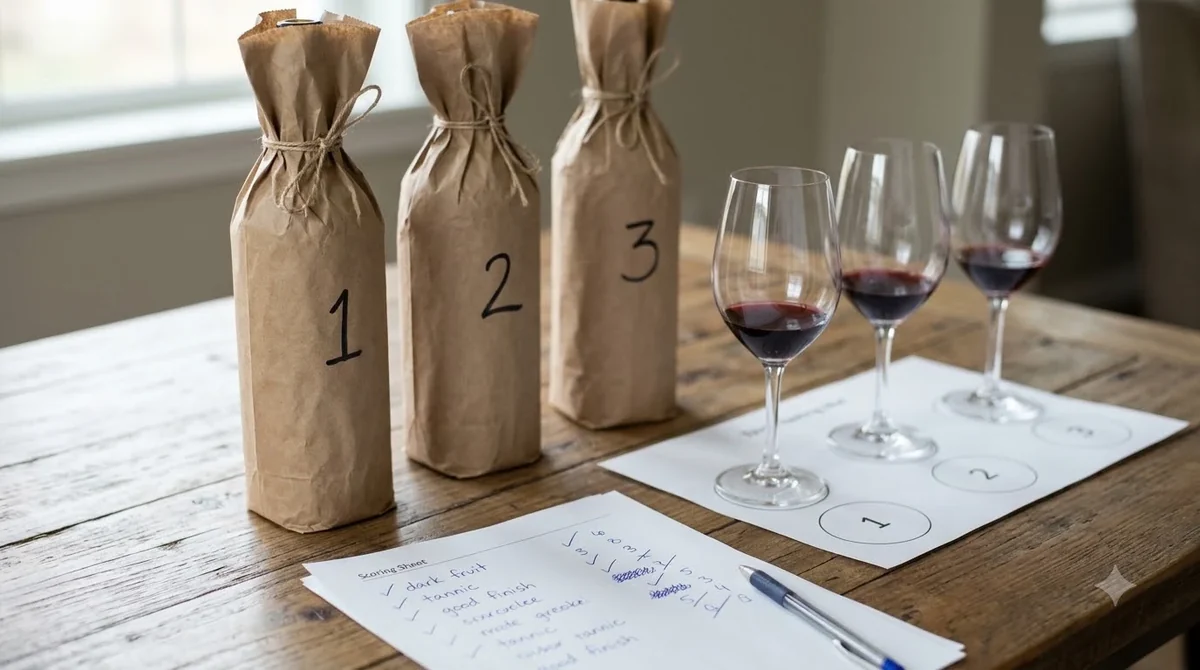
A practical tasting sequence helps separate the wine’s components. First, smell the wine before swirling to identify its most immediate fruit aromas. Swirl gently, smell again, and see whether oak, spice, or earthier notes become clearer. Take a small sip and notice whether the fruit arrives before the oak, whether the acidity makes your mouth water, and how long the flavor remains after swallowing. This approach is more useful than trying to find every descriptor in a professional review. Your own impressions may be strawberry, cherry, cocoa, or vanilla, and the balance can change as the wine opens.
California Coast Sourcing and Brand Style
Meiomi presents its Pinot Noir as a coastal California wine shaped by cool ocean influence and a blended approach, rather than as a single-vineyard expression. The producer connects its style with the varied conditions of California’s coast, including rocky soils, cool breezes, and long growing seasons.
That coastal description is useful because Pinot Noir is sensitive to growing conditions and can produce markedly different wines from warmer and cooler sites. Meiomi’s house style aims for ripe fruit and a plush texture while retaining enough structure to keep the wine from tasting simply soft or heavy. The producer describes its broader approach as smooth, full-bodied, and balanced, with soft tannins and layered flavors. That is consistent with the style many drinkers recognize in the bottle: concentrated fruit, rounded texture, and a clear oak signature.
Head winemaker Jason Becker is identified by the producer as having more than two decades of California winemaking experience. The winery says he blends grapes from cool, coastal vineyards to create wines intended to be harmonious, smooth, and balanced. This is a useful way to understand the role of blending: the final wine is assembled to create a consistent house profile, not to present one vineyard or one county in isolation. The exact proportion of fruit from any particular site can change between vintages, so percentages printed on an older label or quoted for a past release should not automatically be applied to a newer bottle.
Meiomi’s broad coastal identity is also relevant to the wine’s flavor profile. California is not one uniform growing area. Coastal vineyards can experience fog, ocean winds, and cooler conditions, while inland sites may receive more heat and sunshine. These differences can affect how quickly grapes ripen and how much freshness remains in the finished wine. The producer’s blended approach gives its winemaking team the opportunity to combine different fruit characteristics, helping build the ripe, layered house style associated with the standard Pinot Noir.
It is important to distinguish Meiomi’s core Pinot Noir from the producer’s separately named Sonoma Coast Pinot Noir. The latter is presented as a more specifically sourced bottling, with producer notes naming Arnold Vineyard and Silk Road Vineyard as primary sources and describing blackberry, red raspberry, toasted mocha, warm spice, and French oak. Those vineyard details belong to that Sonoma Coast release; they should not be assumed to describe the sourcing of the standard Meiomi Pinot Noir. If you are comparing bottles, note the full wine name before interpreting the region or tasting notes.
Body, Acidity, Tannin, and Vintage Variation
Meiomi generally sits toward the richer end of the Pinot Noir spectrum, with a medium to full impression of body and supple rather than aggressive tannins. Pinot Noir as a grape is typically higher in acidity and lower in tannin than varieties such as Cabernet Sauvignon, but Meiomi’s ripe fruit and oak make its overall impression rounder than that of a very light-bodied Pinot.
The difference between recent reviewed bottlings shows why the vintage and label details are worth keeping in mind. Wine Enthusiast listed the 2023 Meiomi Pinot Noir at 14.5% alcohol by volume and gave it 88 points. Tastings.com listed the 2022 bottle at 13.5% alcohol and rated it 86 points. The alcohol figures are specific to those reviewed vintages, not a permanent specification for every year. The scores also come from different reviewers, so they should not be read as a head-to-head ranking.
| Reviewed bottling | Alcohol by volume | Review score | Reported tasting emphasis |
|---|---|---|---|
| 2022 Meiomi Pinot Noir | 13.5% | 86 points, Tastings.com | Blackberry, chocolate, mocha, black cherry, and vanilla |
| 2023 Meiomi Pinot Noir | 14.5% | 88 points, Wine Enthusiast | Raspberry, red plum, coriander, dark cherry, loganberry, and mocha |
The figures help explain why one vintage may feel a little warmer or more weighty than another, although alcohol alone does not determine body. Ripeness, acidity, tannin, oak, and serving temperature all influence the way a wine feels. The 2022 review described a medium body and moderate oak, while the 2023 review emphasized deep fruit and dry, juicy tannins. Read both as snapshots of individual bottles rather than a fixed formula for the brand.
Body describes the wine’s weight and texture in the mouth. A light-bodied Pinot Noir can feel delicate and almost transparent, while a fuller version may feel broader and more substantial. Meiomi’s ripe fruit and oak contribute to its rounded impression. Acidity is a separate element: it provides freshness and makes the mouth water, helping balance rich flavors. Tannin creates a drying or gripping sensation, most noticeable around the gums and inside the cheeks. In Pinot Noir, this sensation is usually gentler than in a high-tannin red such as Cabernet Sauvignon.
For a broader comparison, Pinot Noir usually has less tannin than Cabernet Sauvignon and often feels more aromatic and less drying on the finish. Meiomi’s plush fruit and oak can make its texture seem fuller than some cool-climate examples, but it remains a Pinot Noir rather than a dense, highly tannic red. Drinkers who enjoy the fruit-forward profile may also find it helpful to compare the Mark West Pinot Noir tasting notes to see how another California bottling handles ripe fruit, body, and everyday versatility.
Serving Temperature, Glassware, and Storage
Serve Meiomi Pinot Noir slightly cool, around 55 to 60 degrees Fahrenheit, to keep the fruit lively and prevent the alcohol from seeming overly warm. A short chill is usually more useful than serving the bottle at a typical warm room temperature.
If the bottle has been stored at room temperature, place it in the refrigerator for about 20 to 30 minutes before serving, then check the temperature with a wine thermometer if one is available. If it feels too cold, let it sit in the glass for several minutes; the aroma will open as the wine warms. If it is already in a cool cellar or wine refrigerator, it may need little or no extra chilling. Avoid adding ice to the glass, since melting ice quickly dilutes the wine and changes its balance.
Tip: Start Meiomi at 55 to 60 degrees Fahrenheit and pour a small taste before serving the full glass. If the fruit seems muted, let the wine warm for five minutes rather than leaving the whole bottle on a warm counter.
A standard 750-milliliter bottle holds just over 25 U.S. fluid ounces, which is enough for about five 5-ounce pours. A Burgundy-style glass with a broad bowl is a good choice because it gives the wine room to release its cherry, berry, spice, and oak aromas. Fill the glass to roughly one-fifth or one-quarter of its capacity, leaving space to swirl without spilling. You do not need a special decanter for an ordinary young bottle; opening it shortly before dinner and allowing it to breathe in the glass is generally sufficient.
For storage, keep unopened bottles on their side in a cool, dark place near 55 degrees Fahrenheit, away from sunlight and temperature swings. Once opened, re-cork the bottle and refrigerate it; most still wines keep their best character for about three to five days under refrigeration. Let the remaining wine warm slightly in the glass before drinking it again. If the fruit has faded or the aroma has become noticeably stale, the bottle is past its best drinking window.
Decanting is optional for most young Meiomi Pinot Noir. A long decant is generally unnecessary for a wine whose main appeal is immediate fruit and a soft texture. If a newly opened bottle seems closed or particularly warm in aroma, pour a glass and give it 10 to 15 minutes before making a decision. This gives the wine a chance to release more of its fruit and oak aromas without exposing the entire bottle to extended air. Older or delicate Pinot Noir may lose some of its more subtle aromas with excessive aeration, so a gentle approach is sensible.
Food Pairings for Meiomi Pinot Noir
Meiomi pairs most naturally with dishes that echo its ripe cherry and berry flavors without overpowering its acidity or oak. Roast chicken, pork tenderloin, grilled burgers, mushroom dishes, and tomato-based pasta are practical matches for its fruit-forward, medium-to-full-bodied style.
For a simple dinner, try roast chicken with browned skin, pork chops with herbs, or a burger with sautéed mushrooms. The savory browning in roasted and grilled foods connects with the wine’s toasted notes, while the fat in meat and cheese softens the impression of tannin. A thin-crust pizza with tomato sauce, mushrooms, and mozzarella is another easy pairing: the tomato brings acidity, the cheese adds fat and salt, and the crust supplies a gentle toasted flavor. Tomato-based pasta works for the same reason, especially when the sauce is not so spicy that it overwhelms the wine.
Salmon can work well with Pinot Noir because the grape usually has lower tannin than Cabernet Sauvignon or other firmly structured reds. Try grilled or roasted salmon with mushrooms, herbs, or a light cherry glaze, rather than a very sweet sauce. Tuna and halibut can also suit a lighter Pinot Noir preparation, although the wine’s richer oak and alcohol mean that strongly flavored sauces may need to be kept in balance. The goal is to match the dish’s weight: a simply cooked fish may be overwhelmed by a very rich preparation, while a browned or grilled version can stand up to Meiomi’s fuller profile.
Be cautious with intense chili heat. Alcohol and tannin can make hot peppers feel hotter, so a fiery curry or heavily spiced barbecue sauce may make the wine seem more alcoholic and less fruity. Likewise, very sweet glazes can make a dry red taste more bitter or tart. When the dish includes acidity from tomatoes or vinaigrette, keep the wine at least as fresh in its acidity; Meiomi’s Pinot Noir character helps, but an aggressively sour dressing can still dominate. Salty, fatty foods are generally more forgiving because salt and fat soften tannin and help the fruit feel rounder.
Cheese is another useful option, particularly when served with a meal or as a small appetizer. Try Brie, Gruyère, or a moderately aged Gouda with crackers and a few fresh berries. Creamy cheese softens the wine’s drying elements, while the mild nutty or savory flavors can connect with the oak and mocha notes. Avoid letting very pungent blue cheese dominate the glass; its intensity can make the wine’s fruit seem less vivid. For a lighter alternative at the same table, Santa Margherita Pinot Grigio offers a very different white-wine direction, particularly for seafood, salads, or lighter appetizers; the Santa Margherita Pinot Grigio tasting notes can help clarify the contrast. More broadly, the Wine Brands section is a useful starting point for comparing producer styles rather than assuming every Pinot Noir will taste the same.
Frequently Asked Questions
These quick answers cover details that are useful when choosing or serving Meiomi, including pronunciation, the wider range, and the glass typically used for Pinot Noir.
How do you pronounce Meiomi?
The producer gives the pronunciation as “May-OH-mee.” The brand says the name means “coast,” connecting it with its California coastal identity.
What alcohol level was listed for Meiomi Bright Pinot Noir?
Tastings.com listed its 2022 Bright Pinot Noir at 8% ABV, compared with 13.5% for the 2022 standard Pinot Noir in the same portfolio listing. The figure applies to that reviewed bottling, not automatically to all later releases.
Does Meiomi make wines other than Pinot Noir?
Yes. The producer’s collection also includes Cabernet Sauvignon, Red Blend, Chardonnay, Sauvignon Blanc, and Blanc. These wines offer different grape varieties and flavor profiles from the signature Pinot Noir.
What glass is recommended for Pinot Noir?
Tastings.com recommends serving Pinot Noir in a Burgundy wine glass. Its wider bowl gives aromatic varieties room to open, helping red-fruit and earthy notes become easier to identify.
When did Meiomi begin?
Meiomi’s official brand story says the brand dates to 2006. The company describes the signature Pinot Noir as the wine that established the collection before it expanded into additional red, white, and lower-alcohol wines.
Meiomi Pinot Noir is a strong fit for drinkers who enjoy ripe cherry and berry fruit, plush texture, and toasted oak in a California red. Serve it slightly cool and pair it with roasted poultry, pork, burgers, mushrooms, or tomato-based pasta to bring its fruit and savory notes into balance.
More in Wine Brands
 Underwood Wine Price: Compare Bottles, Cans, and Pack SizesUpdated Nov 21, 2026
 Zenato Wine Price: Compare Styles and Choose the Right BottleUpdated Nov 21, 2026
 Zuccardi Wine Price: Compare Bottles and Find the Right RangeUpdated Nov 21, 2026
 Yellow Tail Moscato Review: Taste, Sweetness and Serving TipsUpdated Nov 21, 2026
 Wolf Blass Yellow Label Review: Choose Your Best StyleUpdated Nov 21, 2026
 Wolffer Estate Rose Review: Choose the Right Bottle for Your TableUpdated Nov 21, 2026