

We may earn a commission when you buy through links on this page, at no extra cost to you. Learn more.
Compared with most red wines, pinot noir tannins sit at the low end of the scale, so the wine feels soft and silky rather than dry and grippy. Tannins come mainly from grape skins, seeds, and stems, and Pinot Noir has thin skins that give it far less tannin than darker, thicker-skinned grapes. Most bottles land in the low to medium-low range, which is why this red is often the first one newer drinkers reach for. The sections below explain where that tannin comes from, what changes it, and how to serve and pair the wine so its gentle structure shows.
If you have ever felt a dry, puckering sensation after a sip of red wine, you have met tannin. It is the same drying effect that makes strong black tea feel grippy, and it sits alongside acidity, alcohol, and body as one of the main structural pieces of a red wine. Pinot Noir stands out because its tannin is light, so the sip stays smooth from the first taste to the finish. Understanding why helps you choose better bottles, pour them at the right temperature, and match them with food.
Where Pinot Noir Tannins Come From
Tannins are phenolic compounds that live mainly in grape skins, seeds, and stems, and the amount that reaches the glass depends on how much of each the winemaker extracts. Pinot Noir is unusual because its grapes contain a fair amount of tannin overall, yet its finished wines usually taste soft. Knowing why takes a closer look at the grape itself.
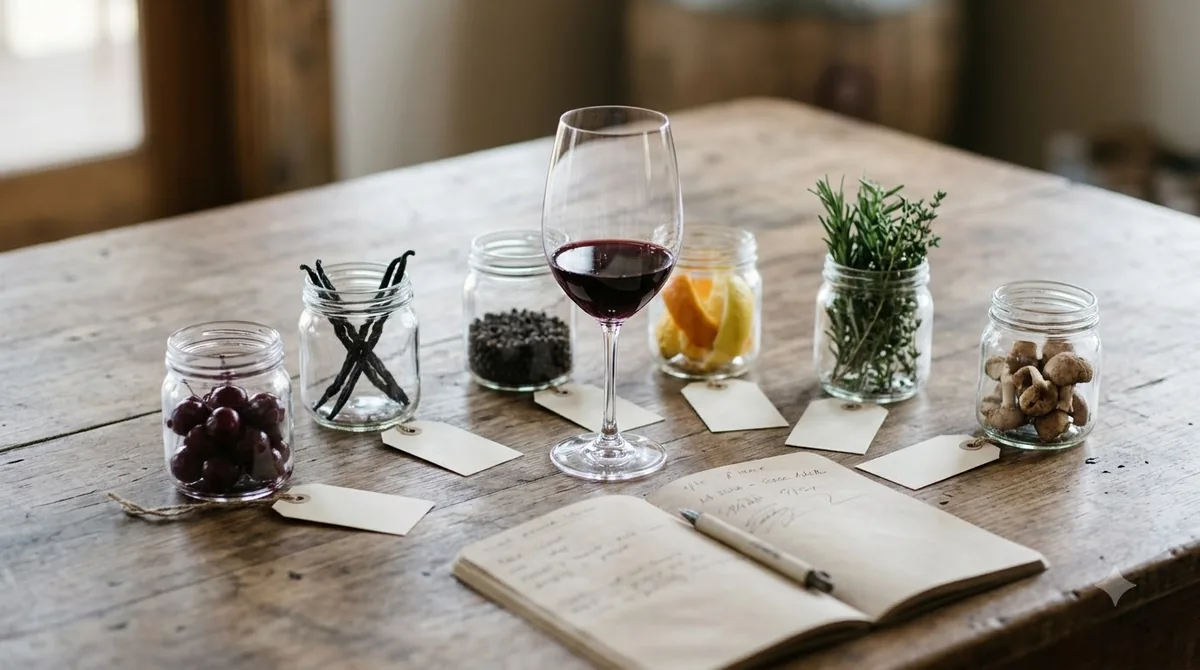
According to a tannin reference from Wine with Seth, tannins are a sub-class of phenolics that precipitate proteins, and in wine they shape texture, especially astringency. Condensed tannins, also called proanthocyanidins, are the most abundant class in grapes and wine, and they are built from flavan-3-ol units found in the skin and seed. Concentrations vary widely from one bottle to the next, from about 50 mg/L to 1,500 mg/L of catechin equivalents, so two reds can feel very different in the mouth even though both are fully dry.
The grape itself tells an interesting story. The same reference gives the makeup of a typical Pinot Noir must as 39% juice, 28% pulp, 24% skin, 5% stalk, and 4% seeds by wet weight. Pinot seeds and stalks are rich in tannin, but seed tannin is harder to extract than skin tannin and tends to come out later in fermentation. The likely reason Pinot’s wines stay soft is its low ratio of skin tannin to seed tannin, compared with other varieties.
Stems and seeds also carry a risk. Pulling too much of that material into a ferment can add green, bitter, and astringent flavors, even though the seeds and stalks hold a lot of tannin. Producers who want a soft red therefore pay close attention to how much stalk and seed material they allow into the tank. For the drinker, the result is tannin that is present but gentle, and that balance is part of the grape’s reputation. If you are still building your basic vocabulary, the Wine by Type guide is a useful place to see how Pinot compares with other styles.
Why Pinot Noir Tannins Feel Softer Than Cabernet
Cabernet Sauvignon is the usual benchmark for firm tannin, and the gap between the two grapes is both physical and perceptual. Wine Folly and Wine.com both describe Pinot Noir as one of the gentlest reds on the shelf, and the reasons are well documented.
Thin skin is the starting point. Wine.com explains that thick-skinned grapes such as Cabernet Sauvignon release more tannin during maceration, the stage when juice stays in contact with the skins, while thin-skinned Pinot Noir releases far less. Wine Folly makes the same link in simpler terms: Pinot Noir is pale to medium in color because of its thin skins, and it carries lower tannins for the same reason. Those thin skins also make the vines susceptible to vineyard disease, which Wine Folly cites as part of why the grape earned its heartbreak reputation.
The gap also shows up in research. A study from UC Davis, published in the Journal of Agricultural and Food Chemistry and summarized by Decanter, found that Cabernet Sauvignon tannins are physically larger, more numerous, and richer in pigment than Pinot Noir tannins. The Cabernet tannins also formed more protein aggregates in saliva, which is the mechanism behind the dry feeling. Decanter’s breakdown of that research is a good starting point if you want the details.
Perception matters as much as chemistry. In the same study, a trained panel could not tell a difference in dryness when Cabernet tannins were added to a Pinot wine, and the aromas in each glass appeared to shape how dry the wine felt. Reading across the table below, Pinot Noir sits at the lightest tannin level of the three and is served about five degrees cooler than the fuller reds, which keeps it bright and easy to drink. For a closer look at body, see whether pinot noir is full bodied.
| Red wine | Typical tannin level | Serving temperature |
|---|---|---|
| Pinot Noir | Low to medium-low | 55–60°F (light red) |
| Syrah | Medium-plus to high | 60–65°F (full red) |
| Cabernet Sauvignon | High | 60–65°F (full red) |
How Winemakers Control Tannin in Pinot Noir
Winemakers shape tannin through skin contact, fermentation choices, and oak, and each lever can push the wine toward softness or grip. For Pinot Noir, the usual goal is to keep tannin gentle while protecting the grape’s perfume and fruit. Most of these decisions happen in the cellar, well before the bottle reaches a shelf.
Skin contact is the biggest lever. Wine.com notes that red wines stay in contact with their skins for days or even weeks during maceration, and the longer that contact lasts, the more tannin is extracted. A producer who ferments in stainless steel and limits skin contact will make a gentler wine than one who uses extended maceration and new oak, and that is a major reason many Pinot Noirs feel silky. The WineWiki reference adds that the length of skin and seed contact is probably the most critical factor in defining a wine’s phenolic profile, and one of the easiest variables to control.
Extended maceration still has a place in Pinot’s history. According to the same WineWiki reference, extended post-fermentation maceration is traditional in Burgundy with Pinot Noir, but overly astringent tannin and bitterness are among its most common risks. In an Australian Wine Research Institute trial on Pinot Noir, total and pigmented tannin rose dramatically in wines given 45 days of extended post-fermentation maceration. For a red meant to feel soft, that result helps explain why many producers keep Pinot’s skin contact short.
Oak adds its own tannin. Wine.com points out that oak contains tannins, so wines aged in new barrels pick up extra tannin structure, while labels that mention unoaked or stainless steel fermentation usually point to a gentler style. The WineWiki reference notes that oak ellagitannins are relatively weak in astringency and more bitter than drying. That helps explain why a fruit-forward Pinot can taste lighter than a heavily oaked red, even when both come from the same vintage.
Serving Temperature and Decanting for Smoother Pinot Noir
Serve Pinot Noir between 55 and 60°F, and give a young bottle about 30 minutes of air if you want the fruit to open. Those two habits keep tannin from feeling firmer than the wine really is. Neither takes special equipment.
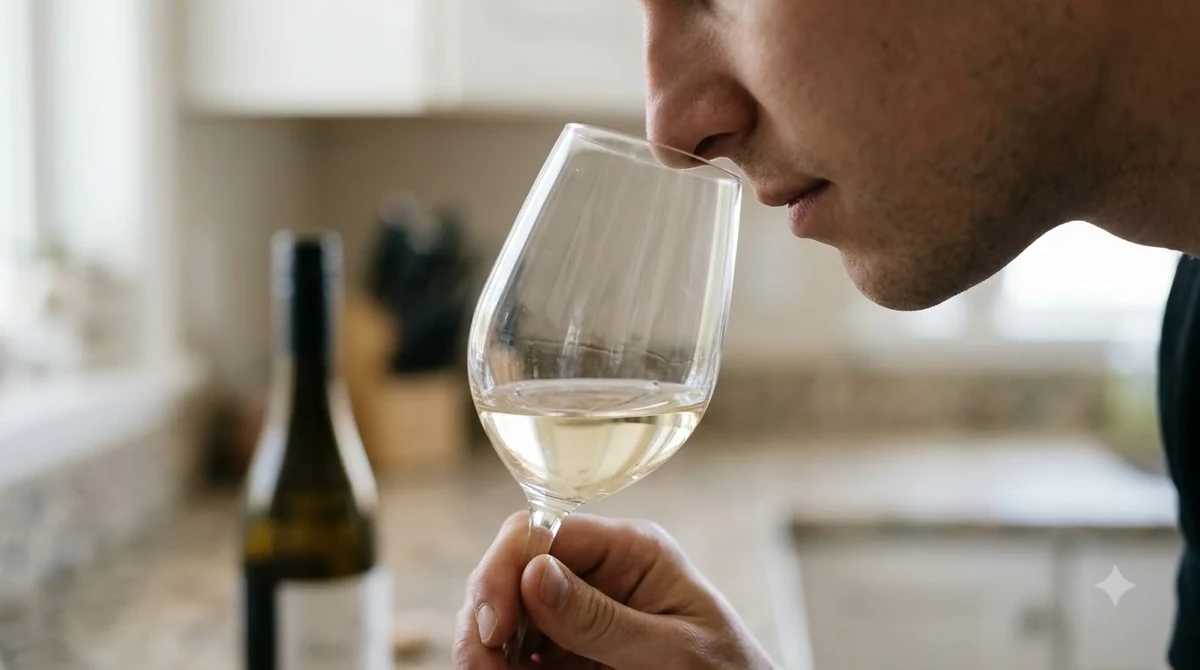
Temperature changes how tannin feels. The WineWiki reference notes that serving a red too cold can make its tannins feel firmer or more astringent. Wine Folly recommends 55 to 60°F, or 12 to 15°C, which it describes as slightly cooler than room temperature. That range keeps the alcohol from overwhelming the aroma and lets the fruit do more of the talking.
Tip: If your bottle has been sitting on a warm counter, put it in the refrigerator for about 15 minutes before pouring. Wine.com notes that a short chill like this can sharpen the fruit of many low-tannin reds, and it keeps the wine feeling lively.
Decanting works through air rather than temperature. Wine.com explains that pouring wine into a decanter exposes it to oxygen, which softens the perceived astringency of tannins. Wine Folly says many young Pinot Noirs benefit from about 30 minutes of decanting to reveal their aromatic range. Because Pinot is lighter than a young full-bodied red, a short decant is usually enough, and you rarely need the longer windows that bigger wines call for.
Food Pairings That Soften Pinot Noir’s Grip
Pinot Noir pairs well with rich, salty, and earthy dishes, because fat and salt soften tannin and the wine’s acidity cuts through richness. Its acidity should be at least as high as the acidity of the food, and spicy dishes need a gentler touch. The best matches usually sit close to the wine’s own character.
The WineWiki reference describes salt, acidity, and fat as a kind of magic triangle that softens tannic wines. Its example is a salty rib eye steak smoothing the tannins of a tannic, acidic Barolo. Pinot starts with far less tannin, so it needs less help, but the same principle explains why duck, roast pork, and other fattier dishes make a Pinot Noir taste silkier and more fruit-driven.
Wine Folly names duck as a classic partner. The acidity in Pinot cuts through the fat and gamey flavors of the bird, and spicing the duck brings out the wine’s nuanced flavors. Earthy mushroom dishes highlight the fruit in the glass, and the same guide says Pinot is light enough for salmon. Salmon works because oily fish clashes with tannic reds, and Pinot’s low tannin means the pairing does not fight the fish. Acidity and heat need separate rules, though. Food with high acidity needs a wine with equal or higher acidity, so Pinot works with tomato-based dishes, and chili heat is amplified by alcohol and tannin, so a lighter Pinot is usually a safer partner for spicy food than a high-alcohol red.
How Age Changes the Tannin Profile
Pinot Noir ages mainly on acidity and fruit, and its tannins soften in character rather than disappearing. Wine Folly says most bottles evolve gracefully over five to ten years, while top-tier versions can keep improving for up to 20. Knowing that timeline helps you decide whether to open a bottle now or give it more time.
Decanter notes that tannin in a young red is seen as a key indicator of its ability to age, alongside fruit and acidity. Pinot’s tannin is light, so its long-term freshness leans more on acidity, which the grape carries in good supply. That is why many Pinot Noirs taste bright after several years rather than sharply tannic. A structured Cabernet, by comparison, leans on its tannin for support over a longer span.
The tannin itself changes with time. The WineWiki reference reports that aged red wines can have tannin concentrations similar to young wines, and the drop in astringency with age comes from changes in the tannins’ chemistry rather than from tannin being lost. Tannins from older wines bind more weakly to saliva proteins, which fits the softer feel of mature reds. If you are wondering how long a bottle can rest before opening, see how long does pinot noir last unopened, and store bottles on their side near 55°F while they wait.
Frequently Asked Questions
Most questions about pinot noir tannins come down to how much tannin there is, how it feels, and how to handle it at the table. The five answers below add facts the sections above did not cover.
Is pinot noir a good first red wine for a beginner?
Yes. Wine.com calls it one of the safest starting points in red wine because its gentle tannins rarely overwhelm. A standard 750 ml bottle holds about five 5-ounce pours, so one bottle can comfortably share between a few glasses at dinner.
Does pinot gris have tannin like pinot noir?
Not in the same way. Wine Folly notes that Pinot Gris and Pinot Blanc are color mutations of Pinot Noir, but they are usually made as white wines with little or no skin contact. Skin contact drives red wine tannin, so these whites feel far lighter on the palate.
Do pinot noirs from Oregon taste different in tannin from California bottles?
The difference shows more in color and texture than in tannin alone. Wine Folly says Oregon Pinot Noir is usually a few steps lighter in color and texture than California bottles, and tends to be more tart. Wine Enthusiast describes Sonoma County Pinots as often medium-bodied, with bright acidity, fine-grained tannins, and a silky texture.
How long does an opened bottle of pinot noir last?
Once opened, still wines such as Pinot Noir generally keep for about three to five days in the refrigerator. Recork the bottle between pours and keep it chilled, because air exposure gradually changes the fruit. Refrigerating it slows that change, which helps the last glass taste closer to the first.
Does oak make pinot noir taste more tannic?
Oak can add some tannin, but it also adds flavor. Wine Folly notes that oak-aged Pinot Noir shows gentle vanilla and smoke, and older bottles can develop mushroom and leather notes. Because oak treatment varies so much between producers, it is worth checking how a bottle was aged before you decide how firm it will feel.
Pinot noir tannins are a feature to enjoy rather than a flaw to fix. Choose a bottle with a soft, fruit-led style, serve it between 55 and 60°F, and pair it with rich or earthy food, and most of the work is done. The grape’s gentle grip is a big part of its appeal, and that softness is what keeps it easy to drink with dinner.
More in Wine Types & Grapes
 Zinfandel Sugar Content: Dry Red vs. White Zinfandel GramsUpdated Nov 21, 2026
 Best Zinfandel Substitute Options for Sipping and CookingUpdated Nov 21, 2026
 Zweigelt Food Pairing: Best Dishes, Cheeses, and Serving TipsUpdated Nov 21, 2026
 Zinfandel Tannins Explained: How Structure Shapes Every BottleUpdated Nov 21, 2026
 Zinfandel Sweetness Level: Dry Red vs. Sweet White Zin ExplainedUpdated Nov 21, 2026
 Xinomavro Food Pairing: Best Dishes, Styles, and Serving TipsUpdated Nov 21, 2026