

We may earn a commission when you buy through links on this page, at no extra cost to you. Learn more.
The usual answer to “is pinot noir full bodied” is no: Pinot Noir is generally a light- to medium-bodied red wine with bright acidity and relatively gentle tannins. Some examples from warmer regions or fuller, oak-influenced winemaking can feel richer and approach medium-full body. Region, growing season, alcohol level, and producer all affect the weight in your glass.
Pinot Noir is often chosen by people who enjoy red wine but prefer freshness, aromatic detail, and a softer grip rather than dense tannin. Its range runs from delicate, pale Burgundy to plush California bottlings, which is why the grape name alone cannot tell you exactly how substantial a wine will feel. Understanding a few clues makes it easier to find the style you want.
The Typical Weight of Pinot Noir
Most Pinot Noir is light- to medium-bodied, not full-bodied in the way that many Cabernet Sauvignon or Syrah wines can be. Wine Enthusiast’s Pinot Noir guide describes the variety as typically dry, bright in acidity, silky in tannin, and around 12% to 15% alcohol by volume; those features usually produce a graceful rather than heavy impression.
Body describes the wine’s apparent weight and texture in the mouth. A lighter Pinot Noir may feel fluid and delicate, with tart cherry or cranberry flavors and a clean finish. A medium-bodied example can feel rounder, carry more concentrated fruit, and linger longer, without becoming dense or aggressively tannic. These are differences in weight, not quality rankings: a fine, restrained Pinot can be just as layered as a richer one.
Pinot Noir’s skin is relatively thin, so the grape generally contributes less tannin than thick-skinned varieties. That helps explain why it rarely creates the firm, drying sensation associated with a young Cabernet Sauvignon. Its acidity can still make the wine feel lively and structured, even when the body is light. A wine can have plenty of flavor and persistence without feeling heavy.
Alcohol is one useful clue, although it is not a complete measure of body. A bottle at 12.5% ABV may feel more delicate than one at 14.5%, but ripeness, acidity, fruit concentration, and cellar choices all matter. Treat body as the combined impression of the wine rather than a single number printed on the label.
How Climate and Region Change the Style
Climate is one of the clearest reasons two Pinot Noir wines can feel different. Cooler growing areas tend to preserve bright acidity and more restrained fruit, while warmer sites can give the wine riper flavors, higher alcohol, and a fuller texture.
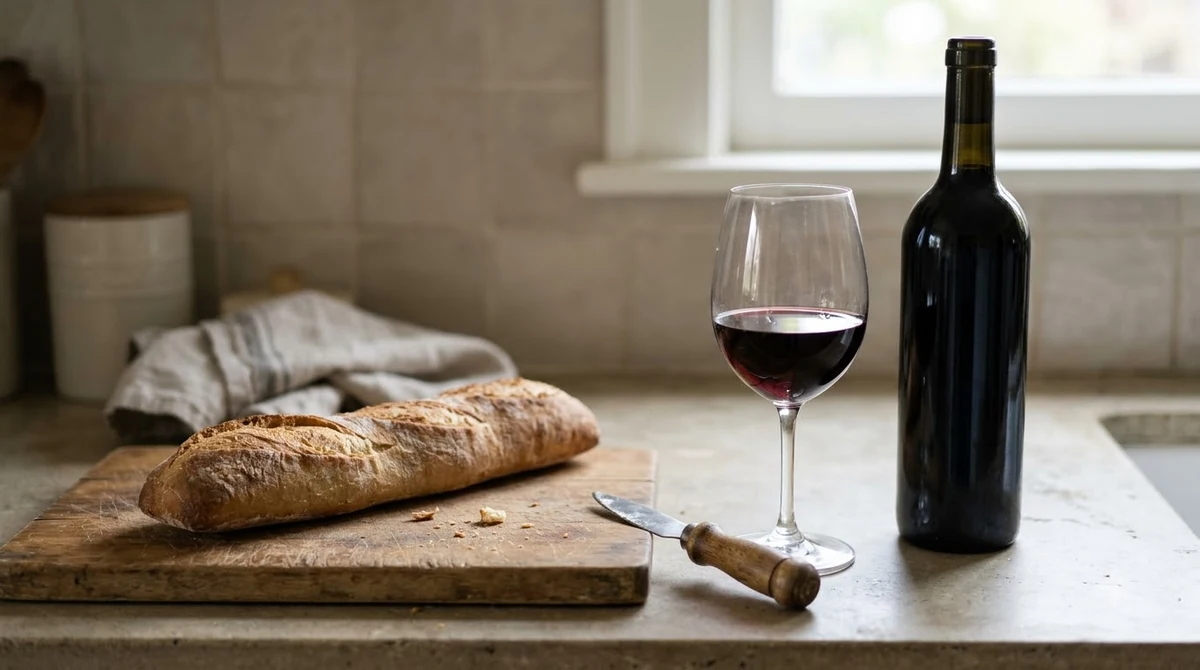
In Burgundy, Pinot Noir’s historic home, cool conditions often bring cranberry, dark cherry, rose, mushroom, and forest-floor notes. The Bourgogne wine region’s profile of Pinot Noir explains why its northerly climate and limestone soils suit the grape. Oregon’s Willamette Valley is another useful reference: VinePair describes many examples as lighter and earthier than most California versions, while retaining juicy red fruit. Burgundy, Willamette Valley, and Germany are sensible starting points if you prefer freshness, savory notes, and less apparent weight.
Warmer parts of California and Australia can produce Pinot Noir with more concentrated raspberry, cherry, or pomegranate, plus cola spice and cedar. These wines may feel plusher and show more noticeable tannin. Wine Enthusiast reports typical alcohol ranges of 12% to 13.5% ABV for cooler-climate examples such as those from France and Germany, compared with about 13.5% to 15% for warmer-climate versions from California and Australia.
| Typical growing climate | Common Pinot Noir ABV range | Frequent style tendency |
|---|---|---|
| Cooler regions, such as France and Germany | 12%–13.5% | Fresher acidity, more delicate fruit, lighter feel |
| Warmer regions, such as California and Australia | 13.5%–15% | Riper fruit, plusher texture, more warmth |
These are tendencies rather than rules. Elevation, coastal influence, a season’s weather, harvest decisions, and vineyard exposure can shift a wine’s profile, even within California. For another way to understand how grape variety shapes weight, compare this profile with is pinot grigio full bodied; Pinot Grigio is a white wine with a different balance of skin contact, acidity, and texture.
How Winemaking Can Add Weight
Growing conditions set the starting point, but cellar decisions can make Pinot Noir feel more delicate or more substantial. Fermentation, contact with grape skins, maturation, and the amount of oak influence all help shape its texture and flavor.
Much of a red wine’s color and tannin comes from grape skins, so the length and style of skin contact can affect the structure of Pinot Noir. Its naturally fine skin means it is not usually as tannic as Cabernet Sauvignon, but producer choices still matter: a firmer, more structured expression may involve different extraction choices from a delicate, supple one.
Oak can also change the impression of weight. Wine Enthusiast notes that aging Pinot Noir in 100% new French oak can create a fuller, more textured wine, while many examples show better balance with more modest oak use. New barrels may contribute toast, spice, and vanilla aromas. One producer may emphasize fresh red fruit, high acidity, and subtle oak; another may favor ripe fruit, longer extraction, and a more noticeable barrel character. Look for words such as silky, fresh, restrained, or earthy for a lighter impression, and ripe, plush, concentrated, or structured for a richer one.
Alcohol can reinforce those impressions by creating a warmer, broader sensation, especially alongside ripe fruit and oak. A lower level does not guarantee a light body, just as a higher number does not guarantee a full-bodied wine. Treat it as one clue among several when comparing bottles from the same region or appellation.
What Body Feels and Looks Like in the Glass
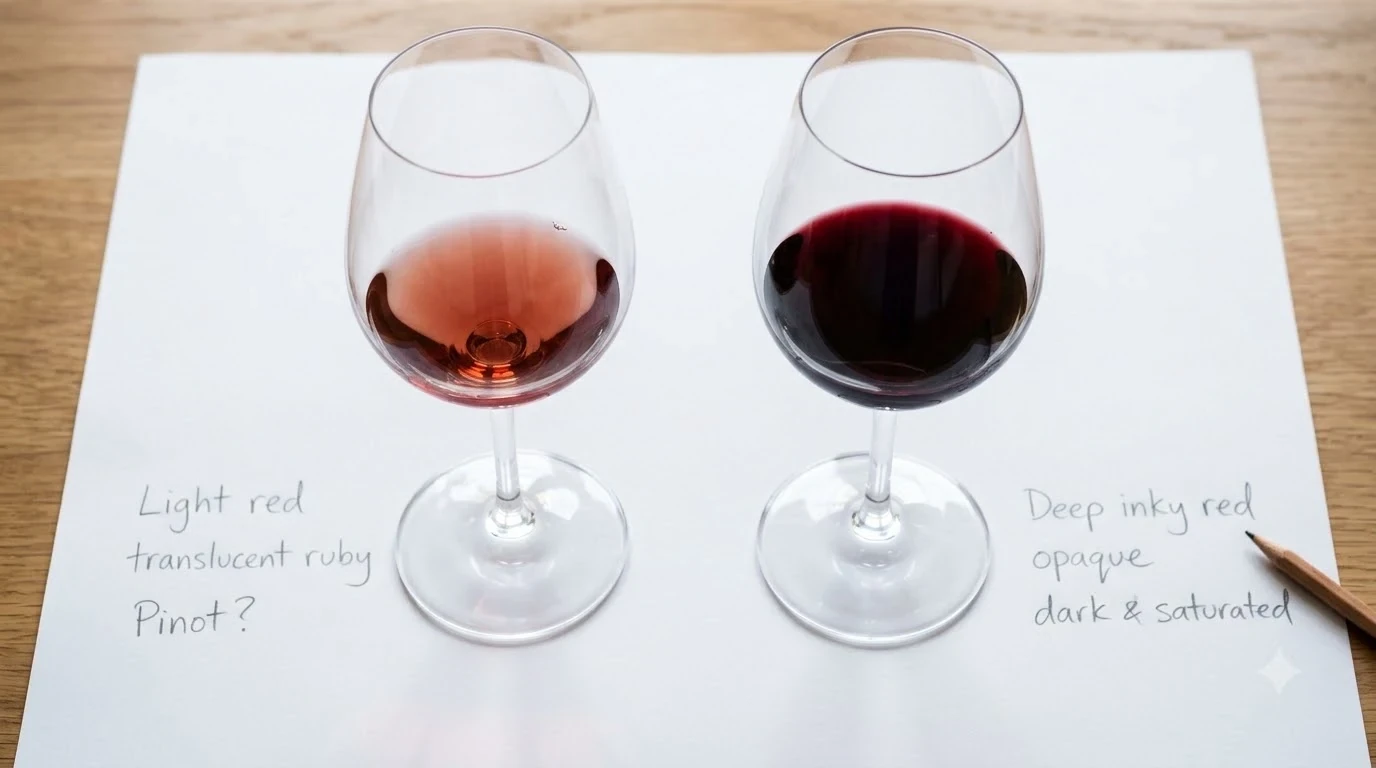
The easiest way to assess body is to pay attention to texture rather than judging the wine by color alone. Pinot Noir can be pale ruby and still have concentrated flavor, while a darker example may feel fuller because of ripe fruit, alcohol, and winemaking choices.
Start with the first sip. A light-bodied Pinot tends to move across the palate with little sense of weight; its acidity may be the most noticeable structural feature. A medium-bodied Pinot feels rounder and more present, but should still retain freshness. Notice the finish as well: brisk red fruit can make the wine seem lighter, while ripe cherry, spice, and oak can create a broader impression. Tannin is separate from body; it creates a drying or gently gripping feeling around the gums.
Color offers supporting information, not a verdict. The Bourgogne wine organization describes young Pinot Noir as bright ruby, sometimes with violet hues, and notes that it can become paler or brick-colored with age. A transparent appearance does not mean the wine lacks flavor or length. Compare three things in the glass: the weight, the firmness of the tannin, and the brightness of the acidity. A lighter wine with persistent flavor and a lively finish is not incomplete; it is showing a style that favors detail and freshness.
For a broader overview of grape styles, the Wine by Type section can place Pinot Noir alongside other reds and whites. Body is relative: Pinot Noir may feel substantial next to a crisp white, yet delicate beside a dense Cabernet Sauvignon. A side-by-side comparison is often more informative than trying to assign a precise score to a single sip.
Serving Temperature and Food Pairings
Serving temperature can make Pinot Noir seem either fresher or heavier. Start a lighter bottle around 55°F to 60°F, then allow a fuller, warmer-climate example to approach 60°F to 65°F if it seems muted straight from the refrigerator.
Too much warmth can make alcohol feel prominent, while too much chill can mute aroma and make tannin seem firmer. If the bottle has been stored in the refrigerator, take it out briefly before serving and let the glass warm naturally. A modest change of a few degrees can make fruit and floral notes easier to identify.
Pinot Noir’s acidity and moderate tannin make it a versatile partner for roast chicken, pork, duck, mushrooms, and thyme. Its cherry and earthy notes suit browned poultry skin, roasted vegetables, mushroom risotto, and herb-seasoned dishes. It can also work with richer fish such as salmon or trout, particularly with soy, miso, or a browned preparation; a strongly tannic Cabernet is more likely to clash with oily fish.
Consider the sauce as well as the main ingredient. Mushroom sauce, roasted root vegetables, and a light reduction usually suit Pinot Noir better than a very sweet glaze. Acidic ingredients such as vinegar-heavy dressings need a wine with enough acidity to meet them, while salt and fat soften tannin. Chili heat can feel stronger alongside alcohol and tannin, so very spicy food is easier with a lower-alcohol, softer style.
Tip: If you are unsure about a bottle’s weight, serve a small pour at 58°F, taste it with the food, and let the glass warm gradually. This gives a lighter Pinot room to show its aroma without making a fuller example feel hot from the start.
Choosing a Bottle and Keeping It Fresh
To find a lighter Pinot Noir, begin with the place and the producer’s style rather than relying on the grape name alone. Burgundy, Germany, and Oregon’s Willamette Valley are sensible places to explore for cooler-climate character; California and Australia offer both restrained coastal styles and richer, riper versions.
Read the tasting description for practical clues. Cranberry, red cherry, rose, tea, forest floor, and bright acidity often point toward a fresher profile; ripe black cherry, cola spice, cedar, plush texture, or pronounced oak suggest a broader style. Alcohol is another comparison point: a 12.5% ABV Pinot may be a good starting point for a lighter feel, while a 14.5% ABV bottling may be richer, particularly from a warm region. Read the number alongside the region and producer notes, since a well-balanced 14% wine can feel less heavy than a sweet-fruited, oak-forward wine at a lower level.
Match the bottle to the meal. A delicate Pinot works with roast chicken, salmon, or mushrooms and vegetables; a fuller example can stand up to duck, pork belly, or grilled dishes with a savory glaze. For storage, keep unopened bottles near 55°F, away from sunlight and repeated temperature swings, and store cork-finished bottles on their sides. The question of how long does pinot noir last unopened depends on the bottle’s structure, storage conditions, and intended drinking window; not every Pinot is made for long cellaring.
After opening, replace the closure and refrigerate the bottle. Most still wines keep for roughly 3 to 5 days in the refrigerator, although delicate aromas may fade sooner; bring the wine back toward serving temperature before pouring again. A standard 5-ounce pour means a 750-milliliter bottle provides about five glasses. Use a glass with enough room to swirl and release the wine’s cherry, floral, and savory notes.
Frequently Asked Questions
These answers cover a few useful distinctions that often come up when comparing Pinot Noir with other wines, serving it, or identifying it on a label. They add details beyond the main style and pairing guidance above.
Is Pinot Noir lighter than Merlot?
Often, yes, in the sense that Pinot Noir usually has lower-to-medium tannin and a fresher, more delicate feel, while Merlot is commonly medium-bodied with softer tannins. Individual bottles overlap, so a ripe, oak-aged Pinot can feel weightier than a lighter Merlot. Comparing alcohol, texture, and producer notes is more useful than treating either grape as a fixed style.
Can Pinot Noir be used to make sparkling wine?
Yes. Pinot Noir is one of the principal black grapes used in Champagne, where it may be blended with Chardonnay and Pinot Meunier. In some sparkling wines, the grapes are pressed soon after harvest so the juice remains pale rather than taking on the skins’ red pigment.
What is Pinot Noir called in Germany?
It is called Spätburgunder. The name appears on German labels, including bottles from regions such as Baden, the Ahr, and the Mosel. A label using Spätburgunder therefore identifies the same grape variety, even if the wine’s style differs from a French or American Pinot Noir.
What does the name Pinot Noir mean?
The name combines French words for pine and black. It refers to the grape’s compact clusters, which resemble a pine cone, and its dark-colored skins. The juice inside the berries is initially colorless, which is why skin contact is needed to give a red Pinot Noir its color.
Does every Pinot Noir need to be decanted?
No. Most lighter, fresh styles can be poured shortly after opening. A young, more structured red may benefit from 30 to 60 minutes in a decanter, while an older bottle should be handled more gently because extended air exposure can cause its aromas to fade.
Pinot Noir is usually light- to medium-bodied, but the range includes delicate, savory wines and richer, more structured bottlings. Start with region and alcohol level, then use serving temperature and food pairing to bring the bottle into balance. The best choice is the style that suits your meal and the weight you enjoy in a red wine.
More in Wine Types & Grapes
 Zinfandel Sugar Content: Dry Red vs. White Zinfandel GramsUpdated Nov 21, 2026
 Best Zinfandel Substitute Options for Sipping and CookingUpdated Nov 21, 2026
 Zweigelt Food Pairing: Best Dishes, Cheeses, and Serving TipsUpdated Nov 21, 2026
 Zinfandel Tannins Explained: How Structure Shapes Every BottleUpdated Nov 21, 2026
 Zinfandel Sweetness Level: Dry Red vs. Sweet White Zin ExplainedUpdated Nov 21, 2026
 Xinomavro Food Pairing: Best Dishes, Styles, and Serving TipsUpdated Nov 21, 2026