


We may earn a commission when you buy through links on this page, at no extra cost to you. Learn more.
La crema pinot noir tasting notes typically feature red cherry, raspberry, cranberry, plum, and subtle earthy aromas, supported by bright acidity, soft to moderate tannins, and a medium-bodied texture. Depending on the growing region and bottling, the wine can also reveal rose petal, baking spice, cocoa, cola, mushroom, and black tea. Its combination of fresh fruit and balanced structure makes it a versatile red for roasted poultry, pork, mushrooms, and savory pasta dishes.
La Crema makes several Pinot Noir bottlings from California and Oregon, so there is no single flavor profile that describes every bottle. A Sonoma Coast selection may emphasize cranberry, cherry, and refreshing acidity, while a Russian River Valley bottling can show riper berries, plum, floral notes, and a more generous texture. Understanding these differences helps you identify the style in your glass, choose appropriate food pairings, and serve the wine at its best.
What La Crema Pinot Noir Tastes Like
La Crema Pinot Noir generally combines recognizable red fruit flavors with a smooth texture and refreshing acidity. Cherry and raspberry are common starting points, while plum, cranberry, floral notes, and earthy details provide additional complexity.
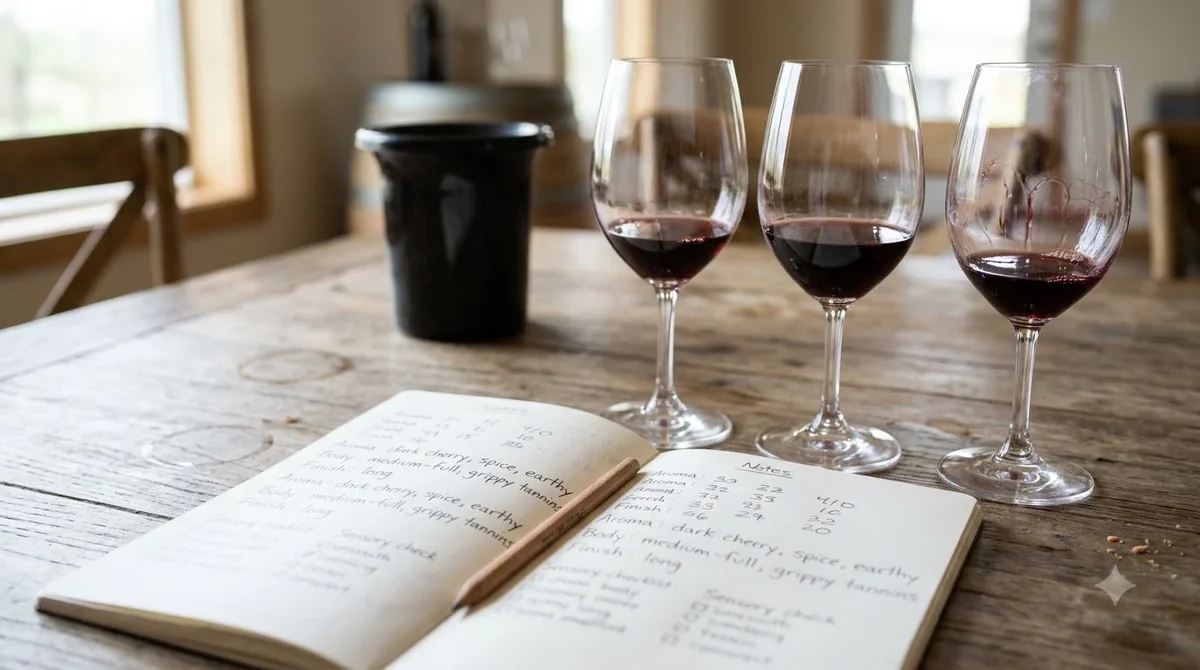
The producer’s 2023 Russian River Valley Pinot Noir offers a useful example of the house style. La Crema describes aromas of red cherry, raspberry, and rose petal, followed by boysenberry, plum, and subtle earthy elements. The wine’s plush, finely integrated tannins and juicy acidity help keep its generous fruit character balanced. These characteristics are also detailed in the producer’s 2023 Russian River Valley Pinot Noir description.
Another example comes from the 2023 Sonoma Coast bottling reviewed by Wine Enthusiast. Its tasting description highlights macerated cherry, cranberry, and cinnamon on the nose, followed by concentrated raspberry and mint on the palate. The reviewer also identifies a pithy orange-like acidity and plush tannins, giving the wine a more structured impression than a simple, fruit-forward red. You can read the complete Wine Enthusiast review of La Crema Sonoma Coast Pinot Noir for the individual tasting assessment.
Across different bottlings, several recognizable flavor categories emerge:
- Red fruit: Cherry, strawberry, raspberry, and cranberry are common characteristics.
- Darker fruit: Black plum, boysenberry, blackberry, and black raspberry can appear in richer regional expressions.
- Floral notes: Rose petal, purple flowers, and orange blossom can contribute aromatic freshness.
- Earthy notes: Mushroom, forest floor, and subtle soil-like aromas add savory complexity.
- Spice and secondary flavors: Cinnamon, cola, black tea, cocoa, cedar, and baking spice may develop depending on the bottling and winemaking.
These flavors do not necessarily appear together in every bottle. Vintage, vineyard location, climate, and production choices all influence the finished wine. A Sonoma Coast Pinot Noir should not automatically be expected to taste identical to a Russian River Valley or Monterey bottling.
Appearance, Aroma, and Palate Characteristics
A systematic tasting starts with the wine’s appearance, moves to its aromas, and finishes with its texture and aftertaste. La Crema Pinot Noir is generally recognizable through its red-fruit character, medium-bodied structure, and lively acidity.
Appearance: Pinot Noir commonly displays a ruby or garnet-red color, often with some transparency compared with deeply colored varieties such as Cabernet Sauvignon. Younger examples tend to look brighter and more purple-red, while older bottles can develop garnet or brick-colored tones. Color intensity varies with vintage and winemaking.
Aroma: Start by looking for fresh cherry, raspberry, and cranberry. Give the wine a gentle swirl and look for secondary details such as rose petal, cinnamon, cola, cocoa, or earthy mushroom. The Russian River Valley examples from La Crema illustrate how fruit and savory aromas can coexist without one completely overwhelming the other.
Palate: The first impression is often fruit-forward, with cherry, raspberry, plum, or cranberry. Acidity creates freshness and keeps the fruit from feeling heavy. Tannins provide a gentle drying sensation along the gums, while the wine’s body determines how substantial it feels across the palate.
Finish: The aftertaste can retain red fruit, spice, cocoa, or herbal details. Some bottlings emphasize a bright, crisp ending, while richer examples leave a softer impression with lingering plum and berry flavors.
When evaluating the finish, pay attention to whether the acidity remains noticeable after swallowing. A wine with good balance should retain its fruit character while maintaining freshness. Excessive bitterness or a harsh drying sensation would feel different from the integrated tannins generally associated with approachable Pinot Noir.
It is also helpful to distinguish aroma from flavor. Cherry on the nose can become raspberry or plum on the palate, and an earthy aroma may become more noticeable as the wine warms slightly in the glass. These changes are normal parts of tasting rather than indications that the wine has changed into a different style.
Regional Differences Across La Crema Pinot Noir
La Crema’s regional range is important because its Pinot Noir does not come from a single growing area. Sonoma Coast, Russian River Valley, Monterey, Los Carneros, Anderson Valley, and Willamette Valley can produce different combinations of fruit concentration, acidity, body, and savory character.
Russian River Valley: This Sonoma County region is associated with expressive fruit and balanced freshness. La Crema’s 2023 bottling features red cherry, raspberry, rose petal, boysenberry, plum, and earthy elements. Its 14.5% ABV and 100% Pinot Noir composition provide useful reference points for this particular vintage.
Sonoma Coast: Coastal influences make this region particularly interesting for Pinot Noir. The 2023 La Crema Sonoma Coast reviewed by Wine Enthusiast shows macerated cherry, cranberry, cinnamon, raspberry, and mint. Its listed alcohol content is 13.5% ABV, lower than the producer’s 2023 Russian River Valley example.
Monterey County: Monterey bottlings can combine ripe fruit with freshness and savory details. Wine Enthusiast’s review of the 2023 La Crema Monterey Pinot Noir highlights strawberry, earthy mineral impressions, raspberry, rose petal, white pepper, and sagebrush. These characteristics make the wine interesting for drinkers who enjoy fruit accompanied by herbal and mineral nuances.
Los Carneros: The 2023 La Crema Los Carneros Pinot Noir offers cherry, raspberry, minty herbs, and spiced floral aromas. Its palate includes roasted berries, pomegranate, cedar, cocoa, and orange peel. The result is a more layered profile that combines fruit with savory and aromatic details.
Anderson Valley: This Mendocino County growing area is another source of Pinot Noir in La Crema’s regional collection. Cool-climate conditions can support fresh fruit, aromatic detail, and lively acidity. Depending on the vineyard and vintage, drinkers may encounter raspberry, strawberry, floral notes, and earthy undertones.
Willamette Valley: Oregon’s Willamette Valley offers a different regional expression. A 2023 La Crema example reviewed by Wine Enthusiast features blackberry, boysenberry, lilac, and loamy soil aromas, with velvety tannins and supporting acidity. Its darker berry character contrasts with the more pronounced red-fruit emphasis in some California bottlings.
The following comparison summarizes the main regional characteristics using documented examples and general regional expectations.
| Region | Common Flavor Direction | Example Alcohol | Style |
|---|---|---|---|
| Russian River Valley | Cherry, raspberry, boysenberry, plum | 14.5% ABV | Rich, fruity, balanced |
| Sonoma Coast | Cherry, cranberry, cinnamon, mint | 13.5% ABV | Fresh, structured |
| Monterey | Strawberry, raspberry, rose, sagebrush | 14.5% ABV | Bright, savory |
| Los Carneros | Cherry, pomegranate, cocoa, cedar | 14.5% ABV | Layered, fruit-forward |
| Willamette Valley | Blackberry, boysenberry, lilac, loamy earth | 14.5% ABV | Dark-fruited, earthy |
Alcohol figures represent specific 2023 reviewed or producer-listed examples, not guaranteed specifications for every vintage or regional bottling. The table illustrates regional examples rather than fixed flavor rules.
These differences are useful when selecting a bottle. Someone who prefers bright cranberry, cherry, and refreshing acidity may enjoy Sonoma Coast or Monterey examples. Someone looking for fuller fruit, plum, and a softer impression may prefer a Russian River Valley bottling. For another California Pinot Noir comparison, see our Meiomi Pinot Noir tasting notes.
Body, Acidity, Tannins, and Alcohol
La Crema Pinot Noir is generally a dry red wine with medium body, noticeable acidity, and low-to-medium or moderate tannins. These structural features explain why it can feel smooth and fruit-driven without losing the freshness expected from Pinot Noir.
Body: Medium body is a useful starting point when describing the wine. It should feel more substantial than a very light red but less weighty than a full-bodied Cabernet Sauvignon. Richer Russian River Valley bottlings can feel particularly generous, while some coastal selections may emphasize lighter fruit and freshness.
Acidity: Pinot Noir is generally a high-acidity red grape. In La Crema, acidity supports cherry, raspberry, and cranberry flavors, creating a fresh impression. It also makes the wine suitable for foods containing moderate amounts of fat, since the acidity helps refresh the palate between bites.
Tannins: Pinot Noir typically has lower tannin levels than Cabernet Sauvignon or Syrah. La Crema’s wines can nevertheless show a noticeable grip, particularly in more concentrated regional bottlings. The 2023 Sonoma Coast example reviewed by Wine Enthusiast is described as having plush tannins, while the producer describes its Russian River Valley example as having finely integrated tannins.
Alcohol: Alcohol levels differ by region and vintage. Several 2023 La Crema examples have listed ABV figures of 13.5% to 14.5%. The 2021 Russian River Valley bottle also lists 14.5% ABV on the producer’s website, while Decanter records 13.5% for its reviewed 2021 Russian River Valley entry.
That difference between published examples is a useful reminder that alcohol content should not be assumed from the brand name alone. For a more detailed explanation of this measurement, see our article about La Crema Pinot Noir alcohol content.
How These Elements Work Together
Body, acidity, tannin, and alcohol are most useful when considered together. A medium-bodied wine with bright acidity can feel refreshing even when its fruit is concentrated. Moderate tannins provide structure without creating the firm, drying sensation often associated with powerful red varieties.
Alcohol also influences the impression of weight and warmth. A wine at 14.5% ABV may feel broader and warmer than one at 13.5% ABV, especially when served too warm. Serving temperature helps maintain the intended balance between fruit, freshness, and texture.
La Crema Pinot Noir is generally better described as dry and fruit-forward than sweet. Ripe cherry and raspberry aromas can create an impression of sweetness, but these fruit sensations do not mean that the wine contains noticeable residual sugar.
Best Food Pairings for La Crema Pinot Noir
La Crema Pinot Noir pairs particularly well with poultry, pork, mushrooms, roasted vegetables, and dishes featuring savory herbs. Its red-fruit flavors, acidity, and moderate tannins allow it to accompany foods that might overwhelm a heavier red wine.
Roasted chicken: Roast chicken with thyme, rosemary, garlic, or mushrooms is a natural match. The meat provides savory richness, while the wine’s acidity refreshes the palate. A preparation with roasted onions or light pan juices also complements the earthy side of Pinot Noir.
Duck: Roast duck, duck breast, and mushroom-stuffed poultry work especially well with fruit-forward Pinot Noir. The richness of duck balances the wine’s acidity, while cherry and plum flavors complement the savory meat. A restrained cherry-based sauce can reinforce the fruit character without making the dish overly sweet.
Pork: Grilled pork tenderloin, roasted pork loin, and pan-seared pork belly are suitable options. La Crema specifically recommends pan-seared pork belly for its Russian River Valley Pinot Noir. The combination of savory meat and moderate fat works with the wine’s acidity and integrated tannins.
Mushrooms: Mushroom risotto, roasted portobello mushrooms, and mushroom pasta complement Pinot Noir’s earthy and savory characteristics. The umami-rich ingredients can make the wine’s forest-floor and mushroom-like notes more apparent. A modest amount of butter or Parmesan can provide additional richness.
Pasta: Pasta Bolognese is another producer-recommended pairing. Its tomato-based sauce, ground meat, and savory depth work with the wine’s fruit and acidity. Mushroom ravioli and pasta with roasted tomato sauce are also good alternatives.
Cheese: Try Brie, Camembert, Gruyere, or moderately aged Gouda. These cheeses provide enough richness to complement the wine without creating an excessive tannin contrast. Very sharp or extremely salty cheeses may dominate the more delicate fruit aromas.
La Crema also recommends cured black olives and prosciutto. Their salty, savory flavors can soften the perception of tannin and provide an appealing contrast with ripe berry notes.
Foods That Require More Care
Very spicy dishes are less reliable because chili heat can become more pronounced alongside alcohol and tannin. Dishes dominated by strong vinegar or intense citrus can also make a wine seem less balanced if their acidity greatly exceeds the wine’s own freshness.
Oily fish can be challenging with tannic red wines, although lighter preparations of salmon may work with a softer Pinot Noir. Grilled vegetables, roasted mushrooms, and poultry are generally more dependable choices for a balanced meal.
Tip: For an easy pairing, serve La Crema Pinot Noir with roasted chicken, sautéed mushrooms, and herb-seasoned potatoes. The savory ingredients complement the wine’s cherry, raspberry, and earthy notes without overwhelming its acidity.
Serving Temperature, Glassware, and Storage
Serve La Crema Pinot Noir slightly cool, ideally around 55–60°F. This temperature range helps preserve fresh fruit aromas, keeps alcohol warmth in check, and allows the wine’s acidity and tannins to remain balanced.
Serving temperature: A room-temperature bottle can be warmer than ideal, especially in a heated room or warm climate. If the bottle has been stored at a warmer temperature, place it in the refrigerator briefly before serving. Avoid serving it extremely cold, because excessive chilling can mute cherry, raspberry, and floral aromas.
Glassware: Use a medium-to-large red wine glass with a reasonably wide bowl. The extra space allows aromas to collect and makes gentle swirling easier. A Burgundy-style glass is a suitable option because its broad bowl helps emphasize the aromatic character of Pinot Noir.
Pour size: A standard wine serving is approximately 5 ounces. A 750 ml bottle contains about five standard glasses, making it suitable for a small dinner gathering or a tasting shared among several people.
Decanting: Most approachable La Crema Pinot Noir bottlings do not require extensive decanting. Pouring directly into a glass and allowing the wine to breathe for 10–15 minutes is a practical starting point. A younger, more concentrated full red can benefit from 30–60 minutes of decanting, but that longer period is not automatically necessary for Pinot Noir.
Storage: Keep unopened bottles in a cool, dark location near 55°F, away from direct sunlight and major temperature fluctuations. Bottles with natural cork closures should generally be stored on their sides. Heat exposure can accelerate aging and damage delicate fruit aromas.
Once opened, recork the bottle and store it in the refrigerator. Most still wines retain their best qualities for approximately three to five days after opening, although the exact period depends on the wine, storage conditions, and amount of oxygen exposure.
Before serving an opened bottle again, allow it to warm slightly in the glass. This helps restore aromatic expression while keeping the wine cooler than a typical warm room.
How La Crema Pinot Noir Changes With Age
La Crema Pinot Noir is generally approachable while young, when cherry, raspberry, cranberry, and floral aromas are most prominent. Some more structured regional bottlings can develop additional savory and earthy characteristics with careful storage.
In younger bottles, expect primary fruit to dominate. Red cherry, strawberry, and raspberry may be accompanied by fresh floral aromas and gentle spice. The acidity usually provides an energetic finish, while the tannins contribute structure without necessarily demanding years of aging.
As Pinot Noir develops in the bottle, its fruit aromas can become less overtly fresh. Dried cherry, forest floor, mushroom, tea, and earthy details may become more apparent. Tannins can soften, and the wine may develop a more integrated texture.
Not every La Crema bottling will benefit from extended cellaring. A regional wine intended for everyday drinking is generally best enjoyed while its fruit remains fresh. More concentrated selections with noticeable acidity and tannin may have additional aging potential, but that depends on the vintage and production style.
For example, the 2021 Russian River Valley Pinot Noir illustrates how a regional bottling can combine fruit concentration with structural elements. The producer describes dark cherry, blackberry, black raspberry, forest floor, and baking spice, while also identifying medium body, supple tannins, and integrated acidity.
Vintage variation matters as well. Growing conditions influence ripeness, acidity, tannin development, and overall concentration. Consequently, two bottles from the same region may show different balances of red fruit, darker fruit, and earthy complexity.
A practical approach is to enjoy approachable bottles while their fruit is expressive rather than assuming every Pinot Noir requires long-term cellaring. For longer storage, maintain stable temperatures near 55°F, protect bottles from light, and avoid frequent movement.
Frequently Asked Questions
Is La Crema Pinot Noir a good wine for beginners?
Yes. Its recognizable cherry and raspberry flavors, medium body, and generally moderate tannins make it accessible to people learning about red wine. A standard Pinot Noir tasting flight alongside a Merlot and a Cabernet Sauvignon can help beginners understand differences in body and tannin.
Does La Crema Pinot Noir contain sulfites?
Like most commercially produced wines, La Crema Pinot Noir contains sulfites, which can occur naturally during fermentation and may also be added during winemaking. Sulfite labeling requirements in the United States apply when total sulfur dioxide reaches 10 parts per million or more.
What grape variety is used to make La Crema Pinot Noir?
The grape variety is Pinot Noir, also known as Pinot Nero in Italian. La Crema’s published 2023 Russian River Valley specifications identify the wine as 100% Pinot Noir rather than a blend of different grape varieties.
Does Pinot Noir have a lighter color than Cabernet Sauvignon?
Generally, yes. Pinot Noir often has a lighter ruby appearance because its grape skins and typical winemaking style produce less color intensity than deeply colored varieties such as Cabernet Sauvignon. The difference is especially noticeable when comparing the wines side by side in clear glasses.
What is the difference between Pinot Noir and Burgundy?
Pinot Noir is a grape variety, while Burgundy is a French wine region where Pinot Noir is the principal red grape. Red Burgundy is therefore generally Pinot Noir-based, but Pinot Noir is also produced in California, Oregon, New Zealand, Germany, and other wine-growing areas.
La Crema Pinot Noir offers a flexible range of styles, from bright Sonoma Coast cherry and cranberry to the richer plum, berry, and earthy notes of Russian River Valley selections. Start with the regional profile that matches your preferences, serve the wine around 55–60°F, and pair it with savory foods such as roasted chicken, mushrooms, or pork. Comparing different regional bottlings is an enjoyable way to understand how growing conditions influence the character of Pinot Noir.
More in Wine Brands
 Louis Latour Wine Price: Compare Bottles by Style and TierUpdated Nov 20, 2026
 Yellow Tail Moscato Price: What to Expect Before You BuyUpdated Nov 20, 2026
 Sutter Home Sweet Red Review: Find the Right Food PairingsUpdated Nov 20, 2026
 Franzia Chillable Red Review: Find the Right Serving StyleUpdated Nov 20, 2026
 Veuve Clicquot Rose Review: Flavor, Food Pairings and Buying AdviceUpdated Nov 20, 2026
 Rombauer Wine Price: Compare Bottles Before You BuyUpdated Nov 20, 2026