

We may earn a commission when you buy through links on this page, at no extra cost to you. Learn more.
sutter home sweet red review: Sutter Home Sweet Red is a soft, sweet California red blend with cherry and peach flavors, approachable tannins, and refreshing acidity, making it a practical choice for casual sipping and barbecue-friendly meals. The blend combines Merlot, Zinfandel, and Syrah, and the producer lists its alcohol content at 12.15% ABV. Its natural grape sweetness, fruit-forward character, and chilled serving recommendation make it particularly appealing to people who prefer sweeter red wines over traditional dry reds.
Sutter Home Sweet Red occupies a useful middle ground between uncomplicated everyday red wine and sweeter, fruit-focused wines often chosen by casual drinkers. It is not designed to deliver the firm tannins, dry finish, or oak complexity expected from a traditional Cabernet Sauvignon. Instead, its emphasis is on ripe fruit, a smooth texture, and enough acidity to keep its sweetness from dominating every sip. Understanding its flavor, sweetness, alcohol level, and food compatibility makes it easier to decide whether this bottle belongs in your wine collection.
Who This Is For
Sutter Home Sweet Red is a sensible choice for drinkers who enjoy recognizable fruit flavors, noticeable sweetness, and a softer red-wine texture. Its Merlot, Zinfandel, and Syrah blend and published 12.15% ABV make it an accessible option for informal meals rather than a wine intended primarily for serious cellar collecting.

The most obvious audience is someone who already enjoys sweet wines but would like to explore red wine without jumping straight into a dry, tannic bottle. A drinker accustomed to Moscato, sweeter rosé, or fruit-forward wine may find the cherry, berry, and peach character familiar. Sweet Red offers a different experience because it has red-grape flavors and a fuller mouthfeel, but it does not demand the adjustment that can come with a strongly structured Cabernet Sauvignon or Syrah.
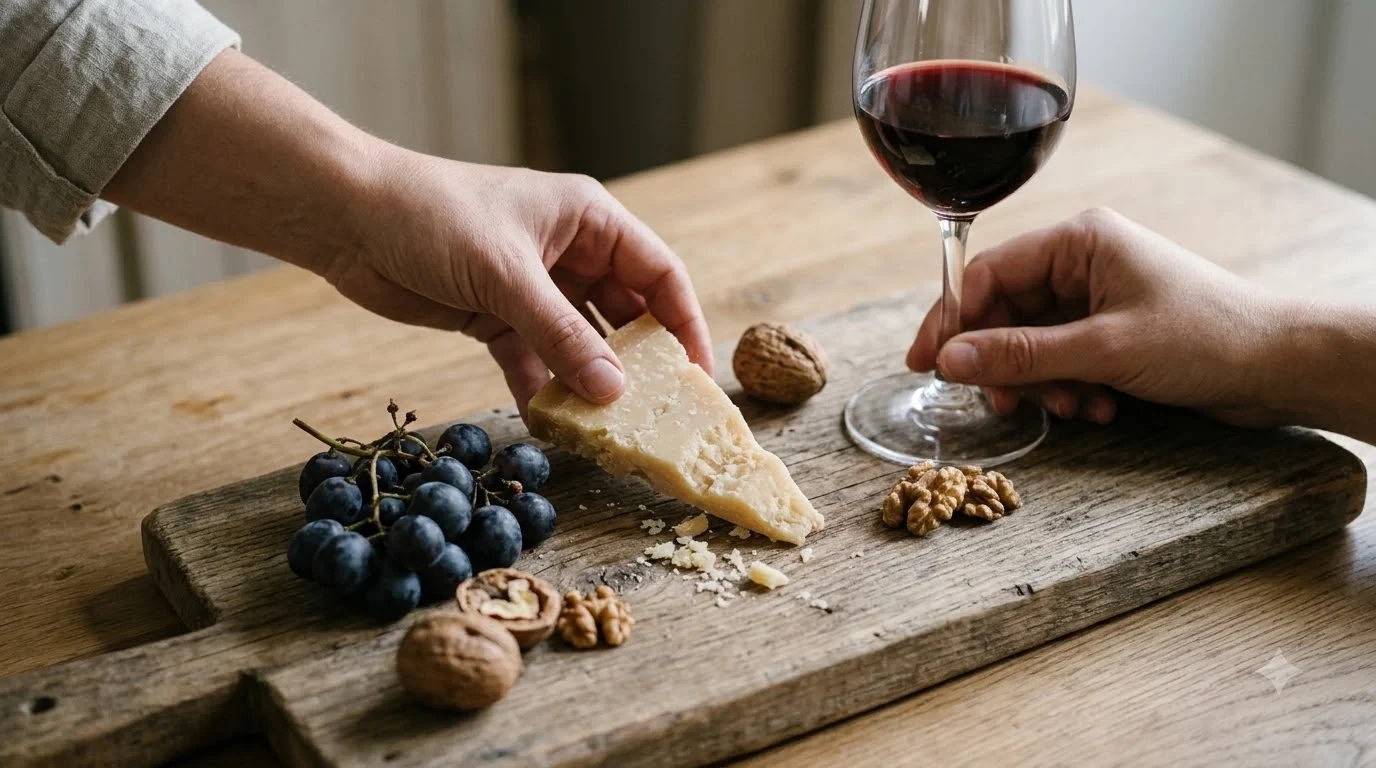
It also makes sense for people who want a flexible bottle for casual dinners. Sutter Home specifically recommends barbecued ribs, cheeseburgers, and spicy Asian foods. Those suggestions reflect the wine’s combination of sweetness, fruit, and soft tannins. It can complement smoky or salty flavors without requiring an elaborate recipe or a formal dining occasion.
There is some independent support for its position within the sweet-red category. Wine Curmudgeon’s comparison of sweet red wines included Sutter Home Sweet Red among the stronger examples, describing it as clean, balanced, and suitable for food, particularly barbecue. That assessment is useful because sweetness alone does not make a red wine enjoyable. A bottle still needs fruit character, acidity, and enough structure to work with a meal.
However, this is not necessarily the right selection for someone who prefers completely dry wine. Drinkers who enjoy the restrained fruit, pronounced earthiness, and firm structure of traditional European reds may find Sweet Red too sweet or straightforward. It is better understood as a casual, fruit-led wine than as a substitute for a complex, dry dinner wine.
Key Factors to Compare
The most important buying considerations are sweetness, grape composition, alcohol, fruit character, and serving size. Sutter Home publishes useful technical and nutrition information, allowing shoppers to compare several practical details rather than relying entirely on the words sweet and smooth.
| Factor | Published information | What it means |
|---|---|---|
| Wine style | Sweet red blend | Fruit-forward rather than traditionally dry |
| Grape varieties | Merlot, Zinfandel, Syrah | A blend combining softer texture and red-fruit character |
| Alcohol | 12.15% ABV | Moderate alcohol for a conventional still red wine |
| Acidity | 0.65 g/100 mL | Published measure of the wine’s acidity |
| pH | 3.29 | Another technical measure of acidity |
| Calories | 130 per 5-ounce serving | Producer-published nutrition information |
| Carbohydrates | 8.26 g per 5-ounce serving | Not a separately reported sugar measurement |
| Available formats | 187 mL, 750 mL, 1.5 L | Mini, standard, and larger-format bottles |
The figures above come from Sutter Home’s published product specifications and nutrition information. The nutrition page identifies a 5-ounce serving and five servings per 750 mL container. That makes the standard bottle a practical choice for a small gathering, while the mini format is convenient when only one smaller package is needed. The larger 1.5 L option makes more sense when serving several people.
Sweetness deserves particular attention because a wine described as sweet can still have appreciable acidity. Sutter Home describes Sweet Red as naturally sweet, with soft tannins and refreshing acidity. Those characteristics explain why its profile should not be reduced to a simple sugary taste. For a closer examination of the producer’s published nutrition figures, see our guide to Sutter Home Sweet Red sugar content. Carbohydrate information and residual-sugar measurements are not interchangeable, so the published carbohydrate figure should not be treated as an exact sugar measurement.
Alcohol is another meaningful comparison point. The producer lists 12.15% ABV for its product, a detail that matters when comparing this wine with other sweet red styles. For a more focused explanation of the number and how to interpret it, our article on Sutter Home Sweet Red alcohol content provides additional context. The important purchasing takeaway is that sweetness does not automatically mean a wine has little alcohol.
Tip: Compare the published alcohol content and nutrition serving size separately from perceived sweetness. A wine can taste noticeably sweet while still having a conventional red-wine alcohol level.
Step-by-Step: How to Choose Sutter Home Sweet Red
Choosing this wine is easier when the decision is broken into a few practical steps. Start with your preferred sweetness, consider the bottle format, and then decide how you intend to serve it.
- Decide how much sweetness you enjoy. Sutter Home Sweet Red is deliberately fruit-forward and sweet rather than dry. Look for the combination of cherry, berry, and peach flavors described by the producer. Someone who normally enjoys Moscato or sweet rosé may find the style approachable, while someone who primarily drinks dry Pinot Noir may find it less suitable.
- Choose the grape blend that fits your preferences. The producer names Merlot, Zinfandel, and Syrah as the three varieties in this wine. Merlot is generally associated with medium, softer tannins, while Syrah can contribute more substantial structure. Zinfandel is commonly associated with ripe, generous fruit. Their combination helps explain why this blend offers both fruit richness and some red-wine character.
- Check the alcohol figure. Sutter Home lists 12.15% ABV. That information provides a more useful comparison than sweetness alone when assessing different bottles. People choosing among sweet red wines should not assume that a sweeter flavor means substantially lower alcohol.
- Pick a suitable bottle format. Sutter Home lists 187 mL minis, standard 750 mL bottles, and 1.5 L bottles. The mini format is useful for individual occasions, the standard bottle suits ordinary home use, and the larger size is practical when several guests will share the wine. A standard 750 mL container is listed by the producer as five 5-ounce servings.
- Plan the food and serving temperature. Start with barbecued ribs, cheeseburgers, or a moderately spicy Asian dish, which are among the producer’s recommendations. Serve the wine slightly chilled rather than allowing it to become warm. A cooler temperature makes its fruit-forward character feel more refreshing.
After these steps, consider the occasion rather than trying to make the wine serve every possible purpose. A chilled bottle for a casual dinner, a weekend barbecue, or an informal get-together is a more natural fit than a formal tasting centered on comparing complex aged reds.
Also consider the number of people drinking. The mini, standard, and larger formats provide useful flexibility, but the standard bottle is generally the most practical starting point when the wine is unfamiliar. It allows several conventional pours without committing to the larger format before knowing whether everyone enjoys the sweetness.
Types or Styles Explained
Sutter Home Sweet Red is a blended sweet red wine rather than a single-variety wine. Its three named grapes contribute different characteristics, while the producer’s winemaking method preserves the fruit-forward style instead of emphasizing substantial oak influence.
Merlot is commonly associated with soft, approachable red-fruit flavors and medium tannins. In traditional red-wine styles, it can provide a rounded texture that is easier to enjoy than the stronger grip of Cabernet Sauvignon. That general grape characteristic helps explain why Merlot works naturally in a blend intended to have a soft mouthfeel.
Zinfandel is often associated with generous ripe fruit, including berry and darker-fruit expressions. Its fruit-forward character can support the impression of richness in a sweeter red blend. However, the precise percentage of Zinfandel in Sutter Home Sweet Red is not published in the product description, so its contribution should not be assigned a specific proportion.
Syrah generally contributes more structural character than the softest red varieties. Depending on its growing conditions and winemaking, it can bring darker fruit, spice, and more noticeable tannins. In this blend, Sutter Home describes the overall tannin profile as soft, indicating that the intended finished style is not an aggressively structured Syrah-based red.
Winemaking also matters. Sutter Home says the wine is cold-fermented and aged entirely in stainless steel tanks. Stainless steel helps preserve fresh fruit expression rather than adding the vanilla, toast, smoke, or spice character associated with substantial new-oak aging. The producer’s Sweet Red product description provides its grape varieties, production details, and published technical specifications. The wine’s fresh cherry and peach identity is emphasized instead of a barrel-driven profile.
Sweet red blends should also be distinguished from dry red blends. A dry blend generally emphasizes tannin, acidity, and savory or fruit complexity without noticeable residual sweetness. Sweet Red is designed around a different balance. Its natural residual grape sweetness softens the overall impression, while refreshing acidity provides contrast.
For a wider overview of producers and styles, explore Wine Brands. That broader perspective helps explain why the name of a producer alone does not determine whether a wine is dry, sweet, light, or full-bodied. Individual blends can be designed for very different drinking preferences.
Common Mistakes
The biggest mistakes with Sutter Home Sweet Red involve misunderstanding its sweetness, serving it too warm, or pairing it with foods whose flavors overwhelm its relatively soft structure. Avoiding those problems makes the wine easier to appreciate and helps its fruit character remain balanced.
Assuming that sweet means lacking acidity is a common misconception. The producer describes Sweet Red as having refreshing acidity alongside natural residual grape sweetness. Its published technical specifications include 0.65 g/100 mL acidity and a pH of 3.29. Those characteristics can work together to make a wine feel balanced. The wine is not simply a sweet flavor without structural support.
Serving it too warm can make the alcohol and sweetness seem more prominent. A bottle kept in a warm kitchen or served outdoors on a hot afternoon may lose some of the refreshing character intended by the producer’s chilled-serving recommendation. Start around 55–60°F rather than serving it at typical warm room temperature. This is a useful range for a softer red that benefits from some chilling without becoming excessively cold.
Choosing food without considering sweetness can also produce disappointing results. A very sugary dessert may make a moderately sweet wine taste less sweet by comparison, revealing more acidity and alcohol. A useful general principle is to serve wine at least as sweet as the dessert. Fruit desserts with moderate sweetness are generally easier matches than extremely sugary cakes or confections.
Spice deserves special attention. Sutter Home recommends spicy Asian cuisine, but that does not mean every extremely hot dish will work equally well. Alcohol and tannin can amplify the perception of chili heat. Mildly spicy noodles, sweet-and-savory dishes, and moderately seasoned barbecue are more forgiving than intensely hot sauces. The wine’s fruit character can complement spice, but excessive heat can dominate the experience.
For more detail on balancing acidity, fat, sweetness, and other food characteristics, see Wine Folly’s food and wine pairing guide. Its pairing principles are useful for understanding why a wine’s structure matters just as much as its dominant flavor. Applying those principles makes it easier to select dishes that complement Sweet Red rather than overwhelm it.
There is also no reason to pair every red wine with red meat automatically. Oily fish can clash with tannic reds, and a delicate fish dish may be better matched with a crisp white. Sweet Red’s softer structure gives it greater flexibility than a heavily tannic red, but the strongest starting points remain the foods highlighted by the producer: grilled meats, ribs, burgers, and selected Asian dishes.
Care or Storage Tips
Sutter Home Sweet Red is best approached as a fresh, fruit-forward wine rather than a bottle intended for extended cellar aging. Store it away from heat and direct light, serve it slightly chilled, and refrigerate any remaining wine after opening.

For unopened bottles, a stable storage temperature near 55°F is a useful general target. Keep bottles away from direct sunlight, heating appliances, and frequent temperature changes. A dark cupboard or appropriate wine-storage space is preferable to a warm kitchen counter. Store traditional cork-finished bottles on their sides to help keep the cork from drying out.
Serving temperature makes a noticeable difference to the experience. Start around 55–60°F for this softer red style. A bottle that has been stored in a relatively warm room can benefit from some refrigeration before pouring. Avoid serving it ice-cold, since excessively low temperatures suppress aromas and can emphasize acidity and tannin at the expense of fruit expression.
Wine should generally be poured into a glass with enough room for its aromas to develop. A conventional 5-ounce serving is a useful portion, and the producer’s nutrition information uses that same serving size. Rather than filling a glass to the rim, leave space at the top. This allows the cherry, berry, and peach aromas to become more noticeable as the wine sits briefly in the glass.
After opening, reseal the bottle and keep it in the refrigerator. A typical opened still wine remains enjoyable for approximately three to five days when refrigerated properly, although flavor gradually changes as oxygen interacts with the wine. Sweetness does not remove the need for proper storage. If the remaining wine loses its fresh fruit character or develops an unpleasant smell, it is better not to serve it.
There is little reason to give this bottle a lengthy decanting period. Its intended appeal is fresh fruit and immediate drinkability, rather than the release of tightly held aromas from a powerful, young, tannic red. Open it, pour a small amount, and allow the glass to show its aromas naturally. That is generally sufficient for an uncomplicated wine designed for casual enjoyment.
Frequently Asked Questions
These additional details address common questions that go beyond basic flavor, serving, and purchasing considerations. They are particularly useful when comparing product listings or deciding whether a bottle meets specific preferences.
Does Sutter Home Sweet Red contain sulfites?
Retail product information identifies Sutter Home Sweet Red as containing sulfites. Sulfites are commonly used in winemaking to help protect wine during production and storage. Anyone checking ingredients or allergen information should consult the labeling on the specific bottle they are purchasing.
Has Sutter Home Sweet Red received wine awards?
Yes. Sutter Home lists a Reserve Class Champion Gold recognition from the Houston Livestock & Rodeo competition and a 91-point Gold recognition from the West Coast Wine competition. The producer also lists Gold recognition from the San Francisco Chronicle competition. These distinctions provide historical recognition, although they should not be interpreted as a guarantee of individual preference.
Does Sutter Home publish the percentages of each grape in the blend?
The producer identifies Merlot, Zinfandel, and Syrah as the grapes used, but its product description does not provide their individual blending percentages. This means the order in which the grapes are named should not be used to calculate their proportions. The published information describes the blend’s components rather than its exact formulation.
Is the 187 mL mini bottle one full serving?
The mini bottle contains approximately 6.3 fluid ounces, which is more than the standard 5-ounce serving used in Sutter Home’s nutrition information. It therefore contains roughly 1.25 standard servings. The format is convenient for individual occasions, but it is not exactly equivalent to one conventional serving.
Should Sutter Home Sweet Red be aged for several years?
No extended aging program is specified by the producer. Its stated production approach focuses on preserving fresh fruit aromas and flavors through cold fermentation and stainless-steel aging. That makes it more appropriate for drinking while its fruit-forward character is fresh than for keeping in a cellar as a long-term investment wine.
Sutter Home Sweet Red is a straightforward option for people who enjoy noticeable sweetness, soft red-wine tannins, and familiar cherry and peach flavors. Its 12.15% ABV, flexible bottle sizes, and compatibility with barbecue and moderately spicy foods make it particularly practical for casual occasions. Choose it for an approachable, chilled red blend rather than expecting a dry, complex, age-worthy wine, and its style becomes much easier to appreciate.
More in Wine Brands
 Louis Latour Wine Price: Compare Bottles by Style and TierUpdated Nov 20, 2026
 Yellow Tail Moscato Price: What to Expect Before You BuyUpdated Nov 20, 2026
 Franzia Chillable Red Review: Find the Right Serving StyleUpdated Nov 20, 2026
 Veuve Clicquot Rose Review: Flavor, Food Pairings and Buying AdviceUpdated Nov 20, 2026
 Rombauer Wine Price: Compare Bottles Before You BuyUpdated Nov 20, 2026
 Whitehaven Wine Price: What to Expect Before You BuyUpdated Nov 20, 2026