

We may earn a commission when you buy through links on this page, at no extra cost to you. Learn more.
The sutter home sweet red sugar content is represented by 8.26 grams of total carbohydrates per 5-ounce serving, but the manufacturer does not separately disclose its exact sugar or residual sugar content. The wine contains 130 calories per serving and is marketed as a sweet red blend with cherry, berry, and peach flavors. Understanding the difference between total carbohydrates and residual sugar helps you interpret its nutritional information without confusing the two measurements.
If you are checking the sugar in Sutter Home Sweet Red, the most important detail is what the manufacturer actually reports. Its nutrition information gives a specific carbohydrate figure, while its product description explains the wine’s sweetness and fruit-forward character. These details provide a useful picture of the wine, but they do not establish an exact number of grams of residual sugar. Here is how to understand the available figures, calculate portions, and compare this red blend with other wines.
Official Sutter Home Sweet Red Nutrition Numbers
A standard 5-ounce serving contains 130 calories and 8.26 grams of total carbohydrates according to Sutter Home’s published nutrition information. These are the clearest manufacturer-provided nutritional figures for understanding an ordinary glass of this wine.
The distinction between carbohydrates and sugar is important. Sutter Home lists total carbohydrates, but its nutrition chart does not provide a separate figure for total sugars or residual sugar. Therefore, 8.26 grams should not be described as 8.26 grams of sugar. It is the reported carbohydrate amount, and the exact sugar measurement remains undisclosed in that particular nutrition listing.
The manufacturer also provides information about the standard container. A 750 mL bottle contains approximately five 5-ounce servings. This makes it straightforward to estimate the total carbohydrates and calories in a bottle when using the manufacturer’s stated serving size.
| Nutrition detail | Official amount |
|---|---|
| Serving size | 5 fl oz |
| Calories per serving | 130 |
| Total carbohydrates | 8.26 g |
| Total fat | 0 g |
| Protein | Less than 1 g |
| Servings per 750 mL bottle | 5 |
| Total calories per bottle (calculated) | 650 |
| Total carbohydrates per bottle (calculated) | 41.3 g |
The bottle totals are calculated by multiplying the manufacturer’s serving figures by five. They are useful estimates for a standard 750 mL container rather than a separately published bottle-level nutrition analysis. Actual pours can differ, so the amount consumed depends on how much wine goes into the glass.
Another important point is that the official chart lists several other Sutter Home wines. For example, its Red Blend contains 6 grams of carbohydrates and 127 calories per 5-ounce serving, while Sweet Red contains 8.26 grams and 130 calories. This comparison shows why nutritional figures should be associated with the correct wine rather than applied to every red bottle from the same producer.
Carbohydrates, Sugar, and Residual Sugar Explained
Carbohydrates, total sugars, and residual sugar are related concepts, but they are not interchangeable. Understanding these terms makes it easier to interpret the 8.26-gram carbohydrate figure without assuming it represents the wine’s exact sugar concentration.
Carbohydrates describe a broader nutritional category. Sugars are one type of carbohydrate, while a nutrition declaration may account for other carbohydrate components as well. The manufacturer’s published number is therefore best described using its original terminology: total carbohydrates.
Residual sugar, often abbreviated as RS, has a more specific meaning in winemaking. It refers to the glucose and fructose remaining after alcoholic fermentation. Yeast consumes these sugars during fermentation, converting much of them into alcohol and carbon dioxide. The amount that remains influences the wine’s sweetness and texture.
Wine professionals generally measure residual sugar in grams per liter, abbreviated g/L. This is a concentration measurement rather than the amount of sugar in an individual glass. A 750 mL bottle contains three-quarters of a liter, so a wine with a measured residual sugar concentration of 20 g/L would contain approximately 15 grams of residual sugar in the full bottle.
For an individual 5-ounce serving, which is approximately 148 mL, the same hypothetical wine would provide roughly 3 grams of residual sugar. This calculation illustrates how to translate a laboratory measurement into a serving estimate. It is not a measured sugar value for Sutter Home Sweet Red.
According to Decanter’s explanation of residual sugar, the measurement is expressed in grams per liter, and sweetness classifications use different concentration ranges. Its discussion of still wine identifies the following general European categories.
| Residual sugar | General classification |
|---|---|
| Up to 4 g/L | Dry |
| 4–12 g/L | Medium dry |
| 12–45 g/L | Medium or medium-sweet |
| Above 45 g/L | Sweet |
These are general European classification ranges, not a verified classification of Sutter Home Sweet Red. Some classifications also allow adjustments for acidity, which affects the perception of sweetness. The figures are useful for understanding wine terminology, but they should not be treated as a substitute for the producer’s actual laboratory analysis.
For additional background, Decanter’s explanation of residual sugar describes how fermentation determines the amount of sugar remaining in finished wine.
Tip: When comparing wine nutrition information, distinguish total carbohydrates from total sugars and residual sugar. If a producer publishes only carbohydrates, do not automatically treat that number as the wine’s sugar content.
Why Sutter Home Sweet Red Tastes Sweet
Sutter Home Sweet Red is designed as a fruit-forward red blend rather than a dry, strongly tannic red wine. Its advertised cherry, berry, and peach character, together with its soft mouthfeel, gives it an approachable style that suits drinkers who prefer noticeable fruitiness.
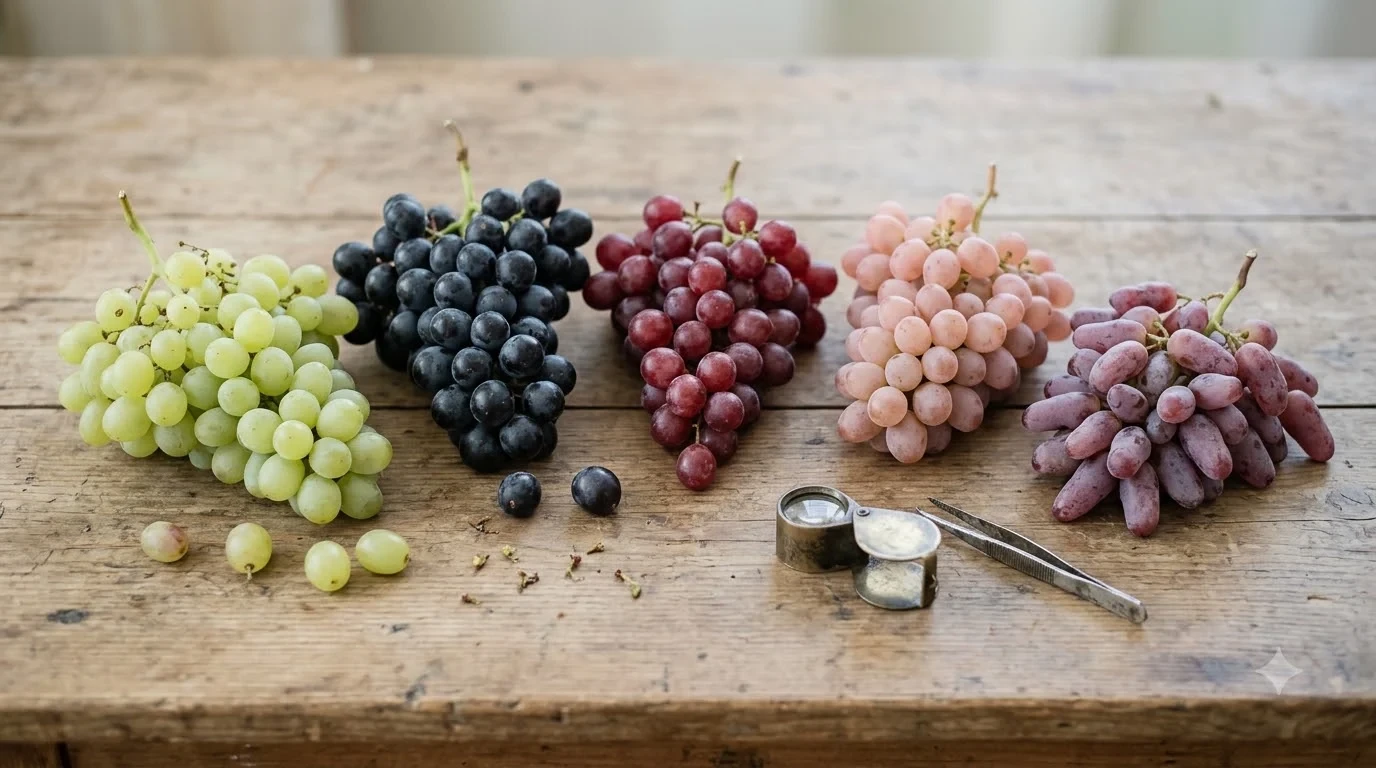
According to the producer’s product description, the blend uses three grape varieties: Merlot, Zinfandel, and Syrah. Each contributes different characteristics to the finished wine.
- Merlot: Generally contributes softer tannins and rounded fruit character.
- Zinfandel: Can contribute ripe berry and jammy fruit impressions.
- Syrah: Can add darker fruit, spice, and additional structure.
The producer describes the resulting aromas as delicate peach and floral notes. Its flavor description highlights fresh cherry, juicy berries, and ripe peach. These characteristics help explain why the wine can taste sweet and fruity, even though the exact residual sugar concentration is not provided in the official nutrition chart.
Fruitiness and measurable sugar should not be confused. A wine can smell like ripe peaches or cherries without containing the same amount of sugar as those fruits. Aromatic compounds influence the impression of sweetness, while residual sugar is a chemical measurement of the remaining grape sugars.
Wine Enthusiast explains that acidity, tannins, and alcohol can all affect how sweetness is perceived. A wine with noticeable acidity may taste fresher than another wine with a similar sugar concentration. Likewise, tannins can create a drying sensation that changes the overall impression.
Sweet Red has a combination of refreshing acidity and soft tannins according to its producer. This balance contributes to its smooth style and prevents the fruit-forward character from being the only element noticeable in the glass.
For a more detailed explanation of this distinction, Wine Enthusiast’s discussion of dry and sweet wine explains why sweetness cannot always be judged from a single numerical measurement.
How Serving Size Changes the Nutrition Numbers
The manufacturer’s 8.26-gram carbohydrate figure applies to a 5-ounce serving, not to every possible glass size. Pouring 3 ounces or 8 ounces changes the amount of wine consumed and therefore changes the estimated nutritional intake.
Using the official serving figures, you can calculate approximate carbohydrate and calorie amounts for different pours. The calculations below assume that the nutritional values increase proportionally with the amount of wine.
| Pour size | Approximate calories | Approximate carbohydrates |
|---|---|---|
| 3 oz | 78 | 4.96 g |
| 4 oz | 104 | 6.61 g |
| 5 oz | 130 | 8.26 g |
| 6 oz | 156 | 9.91 g |
| 8 oz | 208 | 13.22 g |
These figures are mathematical estimates based on the producer’s 5-ounce serving. They are not separate laboratory measurements for each glass size, and the carbohydrate estimates still refer to total carbohydrates rather than confirmed sugar.
A standard 750 mL bottle holds approximately 25.4 fluid ounces. Dividing that amount into five servings gives about 5.08 ounces per serving, which explains the manufacturer’s rounded five-serving declaration.
For example, a 4-ounce pour provides approximately 6.61 grams of carbohydrates. Two such pours provide about 13.22 grams in total. A single 8-ounce pour provides approximately the same amount.
Pouring size also affects the number of servings obtained from a bottle. Five standard 5-ounce servings use approximately 25 ounces, while four 6-ounce pours use 24 ounces. The remaining small difference reflects the rounded bottle volume and serving calculations.
It is also useful to distinguish a glass from a bottle when comparing nutritional information. A bottle contains several servings, so multiplying the per-glass figure by the number of glasses is necessary when calculating the entire amount consumed.
How Sutter Home Sweet Red Compares With Other Wines
Sweet Red occupies a fruit-forward position within Sutter Home’s range, and its published nutritional figures differ from those of several other varieties. Comparing wines from the same manufacturer provides a more consistent reference because the serving size is standardized at 5 ounces.
The official Sutter Home nutrition chart gives the following figures.
| Wine | Calories per 5 oz | Carbohydrates per 5 oz |
|---|---|---|
| Sweet Red | 130 | 8.26 g |
| Red Blend | 127 | 6.00 g |
| Merlot | 119 | 4.10 g |
| Cabernet Sauvignon | 126 | 6.00 g |
| Pinot Grigio | 114 | 4.00 g |
| Moscato | 127 | 11.40 g |
Sweet Red contains 2.26 grams more carbohydrates per serving than the listed Red Blend. Its carbohydrate figure is also higher than the manufacturer’s Merlot and Cabernet Sauvignon figures. Moscato, however, has a higher published carbohydrate amount at 11.4 grams per 5-ounce serving.
These comparisons are about reported carbohydrates, not verified residual sugar concentrations. They do not establish which wine has the most actual sugar or the sweetest flavor. The wines also differ in grape varieties, acidity, alcohol, and winemaking style.
For example, Cabernet Sauvignon generally has more pronounced tannins than Merlot, while Pinot Grigio is typically a lighter white wine with refreshing acidity. Moscato commonly has an aromatic, fruit-forward profile. Those differences influence the tasting experience independently of the carbohydrate figures.
If you are comparing Sutter Home varieties, it helps to look at the individual product rather than assuming that all red wines have the same nutritional composition. You can also read about Sutter Home Sweet Red alcohol content to understand another important component of the wine’s overall composition.
For other comparisons within the category, the information on Sutter Home Cabernet alcohol content and Barefoot Pinot Grigio sugar content provides additional context for comparing different wine styles and their published nutritional details.
Serving, Storage, and Food Pairings
Sutter Home recommends serving Sweet Red chilled, particularly on warm days. Its fruity character and soft tannins make it suitable for casual meals, grilled foods, and dishes with noticeable seasoning.
The producer specifically recommends grilled meats, spicy Asian cuisine, and light cheeses. These suggestions work because the wine’s fruit-forward flavor can complement savory dishes, while its refreshing acidity helps balance richer ingredients.
Recommended food pairings
- Grilled ribs: The savory, smoky flavors complement the wine’s ripe berry and cherry character.
- Cheeseburgers: Juicy beef and melted cheese provide richness that works with the wine’s soft tannins.
- Spicy Asian dishes: Sweet fruit flavors can provide a pleasant contrast to salty, spicy, and savory seasonings.
- Light cheeses: Mild cheeses allow the peach and cherry aromas to remain noticeable.
- Grilled chicken: Lightly seasoned chicken offers a relatively gentle match for the wine’s fruit-forward profile.
Pay attention to chili heat when choosing a pairing. Alcohol and tannins can make spicy foods feel hotter, so heavily seasoned dishes may be more enjoyable with moderate chili intensity. The fruit character of Sweet Red can help balance some spice, but it does not eliminate the effect of heat.
Serving temperature also changes how the wine feels. Chilling a fruit-forward red can make its presentation feel fresher and emphasize its lively fruit character. Avoid serving it extremely cold, because excessive chilling can mute some of its aromas.
For storage, keep unopened bottles in a cool, dark location away from direct sunlight and large temperature changes. A consistent temperature near 55°F is a useful general target for wine storage. Bottles with cork closures are generally stored horizontally to keep the cork from drying out.
After opening, reseal the bottle and place it in the refrigerator. Most opened still wines are best enjoyed within approximately 3–5 days, although the precise period depends on oxygen exposure and storage conditions. Allowing a chilled red to sit briefly before serving can help its aromas become more expressive.
Sutter Home also offers different bottle formats, including mini bottles, 750 mL bottles, and 1.5 L bottles. The smaller format can be convenient when only a modest quantity is needed, while the larger format provides more servings for a gathering.
Frequently Asked Questions
Does Sutter Home Sweet Red contain added sugar?
The published nutrition information does not identify a separate quantity of added sugar. The producer describes the wine’s sweetness as natural residual grape sweetness complemented by the blend’s soft tannins. Without a specific ingredient or laboratory declaration, the exact amount of added sugar cannot be established from the available figures.
Is Sutter Home Sweet Red suitable for making sangria?
Yes, its cherry, berry, and peach character can provide a fruity base for sangria. Fresh orange slices, berries, and a little citrus juice can complement its flavor. Since the wine already has a sweet profile, taste the mixture before adding any additional sweetener.
What grape varieties are used in Sutter Home Sweet Red?
The producer identifies Merlot, Zinfandel, and Syrah as the grapes in the blend. These varieties contribute different fruit and structural characteristics. Their combination creates the wine’s soft, fruit-forward red style rather than the more firmly structured profile associated with some Cabernet Sauvignon wines.
Does refrigeration change the amount of sugar in opened wine?
No. Refrigeration does not meaningfully remove the residual sugar already present in the wine. It slows oxidation and helps preserve freshness after opening. The carbohydrate and sugar amounts in a given quantity remain essentially the same during ordinary refrigerated storage.
Can two bottles of the same wine have slightly different sugar measurements?
Wine composition can vary with grape harvest conditions, blending decisions, and production adjustments. Laboratory measurements may also have small analytical differences. For precise comparisons, the most useful information is a current producer-provided analysis that identifies the particular bottling and reports residual sugar in grams per liter.
Sutter Home Sweet Red provides 130 calories and 8.26 grams of total carbohydrates in the manufacturer’s standard 5-ounce serving, but those carbohydrates should not be mistaken for an exact sugar measurement. Its fruit-forward flavor, soft tannins, and cherry and peach character make it a distinctive sweet red blend. For an accurate sugar comparison, look for a separately reported residual sugar figure rather than relying on the carbohydrate number alone.
More in Wine Brands
 Louis Latour Wine Price: Compare Bottles by Style and TierUpdated Nov 20, 2026
 Yellow Tail Moscato Price: What to Expect Before You BuyUpdated Nov 20, 2026
 Sutter Home Sweet Red Review: Find the Right Food PairingsUpdated Nov 20, 2026
 Franzia Chillable Red Review: Find the Right Serving StyleUpdated Nov 20, 2026
 Veuve Clicquot Rose Review: Flavor, Food Pairings and Buying AdviceUpdated Nov 20, 2026
 Rombauer Wine Price: Compare Bottles Before You BuyUpdated Nov 20, 2026