

We may earn a commission when you buy through links on this page, at no extra cost to you. Learn more.
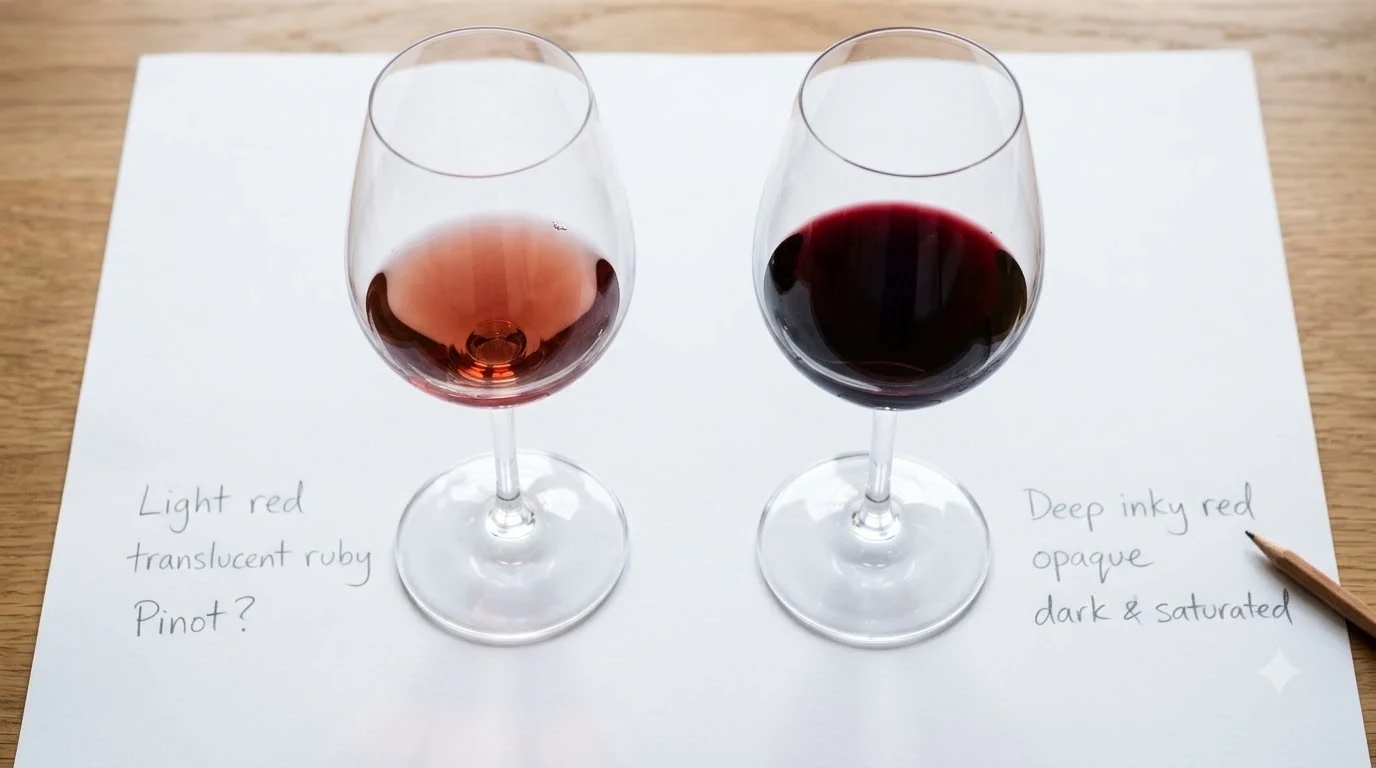
Russian River Valley Pinot Noir is a cool-climate red known for bright red cherry and raspberry fruit, earthy spice, and silky tannin. The valley’s morning fog and large day-to-night temperature swings slow ripening and keep acidity high, which gives the wine freshness. It is a strong choice for anyone who likes lighter reds with depth and balance.
This guide explains what makes the Russian River Valley a distinctive place for Pinot Noir, how the wines typically taste, how to serve them, and what to eat with them. It is written for shoppers who see the appellation on a label and want to know what it means in the glass.
Where the Russian River Valley is
The Russian River Valley is a wine appellation in Sonoma County, California, established in 1983. According to the Wikipedia entry for the Russian River Valley AVA, it lies between Sebastopol and Santa Rosa in the south and Forestville and Healdsburg in the north. After a 2011 expansion, the appellation covers about 141,000 acres.
The region is cool. Morning fog rolls in from the Pacific and burns off during the day, and nighttime temperatures can drop by as much as 35 to 40 degrees Fahrenheit from daytime highs. That cool, long growing season is why the valley is so closely associated with Pinot Noir and Chardonnay.
Why the climate suits Pinot Noir
Pinot Noir is a thin-skinned grape that ripens best in cool conditions. Wine Folly’s Pinot Noir guide describes it as usually light to medium-bodied, with low tannin, medium-high acidity, and alcohol typically between 12 and 14 percent. Those traits suit a region with long, cool growing seasons, and the Russian River Valley delivers exactly that.
Soils add another layer. The Wikipedia summary of the appellation notes that the predominant soils include Huichica loam, Yolo clay loam, and Yolo silt loam, with Goldridge loam and other alluvial soils also present in parts of the valley. Vineyard by vineyard, these differences show up as variations in fruit and texture, which is why single-vineyard bottlings are popular here.
The same appellation is also home to Zinfandel and Syrah on warmer hillside sites, but Pinot Noir and Chardonnay dominate the plantings. A bottle labeled Russian River Valley usually reflects that cool-climate character, though the exact style depends on the producer.
What Russian River Valley Pinot Noir tastes like
Expect red fruit first. Raspberry, cherry, and cranberry are common, and many wines add earthy notes such as mushroom, forest floor, or tea leaves. Oak aging can bring vanilla, clove, and a light smoky finish, though the best examples keep the fruit in front.
The texture is typically silky rather than firm. Low tannin and bright acidity make the wine feel fresh on the palate, and the finish often lingers on red fruit and spice. This balance is the main reason Pinot Noir appeals to people who find bold reds too heavy.
| Feature | What to expect |
|---|---|
| Fruit | Raspberry, cherry, cranberry |
| Earth and spice | Mushroom, forest floor, tea leaves, clove |
| Body | Light to medium |
| Tannin | Low |
| Acidity | Medium-high |
Tip: Many young Pinot Noirs taste best after 20 to 30 minutes in the glass. A brief pour and wait lets the aromas open without losing the wine’s freshness.
How to serve Russian River Valley Pinot Noir
Wine Folly recommends serving Pinot Noir slightly cooler than room temperature, ideally around 55 to 60 degrees Fahrenheit. A short time in the refrigerator before pouring is usually enough. Serving it too warm can make the alcohol feel heavy and flatten the fruit.
Use a glass with a wide bowl, so the aromas can gather. Decanting is optional, but many young bottles benefit from about 30 minutes of air. Keep the bottle corked after pouring and drink it within a day or two once opened, because the delicate fruit fades faster than in bolder reds.
Food pairings for Pinot Noir
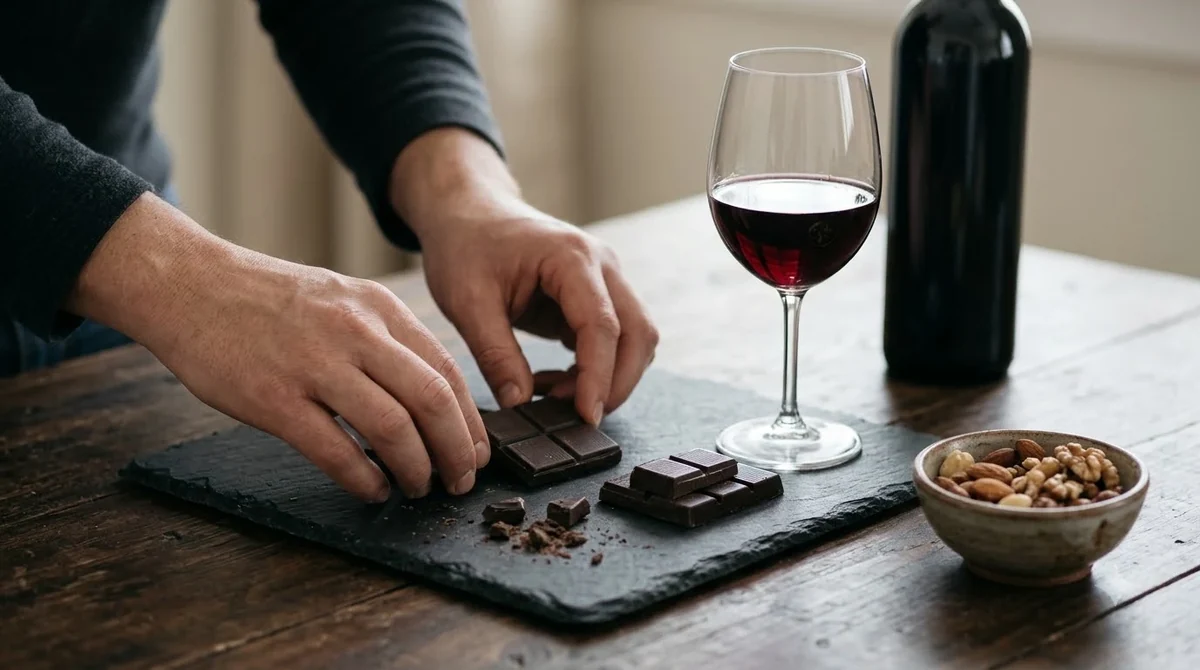
Pinot Noir is one of the most food-friendly reds. Its acidity and low tannin pair well with roasted chicken, duck, salmon, and mushroom dishes. Earthy sides such as roasted root vegetables, wild mushrooms, and herb-roasted potatoes match the wine’s savory notes.
Soft to medium cheeses like Gruyere, Comte, and fresh goat cheese suit the style, and pork dishes with fruit glazes also work well. Avoid very heavy, tannic dishes, which can overwhelm the wine. For spicy food, choose a Pinot with bright fruit, because the lower alcohol keeps heat in balance.
How to choose a Russian River Valley Pinot Noir
Look at the label for the vineyard or sub-region. Single-vineyard bottlings often show the specific character of one site, while blended bottlings aim for consistency across the valley. Vintage matters too, because cool years can yield leaner, brighter wines and warmer years can produce riper, fuller ones.
Producer style is an important guide. Some estates favor a lighter touch with more fruit and freshness, while others use more oak and a deeper color. If you are unsure, read the tasting notes and choose a bottle that matches the flavors you enjoy in other reds or whites.
Other California reds to compare
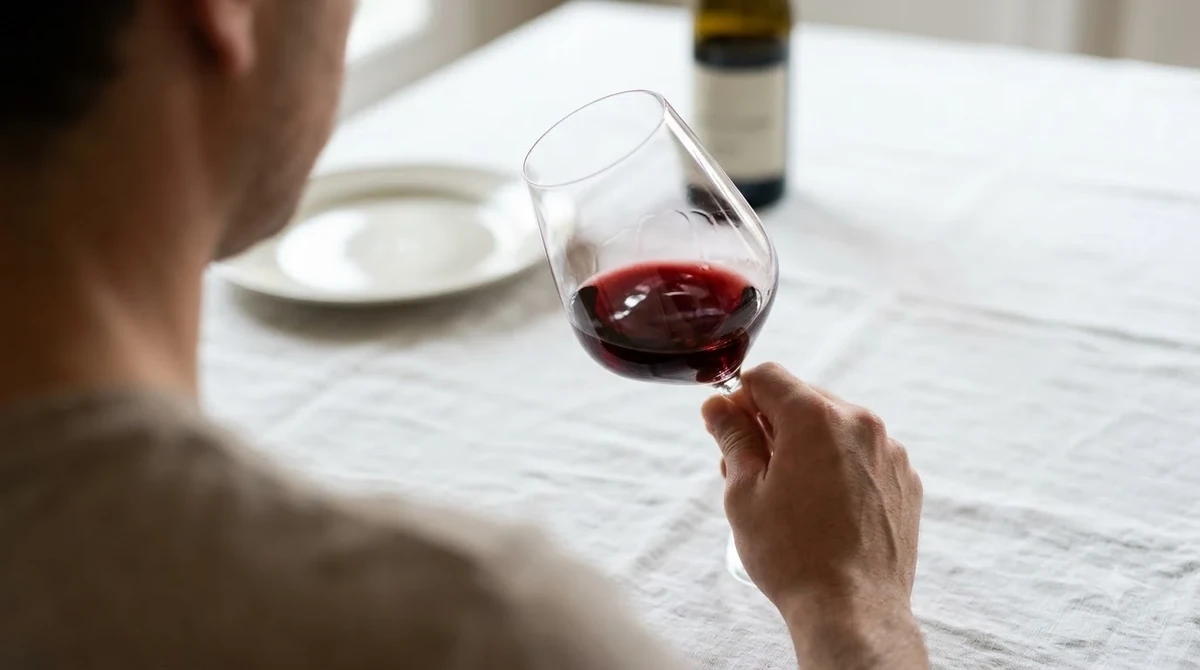
If you enjoy the freshness of a cool-climate Pinot Noir but want to explore other California styles, the contrast is useful. A warmer-climate red such as a Zinfandel or a Cabernet blend will taste bolder and more concentrated, so comparing the two helps you understand how climate shapes a wine. Our guide to Pedernales wine and our look at Spottswoode wine show two different California red styles side by side.
Comparing bottles from the same vintage, or from neighboring sub-regions, is one of the easiest ways to learn your own taste. Note whether you prefer the bright, lifted fruit of a cool site or the deeper, rounder character of a warmer one, and use that to guide your next purchase.
Cellaring and leftovers
Most Russian River Valley Pinot Noirs are meant to be enjoyed within a few years of release, although well-made bottles from strong vintages can improve for longer. Lighter, fruit-driven wines are best opened sooner, while more structured bottles with deeper color and firmer texture can handle a few years in a cool, dark cellar.
Once a bottle is open, recork it tightly and refrigerate it. Pinot Noir loses its freshness faster than many bolder reds, so plan to finish it within a day or two. Serve leftovers slightly cool, and the fruit often tastes brighter than it did the night before.
Frequently Asked Questions
Is Russian River Valley Pinot Noir sweet?
No. Pinot Noir from the valley is made as a dry red. Its ripe red fruit can taste generous, but the wine has little or no residual sugar.
How is Russian River Valley Pinot Noir different from Burgundy?
Both are cool-climate Pinot Noirs, but the styles differ by place and producer. Burgundy often shows more earth and savory character, while Russian River Valley wines often lean toward brighter, riper red fruit.
Should Pinot Noir be chilled before serving?
A short chill helps. Wine Folly suggests serving it around 55 to 60 degrees Fahrenheit, slightly cooler than room temperature.
What food goes best with Pinot Noir?
Roasted chicken, duck, salmon, and mushroom dishes are classic matches. Soft cheeses and earthy vegetables also pair well with the wine’s freshness and gentle tannin.
Russian River Valley Pinot Noir rewards a bit of attention to serving temperature and food pairing. Look for the cool-climate freshness, serve the wine slightly cool, and try a few producers to see which style you like best. For more on brands, the wine brands hub is a good next stop.
More in Wine Brands
 Underwood Wine Price: Compare Bottles, Cans, and Pack SizesUpdated Nov 21, 2026
 Zenato Wine Price: Compare Styles and Choose the Right BottleUpdated Nov 21, 2026
 Zuccardi Wine Price: Compare Bottles and Find the Right RangeUpdated Nov 21, 2026
 Yellow Tail Moscato Review: Taste, Sweetness and Serving TipsUpdated Nov 21, 2026
 Wolf Blass Yellow Label Review: Choose Your Best StyleUpdated Nov 21, 2026
 Wolffer Estate Rose Review: Choose the Right Bottle for Your TableUpdated Nov 21, 2026