

We may earn a commission when you buy through links on this page, at no extra cost to you. Learn more.
Pedernales wine comes from a sixth-generation Texas family estate in the Hill Country, and it is a useful starting point for anyone who wants to explore Texas wine beyond the usual California bottles. The producer describes its home as deep in the Texas Hill Country, with an address in Stonewall, Texas. This guide covers who makes the wine, what to expect from the glass, how to serve it, and which foods work well with it.
Texas wine has grown into a real category over the past few decades, and many shoppers still know very little about the producers behind the bottles. Pedernales is one of the names that comes up most often in Hill Country conversations, so it helps to know what the brand is and what it is not before you buy.
Who makes Pedernales wine
The brand is run by a Texas family that describes itself as sixth-generation. According to the producer’s website, the family’s roots and its estate sit in the Hill Country rather than in a larger corporate group. The site lists a physical estate address in Stonewall, Texas, which is a useful detail if you ever plan a visit.
The official site does not publish a founding year or a detailed timeline, so it is hard to say exactly when the operation started. What the site does make clear is that the wine is tied to a specific family and a specific place, and that identity is a big part of how the brand presents itself.
What to expect in the glass
The producer’s website does not publish detailed tasting notes for every wine, so any flavor description should be treated as a general guide rather than a promise. The one varietal the site highlights is a Texas Tempranillo Reserve. Tempranillo is a red grape best known from Spain, and in Texas it is often made in a medium-bodied style with red fruit and a savory edge.
If you are comparing Pedernales with a California red, expect a different climate signature. Hill Country vineyards generally deal with warm, dry summers, and the weather can shift from one season to the next. Those conditions tend to push Texas reds toward bolder fruit and a more direct character than cooler regions produce.
Read the back label before you buy. Look for the grape name, the vintage, and whether the bottle says reserve. A reserve label usually signals a more selective blend or extra aging, though the exact meaning depends on the producer.
Where the Hill Country fits in Texas wine
The Texas Hill Country is one of the best-known wine areas in the state. Its rolling terrain and elevation give growers a different set of conditions than the flatter plains farther east, and many of the state’s most visible wineries are clustered there.
Because the region is warm and dry for much of the growing season, growers often choose grapes that handle heat well. Tempranillo is one of the varieties that shows up in Hill Country lineups, though each producer makes its own choices. Pedernales fits into that picture as a family estate working with the varieties that suit its site.
| Question | What to look for |
|---|---|
| Who made it? | The producer name and family estate on the label or website |
| What grape is it? | The varietal named on the label, such as Tempranillo |
| Which vintage? | The year printed on the bottle, since each season differs |
| Is it a reserve? | A reserve label often means a more selective wine, though the exact standard varies |
How to serve Pedernales wine
Serve red wines slightly cooler than the room you are sitting in, not warm and not chilled. A short rest in the refrigerator before pouring is usually enough for a medium-bodied red like a Tempranillo. Decanting is optional. A brief pour into a wide glass lets the aromas open without any special equipment.
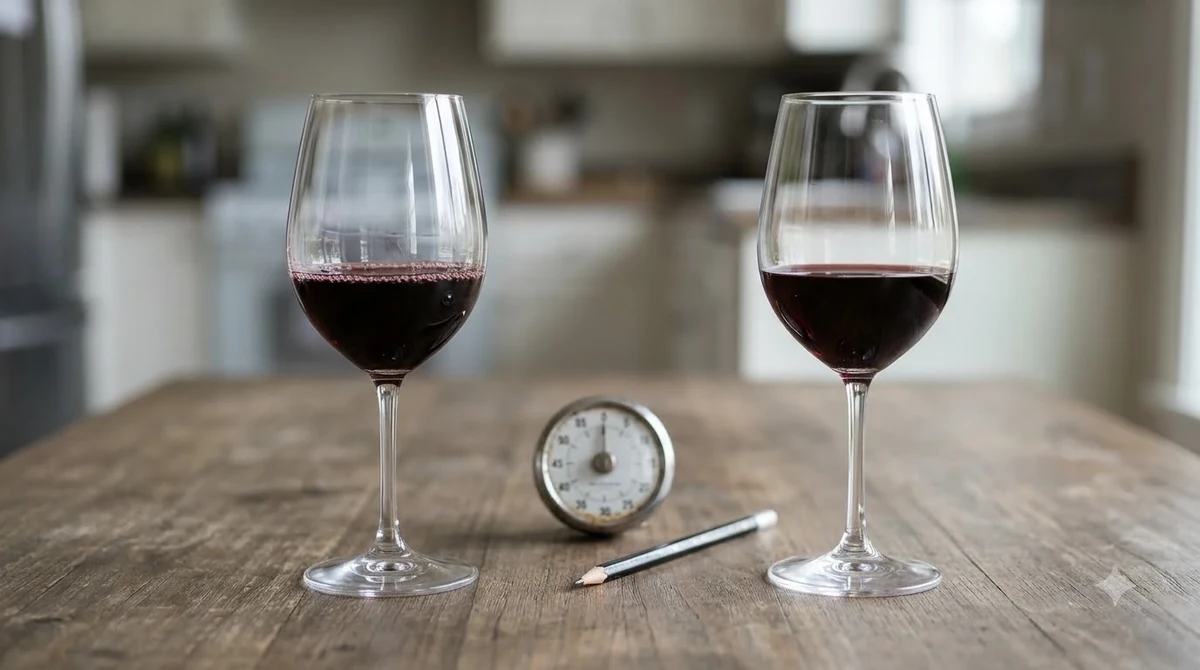
Use a glass with a bowl large enough to swirl without spilling. That gives the wine room to show its aroma, which is often where you notice the difference between a fruit-forward red and a more earthy one.
Tip: If a bottle tastes flat at first, pour it into a glass and wait a few minutes before judging it. Many reds open up as they meet air.
Food pairings that suit Texas reds
Medium-bodied Texas reds pair naturally with the food the state is known for. Grilled meats, smoked brisket, and sausage all have enough richness to balance the wine’s structure, while the wine’s acidity keeps the pairing from feeling heavy. Pizza with a tomato base and roasted vegetables also work well.
For a lighter meal, try a hard cheese or a bowl of beans with a little smoke. The goal is to match intensity rather than color, so a bold dish with a savory edge usually pairs better than a delicate salad.
How to choose a bottle
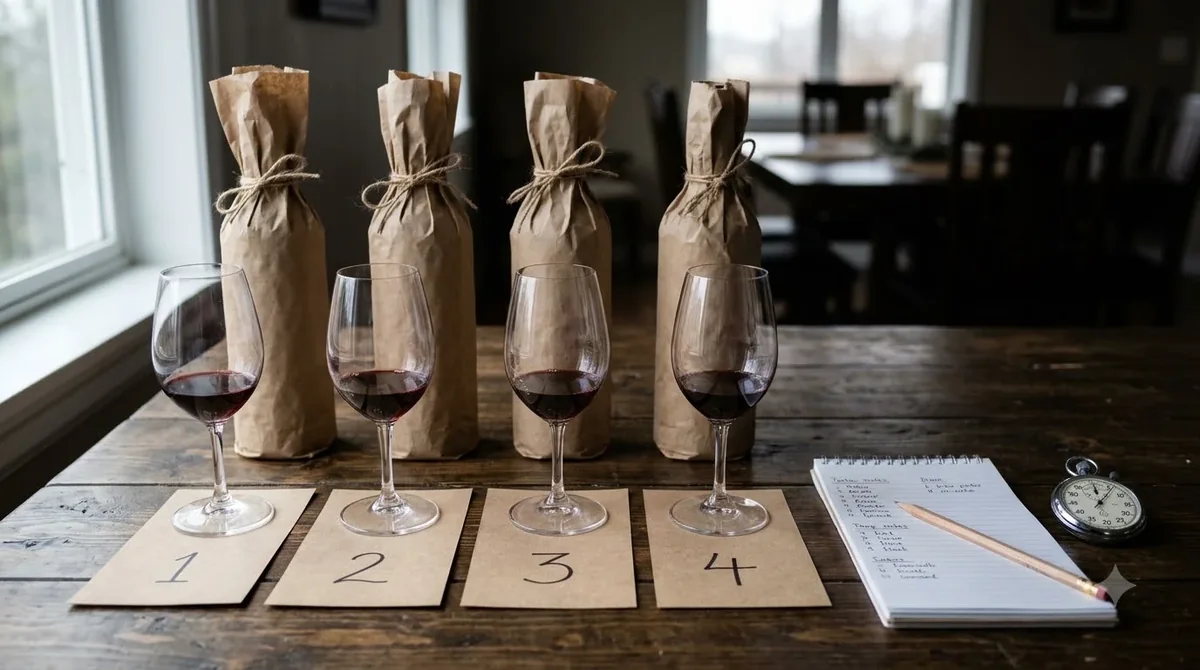
Start with what you already like. If you usually order a Cabernet or a Merlot, a Tempranillo will feel different in the mouth, with a bit more earthiness and less of the firm tannin you might expect from a Bordeaux-style red. Reading a short tasting note from a reputable critic can help you decide, since the producer’s own site does not provide one for every wine.
Buying directly from the estate, when you can, lets you ask about the vintage and the blend. Many Texas wineries run tasting rooms, and staff can explain how a bottle was made in a way a label cannot.
Storing and aging a Texas red
Storage matters more than most shoppers expect. Heat is the main enemy of wine, and Texas summers can be very hot, so a bottle that has sat in a warm delivery van or on a sunny shelf may not taste the way the winemaker intended. Ask the shop how it stores its wine, and choose bottles that have been kept cool.
Most medium-bodied reds are made to be drunk within a few years of the vintage, though some structured reds can improve for longer when stored well. Store bottles on their sides in a cool, dark spot with steady temperatures, and avoid keeping them near appliances that give off heat.
If you are buying a single bottle for a special occasion, a recent vintage from a reputable producer is usually the safest choice. Older bottles can be rewarding, but they carry more risk of faded fruit or a flat finish, especially when their storage history is unknown.
Where to read more about the producer
The producer’s own website is the most direct place to confirm the family history, the estate location, and the current lineup. It is worth reading before you buy, especially if you want to know which bottles are still in production. You can start at the Pedernales Cellars website and compare what you find with the tasting notes from critics you already trust.
Frequently Asked Questions
Is Pedernales wine made in Texas?
Yes. The producer describes itself as a Texas family estate in the Hill Country, and its website lists an address in Stonewall, Texas.
What grape is Pedernales best known for?
The producer’s website highlights a Texas Tempranillo Reserve. The site does not give a full lineup or detailed tasting notes, so check each label for the grape and vintage.
How should I serve a Texas Tempranillo?
Serve it slightly cooler than room temperature, not chilled. Give it a few minutes in the glass before drinking, and use a wide bowl so the aroma can develop.
What food goes well with Pedernales wine?
Grilled meats, smoked sausage, and tomato-based dishes are good matches for a medium-bodied Texas red. Choose food with enough savory flavor to stand up to the wine.
If you are building a list of wines to try, start with a single bottle and pair it with a dinner you already plan to make. For more background on other brands and what sets them apart, browse our wine brands guide, and compare with a California red such as Spottswoode to see how climate and style change the glass.
More in Wine Brands
 Underwood Wine Price: Compare Bottles, Cans, and Pack SizesUpdated Nov 21, 2026
 Zenato Wine Price: Compare Styles and Choose the Right BottleUpdated Nov 21, 2026
 Zuccardi Wine Price: Compare Bottles and Find the Right RangeUpdated Nov 21, 2026
 Yellow Tail Moscato Review: Taste, Sweetness and Serving TipsUpdated Nov 21, 2026
 Wolf Blass Yellow Label Review: Choose Your Best StyleUpdated Nov 21, 2026
 Wolffer Estate Rose Review: Choose the Right Bottle for Your TableUpdated Nov 21, 2026