

We may earn a commission when you buy through links on this page, at no extra cost to you. Learn more.
The answer to “is giesen wine good” is yes: Giesen makes appealing, well-balanced New Zealand wines, especially its Marlborough Sauvignon Blanc, and independent reviews support its reputation as a dependable everyday choice. The best-known style is crisp, citrusy and aromatic, but the producer also makes Pinot Gris, Chardonnay, Riesling, Merlot, lighter wines and alcohol-removed options. The right bottle depends on whether you want classic dry wine, a softer red, or a wine with no more than 0.5% alcohol by volume.
Giesen is a useful name to consider if you enjoy expressive whites with lively acidity rather than heavy oak or a sweet finish. A Giesen Sauvignon Blanc is the clearest starting point, while the wider range gives shoppers several routes into New Zealand wine without assuming every bottle tastes alike.
Who This Is For
Giesen is a good fit for drinkers who like fresh, fruit-led wine and want a recognizable New Zealand style at the table. The most direct evidence comes from its Marlborough Sauvignon Blanc: Wine Enthusiast gave the 2024 bottling 88 points, placing that score in its “Very Good” range, and described citrus, stone fruit, florals and crisp acidity. That is a positive independent signal for a mainstream white, not a claim that every Giesen label has the same quality or flavor.
Start with Giesen if you enjoy lime, grapefruit, passion fruit, green herbs and a clean finish. The style is especially appealing alongside seafood, salads, goat cheese and herb-focused dishes. It also suits shoppers who want a familiar grape variety from Marlborough rather than a wine whose main appeal is oak, weight or pronounced sweetness. For a quick primer on the brand’s broader labels and ranges, the Giesen wine range page can help narrow the choice.
The range suits changing occasions: choose Pinot Gris or Chardonnay for a different white-wine texture, Merlot for a red, or an alcohol-removed bottle when you want to avoid most of the alcohol. Giesen may be less satisfying if you consistently prefer soft, low-acid whites, very rich buttery Chardonnay or heavily tannic reds; Marlborough Sauvignon Blanc is known for lively acidity and a crisp finish.
Key Factors to Compare
The most useful comparison is the grape and style first, followed by alcohol level, acidity, sweetness and intended use. Giesen’s current selection includes classic, lighter and alcohol-removed wines, so the label name alone does not tell you whether the bottle will be dry, full-bodied or suitable for a particular occasion.
Use this table as a practical starting point. The figures come from specific product or review pages, not from every bottle in the range; vintages and individual wines can differ.
| Giesen option | Published details | Best fit |
|---|---|---|
| Classic Marlborough Sauvignon Blanc | 2024 reviewed bottling: 13% ABV; 750 ml; 88 points from Wine Enthusiast | Dry, bright white-wine drinkers who like citrus and crisp acidity |
| Vineyard Selection Sauvignon Blanc | 12.98% ABV; 750 ml; 3.47 g/L residual sugar; 6.79 g/L total acidity | Shoppers comparing a specific Marlborough bottling by its technical profile |
| 0% Sauvignon Blanc | Not more than 0.5% ABV; 750 ml; 12 calories per 125 ml serving | People looking for an alcohol-removed Sauvignon Blanc |
| Estate Pinot Gris, Chardonnay or Riesling | Listed as classic varietal wines; exact specs vary by bottle | Drinkers who want a white with a different balance or texture |
| Estate Merlot | Listed in the classic range; vintage details vary | Shoppers who would rather have a softer red than a high-tannin Cabernet |
Acidity is one of the most important details in Giesen’s whites. Sauvignon Blanc generally has high acidity, which gives it a brisk finish and makes it useful with lemon, herbs, seafood and tangy sauces. The Vineyard Selection page lists 6.79 grams per liter of total acidity and 3.47 grams per liter of residual sugar; those figures apply to that particular wine, not every Giesen Sauvignon Blanc.
Sweetness and alcohol are separate considerations. Passion fruit or peach aromas do not automatically mean a wine tastes sweet: the reviewed full-strength Sauvignon Blanc is dry, while the 0% version contains no more than 0.5% ABV and lists 20 grams per liter of residual sugar. If you require absolutely no alcohol, do not assume a 0% label means literally zero; confirm that the stated threshold meets your needs.
Step-by-Step: How to Choose a Giesen Wine
Choose by the occasion and your preferred flavor profile, not by the Giesen name alone. These five steps make it easier to identify the bottle that suits your meal, drinking preference and alcohol requirements.
- Decide between full-strength and alcohol-removed wine. Begin with the 0% range if avoiding alcohol is the priority; otherwise choose from classic or lighter wines. Giesen states that its 0% wines contain not more than 0.5% ABV, which is a useful distinction from a full-strength bottle.
- Pick the grape that matches your palate. Choose Sauvignon Blanc for high acidity and citrus or tropical fruit, Pinot Gris for a gentler, rounder white direction, Chardonnay for a broader texture, Riesling for aromatic freshness, or Merlot for a red. This grape-first decision is more reliable than assuming every bottle from one producer has the same character.
- Choose the right tier. The Estate wines are the most straightforward place to start. Explore Vineyard Selection, Clayvin or Uncharted when you want to compare more specific vineyard or winemaking expressions rather than a simple everyday varietal.
- Match the wine to the food. Pair Sauvignon Blanc with herbs, goat cheese, shellfish or Thai flavors. A Merlot is more suitable for a richer dish than a delicate white fish, while a fresh white is often a better fit for lemony seafood or a green salad.
- Check the exact bottle details before buying. Compare the vintage, alcohol level, sweetness information and serving suggestion for the particular wine. This matters especially for 0% options and premium tiers, where the grape name alone does not describe the finished style.
Do not assume a second bottle will match the first simply because both carry the Giesen name. Sauvignon Blanc and Merlot differ in tannin, body and food compatibility; an alcohol-removed Sauvignon Blanc also will not have precisely the same texture as its full-strength counterpart. Giesen says it begins with fully fermented wine, uses spinning-cone technology to separate aroma, alcohol and body, then returns the captured aromas and balances the blend.
Giesen Wine Types and Styles Explained
Giesen’s catalog is broader than its well-known Marlborough Sauvignon Blanc, with classic still wines, lighter options, premium selections and alcohol-removed styles. The easiest way to understand the range is to group bottles by how they are intended to drink rather than treating every name as a separate quality level.
Classic Estate wines
The Estate group includes Sauvignon Blanc, Pinot Gris, Chardonnay, Riesling, Blush Riesling and Merlot. Sauvignon Blanc is the natural first pick for someone who likes New Zealand whites with lively acidity and fruit clarity. Pinot Gris and Chardonnay provide alternatives if you prefer a different balance, while Riesling gives an aromatic style and Merlot covers the red-wine choice. The exact sweetness, oak influence and body depend on the individual release, so do not assign one tasting profile to every vintage from the grape name alone.
Premium and distinctive releases
Giesen also lists Clayvin Chardonnay, Clayvin Pinot Noir and Clayvin Syrah, along with Uncharted Sauvignon Blanc, Uncharted Chardonnay and Uncharted Pinot Noir. The winery describes Clayvin as single-vineyard wines from a hillside site, with depth, structure and detail, while Uncharted is presented as a small-batch, experimental range. The Vineyard Selection Sauvignon Blanc offers another point of comparison, with Marlborough fruit, citrus and tropical notes, and a technical profile of 12.98% alcohol and 3.47 grams per liter residual sugar.
Lighter and 0% wines
The lighter range includes Pure Light Sauvignon Blanc, Pure Light Pinot Gris and Pure Light Merlot, plus Sauvignon Blanc Spritz and Rosé Spritz. The separate 0% range includes Sauvignon Blanc, Pinot Gris, Chardonnay, Riesling, Rosé, Merlot, sparkling and spritz expressions. The catalog also lists Organic Sauvignon Blanc, The Brothers Sauvignon Blanc, Gemstone Riesling and Mosel Riesling, so check the specific product page for origin, alcohol and sweetness details instead of treating every label as interchangeable.
Giesen’s 0% Sauvignon Blanc is made by starting with a premium full-strength New Zealand Sauvignon Blanc, gently removing aroma and alcohol with spinning-cone technology, then returning the captured aromas to the wine body. The producer lists a crisp, dry profile with lime, redcurrant, citrus, blackcurrant and passion fruit notes, and recommends it with Thai green chicken curry. For a more focused explanation of the alcohol-removed line, see the guide to Giesen 0 wine, which is distinct from the brand’s regular-strength wines.
Choose by occasion: Sauvignon Blanc or spritz for a fresh aperitif, Chardonnay or Pinot Gris with roast chicken, and Merlot or a Clayvin red for a red-wine meal. A broader Wine Brands reference can help compare producers, but grape, vintage and style are still better guides than brand name alone.
Common Mistakes When Buying Giesen Wine
The biggest mistakes are assuming that all Giesen wines taste alike, confusing fruit intensity with sweetness, and overlooking the difference between full-strength and alcohol-removed products. A little attention to grape, acidity and label details will prevent most mismatches.
First, do not assume the whole brand is defined by Sauvignon Blanc. That wine is a strong reference point, but Giesen also makes Pinot Gris, Chardonnay, Riesling and Merlot, plus more specialized labels. A shopper who dislikes grassy, high-acid whites may still find another style in the range more appealing. Conversely, enjoying one Sauvignon Blanc does not guarantee liking a heavier Chardonnay or a red blend of texture, tannin and fruit.
Second, do not mistake aromas for sweetness. Passion fruit, lime, peach and citrus can smell ripe and generous while the wine itself remains dry. Wine Folly describes Sauvignon Blanc as typically dry, medium-light in body and high in acidity; those cues explain why the grape can seem vivid without tasting sugary. For a deeper look at common aromas, serving and pairing ideas, the Wine Folly Sauvignon Blanc guide is a useful reference.
Third, do not compare the standard Sauvignon Blanc and 0% Sauvignon Blanc as though the only change is a number on the front label. The producer says it begins with fully fermented wine, then uses spinning-cone technology to remove alcohol while capturing and returning aromatic compounds. That approach aims to preserve varietal character, but alcohol contributes weight and flavor delivery, so the mouthfeel can still differ from the original wine. Read the 0% product description as its own style.
Finally, do not choose only by reputation or review score. Wine Enthusiast’s 88-point review is encouraging evidence for one Sauvignon Blanc, not a guarantee about another vintage, Chardonnay or premium tier. Compare the exact wine before buying several bottles for a meal.
Care and Storage Tips
Serve Giesen wines at a temperature that preserves their aromas without muting freshness. A standard Sauvignon Blanc is usually most expressive around 45–50°F, while a fuller Chardonnay may show better around 50–55°F; a light red such as Merlot is often comfortable around 55–60°F, with fuller reds closer to 60–65°F.
Chill whites in the refrigerator rather than serving them straight from an ice-cold bucket; excessive cold suppresses citrus and herbal aromas. Sauvignon Blanc usually needs no decanting. Young, full-bodied reds can benefit from 30–60 minutes of air, although a softer Merlot may need less.
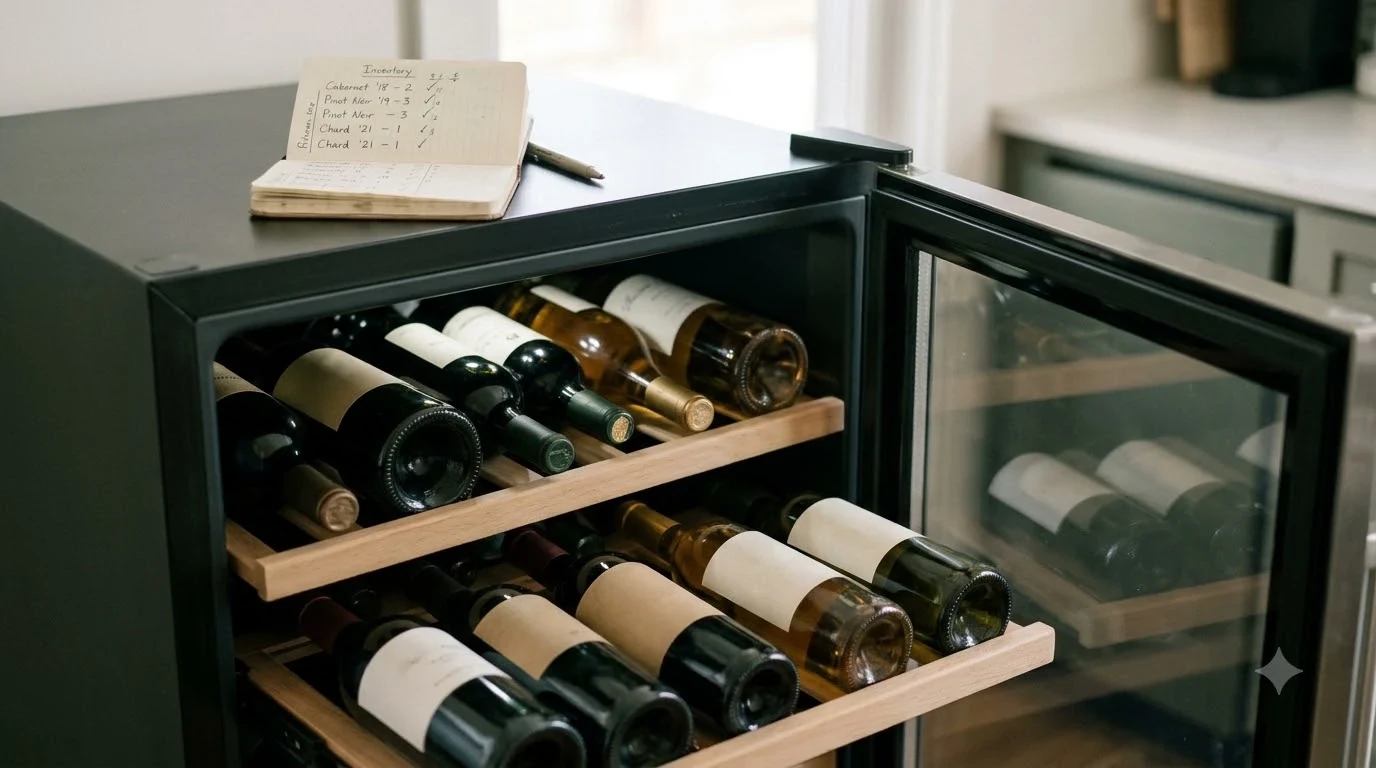
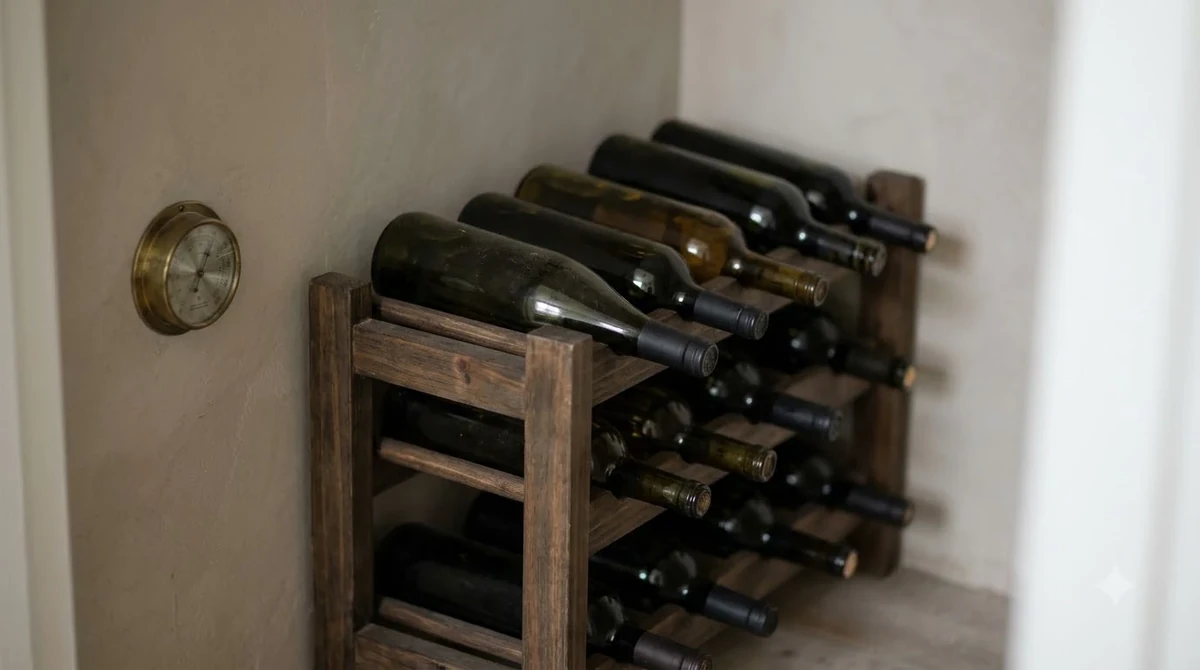
Store unopened bottles on their side in a cool, dark place near 55°F, away from sunlight and temperature swings. This position keeps a natural cork from drying; screw-cap bottles can also be stored horizontally for consistency.
Tip: Once opened, put still Giesen wines back in the refrigerator and use them within about 3–5 days. Bring a white back toward its serving temperature before pouring; cold storage slows oxidation, but it does not stop the wine from changing.
A standard 750 ml bottle gives about five 5-ounce pours. Keep sparkling wine tightly sealed and cold after opening; it typically holds its bubbles for about 1–3 days in the refrigerator with a proper stopper.
Frequently Asked Questions
Does Giesen make red wine?
Yes. Beyond Estate Merlot, Giesen’s classic catalog lists Clayvin Pinot Noir and Clayvin Syrah, giving red-wine drinkers options beyond a single varietal. The best match depends on whether you prefer softer fruit and moderate tannin or a more structured red.
Are all Giesen wines from Marlborough?
No. The producer’s wider catalog also lists a Mosel Riesling alongside its Marlborough-centered wines. That is a reminder to look at the origin attached to each individual bottle rather than assuming the whole portfolio comes from one New Zealand region.
What are the technical figures for Giesen 0% Sauvignon Blanc?
The product page lists pH 3.4, total acidity of 6.9 grams per liter and residual sugar of 20 grams per liter. It also lists 12 calories per 125 ml serving, figures that are specific to that product page and should not be applied to every 0% wine in the range.
Does Giesen sell alcohol-removed spritz in cans?
Yes. The producer’s catalog lists 0% Sauvignon Blanc Spritz Cans and 0% Rosé Spritz Cans as formats alongside its bottled 0% wines. That gives shoppers a ready-to-serve option beyond the standard 750 ml bottle.
What closure is listed for Giesen 0% Sauvignon Blanc?
The product specification lists a screwcap closure for the 750 ml bottle. A screwcap is practical for recorking and keeping the wine protected after opening, though opened wine should still be refrigerated and consumed within a few days.
Overall, Giesen is a worthwhile choice for shoppers who enjoy fresh New Zealand whites and want a range that extends into reds, lighter pours and alcohol-removed wines. Start with the classic Marlborough Sauvignon Blanc if crisp citrus and high acidity suit your palate, then branch out by grape and style rather than assuming every Giesen bottle will taste the same.
More in Wine Brands
 Is Austin Hope Cabernet Good? What to Expect Before BuyingUpdated Nov 21, 2026
 Juan Gil Wine Price: Compare Bottles and Choose the Right Spanish RedUpdated Nov 21, 2026
 Is Tisdale Wine Good for Affordable Everyday Drinking?Updated Nov 21, 2026
 Is Silver Oak Cabernet Good? Taste, Quality, and Buying TipsUpdated Nov 21, 2026
 Is Winc Wine Good? What to Expect Before You BuyUpdated Nov 21, 2026
 Is Proxies Wine Good? What to Expect Before You BuyUpdated Nov 21, 2026