

We may earn a commission when you buy through links on this page, at no extra cost to you. Learn more.
Giesen wine comes from Giesen Wine Estates, a family-run New Zealand winery based in Marlborough, and its range covers crisp whites, reds, rosé, sparkling wines and lower-alcohol options. Marlborough is the region most people associate with bright Sauvignon Blanc, and the Giesen range reflects that cool, maritime style. Most bottles are made to be easy to drink, with fresh fruit and balanced acidity.
This guide explains who makes Giesen wine, what the range includes, how the Marlborough setting shapes the flavors and how to serve and pair the wines. It also covers the newer lighter and alcohol-removed styles, which many shoppers ask about when they see them on the shelf.
Who Makes Giesen Wine
Giesen Wine Estates presents itself as a family business. The winery’s own site describes it with the phrase “Three Brothers, One Vision” and talks about craft built on family values and decades of dedication. That family focus is part of the brand’s story, and it is the reason many buyers see Giesen as a personal, family-led producer rather than a large corporate label.
The winery is in Marlborough, New Zealand. The producer describes the region as the place where freshness, purity and style come from, shaped by its maritime growing conditions. For more on how brand names relate to the producers behind them, the wine brands guide is a helpful companion.
What the Giesen Range Includes
The listed Giesen wines cover a wide set of grapes. The site features Sauvignon Blanc, Riesling, Pinot Gris and Chardonnay among its whites, and Merlot, Pinot Noir and Syrah among its reds. Sparkling wines, rosé and spritz products are also part of the line, so the range suits a dinner table, a casual afternoon or a celebration.
The site groups the wines into several styles. Its classic expressions are described as shaped by Marlborough and beyond. A lighter group is described as bright, balanced wines for lighter moments and everyday drinking. Alongside those are alcohol-removed wines, which the producer describes as crafted without compromise, and spritz products such as a Rosé Spritz and a Sauvignon Blanc Spritz.
| Style | What the producer describes | Good for |
|---|---|---|
| Classic | Shaped by Marlborough and beyond | Dinner and special meals |
| Lighter | Bright, balanced, everyday drinking | Relaxed evenings and lunches |
| Alcohol-removed | Crafted without compromise | Drinkers who want less alcohol |
| Spritz | Lighter, sparkling-style products | Warm weather and aperitivo hour |
How Marlborough Shapes the Flavor
Marlborough’s cool nights and long, mild days help grapes keep their acidity while still ripening. That balance is why Marlborough wines are often described as fresh and vivid. In practice, you can expect whites with citrus, tropical or green fruit notes and reds with bright fruit and gentle structure rather than heavy oak.
Because the region is known for these traits, the Giesen range tends to show clarity of fruit more than dense richness. If you like crisp, focused wines, the general style of the range should suit you. If you prefer deep, oaky reds, look at the specific label before you buy, since not every bottle in a broad range has the same character.
Tip: Marlborough whites are often best in their first few years. If a bottle label gives a vintage, a younger wine is usually the better choice for fresh fruit.
How to Serve Giesen Wine
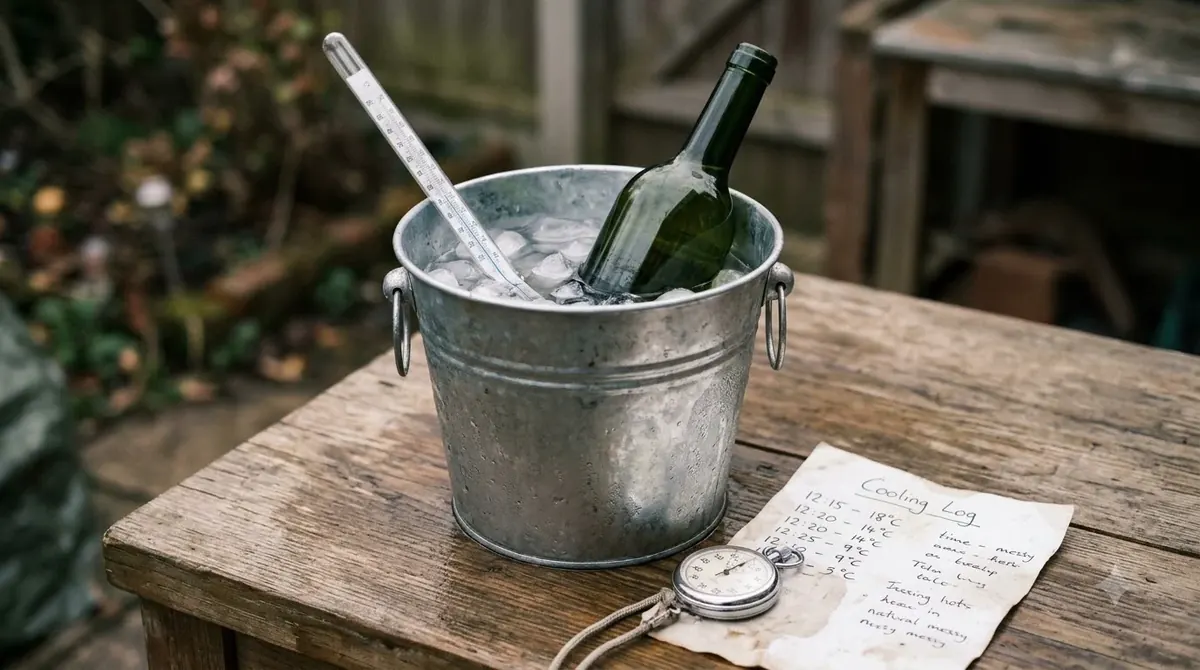
Serve white wines cold but not icy, usually around 45 to 50°F (7 to 10°C). That range keeps the fruit and acidity bright without masking the aromas. Sparkling and spritz styles should be colder still, and a rosé is best chilled lightly and poured into a standard wine glass.
Red wines in the range should be served cool rather than warm, around 58 to 62°F (14 to 17°C) for lighter reds. Lighter reds such as Pinot Noir often show their fruit better when they are not overheated, so a short time in the refrigerator before pouring can help.
For the alcohol-removed styles, serve them the same way you would a regular wine. They pair with the same foods and give the same ritual of a glass at the table, which is part of their appeal for people who want to cut back.
Food Pairings for Giesen Wine
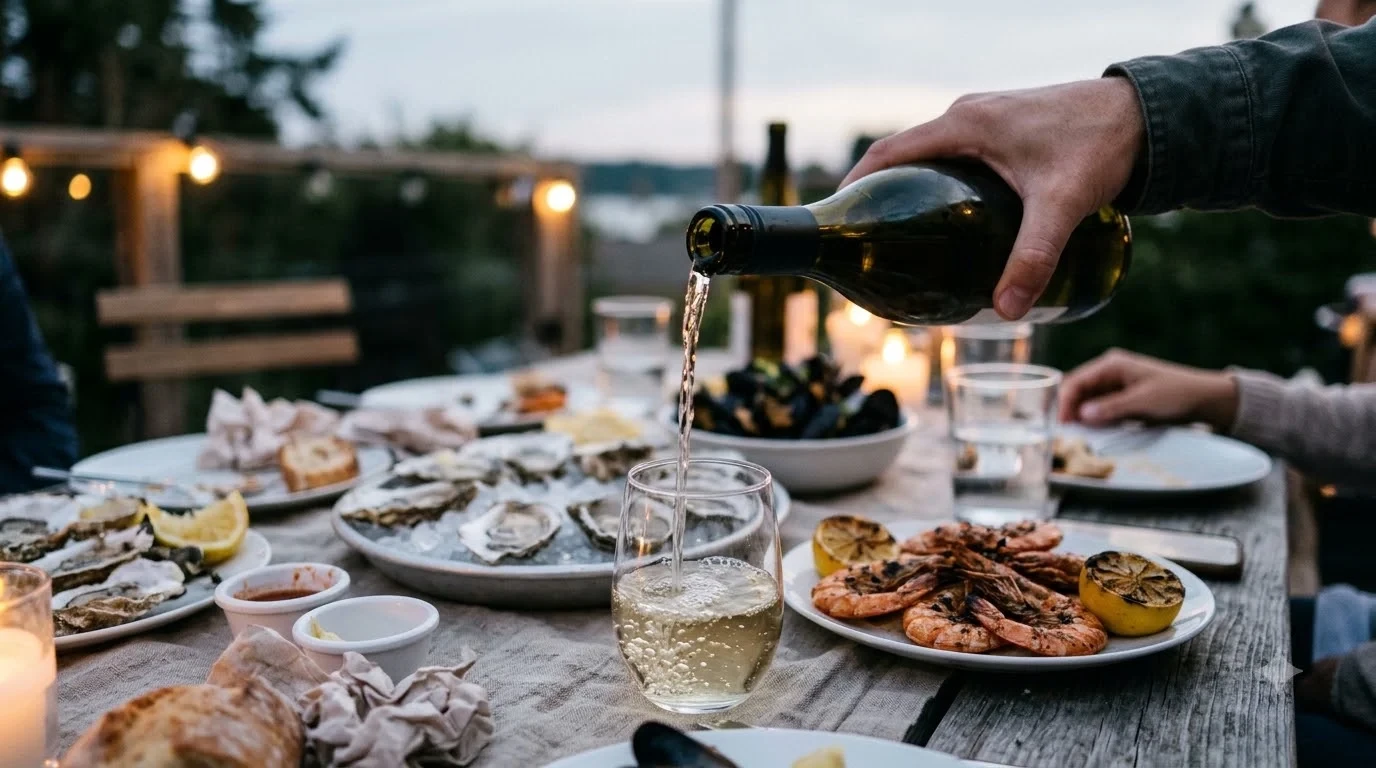
The fresh acidity in Marlborough-style whites makes them natural partners for seafood, salads and light dishes. Sauvignon Blanc works especially well with goat cheese, green vegetables and grilled fish, because its herbal and citrus notes match those flavors.
Chardonnay from the range can handle richer dishes, such as roast chicken or creamy pasta. Pinot Gris pairs well with soft cheeses and smoked fish, and the lighter reds suit roast turkey, mushroom dishes and grilled vegetables. Sparkling wines and spritz styles are excellent with appetizers, fried snacks and anything salty.

Choosing the Right Giesen Bottle
Start with the grape or style you enjoy most. If you like a fresh white with citrus, the Sauvignon Blanc side of the range is a logical first pick. If you want a red for a dinner, a Pinot Noir or Merlot can be a good starting point, while Syrah offers more depth and spice.
Next, decide whether you want the full classic style, a lighter everyday bottle or an alcohol-removed option. Read the label for the style name and the vintage. If you want a sparkling wine for a celebration, the Andre Spumante guide explains how another sparkling style compares, and a rosé lover can read more about Avaline rosé for a similar pink wine profile.
Using Giesen Wine for Entertaining
A broad range like Giesen’s is well suited to hosting, because one winery can cover the whole menu. Start guests with a sparkling wine or a spritz, move to a fresh white with the first course and finish with a red or a rosé. Keeping the same producer across the evening gives the table a consistent style without making everyone choose from unfamiliar labels.
Quantity is easier to plan when you match the wine to the length of the meal. Lighter styles suit long afternoons, while fuller whites and reds work better for a seated dinner. Having one bottle of each style on hand lets guests try the range and find their favorite.
For alcohol-removed styles, put them in the same glassware as the rest of the wines. Guests who are cutting back often appreciate having a proper glass in hand, and the ritual of serving looks the same as with any other bottle on the table.
Keep a few notes on which wines went fastest. Those choices will help you plan the next gathering, and they show you which styles your friends and family actually enjoy rather than which ones you expected them to like.
Frequently Asked Questions
Is Giesen wine a New Zealand wine?
Yes. The winery is in Marlborough, New Zealand, and the producer describes the region’s maritime growing conditions as central to its style. The range is built around the grapes and climate of that area.
What does Giesen mean by alcohol-removed wine?
The producer describes these as alcohol-removed wines crafted without compromise. They are meant for people who want the taste of wine with less or no alcohol, and they can be served the same way as regular wine at the table.
Which Giesen wine is best for a first-time buyer?
A lighter bottle from the everyday range is a good place to start, since it is made to be approachable. If you already know you like crisp whites, a Sauvignon Blanc will show the regional style clearly.
How should Giesen red wines be served?
Serve reds cool rather than warm, around 58 to 62°F (14 to 17°C) for lighter styles. A short time in the refrigerator before pouring can help keep the fruit lively.
Giesen offers a broad, easy-to-explore range from a family-run New Zealand winery. Start with the style you like, serve it at the right temperature and pair it with simple, fresh food. For more on how wine brands are presented and compared, the wine brands hub is a good next stop.
More in Wine Brands
 Underwood Wine Price: Compare Bottles, Cans, and Pack SizesUpdated Nov 21, 2026
 Zenato Wine Price: Compare Styles and Choose the Right BottleUpdated Nov 21, 2026
 Zuccardi Wine Price: Compare Bottles and Find the Right RangeUpdated Nov 21, 2026
 Yellow Tail Moscato Review: Taste, Sweetness and Serving TipsUpdated Nov 21, 2026
 Wolf Blass Yellow Label Review: Choose Your Best StyleUpdated Nov 21, 2026
 Wolffer Estate Rose Review: Choose the Right Bottle for Your TableUpdated Nov 21, 2026