

We may earn a commission when you buy through links on this page, at no extra cost to you. Learn more.
Andre Spumante is a budget-friendly sparkling wine from the Andre brand, sold in the United States as a sweet, light, and easy-drinking bubbly. The name borrows the Italian word for sparkling wine, but the bottle is a California product, and it has been one of the best-selling sparkling wine brands in the country for years. It is best known for being soft, fruity, and simple, which suits casual toasts and parties more than fine dining.
This guide explains what Andre Spumante tastes like, how the wine is made, which styles sit in the same family, and how to serve and pair it. It also covers how it differs from true Champagne and from Italian spumante, since the names are easy to confuse.
What Andre Spumante Is
Andre is a sparkling wine brand owned by E. & J. Gallo Winery, one of the largest wine producers in the United States. Spumante is an Italian word meaning “sparkling,” so the name signals a bubbly wine rather than a specific grape or region. In practice, Andre Spumante is an inexpensive, mass-market sparkling wine made to be sweet and approachable. Reference sources that cover the wine business describe the Andre line as one of the best-selling sparkling wine brands in the United States, which explains why it appears on so many grocery and liquor store shelves.
Because it sits at the entry level of the sparkling wine aisle, many shoppers pick it for brunches, baby showers, and holiday gatherings where a large group needs something to pour. It is not meant to be a collector’s bottle, and reviewers tend to judge it by how well it fits that everyday role.
How the Wine Is Made
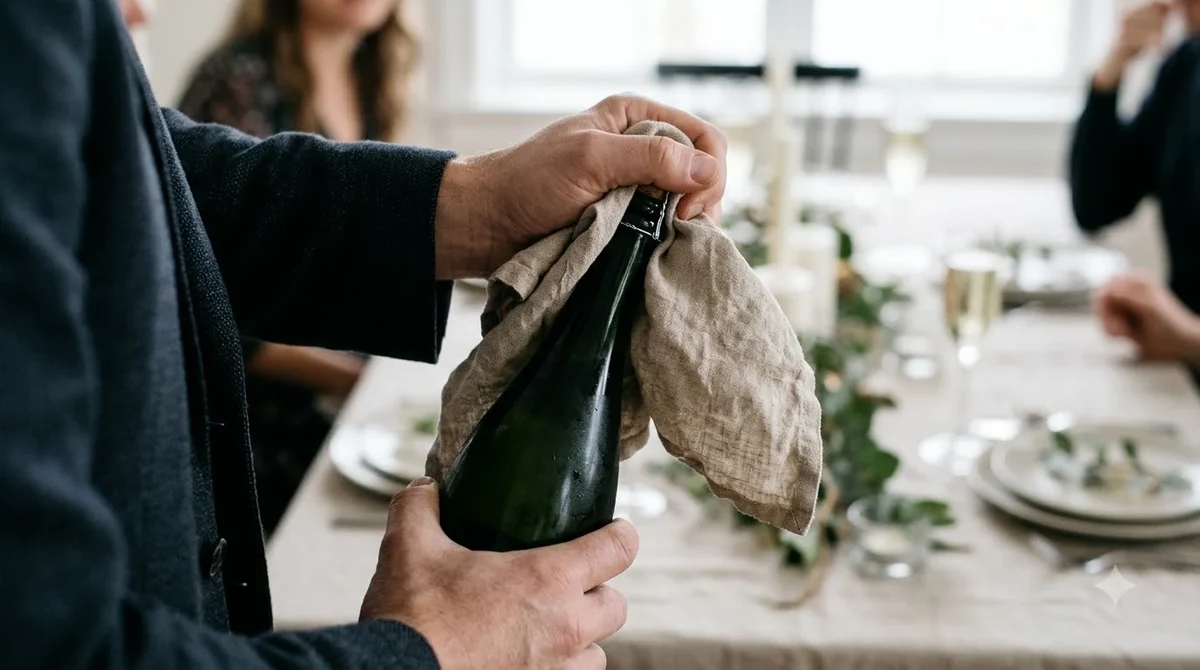
The Andre California Champagne style is bulk-fermented, a production method in which the second fermentation that creates bubbles happens in large tanks instead of inside each individual bottle. Traditional Champagne ferments in the bottle, a slower and more labor-intensive process that builds finer, longer-lasting bubbles. Bulk fermentation is faster and cheaper, which helps explain why the brand can be sold at a low shelf price.
That production choice shapes the glass. Wines made this way usually show a lighter bead, softer texture, and fruit-forward character. For someone used to dry, toasty Champagne, the difference is noticeable on the first sip.
Gallo lists Andre among its wine brands, and the company has long positioned the line around accessibility. The Gallo winery overview includes Andre in its brand list and notes its strong sales in the American sparkling category. The brand’s place in the market is a big part of why it is so widely stocked in grocery and convenience-store chains across the country.
Because the wine is produced at volume, consistency matters more than single-vineyard character. Each release is meant to taste the same year after year, so a shopper can buy the same bottle for a recurring event without worrying about big swings in flavor.
Flavor Profile and Sweetness
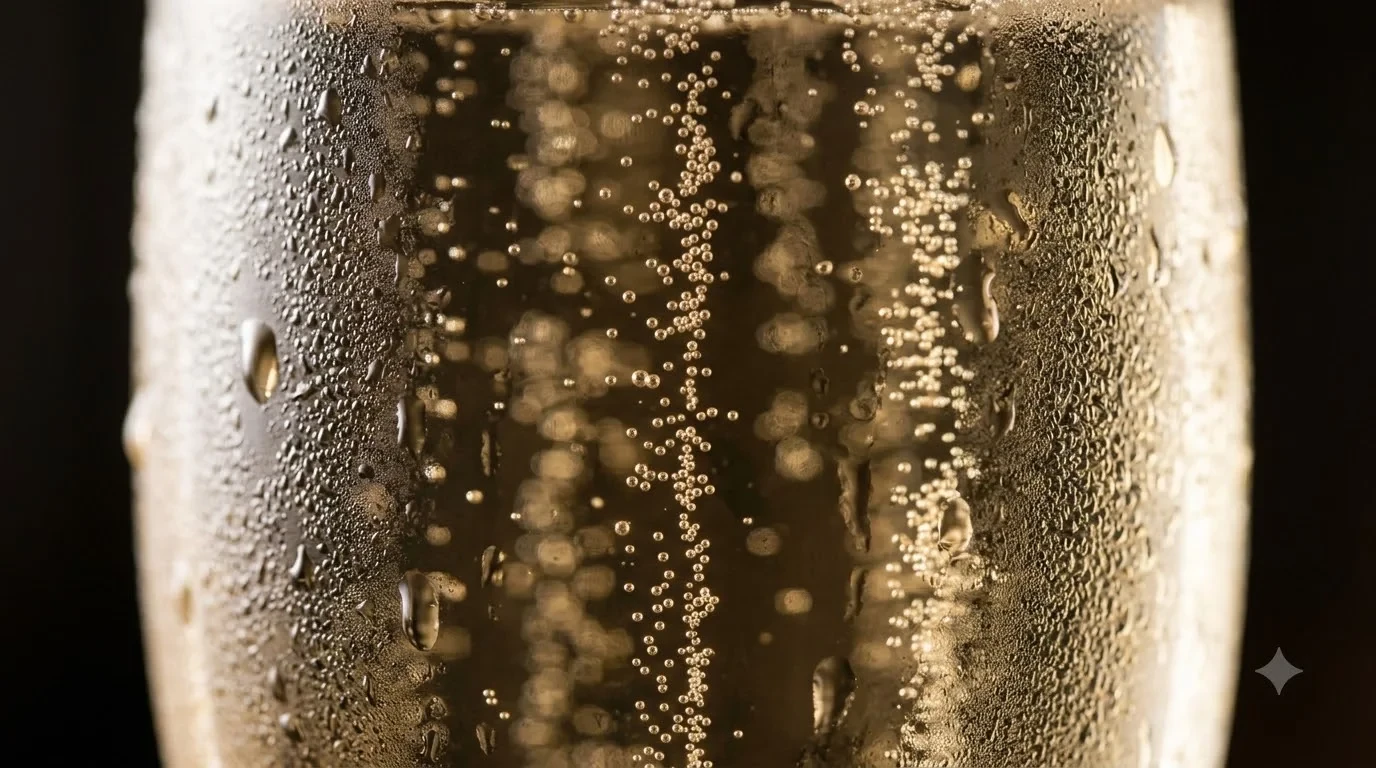
Andre is generally sweet and light. One champagne expert quoted in a major wine reference compared the wine to ginger ale, describing it as pale yellow, lemony, and sweet, with a possible apple note and only modest bubbles. That description is useful because it sets expectations: this is not a crisp, bone-dry sparkler.
Sweetness is the main variable across the Andre range. The lighter, drier-labeled styles tend to taste more like a simple sparkling white, while the fruit-flavored options lean sweeter and more dessert-like. If you enjoy Moscato or other off-dry bubbly, you will likely find the profile familiar. If you prefer Brut Champagne, expect a different experience.
Why the Bubbles Feel Softer
Lower pressure and a gentler bead make the wine easier to drink quickly. Many people find it refreshing when chilled, especially on a warm day, because the sweetness balances the acidity and the carbonation is not aggressive.
Styles in the Andre Lineup
The Andre family includes several named styles, and each one leans in a slightly different direction. The table below groups the main ones by how they are usually described. Check the label on the bottle you buy, because the exact formulation can change over time.
| Style | General character | Best for |
|---|---|---|
| Brut | Drier, crisper finish in the Andre range | Those who want a lighter, less sugary sparkler |
| Extra Dry | Noticeably sweeter than Brut, still easy to drink | Casual toasts and mixed drinks |
| Spumante | Sweet, simple, fruit-led sparkling style | Parties and sipping without food |
| Cold Duck | Very sweet, often described as a traditional sweet blend | Sweet-leaning drinkers and nostalgic tastings |
| Blush | Pink-tinged, with red-fruit and sweet notes | Brunch and warm-weather sipping |
| Strawberry and peach | Flavored sparklers with clear fruit character | Dessert-style pairings and gifts |
Tip: If you are unsure which style you will like, start with the one labeled Brut or Extra Dry, then move to a sweeter option if you want more fruit.
How to Serve and Pair Andre Spumante
Serve Andre well chilled, typically in a white wine glass or a flute. A cold temperature keeps the sweetness in balance and lets the lighter bubbles show. Avoid letting the bottle sit at room temperature for long, since sweet sparklers can taste flat and syrupy when warm.
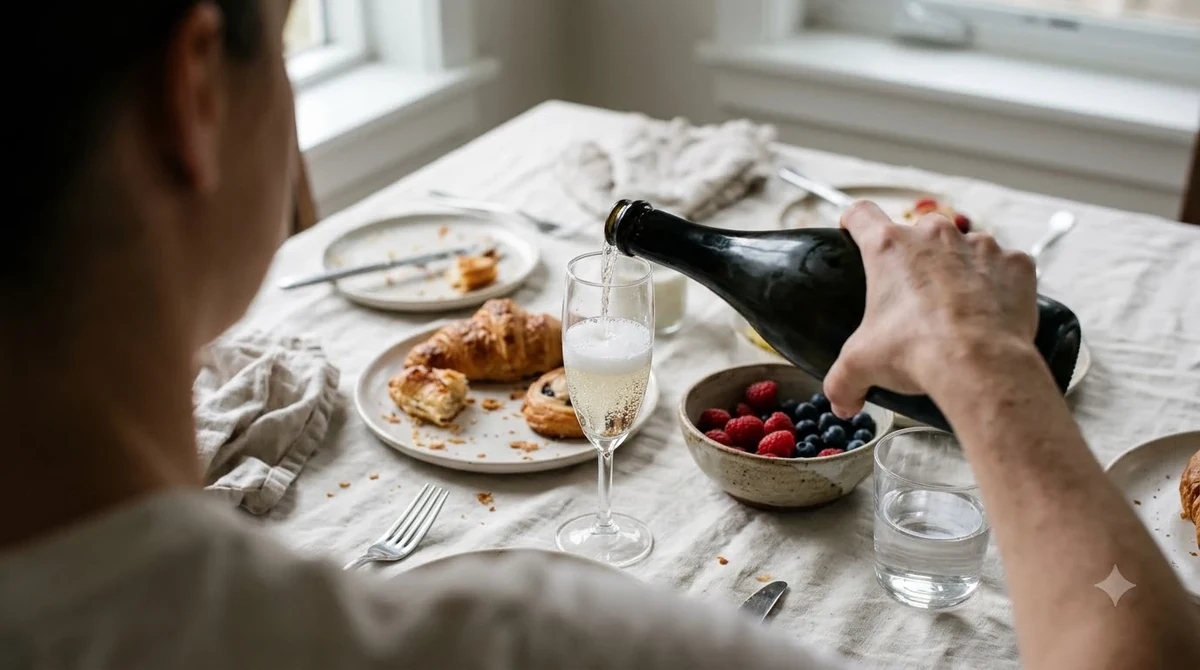
Andre pairs most easily with light, salty, or fruit-based foods. Think fresh fruit, soft cheeses, shrimp cocktail, or a simple brunch spread. Because the wine is sweet, it can also work with mild desserts, though heavy chocolate tends to overpower it. A common mistake is pairing it with rich, fatty dishes, where the sugar can feel cloying.
For cocktails, Andre is often used as a base for a mimosa or a simple sparkling punch. Its sweetness means you may want to add less juice or sugar than you would with a drier sparkler.
Andre Compared With Champagne and Spumante
The name Andre Spumante can cause confusion. Real Champagne is a protected name that can only refer to sparkling wine from the Champagne region of France, made by a specific method. Italian spumante is a general term for sparkling wine from Italy, and the best-known example, Asti, is made from Moscato grapes.
Under a 2006 agreement between the United States and the European Union on wine labeling, certain American brands were allowed to keep using the term “Champagne” on their labels under a grandfather clause. This is why Andre can still print the word on a California bottle. The clause is a legal exception, not evidence that the wine tastes like French Champagne.
If you want a closer match to the bubbles and sweetness of Andre but with a clearer origin, look for a sparkling Moscato or an Italian Asti. Those wines are naturally sweet and show the grape’s fruit more directly.
How to Choose an Andre Bottle
Start with the occasion. For a large gathering where people will mix drinks, a sweeter style like Extra Dry or Spumante is forgiving and easy to share. For a brunch with fruit and pastries, a Blush or flavored option matches the table better. If you plan to serve the wine with a meal, a Brut is the safer pick because its lower sweetness does not fight with savory dishes.
Read the label closely. Terms such as Brut, Extra Dry, and Blush describe the sweetness or color of the wine, while flavor names such as strawberry or peach tell you the wine has added fruit character. Those cues matter more than the bottle design when you are trying to predict the taste.
Store the bottle upright in a cool place until serving time, and keep it chilled in the refrigerator or an ice bucket. Sparkling wine that has been opened should be recorked and refrigerated, and it is best finished within a day or two, since the bubbles fade quickly.
Frequently Asked Questions
Is Andre Spumante sweet?
Yes. Andre is generally described as sweet and light, with lemony and apple-like notes. The sweetness varies by style, so Brut and Extra Dry options tend to be drier than the fruit-flavored and Cold Duck styles.
Is Andre Spumante real Champagne?
No, not in the strict sense. The Andre California Champagne style is made in California, and a grandfather clause in a 2006 U.S.-EU labeling agreement lets the brand keep using the term. Real Champagne comes only from the Champagne region of France.
How should I serve Andre Spumante?
Serve it well chilled in a white wine glass or flute. Keep the bottle cold until you pour, and avoid leaving it out at room temperature, because sweet sparklers taste heavier when warm.
What foods go well with Andre Spumante?
Light, salty, or fruity foods work best, such as fresh fruit, soft cheeses, shrimp cocktail, and brunch dishes. Rich or fatty foods can make the sweetness feel heavy, so keep the pairing simple.
Andre Spumante is an easy, sweet sparkling wine that does its job well at parties and casual gatherings. Know what to expect from the sweetness, serve it cold, and match it with simple foods, and you will get the most out of the bottle. For more on the brand category, see the Wine Brands guide, or compare it with A to Z Wineworks if you want a different style of value wine.
More in Wine Brands
 Underwood Wine Price: Compare Bottles, Cans, and Pack SizesUpdated Nov 21, 2026
 Zenato Wine Price: Compare Styles and Choose the Right BottleUpdated Nov 21, 2026
 Zuccardi Wine Price: Compare Bottles and Find the Right RangeUpdated Nov 21, 2026
 Yellow Tail Moscato Review: Taste, Sweetness and Serving TipsUpdated Nov 21, 2026
 Wolf Blass Yellow Label Review: Choose Your Best StyleUpdated Nov 21, 2026
 Wolffer Estate Rose Review: Choose the Right Bottle for Your TableUpdated Nov 21, 2026