

We may earn a commission when you buy through links on this page, at no extra cost to you. Learn more.
Marlborough wine comes from New Zealand’s largest wine region, on the northeast tip of the South Island, and it is best known for bright, aromatic Sauvignon Blanc. The region’s sunny, dry climate and cool nights help the grapes keep their acidity and fresh herbal, tropical and citrus aromas. Marlborough also produces Pinot Noir, Chardonnay and aromatic whites such as Riesling and Pinot Gris.
If you have seen “Marlborough” on a bottle and wondered what it means, this guide explains where the region is, why its wines taste the way they do, and how to choose and serve them. The information comes from the New Zealand Winegrowers’ regional profile and general wine education sources.
Where Marlborough Is and Why It Matters
Marlborough sits at the top of the South Island, New Zealand’s southern main island. The region is reached by air at Blenheim, or by the Cook Strait ferry to Picton followed by a drive of about thirty minutes. According to the New Zealand Winegrowers, the region has almost 31,000 hectares of vines, roughly two-thirds of the national total, which makes it the country’s largest wine region by a wide margin.
Its scale is only part of the story. Marlborough put New Zealand on the international wine map in the 1980s, largely because of the Sauvignon Blanc it produced. Many wine drinkers who first tried a New Zealand white wine did so from this region, and it still defines how the country is known abroad.
Climate and Soils That Shape the Wines
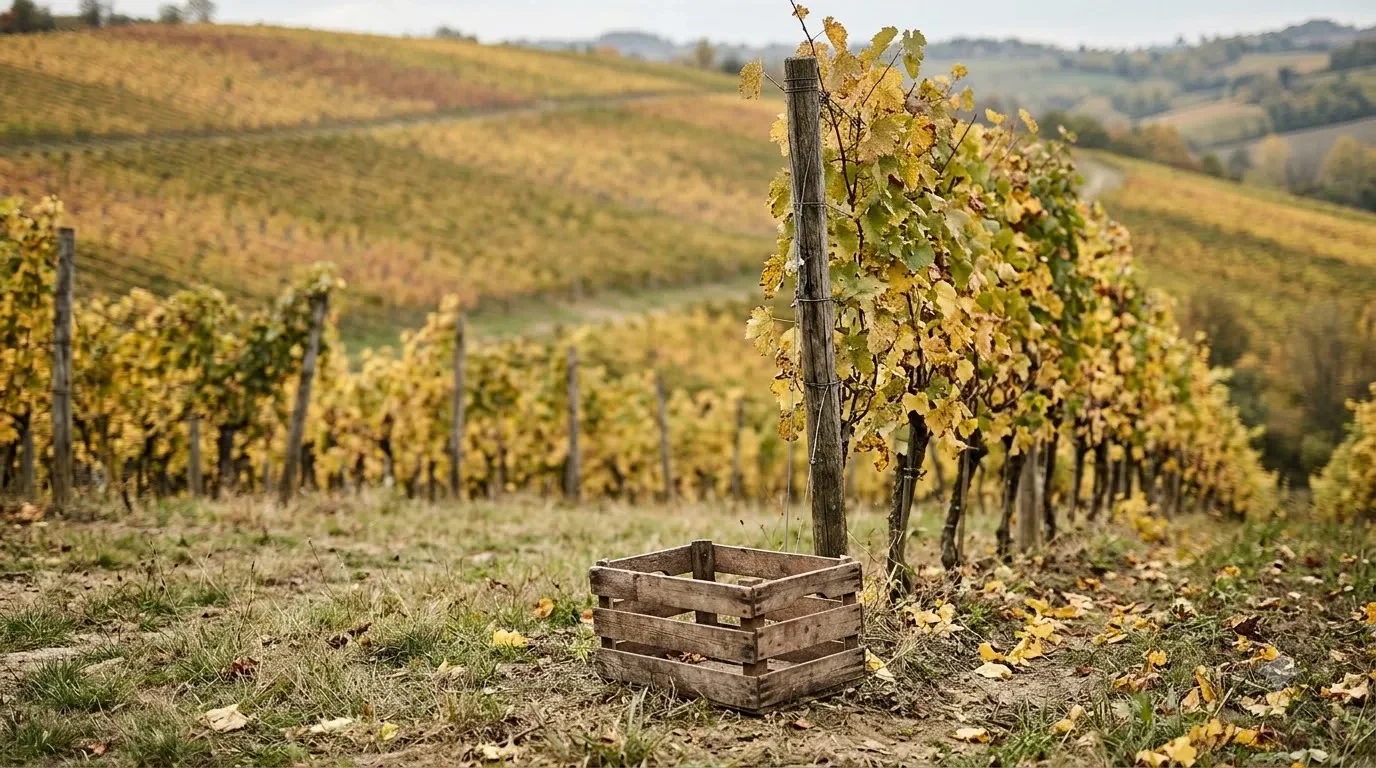
Marlborough combines a cool climate with a lot of sunshine and low rainfall. Days are warm enough for the grapes to ripen fully, while nights stay cool, which slows ripening and helps preserve acidity. The region is described as one of New Zealand’s sunniest and driest, so vineyards need less disease pressure from wet weather than many cooler wine regions.
The soils are mostly free-draining and moderately fertile. In the Wairau Valley, the largest and most central part of the region, many vineyards sit on old gravelly riverbed soils. Clay-rich soils in the Southern Valleys hold more water and suit different varieties. The Māori name for the Wairau Valley, “Kei puta te Wairau,” is often translated as “the place with the hole in the cloud,” a reference to the clear, sunny weather that sits over the valley.
Sub-Regions and Their Styles
Marlborough is usually split into three broad areas, and each one produces wines with a slightly different character. Knowing them helps when you compare bottles from the same region.
| Sub-region | Typical soils and conditions | Wines it is known for |
|---|---|---|
| Wairau Valley | Old gravelly riverbed soils, varied meso-climates from inland to coastal sites | Sauvignon Blanc and a wide range of aromatic and sparkling styles |
| Southern Valleys (Omaka, Fairhall, Brancott, Ben Morvan, Waihopai) | Heavier, clay-rich soils | Pinot Noir and aromatic whites |
| Awatere Valley | Cooler, drier and windier, the most geographically distinct area | Pinot Noir and Sauvignon Blanc with pronounced aromatic intensity |
The Main Grapes and Wine Styles
Sauvignon Blanc is the region’s signature variety. Marlborough versions are typically aromatic and vivid, with notes often described as passionfruit, gooseberry, lime, grass and fresh herbs. The wine is usually made to be drunk young and cold, which is one reason it has become such a familiar style worldwide.
Pinot Noir is the region’s leading red. Marlborough reds tend to show dark cherry and plum flavors with fine tannins. They are generally lighter and more fruit-forward than the Burgundian examples they are often compared with, while still keeping a savory edge when grown in cooler sites.
Other Varieties Worth Trying
Chardonnay ranges from lean, unoaked styles to richer versions with oak influence. Riesling, Pinot Gris and Gewürztraminer are made in dry through sweet styles, and the aromatic varieties often do well in the region’s dry, sunny conditions. Smaller plantings of Grüner Veltliner, Viognier and Syrah also exist, along with a modest volume of sparkling wine made by the traditional method.
How to Serve Marlborough Wine
Serving temperature changes how a wine tastes, and Marlborough whites are a good example. Sauvignon Blanc is usually best chilled, but not icy, so that the aromas stay readable. Most white wine guides suggest a range of about 45 to 50 degrees Fahrenheit. Pinot Noir is usually served slightly cooler than room temperature, often around 55 to 60 degrees Fahrenheit.
Glassware matters less than most people think, but a tulip-shaped glass helps concentrate the aromatics of a Sauvignon Blanc. A standard red wine glass with a wider bowl works well for Pinot Noir. Decanting is rarely needed for young Marlborough reds, although a short rest in the glass can help them open up.
Sauvignon Blanc also shows how a single region can produce several styles. Some producers ferment part of the wine in oak or age it on lees to add texture and body, while most keep the wine fresh and unoaked to highlight its aromatics. When you read a back label, look for words such as “reserve,” “single vineyard,” or “barrel-fermented,” since these usually signal a richer, more complex wine than the everyday bottling.
Food Pairings
The bright acidity of Marlborough Sauvignon Blanc makes it a natural match for seafood, goat cheese, green vegetables and dishes with fresh herbs. It also works with Thai and Vietnamese food, where its citrus and herbal notes complement chili heat and lime. Pinot Noir pairs well with roast chicken, salmon, mushroom dishes and softer cheeses.
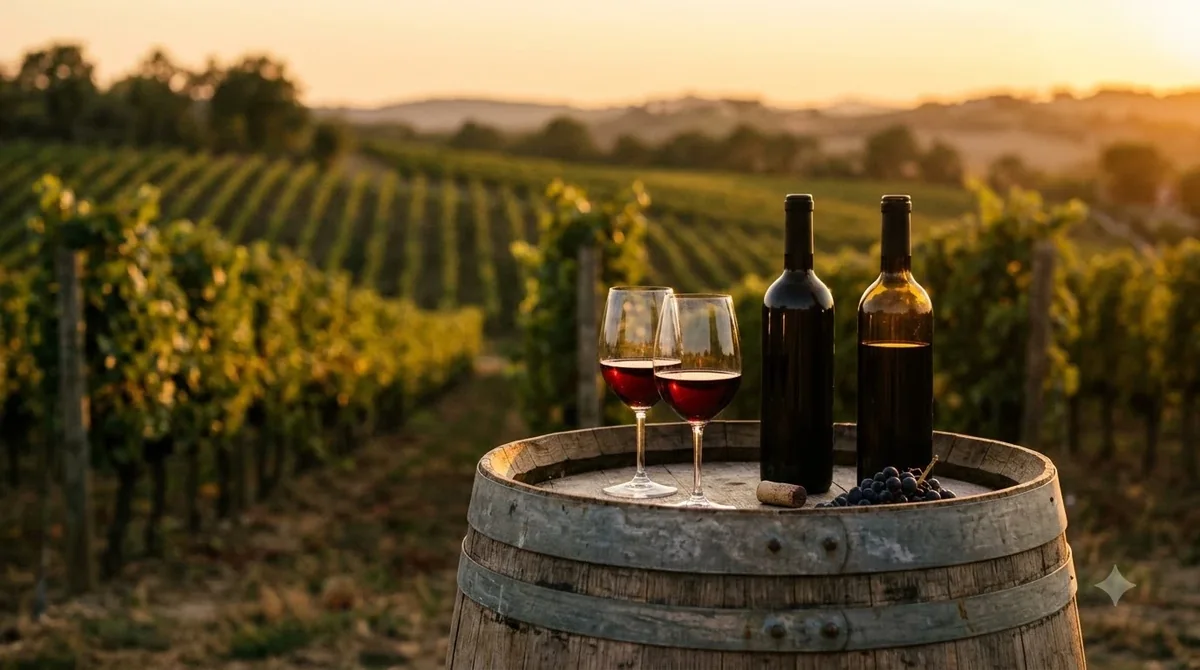
Tip: If you are unsure which style to buy, start with a Sauvignon Blanc from the Wairau Valley for a classic example, then try a Pinot Noir from the Awatere Valley to compare how the cooler site changes the wine.
Comparing Marlborough with other regions helps clarify its character. Warm, inland districts usually produce fuller and riper wines, while cool coastal areas tend to give leaner, more structured bottles. If you already enjoy wines from Arizona, where altitude and day-night temperature swings shape the flavor, you may notice a similar effect in Marlborough’s cooler sub-regions. Likewise, readers who know the style of Calistoga vineyards in California’s Napa Valley will recognize how a sunny, dry site can keep fruit intense without heavy sweetness.
How to Choose a Bottle
Marlborough wines are widely available, and most shops carry a range of styles from everyday bottles to premium single-vineyard wines. Check the vintage. Sauvignon Blanc is generally at its freshest within a year or two of the harvest, while some Pinot Noir and Chardonnay can age for several years. The sub-region named on the label, if there is one, gives a useful clue to the style you will get.
Look for a producer’s own description of the wine on its website or back label. These usually explain the vineyard site, the harvest, and the intended style, which makes it easier to compare bottles across the range.
Cellar conditions also matter if you plan to keep a bottle. Store wine in a dark place at a steady temperature, and keep bottles lying on their side when they have corks. Marlborough whites with fresh fruit are best opened early, while structured Pinot Noir and Chardonnay can reward patience.
Frequently Asked Questions
Is Marlborough wine the same as New Zealand wine?
Not exactly. Marlborough is the largest and best-known wine region within New Zealand, so many New Zealand wines come from it, but other regions such as Central Otago, Hawke’s Bay and Martinborough also make wine. The name on the label tells you where the grapes were grown.
What does Marlborough Sauvignon Blanc taste like?
It is usually aromatic and bright, with flavors often described as passionfruit, gooseberry, lime and fresh-cut grass. Most examples are dry and crisp, with a lively acidity that makes them easy to pair with food.
Does Marlborough make good red wine?
Yes. Pinot Noir is the main red variety and is grown in several sub-regions, especially the Southern Valleys and the Awatere Valley. The wines tend to be fruit-forward with fine tannins.
Should Marlborough wine be aged?
Most Sauvignon Blanc is meant to be drunk within a year or two of the vintage, when its fresh aromas are at their peak. Some Pinot Noir, Chardonnay and premium whites can develop for several years in the bottle, but check the producer’s notes before you cellar a bottle.
Marlborough offers a clear starting point for understanding New Zealand wine. Once you know the region’s main grapes and sub-regions, it becomes easier to choose a bottle for the occasion. For a comparison with other regions, see our guide to Wine Regions.
More in Wine Regions
 Willcox Wine Trail: Discover Arizona’s High-Elevation Wine CountryUpdated Nov 20, 2026
 Yakima Valley Wine Region: Find the Best Styles to TryUpdated Nov 20, 2026
 Vosne Romanee Wine Tasting: Identify Aromas and Choose Better PairingsUpdated Nov 20, 2026
 Yakima Valley Wine Festival: Find the Best Seasonal Wine EventsUpdated Nov 20, 2026
 Wales Vineyards: Discover Cool-Climate Wines and Where to VisitUpdated Nov 20, 2026
 Yountville Wine Festival: Discover Napa Wines and Local FoodUpdated Nov 20, 2026