

We may earn a commission when you buy through links on this page, at no extra cost to you. Learn more.
Arizona wine comes from three small growing regions, Sonoita, Willcox and Verde Valley, where high elevation, rocky volcanic soil and a wide gap between day and night temperatures suit Rhône and Italian grape varieties. Most vineyards sit in the southeastern part of the state. The modern industry is young, because winemaking was banned for decades, but the wines are worth a closer look for anyone who likes distinctive, food-friendly bottles.
This guide covers where Arizona wine grows, which grapes do best, how the state’s history shaped the industry, and how to choose and serve a bottle from a region you may not know well yet.
What makes Arizona wine different
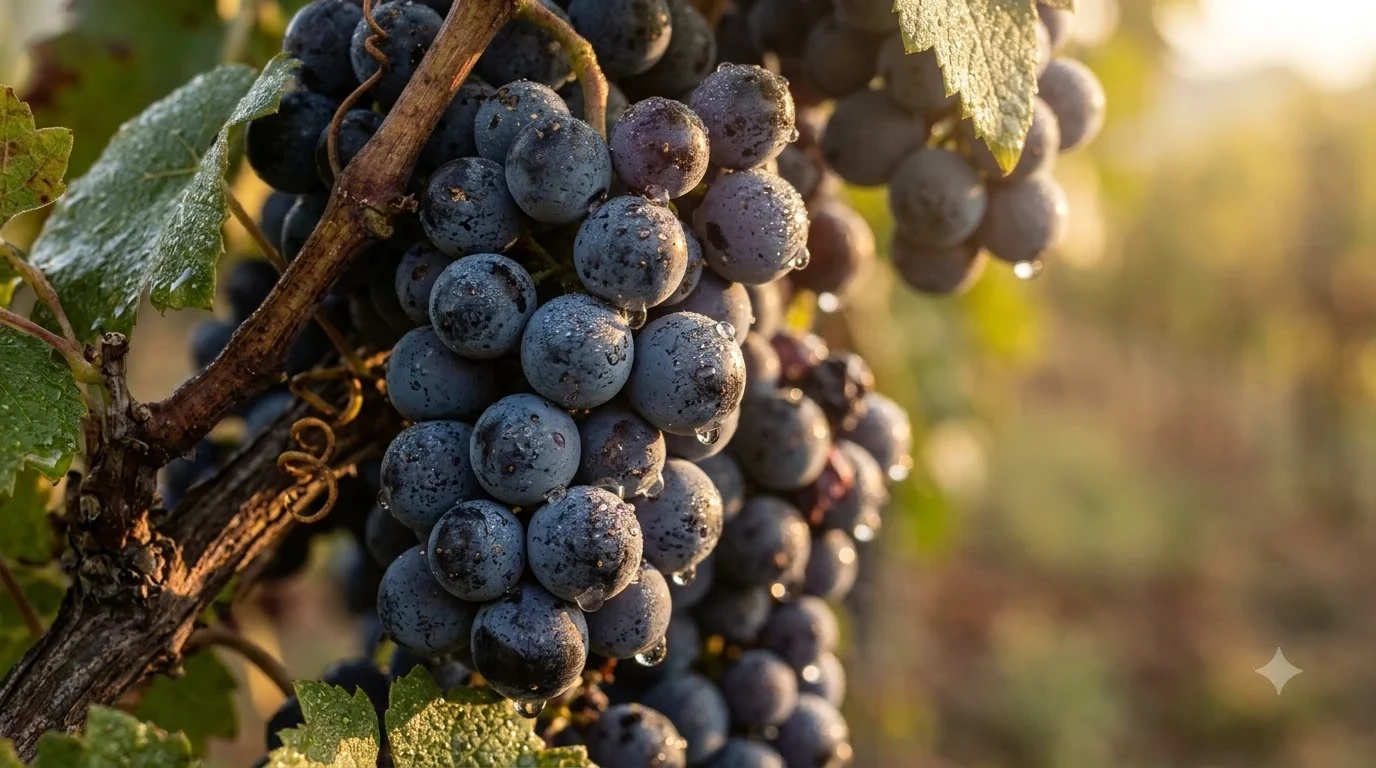
Arizona vineyards are planted at higher elevations than many wine regions in the American West, and that altitude is one of the defining traits of the state’s wine. According to VinePair’s Arizona wine guide, the southeastern part of the state gets sun about 300 days a year, and night air can drop close to 30 degrees. That gap between hot days and cool nights helps grapes hold acidity while they ripen, which gives many Arizona wines a lively edge.
The ground matters as much as the weather. Vineyards there are often planted in rocky, volcanic soils rather than the deep alluvial soils of many valley floors. Growers have to manage water and canopy carefully in a dry climate, so the wines are shaped as much by the vineyard team as by the land itself. Writers covering the region often compare its terroir to France’s Rhône Valley, which is why Rhône varieties dominate the list of grapes you will see on Arizona labels.
Arizona’s three wine regions
Arizona has three officially recognized viticultural areas, and each one has its own character. They are spread across the southern and central parts of the state, so a visit to one area does not give you the whole picture. Knowing which region a bottle comes from is the fastest way to predict its style.
| Region | Location | Established | What to know |
|---|---|---|---|
| Sonoita | South of Tucson | 1985 | The oldest of the three, and home to the first modern commercial vineyard in the state |
| Willcox | East of Tucson | 2016 | Vineyards and winery history that include the R. W. Webb Winery, which planted a vineyard south of the town |
| Verde Valley | Yavapai County, near Sedona | 2021 | The newest region, close to red-rock country |
The Sonoita region is tied to the early modern history of the state. Vina Sonoita Vineyards is described as the first modern commercial vineyard in Arizona, and it came out of experiments that showed some parts of the state could grow quality wine grapes. The Arizona wine entry on Wikipedia gives the appellation dates and early history used in this guide.
Grape varieties and wine styles
Arizona growers plant a wide mix of grapes. The Wikipedia summary lists 23 varieties across the state, and the strongest identity comes from the Rhône group. VinePair notes that Grenache, Syrah, Petite Sirah and Viognier are a focus, and it praises a Grenache from LDV aged 33 months in new French oak as an example of what the region can do. Italian varieties also have a track record here, with Sangiovese among the reds that have done well.
Classic international grapes such as Cabernet Sauvignon, Chardonnay and Merlot are planted too, so you can find familiar styles alongside more unusual ones. The result is a range of wines: savory reds with peppery and herbal notes, fresh whites, and rosés that show the warm-climate fruit well.

| Grape group | Common Arizona examples | What to expect |
|---|---|---|
| Rhône reds | Grenache, Syrah, Petite Sirah | Dark fruit, herbal and peppery notes, firm tannins |
| Rhône whites | Viognier | Stone fruit and floral aromas with a rounder body |
| Italian reds | Sangiovese | Red cherry, dried herbs and bright acidity |
| International classics | Cabernet Sauvignon, Merlot, Chardonnay | Ripe fruit, with the style shaped by oak and the producer |
Tip: When a label names a Rhône blend, expect more herbal lift and grip than a typical California red with the same fruit weight.
A short history of Arizona winemaking
Winemaking in Arizona is older than many people expect, but it has been interrupted several times. Accounts describe a Jesuit missionary making wine for Mass in the early 1700s, and Salt River Valley farmers began producing wine in the mid-1870s. A small industry grew in Mesa during the 1880s. The state banned winemaking in 1914, and the ban stayed in place until 1982.
The modern era began in the mid-1970s, when soil scientist Dr. Gordon Dutt ran experiments that suggested parts of Arizona could ripen quality wine grapes. That work led to Vina Sonoita Vineyards, and in 1980 Robert Webb opened the R. W. Webb Winery in Tucson. Since then the number of producers has grown, although sources do not agree on a single count. The Wikipedia article puts the total at over 130 wineries, vineyards and cellars, while VinePair cited more than 100 wineries in its guide. The difference reflects when each source was written and how producers are counted.
How to choose and serve an Arizona bottle
Start with the appellation on the label. Sonoita, Willcox and Verde Valley wines tell you which growing area the grapes came from, and that helps you match a bottle to what you like. A bright Viognier from a high-elevation site will taste different from a fuller Syrah grown in the same state, so it pays to try more than one producer.
For serving, treat Arizona reds like other Rhône-style wines. They show best slightly cooler than room temperature and often benefit from a short time in a decanter or a large glass. Whites such as Viognier are best chilled but not ice cold, so the aromas can open up. Many small Arizona producers release limited quantities, so the tasting room or the winery’s mailing list is often the easiest way to find a particular bottle.
Pairings tend to work well with roasted poultry, grilled vegetables, and dishes with herbs, because the wines combine ripe fruit with savory character. Spicy foods pair well with fresh, lower-alcohol whites.
Visiting Arizona wineries
Arizona wine country is spread out, so it helps to plan around one region at a time. Sonoita and Willcox are south and east of Tucson, and Verde Valley sits close to Sedona, which makes it easy to combine a tasting with a scenic drive. If you are staying in the Phoenix area, VinePair describes a Scottsdale wine trail that debuted in 2016 and connects four state wineries, a convenient way to sample several producers without a long drive. For a broader look at where the state’s vineyards are, see our Arizona vineyards guide.
Frequently Asked Questions
Is Arizona wine any good?
Quality depends on the producer and the vintage, but Arizona has a growing group of wines with clear regional character. VinePair reports positive critical reception for LDV’s Grenache and Petite Sirah, which is one example of what the state can produce.
What grapes grow best in Arizona?
Rhône varieties are the main focus, including Grenache, Syrah, Petite Sirah and Viognier, according to VinePair. Italian grapes such as Sangiovese have also done well in the state.
Where are Arizona’s wine regions?
The three recognized regions are Sonoita and Willcox, both near Tucson in the southeast, and Verde Valley, near Sedona in Yavapai County. Most vineyards are in the southeastern part of the state.
When did Arizona legalize winemaking again?
According to Wikipedia, Arizona prohibited winemaking in 1914 and it remained illegal until 1982. Commercial vineyards in the modern era began after experiments in the mid-1970s.
Arizona wine rewards curiosity. Try one bottle from each region, notice how elevation and soil change the glass, and then explore more on our Wine Regions guide.
More in Wine Regions
 Willcox Wine Trail: Discover Arizona’s High-Elevation Wine CountryUpdated Nov 20, 2026
 Yakima Valley Wine Region: Find the Best Styles to TryUpdated Nov 20, 2026
 Vosne Romanee Wine Tasting: Identify Aromas and Choose Better PairingsUpdated Nov 20, 2026
 Yakima Valley Wine Festival: Find the Best Seasonal Wine EventsUpdated Nov 20, 2026
 Wales Vineyards: Discover Cool-Climate Wines and Where to VisitUpdated Nov 20, 2026
 Yountville Wine Festival: Discover Napa Wines and Local FoodUpdated Nov 20, 2026