

We may earn a commission when you buy through links on this page, at no extra cost to you. Learn more.
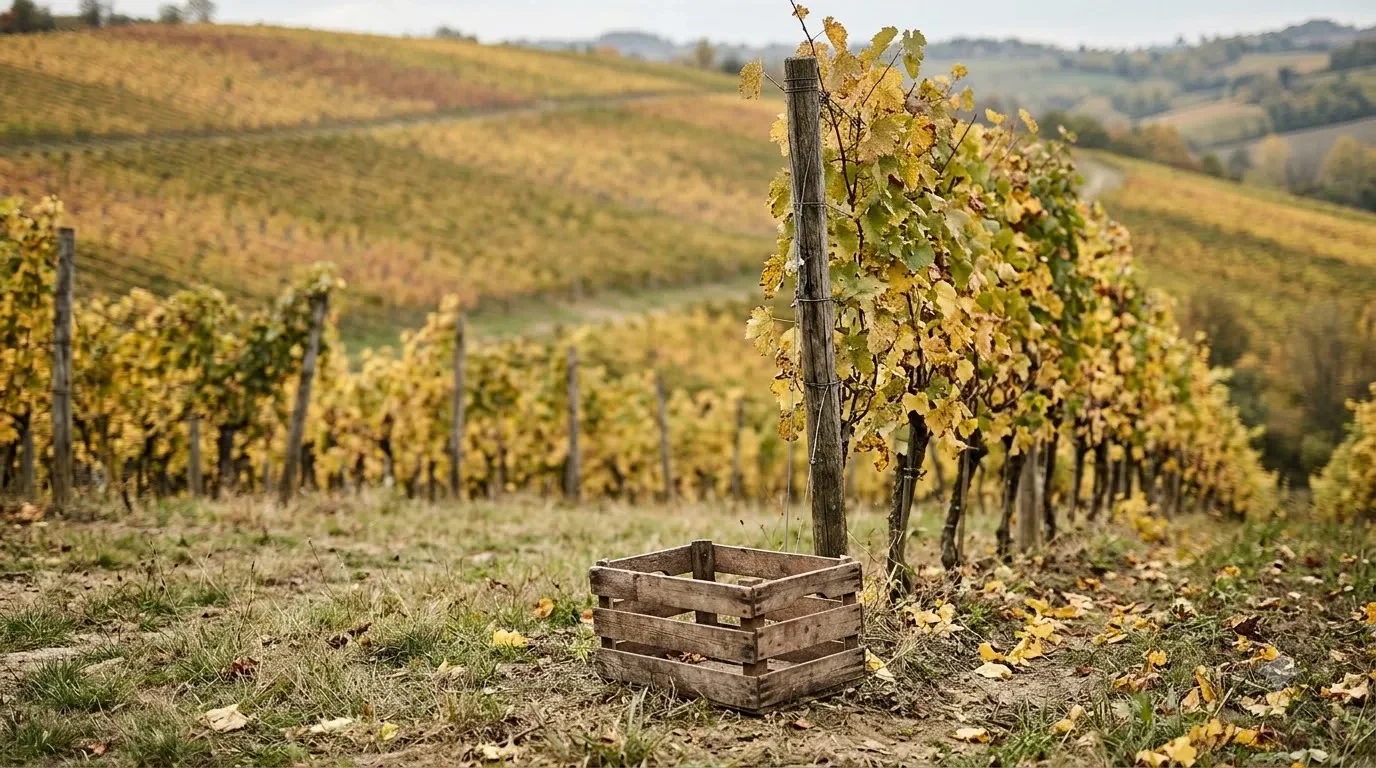
Sonoita vineyards sit at high elevation in southeastern Arizona, in the first federally recognized wine region in the state. The vineyards grow on land roughly 4,500 to 5,000 feet above sea level, among the highest vineyards in North America, and they produce more than twenty grape varieties, from Cabernet Sauvignon and Syrah to Italian and Spanish types.
Sonoita is not the first place most wine drinkers think of, but its vineyards have a long history and a distinctive setting. This guide covers where the region sits, why its elevation matters, which grapes are grown, and how to plan a visit or pick a bottle from the area.
Where the Sonoita vineyards are located
The Sonoita AVA lies in southeastern Arizona, south of Tucson and close to the Mexican border. It is centered in southern Santa Cruz County and extends into parts of Cochise and Pima counties. The landscape is open grassland, rolling hills, and oak-studded valleys, which gives the vineyards a very different look from the coastal regions many Americans know.
The AVA covers about 208,000 acres, but only a small share of that land is planted. The vineyards are spread across the area in relatively small blocks, and many are family-run. Because the region is large in geography and small in planted acreage, a visit often feels personal.
Why elevation shapes the wine
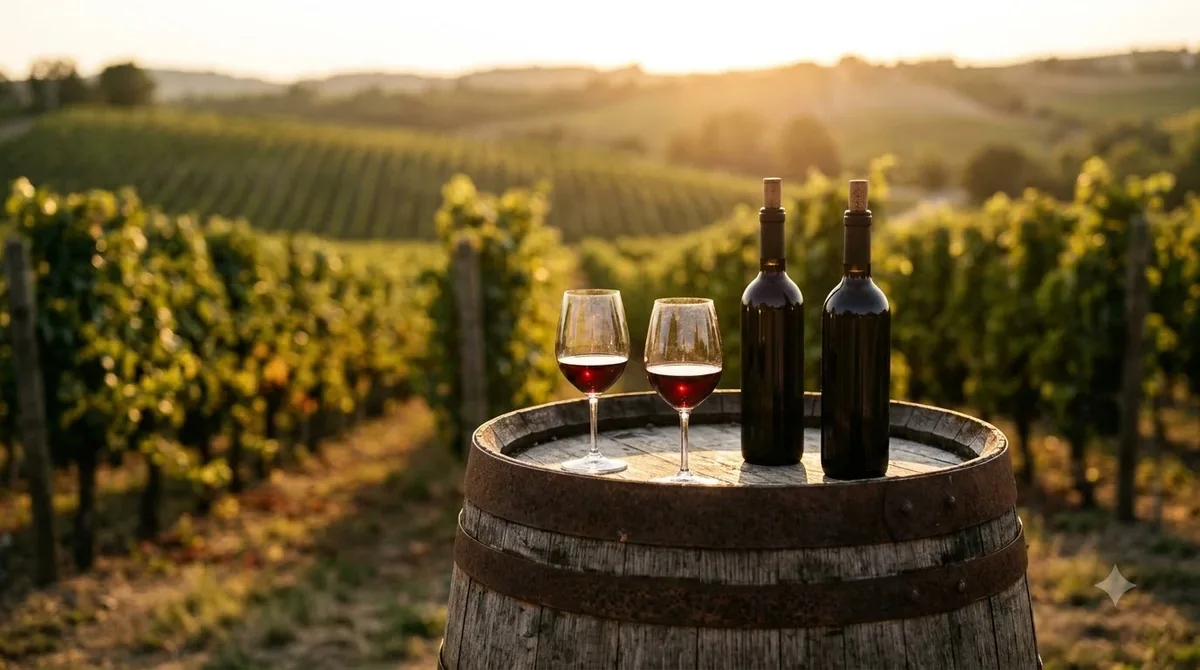
Most of the region’s vineyards sit between roughly 4,500 and 5,000 feet, according to the Sonoita AVA entry on Wikipedia, which places them among the highest in North America. Elevation brings cooler nights and strong daily temperature swings, and both help grapes keep their acidity while they ripen.
The climate is also shaped by rain. The growing season lasts about 200 days, and annual rainfall averages around 20 inches, much of it during the July to September monsoon season. Summer storms can bring humidity and disease pressure, so vineyard management here is a constant balancing act between water and airflow.
Sonoita’s growing conditions are sometimes compared with warm, high-altitude areas elsewhere. The result is a set of wines with moderate to high acidity and deeply colored reds, which many winemakers value for structure and aging potential.
The grapes grown in Sonoita
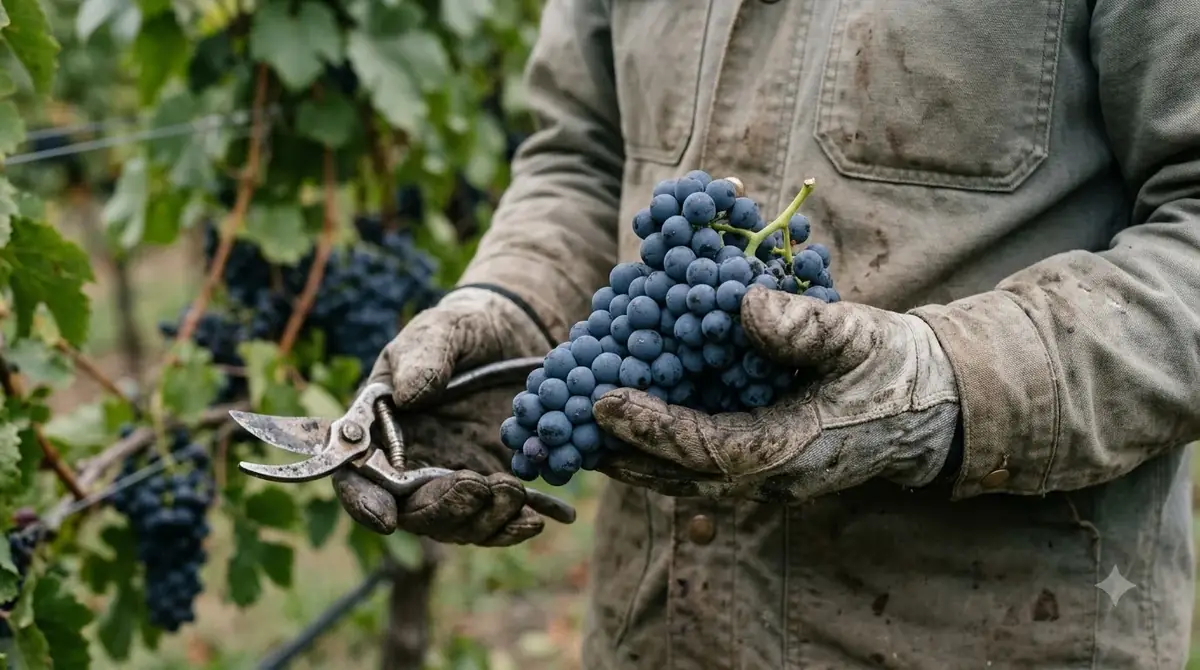
The region is known for growing a wide range of varieties. Sources list more than twenty, including Cabernet Sauvignon, Merlot, Pinot Noir, Syrah, Sangiovese, and Tempranillo. Several Italian, Rhône, and Spanish varieties are also planted, which makes the region a useful place to taste how different grapes perform at altitude.
Red wines tend to get the most attention. Syrah and Sangiovese often show dark fruit, savory spice, and firm structure, while Tempranillo offers a more savory, earthy style. White varieties are planted too, though reds dominate the conversation among local winemakers and visitors.
| Feature | What it means for the wine |
|---|---|
| Elevation of about 4,500 to 5,000 feet | Cooler nights and strong acidity |
| Growing season of about 200 days | Enough time for varieties from many regions to ripen |
| Annual rainfall of about 20 inches | Summer monsoon humidity affects vineyard care |
| More than twenty grape varieties | A wide range of styles, from bold reds to savory whites |
Tip: When you read a Sonoita label, check the grape variety and the vineyard named on the bottle. Many local producers bottle single-variety wines, so the label tells you exactly what you will taste.
A short history of Sonoita winemaking
The area’s connection to wine goes back to the Spanish colonial period. Jesuit missionary Eusebio Kino established a visita in the Sonoita Basin in 1691, and the Gadsden Purchase brought the region under United States control in 1853. Modern winemaking began much later, with an experimental vineyard established in 1973.
The region’s first federal recognition came in 1984, when the Bureau of Alcohol, Tobacco and Firearms approved the Sonoita AVA. It was the nation’s 71st AVA and Arizona’s first. Sonoita Vineyards, widely described as the state’s oldest commercial vineyard, opened its winery in 1983, and its early work helped establish the region’s reputation.
Today the area supports a mix of vineyards and wineries, many of them small. Visitors who want to understand Arizona’s wine story often start here, since the region’s history is closely tied to the state’s broader wine development.
The region’s agricultural roots run deep. Ranching has long shaped the land, and many of the vineyards sit alongside working grasslands. That mix of farming and winemaking gives the area a relaxed, rural feel that differs from the more polished tourist corridors of wine country elsewhere in the United States.
Food pairings for Sonoita wines
Sonoita reds pair well with hearty, savory food. Grilled steak, roasted pork, and hearty braises suit the wines’ structure and acidity. Sangiovese-style reds work well with tomato-based dishes and aged cheeses, where the wine’s acidity matches the food.
Lighter, fruit-forward reds are a good match for grilled chicken, mushroom dishes, and roasted vegetables. Tempranillo fits well with Spanish-inspired menus, such as chorizo, roasted peppers, and rice dishes.
When you are unsure, choose a meal with a bit of char or spice. The warm, savory side of many Sonoita reds complements grilled flavors without overwhelming them.
Planning a visit to the Sonoita vineyards
Many visitors combine a day in the vineyards with a trip to Tucson, which is about an hour’s drive from the heart of the AVA. Plan ahead for tastings, since some wineries keep limited hours and may require reservations. Early mornings and cooler months are usually the most comfortable times to be outdoors.
Because the region is spread out, consider a driver or a route that groups two or three stops together. The landscape rewards a slower pace, with long views over grassland and distant ranges.
Bring water and sun protection, especially at elevation. Summer storms can roll in quickly during the monsoon season, so check the forecast and build flexibility into your plans. Our Arizona vineyards guide covers other places to visit around the state.
If you are buying bottles to take home, check the shipping rules for your state before you commit. Some Arizona wineries offer direct shipping, while others sell mainly at the tasting room or through local retailers. Asking at the counter is the quickest way to find out which options apply to you.
Frequently Asked Questions
What makes Sonoita vineyards different from other wine regions?
The vineyards sit at high elevation, roughly 4,500 to 5,000 feet, in southeastern Arizona. The altitude brings cool nights and strong acidity, and the region grows a wider mix of varieties than many areas.
Is Sonoita the only wine region in Arizona?
No, but it is the state’s first federally recognized AVA and one of its best-known wine areas. Arizona has several other growing regions, each with its own climate and grapes.
What grapes grow in Sonoita?
More than twenty varieties are grown, including Cabernet Sauvignon, Merlot, Pinot Noir, Syrah, Sangiovese, and Tempranillo, along with several Italian, Rhône, and Spanish types.
When is the best time to visit Sonoita vineyards?
Cooler months and early mornings are generally the most comfortable for outdoor visits. Summer monsoon storms are common from July through September, so check conditions before you travel.
The Sonoita vineyards offer a rare mix of high-desert scenery, a long history, and a wide range of grapes. Whether you are planning a visit or looking for a bottle to try, start with a red from the region and taste how elevation shapes its character. The wine regions guide is a good next stop for comparing Sonoita with other places.
More in Wine Regions
 Willcox Wine Trail: Discover Arizona’s High-Elevation Wine CountryUpdated Nov 20, 2026
 Yakima Valley Wine Region: Find the Best Styles to TryUpdated Nov 20, 2026
 Vosne Romanee Wine Tasting: Identify Aromas and Choose Better PairingsUpdated Nov 20, 2026
 Yakima Valley Wine Festival: Find the Best Seasonal Wine EventsUpdated Nov 20, 2026
 Wales Vineyards: Discover Cool-Climate Wines and Where to VisitUpdated Nov 20, 2026
 Yountville Wine Festival: Discover Napa Wines and Local FoodUpdated Nov 20, 2026