

We may earn a commission when you buy through links on this page, at no extra cost to you. Learn more.
Is silver oak cabernet good? Yes, Silver Oak Cabernet Sauvignon is a high-quality California red wine, particularly for drinkers who enjoy structured, full-bodied Cabernet with dark fruit, American oak, and smooth, developed tannins. Its two principal bottlings offer different experiences: Alexander Valley tends toward brighter fruit and a more approachable structure, while Napa Valley generally delivers greater concentration and depth. Whether it deserves a place in your wine collection depends on your taste preferences, the occasion, and how much you value its distinctive oak-aged style.
Silver Oak has built its reputation around a recognizable approach to Cabernet Sauvignon rather than a constantly changing collection of grape varieties. Its wines combine California fruit with extended American oak aging, producing reds that work particularly well with steak dinners, celebrations, and thoughtful wine gifts. However, the differences between the Napa Valley and Alexander Valley bottles matter when deciding which one to buy. Understanding those differences makes it easier to judge the wine on its actual characteristics rather than its name recognition.
Who Should Consider Silver Oak Cabernet Sauvignon?
Silver Oak Cabernet Sauvignon is a particularly good choice for people who enjoy polished California reds with dark fruit, noticeable oak influence, and substantial structure. Its two main regional bottlings offer different levels of intensity, making the range suitable for both approachable Cabernet drinkers and people who prefer richer, more concentrated wines.
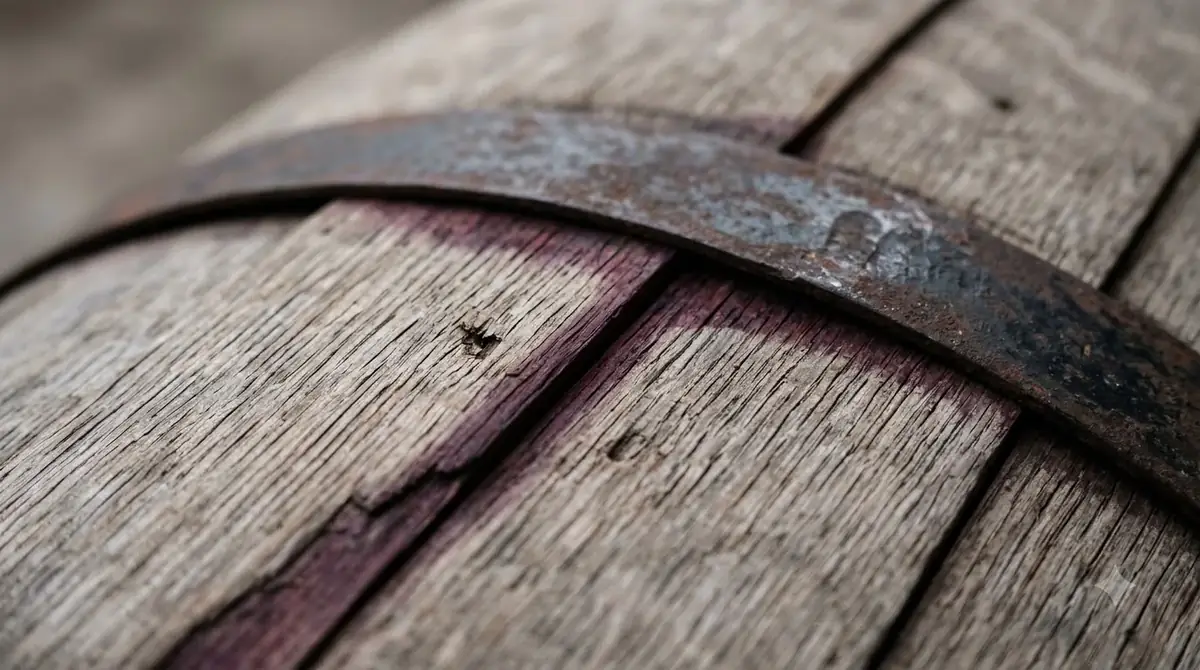
The brand appeals to drinkers who appreciate consistency in winemaking. Silver Oak has focused on Cabernet Sauvignon since its founding in 1972 by Raymond Twomey Duncan and Justin Meyer. Rather than making a broad range of unrelated wines under one label, the winery established a recognizable identity around Cabernet Sauvignon aged in American oak. That approach helps explain why its bottles have become familiar choices on restaurant wine lists, particularly at steakhouses.
There are several types of buyers who may find Silver Oak especially appealing:
- Cabernet Sauvignon enthusiasts: People who enjoy blackcurrant, blackberry, cedar, vanilla, and firm but polished tannins will recognize many familiar Cabernet characteristics in these wines.
- Steakhouse diners: The combination of fruit, acidity, and tannin makes Silver Oak a natural partner for grilled beef, roasted lamb, and other rich meat dishes.
- Special-occasion buyers: The recognizable label and premium presentation make the wine a reasonable choice for celebrations, dinner invitations, and milestone gifts.
- Wine collectors: Both regional bottlings have aging potential, although individual vintages differ in their development and drinking windows.
- Drinkers who enjoy American oak: Vanilla, baking spices, and cedar are important elements of the winery’s traditional flavor profile.
Silver Oak is less suitable for someone who prefers inexpensive everyday reds, light-bodied wines, or Cabernet Sauvignon with almost no noticeable oak influence. Its signature style is deliberate and recognizable, which is an advantage for fans but a limitation for people who prefer restrained, mineral-driven reds.
It also helps to understand that a familiar brand name does not guarantee that every vintage will taste identical. Growing conditions, vineyard sources, blending decisions, and bottle age can change the balance between fruit, acidity, tannin, and oak. A buyer should therefore consider the regional bottling and vintage rather than choosing exclusively by the Silver Oak name.
Key Factors to Compare Before Buying
The most important buying considerations are the appellation, fruit profile, tannin structure, oak influence, and aging potential. Silver Oak’s Napa Valley and Alexander Valley Cabernets share a winemaking philosophy but deliver noticeably different drinking experiences.
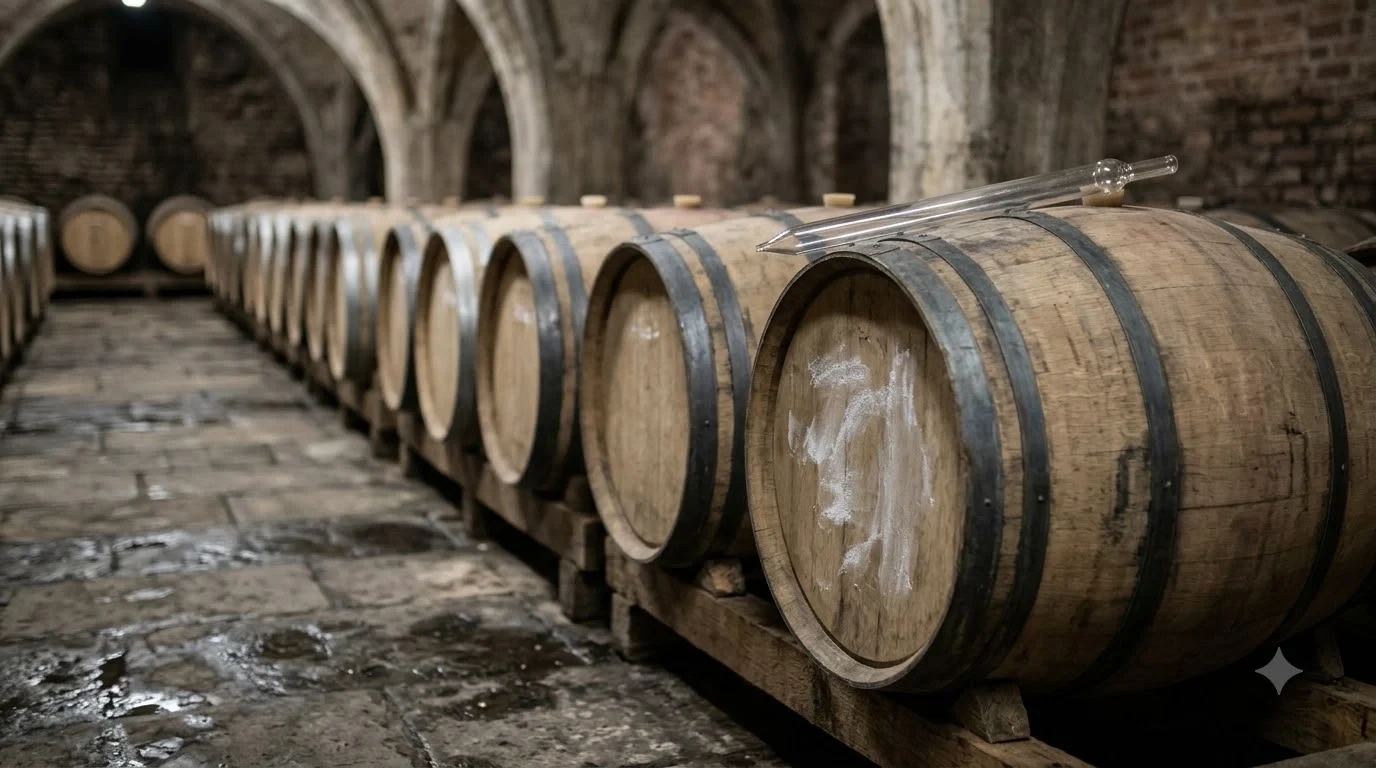
Silver Oak explains that its two principal Cabernets spend approximately 24 months in American oak barrels. The winery also blends the wines before barrel aging, allowing the individual components to come together before oak influence develops. The additional bottle-aging periods distinguish the release schedules: Alexander Valley receives approximately four years of total aging, while Napa Valley receives approximately five years. The producer’s comparison of its Napa Valley and Alexander Valley Cabernet wines explains how these regional expressions differ.
| Comparison factor | Alexander Valley | Napa Valley |
|---|---|---|
| Primary grape | Cabernet Sauvignon | Cabernet Sauvignon |
| Barrel aging | About 24 months | About 24 months |
| Total aging before release | About 4 years | About 5 years |
| Fruit character | Red cherry, raspberry, blackberry | Black cherry, cassis, blackberry |
| Oak characteristics | Vanilla, cedar, baking spices | Vanilla, tobacco, spice |
| General body | Medium to full | Full-bodied |
| Overall structure | Brighter and more approachable | Denser and more powerful |
| Typical serving temperature | 60–65°F | 60–65°F |
These comparisons reflect the winery’s general descriptions, not a guarantee that every vintage will follow exactly the same pattern. A cooler growing season or a different blend can influence the final character. Nevertheless, the distinction is useful when selecting a bottle without having tasted that particular vintage.
Fruit and oak balance
Fruit concentration is one of the first things to consider. Alexander Valley Cabernet generally emphasizes red and dark fruit, with raspberry, cherry, blackberry, and herbal notes. Napa Valley Cabernet usually offers a darker and more concentrated profile, with black cherry, cassis, blackberry, and greater palate density.
Oak is equally important. Silver Oak’s American oak approach can contribute vanilla, sweet baking spices, cedar, and sometimes coconut-like impressions. These flavors complement the natural fruit of Cabernet Sauvignon but may become too prominent for drinkers who prefer wines aged with a lighter oak touch.
Structure and drinking preferences
Cabernet Sauvignon is naturally high in tannin. This creates a drying sensation along the gums and sides of the mouth, particularly in younger wines. Silver Oak aims for a smoother presentation through its blending and aging approach, but its Cabernets still have enough structure to accompany substantial food.
For an approachable introduction, Alexander Valley is a sensible starting point. If you already enjoy full-bodied Napa Cabernet and want greater concentration, Napa Valley is the more natural selection. For more detailed regional characteristics, the Silver Oak Cabernet tasting notes provide another useful way to compare the wines.
Tip: If you are uncertain which bottle suits your preferences, begin with Alexander Valley for brighter fruit and a more moderate structure. Choose Napa Valley when you specifically want a richer, denser Cabernet with a more powerful finish.
Step-by-Step: How to Choose the Right Silver Oak Bottle
Choosing Silver Oak Cabernet becomes easier when you work through the regional differences, your preferred flavor profile, and the occasion. A few simple comparisons can prevent you from buying a bottle that is technically well made but does not match your personal taste.
-
Decide how much concentration you want.
Consider whether you prefer brighter red fruit or deeper black fruit. Alexander Valley is generally the more approachable option, with raspberry, red cherry, and herbal character. Napa Valley is usually fuller and more concentrated, emphasizing cassis, blackberry, and darker fruit.
-
Consider your tolerance for oak.
Both wines use American oak aging, so neither is an ideal choice for someone seeking an entirely unoaked Cabernet. If you enjoy vanilla, cedar, and baking spices, the style may suit you particularly well. If you prefer subtle oak, compare recent vintage descriptions before choosing.
-
Identify the occasion.
Alexander Valley is versatile for a dinner with grilled steak, burgers, or roasted lamb. Napa Valley is particularly appealing for a special dinner where a more concentrated wine can accompany prime rib, ribeye, or braised short ribs.
-
Consider the vintage.
Do not assume that every release offers identical fruit intensity or tannin. Compare the producer’s vintage-specific descriptions and consider whether you want a younger, fruit-forward bottle or an older wine with more developed savory characteristics.
-
Think about immediate drinking versus cellaring.
Silver Oak generally gives its Cabernets substantial aging before release, so they are designed to be enjoyable without requiring a long wait at home. However, appropriate cellar conditions can allow suitable vintages to develop further.
-
Plan the food pairing.
Choose a wine that can stand alongside the meal rather than overpower it. Rich beef dishes work particularly well with Cabernet’s tannin and concentrated fruit, while lighter dishes may favor the more approachable Alexander Valley style.
-
Confirm the specific bottle.
Check the appellation, vintage, bottle condition, and storage history before purchasing. These details are particularly important when buying an older bottle or selecting wine for a collection.
For a first purchase, the Alexander Valley bottling is a practical starting point because it provides the signature Silver Oak character without necessarily delivering the same level of concentration as the Napa wine. Experienced Cabernet drinkers who already enjoy substantial California reds may find the Napa bottling more rewarding.
It is also useful to consider how the wine will be served. A bottle intended for a long dinner with grilled meat may benefit from a short period of aeration, whereas a wine served immediately alongside food can reveal its changing character throughout the meal.
Silver Oak Cabernet Styles Explained
Silver Oak’s two principal Cabernet Sauvignon styles share the same general philosophy but express different California growing environments. Understanding the distinction between Alexander Valley and Napa Valley is the most important step toward choosing the right bottle.
Alexander Valley Cabernet Sauvignon
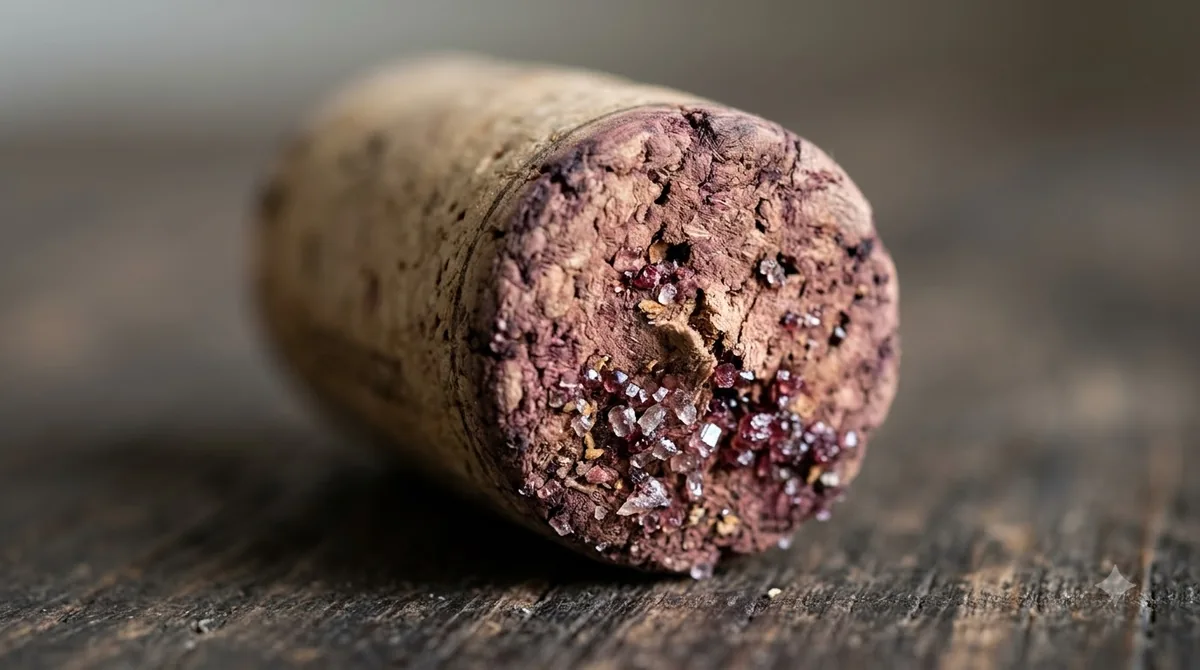
Alexander Valley Cabernet Sauvignon comes from Sonoma County, north of Napa Valley. Its general character combines ripe fruit with freshness, herbal notes, and a relatively graceful structure. The result is a Cabernet that can feel less forceful than its Napa counterpart while retaining enough tannin and concentration to accompany rich food.
Silver Oak’s published description of the 2019 Alexander Valley Cabernet includes red cherry, raspberry, blackberry, iris, vanilla, and clove. The wine also has lively acidity and a fruity finish with warm baking spices. Its blend contains 95.2% Cabernet Sauvignon, 2.5% Cabernet Franc, 1.9% Merlot, and 0.4% Petit Verdot.
Wine Enthusiast similarly describes the regional bottling through its bright red fruit, sage, thyme, fresh acidity, and medium-bodied texture. These characteristics make Alexander Valley a particularly attractive choice for people who enjoy Cabernet Sauvignon but do not necessarily want the densest possible expression.
Food pairings include grilled flank steak, roasted chicken with herbs, lamb chops, mushroom risotto, and aged cheddar. Its combination of freshness and fruit makes it flexible enough for a meal where the wine should complement rather than dominate the food.
Napa Valley Cabernet Sauvignon
Silver Oak Napa Valley Cabernet generally offers greater concentration, more substantial structure, and darker fruit characteristics. It is the better starting point for drinkers who enjoy the powerful side of California Cabernet Sauvignon.
The winery’s 2019 Napa Valley Cabernet description identifies black cherry, floral aromas, silky tannins, and a fruit-forward entry. Its blend is more varied than a simple single-grape wine: 76.61% Cabernet Sauvignon, 18.13% Merlot, 2.56% Cabernet Franc, 2.32% Petit Verdot, and 0.38% Malbec.
Wine Enthusiast describes the Napa bottling as concentrated and structured, with cassis, blackberry, tobacco, and spice. Those flavors contribute to a fuller impression and make the wine particularly appealing alongside richly flavored meat dishes.
Try Napa Valley Cabernet with grilled ribeye, prime rib, braised beef short ribs, rosemary lamb, or a mature hard cheese. Its greater concentration allows it to stand up to food with more intense savory flavors.
How the two styles differ in the glass
The most useful distinction is not that one wine is inherently superior. It is that each bottling is designed to express a different balance of fruit, structure, and regional character. Alexander Valley tends to feel more open and fresh, while Napa Valley generally provides greater density and power.
Both wines can show the American oak signature that defines Silver Oak. However, the intensity of vanilla, spice, and cedar can vary with the vintage and the evolution of the wine in the bottle.
For a more complete overview of the producer’s offerings, the Silver Oak wine collection provides a useful starting point for understanding the brand’s Cabernet-focused identity.
Common Mistakes When Buying Silver Oak Cabernet
The biggest buying mistakes involve treating both regional bottlings as interchangeable, expecting every vintage to taste the same, and confusing smooth tannins with sweetness. Silver Oak has a recognizable style, but the wines remain dry Cabernet Sauvignons with meaningful structural differences.
Assuming Napa Valley is automatically better
Napa Valley has a strong reputation for premium Cabernet Sauvignon, but a more concentrated wine is not automatically a better match for every drinker. Alexander Valley can be more enjoyable for someone who values freshness, red fruit, and a slightly lighter structure.
Silver Oak itself emphasizes that the two wines express different regional characteristics rather than presenting one as universally superior. The better choice depends on whether you prefer freshness and elegance or richness and density.
Expecting a sweet wine
Vanilla, ripe fruit, and baking spices can create an impression of sweetness, particularly in an oak-aged Cabernet. However, Silver Oak Cabernet Sauvignon is a dry red wine, not a sweet red or dessert wine.
The fruit may seem generous and ripe, but that does not mean the wine contains significant residual sugar. Its tannin, acidity, and dry finish distinguish it from sweeter red wine styles.
Ignoring the vintage
Two bottles from different harvest years can show different levels of concentration, freshness, and tannin. A younger wine may emphasize primary fruit and oak, while a mature bottle can develop more complex impressions of tobacco, earth, leather, and dried herbs.
This is especially relevant when purchasing older bottles. Storage conditions and provenance matter because even a well-made Cabernet can deteriorate if exposed to heat, light, or repeated temperature fluctuations.
Serving it too warm
Full-bodied Cabernet Sauvignon is best served around 60–65°F. Serving it at typical warm room temperature can make the alcohol seem more prominent and reduce the clarity of the fruit and oak aromas.
Pairing it with delicate food
Cabernet’s high tannin can overwhelm delicate seafood, mild vegetables, and lightly seasoned dishes. Oily fish can also clash with tannic red wines. A better approach is to pair Silver Oak with foods that have enough richness and flavor to balance its structure.
For example, a grilled ribeye with roasted potatoes is a more natural match than a delicate white fish fillet. Salt and fat soften the perception of tannin, helping the wine feel more balanced with the meal.
Serving, Care, and Storage Tips
Proper serving and storage can make a meaningful difference to Silver Oak Cabernet Sauvignon. Temperature, glassware, aeration, and bottle position all affect how the wine develops before and after opening.
Serve at the right temperature
Serve Silver Oak Cabernet Sauvignon at approximately 60–65°F. This range allows the fruit and oak aromas to develop while keeping the alcohol from becoming overly prominent.
If the bottle has been stored in a warm room, place it in the refrigerator briefly before serving. Avoid serving it excessively cold because low temperatures can make tannins seem more prominent and suppress aromatic expression.
Choose suitable glassware
A large Bordeaux-style wine glass is a good choice for Cabernet Sauvignon. Its broad bowl provides room for the wine to release aromas, while the narrower opening concentrates those aromas toward the nose.
A standard 750 ml bottle provides approximately five servings when poured in 5 oz portions. For a dinner with four guests, one bottle can provide a moderate pour for everyone, although a second bottle may be useful for a longer meal.
Decant when appropriate
Young, full-bodied Cabernet Sauvignon can benefit from 30–60 minutes of decanting. Aeration can soften the initial impression of tannin and allow fruit, vanilla, cedar, and spice aromas to become more expressive.
Older bottles require more care. Extended exposure to air may cause a mature wine to lose some of its delicate aromas. For an older Silver Oak, begin by pouring a small glass and assessing its condition before deciding whether decanting is necessary.
Store unopened bottles correctly
Store Silver Oak Cabernet Sauvignon in a cool, dark place near 55°F, with minimal temperature fluctuation. Bottles with natural cork closures should generally be stored horizontally to help keep the cork from drying out.
Avoid storing wine near ovens, radiators, sunny windows, or other sources of heat. Excessive temperature changes can damage the wine and shorten its useful drinking life.
Preserve opened bottles
Once opened, recork the bottle and keep it refrigerated. Most opened still wines retain reasonable quality for approximately three to five days, although the fruit and aromatic detail may gradually decline.
Allow refrigerated red wine to warm slightly before serving again. A few minutes outside the refrigerator can help restore the aromatic expression that makes Cabernet Sauvignon enjoyable.
For general wine information, including regional styles, grape varieties, and buying considerations, the Wine Brands resource offers additional background for comparing producers and their wines.
Frequently Asked Questions
Is Silver Oak Cabernet Sauvignon considered a luxury wine?
Silver Oak is positioned as a premium California Cabernet Sauvignon producer with established recognition among American wine consumers. Its long-standing restaurant presence and dedicated regional bottlings contribute to its premium reputation. Its classification as a luxury purchase depends on the buyer’s expectations and spending priorities.
Does Silver Oak make Cabernet Sauvignon from estate-grown grapes only?
No, Silver Oak’s wines are not necessarily made exclusively from estate-grown fruit. The winery also works with vineyard partners, and the combination of fruit sources can vary by vintage and bottling. This gives its winemaking team flexibility in selecting components for the final blend.
Does Silver Oak Cabernet Sauvignon contain added flavoring?
The vanilla, cedar, and baking spice characteristics associated with Silver Oak are linked to its winemaking and American oak aging approach. These aromas are not evidence that vanilla flavoring has been added. Oak compounds can contribute recognizable aromas and flavors during barrel aging.
How many bottles of Silver Oak are produced annually?
Production can change with harvest conditions, vineyard availability, and winery decisions. Decanter’s producer profile has described historical production at approximately 100,000 cases of Cabernet across the winery’s principal bottlings. That figure should not be treated as a fixed annual production commitment.
Can Silver Oak Cabernet Sauvignon be served without food?
Yes. Its developed fruit and oak aromas provide enough complexity for drinking on its own. A suitable large wine glass and a serving temperature of 60–65°F help reveal its aromatic character even without a meal.
Silver Oak Cabernet Sauvignon is a worthwhile choice for people who appreciate polished California Cabernet with ripe fruit, American oak, and substantial structure. Alexander Valley is the better introduction for drinkers who prefer freshness and approachability, while Napa Valley suits those seeking greater concentration and depth. Choose the regional style that matches your palate, serve it at the right temperature, and pair it with food that complements its tannins for a more rewarding bottle.
More in Wine Brands
 Is Yellow Tail Shiraz Good? A Practical Buying GuideUpdated Nov 21, 2026
 Is Yellow Tail Moscato Good? Taste, Sweetness, and Buying TipsUpdated Nov 21, 2026
 Is Austin Hope Cabernet Good? What to Expect Before BuyingUpdated Nov 21, 2026
 Juan Gil Wine Price: Compare Bottles and Choose the Right Spanish RedUpdated Nov 21, 2026
 Is Tisdale Wine Good for Affordable Everyday Drinking?Updated Nov 21, 2026
 Is Winc Wine Good? What to Expect Before You BuyUpdated Nov 21, 2026