
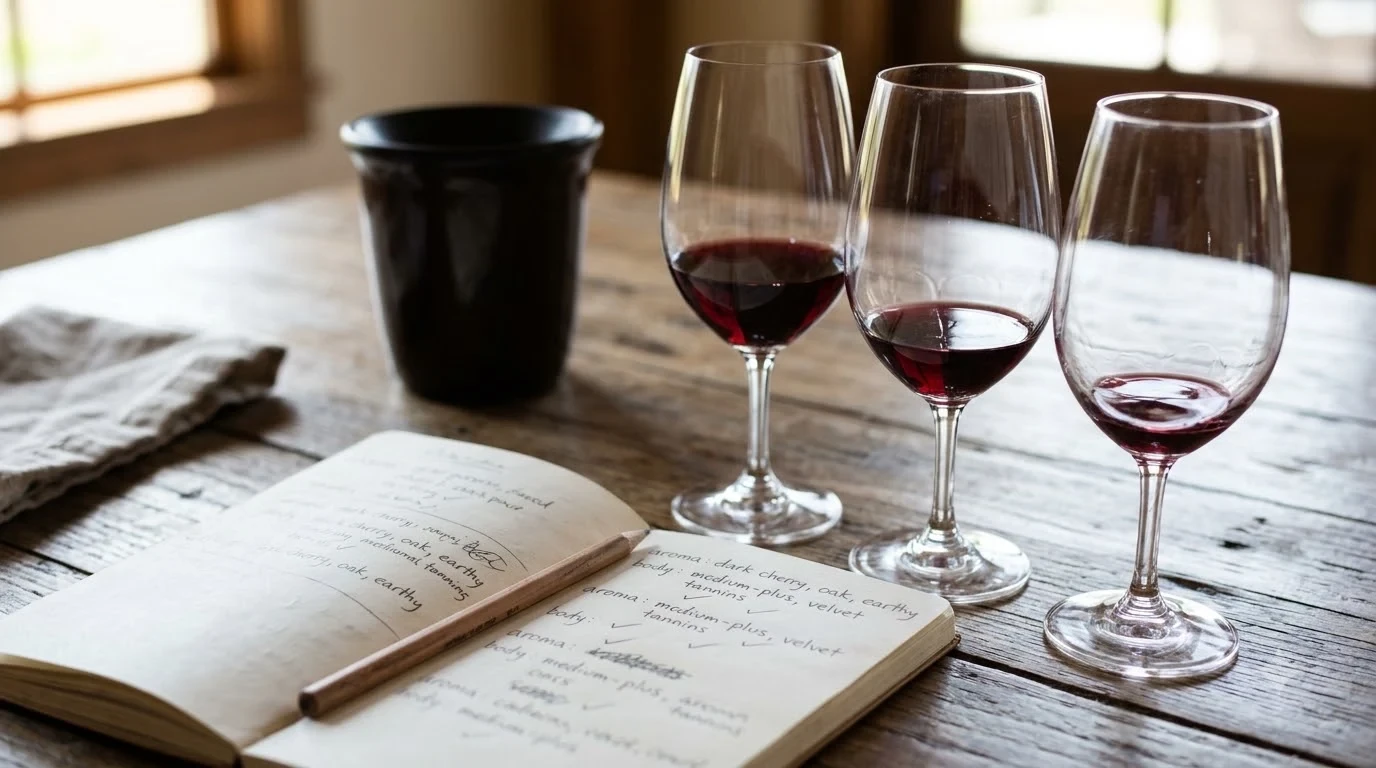

We may earn a commission when you buy through links on this page, at no extra cost to you. Learn more.
Silver oak cabernet tasting notes typically feature black cherry, cassis, blackberry, vanilla, baking spices, and a polished structure supported by firm but approachable tannins. Silver Oak makes two principal Cabernet Sauvignon wines, one from Napa Valley and another from Alexander Valley in Sonoma County. Both emphasize American oak aging, balanced acidity, and concentrated fruit, although the Napa bottling generally offers greater density and power while the Alexander Valley version tends toward brighter fruit, herbs, and a more lifted texture.
Silver Oak has developed a recognizable Cabernet Sauvignon style through extended maturation, careful blending, and a commitment to American oak. Its wines are designed to offer substantial Cabernet character without requiring decades of additional bottle aging before they become enjoyable. However, vintage, vineyard origin, and bottle age all influence what appears in the glass. The following guide explains what to expect from each bottling, how to interpret its tasting profile, and how to serve it for the best experience.
The Signature Flavor Profile of Silver Oak Cabernet Sauvignon
Silver Oak Cabernet Sauvignon generally combines ripe dark fruit, recognizable American oak characteristics, and structured but polished tannins. Black cherry, cassis, blackberry, vanilla, and sweet spice form the central flavor profile, with herbs, tobacco, and earthy notes adding complexity.
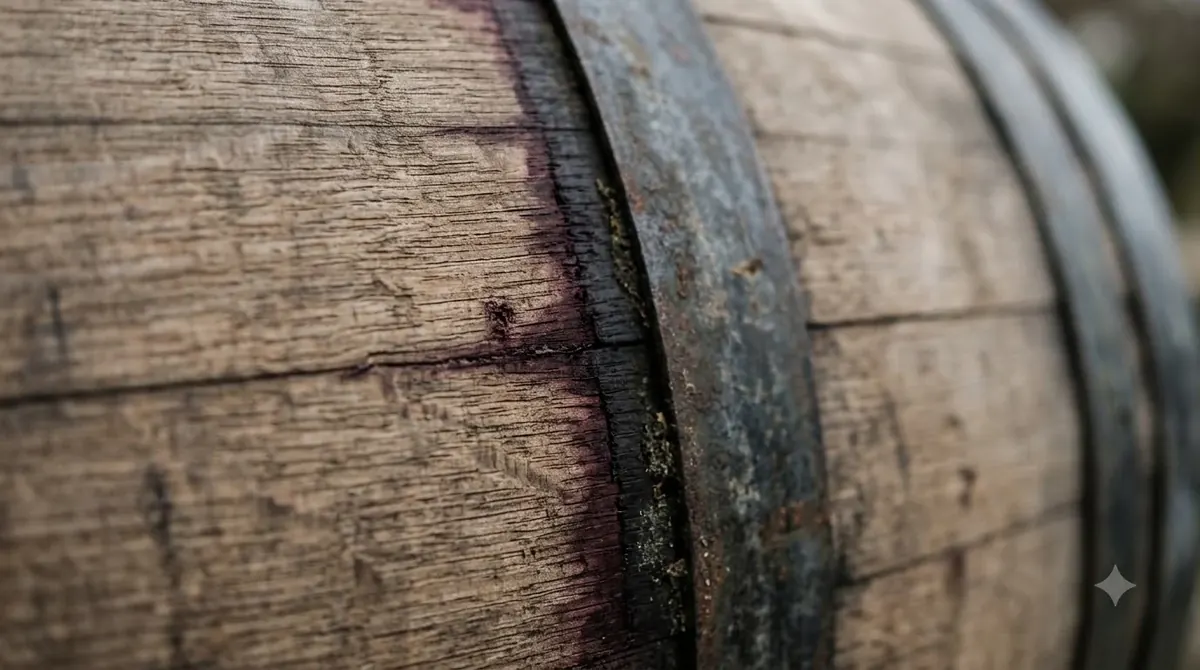
Appearance: Silver Oak Cabernet Sauvignon commonly displays a ruby to deep ruby color. Younger bottles can show purple reflections around the rim, while mature bottles may develop garnet or brick-colored tones as they age. Color intensity varies with vintage, grape composition, and bottle maturity.
Aroma: Black cherry, blackcurrant, blackberry, and plum are characteristic fruit aromas. Vanilla, toasted oak, coconut, clove, and baking spices contribute additional layers. Depending on the vintage and origin, you might also notice cedar, tobacco, sage, violets, coffee, or dried herbs.
Palate: The wine generally begins with ripe fruit and develops through a substantial mid-palate. Blackcurrant and cherry flavors are often accompanied by vanilla, spice, and savory elements. Its texture is typically smooth and rounded, although the Cabernet Sauvignon structure remains noticeable.
Tannins and acidity: Cabernet Sauvignon naturally has high tannin, and Silver Oak retains enough structure to support extended aging. The tannins can feel firm but polished rather than aggressively drying. Acidity provides freshness, helping balance the richness of the fruit and the influence of oak.
Finish: Expect a lingering finish featuring dark fruit, baking spices, vanilla, and sometimes cedar or tobacco. The Napa Valley bottling generally leaves a more substantial impression, while Alexander Valley often finishes with brighter fruit and herbal freshness.
These characteristics provide a useful starting point, but no single tasting note describes every Silver Oak vintage. A younger bottle may emphasize blackcurrant, cherry, and oak spice, whereas a mature bottle can develop leather, dried fruit, tobacco, and more pronounced earthy aromas.
Alexander Valley and Napa Valley: Understanding the Difference
Silver Oak produces two distinct Cabernet Sauvignon expressions, and their regional differences are among the most important details to recognize when evaluating the brand. Alexander Valley generally emphasizes freshness, red fruit, and herbal character, while Napa Valley tends toward darker fruit, greater concentration, and a broader palate.

Alexander Valley is in Sonoma County, north of Napa Valley. Silver Oak’s Alexander Valley Cabernet often features raspberry, red cherry, cassis, plum, sage, thyme, and baking spices. Its fruit profile can feel lively and lifted, with acidity contributing freshness and fine-grained tannins providing structure.
Decanter’s examination of the two bottlings identifies dried herbs, tobacco, and lifted structure as recurring characteristics of the Alexander Valley wine. Its comparison describes Napa Valley as generally more powerful and concentrated, with riper fruit. These are useful stylistic distinctions, although individual vintages can vary considerably.
Napa Valley Cabernet Sauvignon generally has a darker and more concentrated profile. Black cherry, blackberry, cassis, tobacco, and warm spice are common characteristics. Its palate tends to feel broader and denser, with substantial tannin structure that supports extended bottle aging.
The winery’s own tasting notes illustrate this difference. Its 2019 Napa Valley bottling features black cherry and floral aromas, silky tannins, and a fruit-forward entry. The 2019 Alexander Valley bottling instead highlights red cherry, raspberry, blackberry, iris, vanilla, and clove, with lively acidity and a fruity finish.
The two wines also differ in their maturation schedules. Silver Oak describes its Alexander Valley Cabernet as receiving approximately four years of aging before release, compared with approximately five years for its Napa Valley Cabernet. This extended maturation is part of the winery’s approach to making Cabernet Sauvignon approachable while retaining its structural qualities.
Neither expression is automatically superior. Alexander Valley is a good choice for someone who appreciates fresh fruit and savory complexity, while Napa Valley suits those who prefer a denser Cabernet with more pronounced dark-fruit character.
Tip: If you are comparing the two wines side by side, pour Alexander Valley first and Napa Valley second. The more concentrated Napa expression can make the lighter, brighter wine seem less expressive if you taste them in the opposite order.
American Oak, Vanilla, and the Winemaking Style
American oak is a defining element of Silver Oak Cabernet Sauvignon, contributing recognizable vanilla, sweet spice, coconut, and toasted wood characteristics. Its influence is intended to complement the grape’s fruit and tannin rather than overwhelm the Cabernet Sauvignon profile.
American oak can contribute a different aromatic impression from French oak. Depending on the barrel and maturation conditions, it can introduce pronounced vanilla, coconut, baking spice, and sweet wood aromas. Decanter identifies vanilla, sweet spices, and dill as traditional characteristics associated with Silver Oak’s American oak approach.
Oak treatment can also differ between the two bottlings. Decanter describes the historical Alexander Valley program as using a mixture of new and previously used barrels, while the Napa Valley program used a greater proportion of new oak. These differences help explain why the two wines can have distinct oak intensity even though they share the same producer.
Silver Oak’s approach to blending also influences the final result. Combining vineyard components before barrel maturation allows the winemaking team to establish a balanced blend before the oak influence develops. This process can help integrate fruit, acidity, and tannin as the wine matures.
Oak character can become more integrated as a wine ages. In a relatively young bottle, vanilla, toasted wood, and baking spices may be immediately recognizable. With additional bottle age, these aromas can become more closely integrated with dried fruit, leather, tobacco, and earthy characteristics.
Silver Oak’s extended maturation helps explain why its wines can feel approachable upon release despite their substantial Cabernet structure. Rather than relying entirely on consumers to cellar young wine for several years, the winery performs an extended maturation process before the bottles reach the market.
For a broader comparison of California Cabernet styles, Austin Hope Cabernet tasting notes offer another useful reference. Comparing fruit concentration, oak influence, and tannin profiles can help clarify how different producers interpret California Cabernet Sauvignon.
Vintage Variations and Specific Tasting Examples
Silver Oak Cabernet Sauvignon maintains a recognizable house style, but the balance of fruit, acidity, tannin, and oak changes between vintages. Comparing specific releases provides a more accurate understanding of how the wine can develop than relying on a single general tasting description.
The winery’s 2019 Alexander Valley Cabernet Sauvignon is a useful example of its brighter regional style. Its composition is 95.2% Cabernet Sauvignon, 2.5% Cabernet Franc, 1.9% Merlot, and 0.4% Petit Verdot. The tasting profile includes red cherry, raspberry, blackberry, iris, vanilla, and clove. Silver Oak also identifies lively acidity and blackcurrant character as important features.
The 2018 Alexander Valley Cabernet Sauvignon offers another expression of the same regional identity. Its aromas include cassis, caramel, juniper, and pomegranate. The palate is described as juicy and fruit-forward, with a silky texture. Its blend contains 94.8% Cabernet Sauvignon, 4.2% Merlot, and 1% Cabernet Franc.
The 2017 Alexander Valley Cabernet Sauvignon shows how a particular blend can influence the wine’s overall profile. It contains 95.5% Cabernet Sauvignon, 3.6% Merlot, 0.5% Cabernet Franc, 0.3% Petit Verdot, and 0.1% Malbec. Its tasting notes include red currant, cassis, ripe plum, cardamom, and toffee, with a long finish and fine tannins.
The Napa Valley bottlings provide a contrasting set of examples. Silver Oak’s 2019 Napa Cabernet contains 76.61% Cabernet Sauvignon, 18.13% Merlot, 2.56% Cabernet Franc, 2.32% Petit Verdot, and 0.38% Malbec. Its black cherry and floral aromas are accompanied by silky tannins and a fruit-forward entry.
The 2018 Napa Valley Cabernet has a different aromatic combination, featuring strawberry, fresh carnation, black pepper, and vanilla. Its palate develops additional body through the mid-palate, followed by blackberry and a bright cherry return. This combination demonstrates that Napa Cabernet does not always rely exclusively on dark fruit and heavy oak.
The following table summarizes these documented examples. The blend percentages are useful when comparing regional expressions, although they should not be treated as fixed formulas for every Silver Oak release.
| Vintage | Origin | Cabernet Sauvignon | Notable Tasting Notes |
|---|---|---|---|
| 2019 | Alexander Valley | 95.2% | Red cherry, raspberry, blackberry, vanilla, clove |
| 2018 | Alexander Valley | 94.8% | Cassis, caramel, juniper, pomegranate |
| 2017 | Alexander Valley | 95.5% | Red currant, plum, cardamom, toffee |
| 2019 | Napa Valley | 76.61% | Black cherry, floral notes, silky tannins |
| 2018 | Napa Valley | 76% | Strawberry, carnation, black pepper, vanilla |
One important detail is that the supporting grape varieties differ considerably between the two appellations. Merlot makes up a larger portion of the documented Napa blends, while the Alexander Valley examples contain a higher percentage of Cabernet Sauvignon. These proportions influence the final blend’s texture and aromatic balance.
Vintage conditions also influence ripeness, acidity, and tannin development. A cooler growing season may produce a brighter impression, while warmer conditions can favor riper fruit and a broader palate. Consequently, a tasting note for one vintage should not be applied automatically to another.
How to Serve and Decant Silver Oak Cabernet Sauvignon
Silver Oak Cabernet Sauvignon is best served slightly cooler than typical room temperature, around 60–65°F. A moderate serving temperature preserves its fruit aromas, keeps alcohol from becoming too prominent, and allows the oak and tannin structure to remain balanced.
Temperature matters because Cabernet Sauvignon can become less expressive when served too warm. At temperatures significantly above 65°F, alcohol may seem more prominent, and the wine can lose some of its freshness. Conversely, serving it too cold can suppress aromas and make tannins seem firmer.
For an older bottle, a gentle approach is preferable to prolonged aeration. Open the bottle carefully, pour a small amount, and assess its aromas and texture. Mature Cabernet can have delicate developed characteristics that may fade with excessive exposure to oxygen.
Young, full-bodied Silver Oak Cabernet Sauvignon can benefit from decanting for approximately 30–60 minutes. This allows oxygen exposure to soften the initial impression of firm tannins and helps the fruit, oak, and savory aromas become more expressive.
A decanter is also useful when an older bottle contains sediment. However, sediment is not necessarily a defect. It can form naturally as pigments and tannin compounds combine during bottle aging. Pour slowly and stop when the sediment approaches the neck of the bottle.
Use a large-bowled red wine glass to give the wine enough room for its aromas to develop. A standard 5-ounce pour provides sufficient space for swirling and evaluating the bouquet. A 750 ml bottle supplies approximately five standard glasses.
Silver Oak’s extended maturation means many releases are already intended to be enjoyable upon arrival. Decanting is therefore a matter of the wine’s age, structure, and current condition rather than an automatic requirement for every bottle.
Best Food Pairings for Silver Oak Cabernet Sauvignon
Silver Oak Cabernet Sauvignon pairs particularly well with grilled beef, lamb, roasted mushrooms, aged cheeses, and dishes with savory herbs. Its dark fruit, oak-derived spices, and firm tannins complement protein-rich foods and ingredients with substantial savory character.
Beef: Ribeye, filet mignon, New York strip steak, and slow-roasted beef are excellent options. The protein and fat in beef help soften the perception of tannin, while charred edges and grilled flavors complement vanilla, cedar, and baking spices. A simple seasoning of salt, black pepper, and rosemary allows the wine’s own flavors to remain prominent.
Lamb: Roasted lamb shoulder, grilled lamb chops, and herb-crusted rack of lamb work particularly well. Rosemary, thyme, garlic, and black pepper echo the savory herbal notes found in some Alexander Valley vintages. Rich lamb preparations also provide enough texture to balance Cabernet Sauvignon’s tannins.
Rich pasta dishes: Beef lasagna, slow-cooked short-rib ragu, and tomato-based meat sauces are suitable choices. The acidity in tomato sauces makes wine acidity important, so preparations with a balanced sauce are preferable to extremely sharp, vinegar-heavy versions.
Mushrooms: Roasted portobello mushrooms, mushroom risotto, and grilled mushrooms with garlic can complement the wine’s earthy and savory characteristics. Mushroom dishes are particularly appealing with mature Cabernet, where tobacco, leather, and dried herb aromas may become more noticeable.
Cheese: Aged cheddar, Gouda, and firm sheep’s milk cheeses are useful pairings. Their richness and savory intensity help balance the wine’s structure. Strong blue cheeses can be more challenging because their intense saltiness and flavor may dominate a dry Cabernet.
Regional differences can also guide food selection. Alexander Valley’s brighter fruit and herbal character make it especially suitable for grilled lamb, roast chicken with dark meat, and herb-seasoned beef. Napa Valley’s denser palate can stand up to richer cuts of beef, braised short ribs, and hearty preparations with concentrated sauces.
Sweetness and heat require more attention. A very sweet sauce can make dry Cabernet taste more bitter or acidic, so sweet barbecue glazes are best kept moderate. Chili heat can also become more pronounced alongside alcohol and tannin. For spicy dishes, reduce the heat rather than expecting the wine to soften it.
Oily fish such as salmon or mackerel can be difficult with a strongly tannic red because the combination may create an unpleasant metallic impression. Lighter preparations of seafood are generally better suited to white wine or a less tannic red.
For another reference point, Caymus Cabernet tasting notes provide a useful comparison of fruit-forward California Cabernet styles. Looking at differences in ripeness, oak, and palate weight can help when choosing a bottle for a particular meal.
Cellaring Potential and Bottle Development
Silver Oak Cabernet Sauvignon has meaningful aging potential because of its Cabernet Sauvignon concentration, structured tannins, acidity, and extended maturation before release. The winery’s vintage-specific tasting notes provide drinking windows that can extend several decades from harvest under appropriate cellaring conditions.
When young, Silver Oak Cabernet often emphasizes fresh dark fruit, blackcurrant, cherry, and recognizable oak spice. The tannins can be noticeable, but the winery’s extended aging process is intended to provide a more harmonious texture by the time the wine reaches consumers.
As the wine develops, primary fruit aromas may gradually become less dominant. Notes of dried cherry, leather, tobacco, cedar, forest floor, and earth can emerge. Vanilla and toasted oak may become less distinct as they integrate with the wine’s mature aromas.
Not every bottle develops at the same pace. A vintage with substantial tannin and concentration may retain its structure longer than a lighter vintage. Bottle format also matters: larger bottles generally develop more slowly than standard 750 ml bottles because they contain a lower proportion of oxygen relative to their volume.
For storage, keep bottles in a cool, dark environment with a relatively consistent temperature near 55°F. Avoid direct sunlight, repeated temperature fluctuations, and locations near heating appliances. Bottles sealed with natural cork are generally stored horizontally to help keep the cork in contact with the wine.
There is no universal age at which every Silver Oak Cabernet reaches its peak. Some releases can be enjoyable upon release, while others benefit from additional years in the cellar. The best approach is to consider the vintage’s structure, the winery’s suggested drinking period, and the bottle’s storage history.
Once opened, a still red wine generally keeps for approximately three to five days in the refrigerator when properly recorked. Bring the wine back toward its preferred serving temperature before pouring another glass. Keeping the bottle cool slows oxidation and helps preserve its remaining fruit character.
For collectors, provenance is particularly important when buying mature bottles. A bottle stored in a consistently cool cellar is generally a better candidate for aging than one exposed to warm retail shelves or repeated temperature changes. Fill level, cork condition, and signs of leakage can also help indicate how well an older bottle has been preserved.
Decanter’s Silver Oak producer profile and Cabernet tasting assessment offers additional perspective on the winery’s history, American oak approach, and the differences between its Napa and Alexander Valley wines.
Frequently Asked Questions
Is Silver Oak Cabernet Sauvignon dry or sweet?
Silver Oak Cabernet Sauvignon is a dry red wine rather than a sweet wine. Its ripe fruit and vanilla aromas can create an impression of sweetness, but these flavors do not necessarily indicate significant residual sugar. The wine’s structure comes from Cabernet Sauvignon tannins, acidity, and oak maturation.
What percentage of alcohol does Silver Oak Cabernet Sauvignon contain?
Alcohol content varies by vintage and appellation rather than remaining fixed across the entire range. For example, Silver Oak’s 2012 Alexander Valley Cabernet Sauvignon contains 14.2% alcohol, while its 2011 Alexander Valley release contains 13.6%. These examples illustrate why individual vintage information matters when comparing bottles.
Does Silver Oak make Cabernet Sauvignon from organic grapes?
It is important to distinguish individual vineyard or farming descriptions from a winery-wide organic certification. Information about the farming status of a particular vineyard or vintage does not automatically establish that every Silver Oak Cabernet Sauvignon is certified organic. Certification and farming claims should be evaluated for the specific wine and source.
What glass shape is best for Silver Oak Cabernet Sauvignon?
A large-bowled Bordeaux-style glass is a suitable choice because its broad bowl provides room for swirling and releases the aromas of Cabernet Sauvignon. The slightly narrower opening helps concentrate aromas toward the nose. A standard red wine glass also works if a dedicated Bordeaux glass is unavailable.
How many bottles of Silver Oak Cabernet Sauvignon should be served for a dinner of eight?
Four standard 750 ml bottles provide approximately 20 standard 5-ounce glasses, enough for eight guests to receive about two and a half glasses each. Five bottles provide a little more flexibility for a longer dinner or guests who prefer additional servings. The actual amount depends on the number of other beverages being served.
Silver Oak Cabernet Sauvignon offers a recognizable combination of dark fruit, American oak, polished tannins, and extended maturation. Its Alexander Valley and Napa Valley bottlings provide two different interpretations of California Cabernet, making regional origin an important part of the tasting experience. Whether you prefer brighter herbal notes or a deeper, more concentrated palate, understanding these characteristics makes it easier to select, serve, and appreciate the right bottle.
More in Wine Brands
 Underwood Wine Price: Compare Bottles, Cans, and Pack SizesUpdated Nov 21, 2026
 Zenato Wine Price: Compare Styles and Choose the Right BottleUpdated Nov 21, 2026
 Zuccardi Wine Price: Compare Bottles and Find the Right RangeUpdated Nov 21, 2026
 Yellow Tail Moscato Review: Taste, Sweetness and Serving TipsUpdated Nov 21, 2026
 Wolf Blass Yellow Label Review: Choose Your Best StyleUpdated Nov 21, 2026
 Wolffer Estate Rose Review: Choose the Right Bottle for Your TableUpdated Nov 21, 2026