


We may earn a commission when you buy through links on this page, at no extra cost to you. Learn more.
Austin hope cabernet tasting notes reveal a full-bodied Paso Robles red with ripe blackberry, black cherry, black currant, vanilla, and warm baking spices. Produced by Hope Family Wines in California, this Cabernet Sauvignon combines concentrated dark-fruit flavors with oak-derived complexity, polished tannins, and refreshing acidity. Expect a generous, richly textured wine that works particularly well with grilled beef, smoked barbecue, lamb, and aged cheese.
Austin Hope Cabernet Sauvignon has developed a recognizable style among California Cabernet drinkers: bold fruit, noticeable oak influence, substantial body, and a finish that brings together dark berries and sweet baking spices. Although individual vintages differ, the wine generally emphasizes ripe fruit and a smooth, approachable texture rather than extremely austere tannins. Understanding its aroma, flavor development, structure, and food compatibility makes it easier to decide whether this Paso Robles Cabernet suits your preferences.
What Austin Hope Cabernet Sauvignon Smells and Tastes Like
Austin Hope Cabernet Sauvignon typically opens with concentrated aromas of blackberry, black currant, and black cherry. Vanilla, mocha, cedar, and baking spices add depth, while its generous fruit character creates a rich first impression.
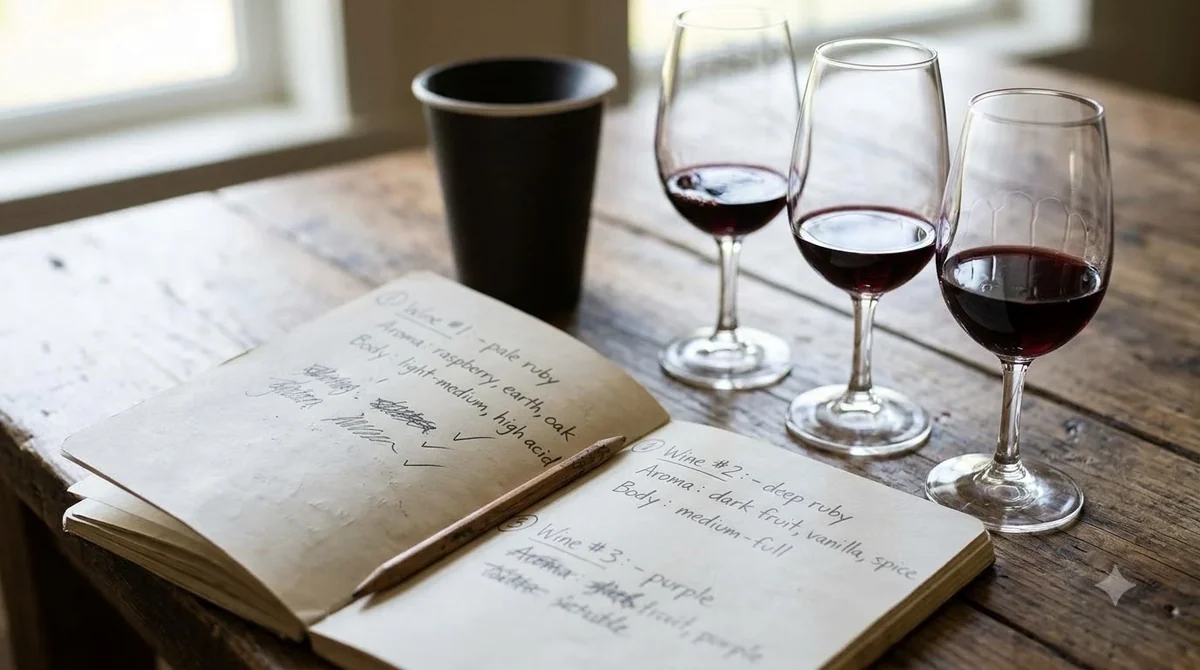
Dark fruit provides the foundation of the aromatic profile. Blackberries and black currants are particularly recognizable, often accompanied by ripe cherry and plum-like impressions. These aromas suggest a warm-climate Cabernet style in which fruit concentration plays an important role. Depending on the vintage, the fruit can resemble fresh blackberries, preserved cherries, or a darker berry compote.
Oak contributes another important layer. Vanilla, clove, nutmeg, toasted wood, and cocoa-like aromas complement the fruit without necessarily overpowering it. Some vintages show more pronounced caramel or chocolate impressions, creating a rounded aromatic profile that appeals to drinkers who enjoy generous California reds.
The palate generally follows the nose. Blackberry, black cherry, and cassis establish the main flavors, followed by secondary impressions of vanilla, cedar, mocha, and warm spices. The texture is full and substantial, with polished tannins that give the wine structure while allowing its fruit to remain prominent.
The finish is typically long and fruit-driven, with oak spices lingering after the initial berry flavors fade. Depending on the vintage, the final impression can lean toward vanilla, nutmeg, chocolate, or toasted wood.
Three recognizable flavor groups
- Dark fruit: Blackberry, black currant, black cherry, and ripe plum.
- Oak and baking spices: Vanilla, clove, nutmeg, cedar, and toasted wood.
- Secondary impressions: Mocha, cocoa, caramel, coffee, and occasional earthy nuances.
These categories are useful when evaluating the wine because they separate fruit character from oak influence. If blackberry and cherry dominate, the wine may seem particularly fruit-forward. If vanilla, clove, and toasted notes become more noticeable, the oak character may be more prominent in that particular vintage.
For a broader comparison of California Cabernet styles, caymus cabernet tasting notes provide another useful reference point for understanding ripe fruit, oak, and approachable tannin structures.
How the Aroma, Fruit, and Texture Develop
The wine’s character becomes clearer as it moves from the first aroma to the middle of the palate and finally the finish. Its dark-fruit concentration arrives early, oak and spice become more apparent as the wine develops, and polished tannins provide the structure that holds everything together.
On the initial nose, black currant and blackberry generally lead. These aromas can be accompanied by black cherry, violet, and dried spices. Swirling the wine gently in the glass releases additional aromatic compounds, making vanilla, cedar, and mocha easier to recognize.
The first sip often emphasizes ripe fruit and body. Blackberry and cherry flavors spread across the palate, while the wine’s texture creates a dense, rounded sensation. The acidity helps prevent the fruit concentration from becoming completely heavy, and the tannins provide a drying sensation along the gums and inside the cheeks.
The middle palate is where oak influence becomes particularly interesting. Vanilla, clove, nutmeg, and toasted coffee can emerge alongside the fruit. In some vintages, these flavors resemble dark chocolate or caramel, adding an impression of richness without necessarily making the wine sweet.
The finish brings the main components together. Fruit may remain noticeable for several moments, followed by a combination of spice, oak, and gentle tannic grip. This progression makes the wine suitable for slow sipping alongside a meal rather than serving exclusively as a casual pre-dinner drink.
How to identify the different sensations
Fruit sweetness and actual sugar sweetness are not the same thing. A Cabernet Sauvignon can smell like ripe cherries, vanilla, or caramel while still being technically dry. The impression of sweetness often comes from concentrated fruit aromas and oak-derived flavors rather than a high residual-sugar level.
Pay attention to the difference between acidity and tannin, too. Acidity creates a mouthwatering sensation, while tannins produce a drying or gripping sensation. Austin Hope combines these elements with ripe fruit, making its structure feel more rounded than the firmest examples of Cabernet Sauvignon.
Vintage Differences and Winemaking Details
Austin Hope Cabernet Sauvignon maintains a recognizable house style, but vintage conditions and cellar decisions influence the wine’s precise flavor balance. Comparing the 2020, 2021, and newer releases illustrates how fruit concentration, oak spice, alcohol, and tannin expression can vary.
The 2020 vintage received 94 points from Wine Enthusiast. Reviewer Matt Kettmann identified black-cherry compote, caramel, and clove on the nose, followed by smooth tannins, fudge, additional fruit-compote flavors, and a gingerbread-like finish. These characteristics emphasize the wine’s generous fruit and dessert-spice impressions.
The 2021 vintage received 92 points from Wine Enthusiast. Its review emphasizes oak spice, blackberry, black cherry, root beer spices, vanilla, and nutmeg. Compared with the 2020 description, the 2021 review places more attention on the relationship between oak-derived spice and the wine’s dark-fruit flavors.
The 2023 producer information describes a dark ruby wine with black currant, ripe cherry, blackberry, violet, mocha, and dried spices. Its palate combines olallieberry and cherry with cedar, clove, nutmeg, and vanilla bean. These notes demonstrate the continuity of the brand’s fruit-forward, oak-influenced approach.
The producer’s website explains that Austin Hope released its first Cabernet Sauvignon in 2017, following years of exploration. The label had originally concentrated on Rhône varieties, and the Cabernet became an important expression of the winery’s identity in Paso Robles.
For additional background on the producer and its Cabernet program, visit the official Austin Hope wine collection.
Comparing representative vintages
| Vintage | Wine Enthusiast score | Notable tasting characteristics | Alcohol |
|---|---|---|---|
| 2020 | 94 points | Black cherry, caramel, clove, fudge, gingerbread | 15% |
| 2021 | 92 points | Blackberry, black cherry, root beer spice, vanilla, nutmeg | 15% |
| 2022 | 91 points | Caramel, black cherry, chai, strawberry preserve, vanilla | 15% |
The scores and descriptions in this comparison refer to individual vintage reviews, not a permanent rating for every bottle carrying the Austin Hope name. The 2022 vintage, for example, was described as dense and particularly rich, with caramel and chai aromas and a bold palate featuring strawberry preserve and vanilla.
Alcohol levels also deserve attention. The reviewed 2020, 2021, and 2022 bottles each list 15% alcohol by volume. Other producer and wine-profile information may identify different bottlings at 14.5%, so alcohol should be evaluated by the specific release rather than assumed to be identical across the entire range.
Body, Acidity, Tannins, and Sweetness
Austin Hope Cabernet Sauvignon is generally a full-bodied, dry red with high Cabernet-style tannin potential, noticeable fruit concentration, and enough acidity to balance its substantial texture. Its polished tannins make the structure approachable, but the wine still has the grip expected from Cabernet Sauvignon.
Body: The wine feels substantial rather than light. Its concentration of dark fruit, oak influence, and tannin structure creates a broad palate impression. This is a style that can stand alongside flavorful dishes without disappearing behind their seasoning or richness.
Acidity: Acidity provides freshness and balance. Although the wine is not as sharply acidic as Sauvignon Blanc or many Rieslings, its fresh fruit character and acidity help prevent the full body from feeling entirely flat. The contrast is especially useful with fatty meats.
Tannins: Cabernet Sauvignon is naturally a high-tannin grape. Austin Hope generally presents its tannins in a polished, rounded style, but the drying sensation remains important. This structure contributes to the wine’s compatibility with protein-rich foods and rich meat dishes.
Sweetness: The wine is best understood as a dry red rather than a sweet wine. Ripe fruit, vanilla, caramel, and chocolate-like impressions can create a sweet-seeming sensation, but aromatic richness does not automatically indicate high residual sugar.
The distinction matters when choosing food. A dish with noticeable sweetness can make a dry Cabernet taste more bitter or acidic. Conversely, salt and fat can soften the perception of tannins, which explains why a well-seasoned steak is often a more successful match than a delicate, lightly seasoned vegetable dish.
Tip: If the wine seems particularly firm or oaky when first opened, allow it to breathe for 30 to 60 minutes. Revisit the glass afterward and compare how the blackberry, vanilla, and spice aromas have developed.
For drinkers who prefer a somewhat softer red-wine structure, comparing Cabernet with Merlot can be helpful. Merlot generally has medium, softer tannins, while Cabernet Sauvignon has a firmer framework. Pinot Noir usually offers lower-to-medium tannins and higher acidity, making it a lighter alternative.
Best Food Pairings for Austin Hope Cabernet Sauvignon
The best food pairings emphasize savory flavors, protein, fat, and moderate seasoning. Ribeye, grilled lamb, smoked brisket, beef ribs, and aged cheddar are particularly suitable because their richness complements the wine’s concentrated fruit and firm tannin structure.
Ribeye steak: Ribeye is a classic match because its marbling supplies fat that softens the perception of tannins. A grilled steak with cracked black pepper, salt, and rosemary also complements the wine’s black fruit, cedar, and spice notes. Medium-rare to medium preparations preserve the meat’s juiciness and make the pairing especially satisfying.
Smoked brisket: Brisket brings concentrated savory flavors and a rich texture. The wine’s blackberry and black-cherry character provides contrast, while its oak and baking-spice impressions work alongside the smoke. Choose a moderately sweet barbecue sauce rather than one dominated by sugar.
Lamb chops: Grilled lamb with rosemary, garlic, and black pepper is another excellent option. Lamb’s rich flavor stands up to the Cabernet’s body, while herbal seasoning complements its cedar and spice characteristics.
Beef short ribs: Slow-braised short ribs create a particularly satisfying match. Their gelatin-rich texture and concentrated savory sauce provide enough richness to balance the wine’s tannins. A sauce based on beef stock, herbs, and mushrooms is preferable to an excessively sweet glaze.
Aged cheese: Cheddar, aged Gouda, and other firm cheeses offer salt, fat, and concentrated savory flavors. These characteristics soften the wine’s tannic impression and create an appealing contrast with its fruit. A small cheese board with walnuts and plain crackers can work well for a relaxed tasting.
Food pairing comparison
| Dish | Why it works | Preparation suggestion |
|---|---|---|
| Ribeye | Fat softens tannins | Grilled with salt and pepper |
| Smoked brisket | Rich meat complements dark fruit | Moderately sweet barbecue sauce |
| Lamb chops | Protein and savory flavor balance structure | Rosemary and garlic |
| Beef short ribs | Rich texture complements full body | Slow-braised with herbs |
| Aged cheddar | Salt and fat soften tannins | Serve at room temperature |
Some dishes require more care. Strong chili heat can become more aggressive alongside a wine with substantial alcohol and tannins. Similarly, oily fish such as sardines or salmon can be difficult matches for tannic Cabernet Sauvignon. A lighter Pinot Noir or a white wine with appropriate acidity is often a better choice for those meals.
If you enjoy comparing California Cabernet Sauvignon alongside other producers, daou cabernet tasting notes offer another perspective on the Paso Robles style. You can also explore freakshow cabernet tasting notes to understand how different producers approach ripe fruit, oak, and tannin expression.
Serving Temperature, Glassware, and Decanting
Austin Hope Cabernet Sauvignon generally shows best when served slightly below typical room temperature, around 60 to 65 degrees Fahrenheit. A large Bordeaux-style glass and a short period of aeration help reveal the wine’s dark fruit, oak, and spice characteristics.
Serving temperature matters because warmth makes alcohol more noticeable and can cause a full-bodied wine to feel heavier. If the bottle has been stored in a warm room, place it in the refrigerator briefly before pouring. The goal is to cool the wine gently rather than serve it excessively cold.
A temperature of approximately 60 to 65 degrees Fahrenheit provides a useful starting point. At the cooler end, the tannins and acidity may seem more prominent, while a slightly warmer serving temperature can make the fruit and oak aromas appear more expressive.
Glassware also influences the experience. A large-bowled Bordeaux glass gives the wine room to move when swirled and directs its aromas toward the nose. A standard red-wine glass can also work, but a larger bowl is particularly useful for a concentrated Cabernet Sauvignon.
Should you decant it?
Young, full-bodied Cabernet Sauvignon generally benefits from 30 to 60 minutes of decanting. This period allows oxygen exposure to soften the initial impression of oak and tannins and makes the fruit aromas easier to identify.
Decanting does not transform the wine or guarantee that every vintage will become softer. It simply gives the wine additional air. Taste a small pour immediately after opening, then compare it with another pour after 30 minutes to understand whether additional aeration improves the balance.
For an older bottle, a gentler approach is preferable. Extended exposure to oxygen can cause mature wine to lose delicate aromas. If sediment is present, carefully transferring the clear wine into a decanter while leaving the sediment behind may be more important than prolonged aeration.
Storage and serving checklist
- Serving temperature: 60 to 65 degrees Fahrenheit.
- Glassware: Large-bowled Bordeaux or Cabernet glass.
- Young-wine decanting: Approximately 30 to 60 minutes.
- Serving portion: Around 5 ounces per glass.
- Standard bottle: 750 ml, approximately five standard pours.
- Long-term storage: On its side, away from direct sunlight, near 55 degrees Fahrenheit.
After opening, refrigerate the remaining wine and use a suitable closure. Most opened still wines retain their best qualities for approximately three to five days when refrigerated. Bring the next serving toward the recommended temperature before drinking.
How Austin Hope Compares With Other Cabernet Sauvignon Styles
Austin Hope occupies a recognizable position among California Cabernet Sauvignons: fruit-forward, full-bodied, oak-influenced, and relatively approachable in texture. Its style differs from wines that emphasize more restrained fruit, firmer tannins, or a more pronounced savory character.
Its connection to Paso Robles is important when understanding this profile. Hope Family Wines describes the region’s soils, maritime climate, and diversity as central elements of the wine’s identity. Austin Hope’s Cabernet program was introduced after the producer had already established experience with Rhône varieties.
Cabernet Sauvignon from different California regions can produce substantially different impressions. Some Napa Valley examples emphasize cassis, cedar, firm tannins, and structured aging potential. Paso Robles examples, including Austin Hope, can emphasize ripe blackberry, cherry, and generous fruit concentration while retaining the structure associated with Cabernet Sauvignon.
Comparisons with other Paso Robles producers can reveal differences in oak treatment and fruit expression. Some bottles show more obvious vanilla and mocha, while others place greater emphasis on dark berries, herbs, or firm tannins. These differences reflect winemaking choices and vineyard sources rather than a universal regional formula.
Within the Austin Hope range, the Reserve Cabernet Sauvignon represents a distinct selection. The producer describes it as coming from specially selected barrels and returning to 100% new French oak for extended aging. This treatment distinguishes it from the standard Cabernet Sauvignon and suggests a more oak-focused, concentrated presentation.
For a fair comparison, taste two wines at the same temperature and use similar glassware. Pour approximately 3 ounces of each wine, observe their aromas, and compare their mid-palate texture and finish. Pay attention to fruit concentration, tannin firmness, acidity, and how strongly oak flavors appear.
For additional information on producers and different wine styles, the Wine Brands section provides a starting point for exploring more Cabernet Sauvignon labels and their individual characteristics.
Frequently Asked Questions
Is Austin Hope Cabernet Sauvignon made entirely from Cabernet Sauvignon grapes?
The producer’s standard Cabernet Sauvignon bottlings have used different compositions across their releases. For example, the 2023 producer information identifies an 80% Cabernet Sauvignon blend with Petite Sirah, Merlot, Petit Verdot, and Malbec. Individual vintage composition therefore matters when distinguishing the wine from a strictly varietal bottling.
Where can you visit the Austin Hope winery?
Austin Hope is part of Hope Family Wines in Paso Robles, California. The producer lists its winery address as 1585 Live Oak Road, Paso Robles, California 93446. Visitors should confirm current tasting arrangements and availability directly with the winery before planning a visit.
Who is the winemaker behind Austin Hope Cabernet Sauvignon?
Austin Hope is the owner-winemaker associated with the namesake wine label. He took over leadership of the family business in 1995 and established the Austin Hope label in 2000. The first Cabernet Sauvignon under the label followed in 2017.
What is the difference between Austin Hope Cabernet Sauvignon and Austin Hope Reserve?
The standard Cabernet Sauvignon represents the producer’s signature Paso Robles Cabernet expression. The Reserve is a more limited selection made from specially chosen barrels, with the producer specifying 100% new French oak for extended aging. This difference in barrel selection and oak treatment distinguishes the two releases.
Can Austin Hope Cabernet Sauvignon be kept for several years?
Its full body, tannins, and concentration make it a candidate for cellaring, although the ideal drinking period depends on vintage and storage conditions. Consistent temperatures near 55 degrees Fahrenheit, protection from sunlight, and appropriate humidity help preserve the wine. A bottle stored in a cool, stable cellar generally has better aging prospects than one exposed to repeated temperature fluctuations.
Austin Hope Cabernet Sauvignon is a strong choice for drinkers who appreciate ripe dark fruit, polished tannins, warm oak spices, and a full-bodied California red. Its blackberry, black cherry, vanilla, and mocha characteristics make it particularly enjoyable alongside steak, lamb, brisket, and aged cheese. Serving it at 60 to 65 degrees Fahrenheit and allowing a young bottle 30 to 60 minutes of aeration provides a practical starting point for appreciating its distinctive Paso Robles character.
More in Wine Brands
 Louis Latour Wine Price: Compare Bottles by Style and TierUpdated Nov 20, 2026
 Yellow Tail Moscato Price: What to Expect Before You BuyUpdated Nov 20, 2026
 Sutter Home Sweet Red Review: Find the Right Food PairingsUpdated Nov 20, 2026
 Franzia Chillable Red Review: Find the Right Serving StyleUpdated Nov 20, 2026
 Veuve Clicquot Rose Review: Flavor, Food Pairings and Buying AdviceUpdated Nov 20, 2026
 Rombauer Wine Price: Compare Bottles Before You BuyUpdated Nov 20, 2026