


We may earn a commission when you buy through links on this page, at no extra cost to you. Learn more.
Caymus Cabernet tasting notes typically feature ripe blackberry, dark cherry, cassis, plum, vanilla, cocoa, and a plush, full-bodied texture. This Napa Valley Cabernet Sauvignon is known for concentrated fruit, rounded tannins, and a smooth, generous finish. Its relatively restrained perception of acidity and ripe fruit character make it approachable compared with more austere Cabernet styles. The exact balance of fruit, oak, tannin, and alcohol varies with the vintage.
Caymus Vineyards has developed a recognizable identity among American Cabernet Sauvignon drinkers through its rich, fruit-forward approach. Produced in Rutherford, California, the winery emphasizes ripe grapes, concentrated flavors, and a texture that can be enjoyable without extensive bottle aging. Understanding the wine’s aromas, palate, structure, and serving requirements helps explain why it attracts such a loyal following, while also clarifying whether its style suits your preferences.
Appearance and Aromas: Dark Fruit, Vanilla, and Cocoa
Caymus Cabernet Sauvignon generally opens with a deep ruby to dark garnet appearance and an expressive bouquet of ripe black fruit. Blackberry, black cherry, cassis, and dark plum form the central aromatic profile, while vanilla, cocoa, and baking spice add depth.

Its dark appearance reflects the concentrated character associated with ripe Cabernet Sauvignon. When the wine is poured into a clear glass, expect a rich red-purple center that may appear almost opaque, particularly in a young bottle. A narrow garnet or ruby rim can become more noticeable as the wine develops with age. The intensity of the color depends on the vintage, bottle age, and individual production characteristics.
Blackberry is one of the most recognizable aromas associated with this style. It can suggest fresh ripe berries in some bottles and blackberry preserves or jam in others. Dark cherry contributes a rounder fruit impression, while cassis introduces a slightly more concentrated blackcurrant character. Plum can add a softer, almost juicy dimension that connects the fruit aromas with the wine’s full-bodied palate.
Oak-related aromas provide another important part of the experience. Vanilla, toasted wood, cocoa, and sometimes mocha can appear alongside the fruit. These characteristics are particularly noticeable when the wine is served slightly below room temperature and given a few minutes to open in the glass.
Wine Enthusiast’s review of the 2014 Caymus Napa Valley Cabernet Sauvignon identified marshmallow, vanilla, and cherry characteristics, awarding the wine 90 points. The review illustrates how the winery’s generous style can extend beyond straightforward black-fruit aromas into sweeter-smelling dessert-like impressions.
Not every vintage will show the same combination. A younger bottle may emphasize fresh blackberry and dark cherry, whereas an older bottle can gradually develop more integrated aromas. Leather, tobacco, dried fruit, and cedar may become more noticeable as primary fruit characteristics evolve.
It is also important to distinguish an aroma that smells sweet from a wine that actually contains substantial residual sugar. Ripe fruit, vanilla, and cocoa can create a sweet impression even when the wine is technically dry. Caymus’s recognizable fruit expression should therefore be evaluated through both aroma and palate rather than fragrance alone.
Palate and Texture: Rich Fruit With Rounded Tannins
The palate is where Caymus Cabernet Sauvignon establishes much of its identity. Expect a full-bodied red with concentrated dark fruit, substantial weight, a rounded texture, and tannins that generally feel softer than those in more firmly structured Cabernet Sauvignon styles.
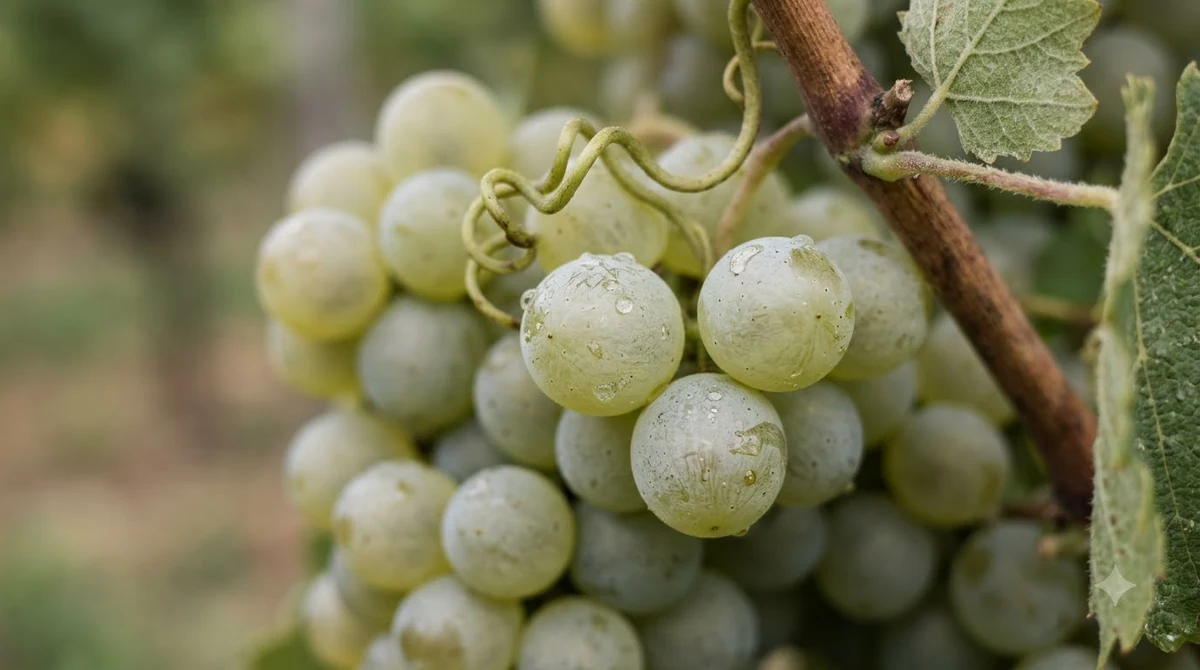
The first impression commonly centers on ripe blackberry, black cherry, cassis, and plum. These flavors spread across the middle of the palate, creating a broad sensation of fruit concentration. Cocoa and vanilla can follow, with subtle toasted oak and baking spice adding another layer. Depending on the vintage, the fruit may feel closer to fresh berries or to concentrated preserves.
Texture is especially important when evaluating this wine. Cabernet Sauvignon naturally contains considerable tannin, but Caymus is recognized for presenting that structure in a relatively rounded manner. Instead of producing an aggressively drying sensation, the tannins often feel integrated with the ripe fruit and substantial body.
This does not mean the wine is tannin-free. A young bottle can still create a noticeable grip around the gums and sides of the tongue. The distinction is that its ripe fruit character and soft-textured presentation can make that structure feel less demanding than the firmer tannins associated with some traditional Bordeaux-style Cabernet Sauvignons.
VinePair’s assessment of the 2022 50th Anniversary bottling described a plush, fruit-forward palate with dark fruit and oak accents. The publication also noted that initially grippy tannins quickly dissipated. Its review of the 2022 Caymus anniversary Cabernet provides a useful vintage-specific example of how the winery’s signature style combines noticeable structure with an approachable overall impression.
Acidity generally plays a supporting role rather than dominating the experience. The wine’s ripe fruit and broad texture make it feel rounder and less sharply refreshing than high-acid reds. Nevertheless, acidity remains important because it helps balance the richness and keeps the finish from becoming entirely heavy.
The finish can bring lingering blackberry, dark cherry, cocoa, vanilla, and mild oak spice. Alcohol warmth may also become noticeable, particularly when the wine is served too warm. A measured serving temperature helps maintain the relationship between fruit concentration, tannin, and overall balance.
Sweetness, Acidity, Tannins, and Alcohol Explained
Caymus Cabernet Sauvignon is generally best understood as a dry red wine with pronounced ripe-fruit flavors and a sweet impression on the nose and palate. Its alcohol, tannins, and acidity contribute to a substantial drinking experience, but none should be confused with actual residual sugar.
The distinction between sweetness and fruit ripeness is particularly important. Blackberry jam, ripe plum, vanilla, and cocoa can resemble flavors associated with sweet foods. However, a wine can have these characteristics while remaining dry in its technical classification. Without a verified residual-sugar figure for an individual bottle, it is better not to assign it a precise sugar concentration.
Cabernet Sauvignon is naturally a high-tannin grape variety. Caymus presents this structure through ripe fruit and relatively rounded texture, although the level of grip can change between vintages and with bottle age. For drinkers who prefer firm, austere reds, its softer presentation may seem less traditional.
Acidity is generally moderate in perception rather than aggressively sharp. It helps balance the wine’s concentration, but Caymus does not usually deliver the crisp, mouthwatering sensation associated with varieties such as Sauvignon Blanc or Riesling. This balance is one reason it works particularly well with rich, savory dishes.
Alcohol is another consideration. Wine Enthusiast recorded 14.8% ABV for the 2014 Napa Valley Cabernet, while VinePair reported 14.6% ABV for the 2022 anniversary bottling. These figures belong to different wines and vintages, rather than establishing a fixed alcohol level for every Caymus Cabernet.
| Characteristic | Typical impression | What it means in the glass |
|---|---|---|
| Body | Full-bodied | Broad, substantial palate weight |
| Tannin | Moderate to high | Noticeable structure with rounded texture |
| Acidity | Moderate in perception | Balances ripe fruit and richness |
| Fruit character | Concentrated | Blackberry, cassis, cherry, and plum |
| Oak character | Noticeable | Vanilla, cocoa, and toasted spice |
| Alcohol | Vintage-dependent | Can contribute warmth and body |
| Sweetness | Dry with ripe-fruit impressions | Fruit intensity can suggest sweetness |
The table describes the general sensory style rather than guaranteeing identical measurements for every release. Vintage conditions, vineyard sourcing, bottle development, and serving temperature can all affect the final impression.
For a broader comparison, Austin Hope Cabernet tasting notes offer another useful reference point for understanding the appeal of concentrated California Cabernet Sauvignon. Comparing the fruit intensity, oak expression, and tannin structure of different producers can help identify which style best matches your preferences.
Winemaking Style and the Caymus Napa Valley Identity
Caymus Cabernet Sauvignon reflects a deliberate emphasis on ripe fruit, concentration, and approachable texture. The winery’s vineyard practices and barrel selection contribute to a recognizable style that differs from more restrained expressions of Napa Valley Cabernet.
Caymus Vineyards was established in 1972 by Chuck Wagner and his parents, Lorna and Charlie Wagner Sr. Its home is in Rutherford, in the central part of Napa Valley. The winery initially produced 240 cases of Cabernet Sauvignon, and Cabernet remains central to its identity.
According to the producer, its Cabernet grapes come from low-fertility soils on both the Napa Valley floor and surrounding mountains. The winery identifies several vineyard practices as important to its style, including some dry farming, high-density planting, crop thinning, and harvesting at elevated ripeness.
These details help explain why the finished wine tends to emphasize concentration rather than a particularly lean or restrained expression. Ripe grapes can contribute generous fruit aromas, deeper flavor impressions, and a softer perception of acidity. Vineyard selection and crop management also influence the balance between concentration and structure.
One interesting feature of Caymus is its attention to consistency. The winery aims to maintain recognizable characteristics across different harvests, although no two vintages are identical. Weather conditions, grape maturity, vineyard sourcing, and winemaking decisions can all influence the final blend.
Chuck Wagner has described the desired Caymus character as supple, round, dark, rich, and tannic without bitterness. This description aligns with the sensory profile reported by independent wine publications, especially their observations of concentrated fruit and a relatively soft palate.
Oak is another important part of the style. Vanilla, cocoa, and toasted spice can complement the dark fruit without necessarily dominating it. The winery’s 2022 anniversary tasting notes specifically mention evidence of French oak, while emphasizing that the wood character is not overplayed. The official Caymus 2022 anniversary tasting notes also describe rich, round texture, non-bitter tannins, and acidity that provides balance without tasting tart.
For readers exploring other recognizable California producers, DAOU Cabernet tasting notes provide another perspective on ripe fruit, oak influence, and Cabernet structure. These comparisons are useful because California Cabernet Sauvignon is not a single uniform style, even when two wines share a full-bodied profile.
Caymus Cabernet Sauvignon vs. Special Selection
Caymus Napa Valley Cabernet Sauvignon and Caymus Special Selection share a family resemblance, but they represent different selections within the winery’s portfolio. The standard Napa Valley bottling establishes the signature fruit-forward style, while Special Selection comes from barrels chosen by the winery as its strongest examples.
The standard Cabernet Sauvignon is associated with dark fruit, ripe tannins, a generous palate, and an approachable character. Blackberry, cassis, cherry, vanilla, and cocoa are useful reference points when describing its general flavor profile. Its structure provides enough substance for aging while allowing enjoyment relatively early in its development.
Special Selection is not simply another name for the standard Cabernet. According to Caymus, the winery sets aside its best Napa Valley Cabernet Sauvignon barrels to create this separate bottling. That selection process gives the wine its distinct position within the producer’s range.
Wine Enthusiast’s review of the 2014 Special Selection Cabernet Sauvignon awarded it 90 points and described a powerful, full-bodied wine with brawny tannins, mild acidity, chocolate, mocha, caramel, and generous red fruit. Those notes illustrate how the selected-barrel wine can emphasize a more substantial structure while retaining the family’s recognizable richness.
The difference should not be reduced to the assumption that Special Selection is automatically more enjoyable. A drinker’s preference depends on whether they value the familiar fruit-forward character of the standard Cabernet or the more powerful structure described in reviews of selected vintages.
It is also important to separate the Napa Valley bottling from Caymus California Cabernet Sauvignon. The California Cabernet was introduced with the 2021 vintage and uses fruit sourced from different areas throughout the state. The winery describes it as supple, dark, and rich, but it is a distinct wine with a broader geographic designation.
Understanding the label therefore matters. Napa Valley identifies a specific wine-growing region, while California covers a much wider sourcing area. Special Selection, meanwhile, identifies a particular barrel-selection approach within Caymus’s Napa Valley Cabernet production.
These distinctions are especially useful when comparing bottles in a wine collection or selecting a gift. The name Caymus alone does not establish that two bottles have identical origins, selection criteria, or sensory characteristics.
Best Food Pairings for Caymus Cabernet Sauvignon
Caymus Cabernet Sauvignon pairs particularly well with rich meats, grilled dishes, savory sauces, and foods containing enough fat or protein to complement its tannins. Its concentrated dark fruit and rounded structure make it a natural companion for classic steakhouse dishes.
Grilled steak and beef: Ribeye, New York strip, filet mignon, and grilled sirloin are strong choices. The protein and fat in beef soften the wine’s tannin perception, while charred surfaces complement the darker fruit and toasted oak characteristics. A ribeye with black pepper and rosemary provides a particularly satisfying combination.
Braised short ribs: Slow-cooked beef short ribs work well because their rich texture matches the wine’s substantial body. A sauce based on beef stock, mushrooms, and herbs adds savory depth without overwhelming the fruit. The wine’s blackberry and cassis characteristics can also complement the slight sweetness that develops during long braising.
Lamb: Grilled lamb chops and roasted lamb shoulder are suitable options. Rosemary, thyme, garlic, and black pepper provide aromatic connections with the wine’s darker fruit and spice notes. Lamb’s richness also helps soften the sensation of Cabernet tannins.
Roasted pork: Herb-crusted pork tenderloin or slow-roasted pork shoulder can work particularly well when prepared with savory rather than strongly sweet seasoning. The meat’s texture complements the full-bodied wine, while herbs provide a counterpoint to vanilla and cocoa impressions.
Mushrooms and aged cheese: Roasted portobello mushrooms, mushroom risotto, aged cheddar, and mature Gouda offer alternatives to red meat. Their savory flavors and substantial textures can support the wine’s concentration. Cheese also provides fat and salt, which can make tannins seem softer.
Some combinations require more care. Very spicy chili dishes can make alcohol warmth and tannin feel more pronounced. Oily fish such as salmon or sardines can also be difficult partners for a highly structured Cabernet, particularly when the preparation lacks enough richness or savory depth to balance the wine.
Acidity matters as well. If a dish contains a strongly acidic sauce, such as a sharp tomato reduction or vinegar-based dressing, the food can make the wine seem flatter. A richer preparation with balanced acidity is generally more suitable.
Dessert requires a different approach. A dry Cabernet is usually not the best match for very sweet chocolate cake or fruit desserts because the sugar can make the wine taste more bitter and astringent. For a chocolate pairing, a moderately sweet dark-chocolate preparation may work better than an intensely sugary dessert, although the overall match remains more demanding than pairing the wine with savory food.
Tip: For a reliable dinner pairing, serve Caymus Cabernet with a grilled ribeye, roasted mushrooms, and rosemary-seasoned potatoes. The beef’s fat and protein soften tannins, while the mushrooms echo the wine’s savory and earthy characteristics.
For a more casual California comparison, Freakshow Cabernet tasting notes can help illustrate how different producers approach ripe fruit, tannins, and oak. Exploring these profiles alongside Caymus makes it easier to select a wine that complements a particular menu rather than relying on grape variety alone.
Serving Temperature, Decanting, and Storage
Caymus Cabernet Sauvignon is best served slightly cooler than typical indoor room temperature, generally around 60–65 degrees Fahrenheit. This temperature range helps preserve the wine’s fruit aromas while preventing alcohol warmth from becoming too prominent.
Serving temperature makes a substantial difference with full-bodied Cabernet. At warmer temperatures, alcohol can seem more pronounced, and the fruit may appear heavier. At excessively cold temperatures, tannins can feel firmer and the aromatic profile becomes less expressive.
A practical approach is to place the bottle in a refrigerator for approximately 15–25 minutes before serving if it has been stored at a typical room temperature. The precise cooling time depends on the bottle’s starting temperature and the refrigerator’s settings. A wine thermometer can help maintain consistency when serving several bottles.
Decanting is optional rather than essential. A young, full-bodied bottle may benefit from approximately 30–60 minutes of aeration before drinking. This exposure to oxygen can help the aromas become more expressive and allow the initial impression of tannin to soften.
For a bottle that already smells open and balanced immediately after pouring, extended decanting may not add much. Pouring a small sample first is a useful way to judge whether the wine needs additional air. If the aromas initially seem closed, a decanter can provide more surface exposure than leaving the bottle open.
Older bottles require a little more care. Their sediment may need to be separated from the clear wine during decanting. Rather than automatically giving an older bottle an hour of air, assess its condition and aromatic development as it is poured.
For longer storage, keep bottles in a stable environment near 55 degrees Fahrenheit, away from direct sunlight and major temperature fluctuations. Bottles with natural cork closures are generally stored on their sides to maintain contact between the wine and cork.
Temperature stability is more important than constantly moving a bottle between different locations. A dark wine cabinet or suitable wine refrigerator can provide a more consistent environment than a kitchen shelf or cupboard near an oven.
Once opened, recork the bottle and place it in the refrigerator. Most still wines remain enjoyable for approximately three to five days under appropriate storage conditions, although the exact period depends on oxygen exposure, age, and the wine’s original condition. Allow a refrigerated bottle to warm slightly before pouring the next glass.
A standard 750-milliliter bottle provides approximately five servings when poured at 5 ounces each. This serving size is useful when planning a dinner for several guests or estimating how many bottles are required for a meal.
For additional guidance on organizing a wine collection, the Wine Brands section provides a useful starting point for exploring producers, grape varieties, and different regional styles.
Frequently Asked Questions
Is Caymus Cabernet Sauvignon made from 100% Cabernet Sauvignon?
The wine is identified as Cabernet Sauvignon, but the grape variety name alone does not establish the exact blend composition of every vintage. US labeling regulations generally allow limited amounts of other grape varieties in a wine labeled with a single varietal name. The precise composition should be distinguished from the general Cabernet-focused identity of the producer.
What does the name Caymus mean?
The name is connected to the historical Rancho Caymus land grant in Napa Valley. The name of the winery is therefore not simply a reference to the Wagner family surname. Its history is tied to the earlier geographic identity of the region surrounding Yountville.
Is Caymus Cabernet suitable for someone new to red wine?
Its ripe fruit, rounded texture, and relatively approachable tannin presentation can make it accessible to people beginning to explore full-bodied reds. However, its substantial body and alcohol can still feel intense to someone accustomed to lighter wines. Starting with a smaller pour and allowing the wine to breathe can make the experience easier to assess.
Does Caymus Cabernet Sauvignon need several years of bottle aging?
No, extended aging is not a requirement for enjoying the wine. Caymus specifically describes its Napa Valley Cabernet as approachable from release while retaining sufficient structure for longer bottle development. Individual bottles can evolve differently depending on vintage and storage conditions.
Why do different Caymus vintages sometimes taste noticeably different?
Growing-season temperatures, rainfall, harvest timing, vineyard sourcing, and blending decisions can influence the final flavor profile. Changes in bottle age also affect the relationship between fresh fruit, oak, and developed aromas. The winery seeks a recognizable house style, but that does not mean every vintage tastes identical.
Caymus Cabernet Sauvignon is a distinctive Napa Valley red for drinkers who appreciate ripe blackberry, dark cherry, vanilla, concentrated fruit, and rounded tannins. Its generous style makes it particularly suitable for steak, lamb, braised beef, and other richly flavored dishes. Understanding its serving temperature, structure, and vintage differences will help you appreciate what makes this recognizable California Cabernet appealing.
More in Wine Brands
 Underwood Wine Price: Compare Bottles, Cans, and Pack SizesUpdated Nov 21, 2026
 Zenato Wine Price: Compare Styles and Choose the Right BottleUpdated Nov 21, 2026
 Zuccardi Wine Price: Compare Bottles and Find the Right RangeUpdated Nov 21, 2026
 Yellow Tail Moscato Review: Taste, Sweetness and Serving TipsUpdated Nov 21, 2026
 Wolf Blass Yellow Label Review: Choose Your Best StyleUpdated Nov 21, 2026
 Wolffer Estate Rose Review: Choose the Right Bottle for Your TableUpdated Nov 21, 2026