

We may earn a commission when you buy through links on this page, at no extra cost to you. Learn more.
Alexander Valley wine comes from a warm, inland stretch of northern Sonoma County, and it is best known for Cabernet Sauvignon. Most of the valley’s wineries sit around Healdsburg and Geyserville, along U.S. Route 101 and Highway 128. The area is one of the largest grape-growing zones in the county, and its reds tend to show ripe dark fruit, firm structure and a rounder texture than wines from cooler coastal valleys.
This guide explains where Alexander Valley is, why its climate suits red grapes, what the wines usually taste like, and how to serve and buy them. If you are new to American wine regions, it helps to know that “Alexander Valley wine” is not a single style. It is a place-name that tells you where the grapes grew, and the winemaker decides the rest.
Where Alexander Valley Sits in Sonoma County
Alexander Valley is one of the many American Viticultural Areas (AVAs) inside Sonoma County. The valley runs through much of the towns of Healdsburg and Geyserville, so most of its tasting rooms and production facilities are easy to reach from the main road corridors. The Sonoma County tourism and wine office describes the area’s boundaries and wine areas in its guide to Sonoma County wine areas, which is a useful starting point if you want to compare it with neighboring districts.
Its neighbor to the southeast, Knights Valley, begins only a few miles away, so visitors often see both on the same day. The two districts share a warm inland character but produce wines with slightly different personalities, so it is worth reading the back label or the producer’s notes to see which district is named.
Climate and Why It Matters for the Grapes
The valley is considered a warm growing area, and that warmth shapes almost everything about the wines. Grapes ripen more fully here than in cooler coastal zones, which gives the fruit higher sugar and deeper flavor. Winemakers in warm inland districts often talk about balancing that ripeness with acidity, because sugar and alcohol can climb quickly when the weather is hot.
Good vineyard sites therefore depend on small details such as elevation, slope, soil drainage and exposure to cooling afternoon breezes. Two vineyards only a few miles apart can produce noticeably different wines, which is one reason Alexander Valley producers frequently bottle single-vineyard or estate wines alongside broader blends.
Growers also watch the weather year by year. A cool spring can delay flowering, while a long, dry summer can push ripening to a late harvest. Those swings are part of why the same producer’s Cabernet can taste slightly brighter in one vintage and more concentrated in the next, and why many buyers pay attention to the vintage year printed on the label.
For a shopper, the practical takeaway is simple. Expect generous fruit and a full body from most reds, and look for wines with enough acidity to keep the finish fresh.
Cabernet Sauvignon and the Main Styles
Cabernet Sauvignon is the signature grape of the valley. The county’s own description notes that most of the vineyard acreage here is planted to Cabernet Sauvignon, so it is the variety that most people will meet first when they open an Alexander Valley bottle.
Typical Alexander Valley Cabernet shows blackcurrant, plum and cassis, often with notes of cedar, dried herbs or baking spice from oak aging. The tannins are usually firm but ripe. Young bottles can feel vigorous and dense, while older bottles soften and develop leather, tobacco and dried-fruit notes.
Many producers also make Cabernet blends that add Merlot, Cabernet Franc or Petit Verdot. These blends can feel softer and more layered than a single-varietal bottle, and they are a good choice if you want something approachable for a weeknight dinner.
| Style you may see | What it usually tastes like | Good first choice when |
|---|---|---|
| Single-varietal Cabernet Sauvignon | Dark fruit, firm tannins, oak spice | You want a classic big red for a special meal |
| Cabernet-based blend | Rounder texture, more layers of fruit | You want a versatile red for everyday food |
| Estate or single-vineyard bottling | Strong sense of one site and vintage | You want to taste how a specific spot expresses the grape |
How to Serve and Pair Alexander Valley Reds
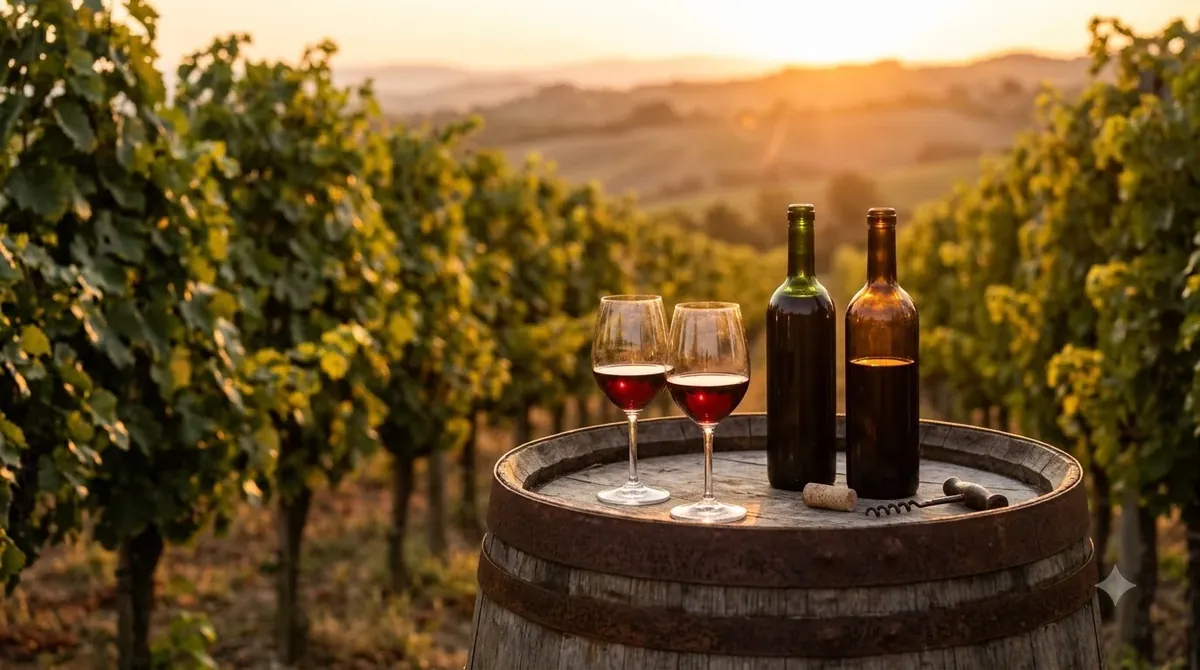
Serve most red wines from this valley a little cooler than room temperature, around 60 to 65 degrees Fahrenheit, so the fruit stays bright and the alcohol does not feel hot. Pour into a large Bordeaux-style glass to give the wine room to open. If the bottle is young and tannic, decanting for 30 to 60 minutes helps it soften.
The wines pair well with grilled or roasted red meat, steak with pepper sauce, lamb, mushroom dishes and aged hard cheeses. The firm structure stands up to fat and char. For lighter meals, a rounder Cabernet blend can work with roast chicken or a rich tomato-based pasta.
Avoid pairing the bigger bottles with very delicate fish or citrusy salads, because the tannins will make the food taste metallic.
Tips for Visiting and Buying
The tasting rooms along the main roads are the easiest way to sample a range of Alexander Valley wines in one afternoon. Many wineries offer seated tastings, so reserve ahead on weekends and during harvest season. Ask the staff which vineyard sites feed each wine; that answer tells you more about the valley than any label slogan.
When you buy, read whether the wine is labeled “Alexander Valley” or simply “Sonoma County.” The first name means at least the stated share of grapes came from the valley, so it gives you a clearer sense of origin. Buying a bottle from the producer or a well-stocked local shop also means the wine has been stored under proper conditions. Heat is the main enemy of red wine, so avoid bottles that have sat in a hot car or on a sunny shelf, and ask the shop how the bottles were kept if you are buying a wine meant for cellaring.
If you plan to take bottles home, pack them upright or wrapped in a padded sleeve, and keep them away from direct sun during the drive. Many tasting rooms ship to home states, but shipping rules differ, so check the winery’s policy before you order.
Tip: If you are comparing Alexander Valley with another region, pick one red from each and taste them side by side with the same food. The difference in fruit and structure shows quickly. A cool-climate Oregon bottle from the Willamette Valley makes a sharp contrast with a warm Alexander Valley red, and a bottle of Hudson Valley wine from the East Coast shows yet another style. You can also browse our Wine Regions guides for more background before you choose.
Frequently Asked Questions
Is Alexander Valley wine always Cabernet Sauvignon?
No, but Cabernet Sauvignon is the dominant grape. Many wineries also make Cabernet blends, Merlot-based wines and other reds, so read the label to see the variety.
Is Alexander Valley warmer than other Sonoma wine areas?
The valley is generally described as warm, and it sits inland, which gives its grapes more ripeness than many cooler coastal districts. Individual vineyards still vary by elevation and exposure.
How long should I age an Alexander Valley Cabernet?
Many bottles are enjoyable within a few years of release. Structured, well-made examples can age longer, but storage conditions and the producer’s own recommendations matter more than a general rule.
Do I need a reservation to visit the wineries?
Many tasting rooms accept walk-ins on weekdays, but weekend visits and seated tastings usually need a booking. Check each winery’s website before you travel.
Alexander Valley rewards anyone who wants to understand how a warm inland district shapes red wine. Start with one Cabernet and one blend, note how each feels with food, and then visit a few tasting rooms to see the differences for yourself.
More in Wine Regions
 Willcox Wine Trail: Discover Arizona’s High-Elevation Wine CountryUpdated Nov 20, 2026
 Yakima Valley Wine Region: Find the Best Styles to TryUpdated Nov 20, 2026
 Vosne Romanee Wine Tasting: Identify Aromas and Choose Better PairingsUpdated Nov 20, 2026
 Yakima Valley Wine Festival: Find the Best Seasonal Wine EventsUpdated Nov 20, 2026
 Wales Vineyards: Discover Cool-Climate Wines and Where to VisitUpdated Nov 20, 2026
 Yountville Wine Festival: Discover Napa Wines and Local FoodUpdated Nov 20, 2026