

We may earn a commission when you buy through links on this page, at no extra cost to you. Learn more.
Is yellow tail shiraz good? Yes, Yellow Tail Shiraz is a good choice for casual red-wine drinkers who enjoy smooth textures, ripe berry flavors, gentle spice, and an approachable Australian Shiraz style. It offers recognizable cherry, plum, vanilla, and mocha characteristics without demanding extensive wine knowledge or special preparation. However, drinkers seeking complex regional character, pronounced acidity, or firm tannins may find it less satisfying than more structured Shiraz wines.
Yellow Tail Shiraz occupies a familiar place in the everyday red-wine category. Its appeal comes from an accessible combination of ripe fruit, soft-feeling texture, and enough spice to keep the wine interesting alongside dinner. It is designed to be approachable rather than challenging, making it a reasonable starting point for someone exploring Australian red wines.
The important distinction is between a wine that delivers an enjoyable drinking experience and one that offers considerable complexity. Yellow Tail generally targets the first category. Understanding its flavor, sweetness, structure, serving requirements, and food compatibility makes it easier to decide whether the bottle fits your preferences.
Who This Wine Is For
Yellow Tail Shiraz is best suited to people who want a fruit-forward red wine that can be opened for an ordinary meal, a relaxed gathering, or an uncomplicated evening at home. Its advertised combination of red berries, plum, vanilla, and spice makes it particularly approachable for people who are still learning to identify red-wine characteristics.

According to the producer’s US product description, the wine is intended to be rich, smooth, and easy to drink. Its listed alcohol content is 13.5% ABV, placing it within a familiar range for full-bodied red wines. The official description also identifies steak as a natural food pairing.
Several types of drinkers may appreciate this style:
- New red-wine drinkers: The ripe fruit profile provides recognizable flavors without requiring familiarity with regional wine terminology.
- Casual dinner hosts: Its fruit-forward character works with familiar foods such as burgers, grilled meats, and barbecue ribs.
- Fans of softer-feeling reds: Drinkers who prefer approachable fruit rather than strongly drying tannins may enjoy its general style.
- Australian Shiraz newcomers: It offers an accessible introduction to the grape variety commonly associated with Australian red wine.
- Everyday wine drinkers: Its straightforward personality makes it easier to serve without an elaborate tasting presentation.
There are also drinkers who may want something different. If your favorite wines are lean Pinot Noir, highly acidic Italian reds, or structured Cabernet Sauvignon, Yellow Tail Shiraz may seem comparatively soft and fruit-driven. People who prioritize distinctive vineyard character, extended aging potential, or layers of evolving aromas should consider a more specialized bottle.
It is also useful to distinguish an accessible wine from a simple wine that lacks all character. Cherry, plum, vanilla, mocha, and spice provide several recognizable flavor dimensions. The difference is that these characteristics are presented in a familiar, uncomplicated style rather than a particularly intricate one.
For readers comparing accessible producers, the broader Wine Brands category provides another way to explore familiar names and understand how different producers approach everyday drinking wines.
Key Factors to Compare
The most useful way to evaluate Yellow Tail Shiraz is to consider its fruit character, sweetness impression, tannins, acidity, alcohol, and overall body together. No single characteristic determines whether a red wine is enjoyable; the balance between these elements matters more.
| Factor | What to Expect | Buying Implication |
|---|---|---|
| Grape | Shiraz (Syrah) | Suitable for fans of Australian-style red wines |
| Country | Australia | Offers a familiar Australian Shiraz profile |
| Alcohol | 13.5% ABV | Moderate-to-full alcohol presence |
| Fruit aromas | Red cherry and plum | Appeals to ripe-fruit drinkers |
| Additional aromas | Vanilla, mocha, and spice | Provides more than a simple berry profile |
| Flavor | Juicy red berries, vanilla, and spice | Works with familiar savory foods |
| Body | Approachable, rich red-wine style | Better suited to substantial meals than delicate seafood |
| Serving temperature | 60–65°F | Benefits from slight chilling |
| Suggested pairing | Steak | Suitable for grilled and roasted meat dishes |
Fruit and aromatic character
The producer specifically identifies concentrated red cherry and plum, supported by vanilla, mocha, and spice. These are useful expectations for anyone choosing the bottle based on its advertised character.
Cherry and plum give the wine its recognizable fruit-centered personality. Vanilla and mocha provide a warmer aromatic impression, while spice adds another dimension. This combination is characteristic of many approachable Shiraz styles, although the intensity and balance can vary between individual wines.
It is helpful to understand that smelling vanilla or tasting ripe fruit does not necessarily mean a wine contains added flavoring or is technically sweet. Fruit aromas and residual sugar are different things. A dry wine can smell distinctly of ripe berries, chocolate, or vanilla.
Body, tannins, and acidity
Shiraz is generally associated with medium-high tannins and medium acidity in the broad grape-style profile described by Wine Folly. Tannins create a drying sensation around the gums and tongue, while acidity provides freshness and helps balance concentrated fruit.
Yellow Tail’s accessible presentation makes it more suitable for people who prefer a smooth-feeling red than for those specifically seeking an aggressively structured wine. Nevertheless, Shiraz remains a red grape with enough natural structure to accompany substantial foods.
Alcohol content
The producer lists Yellow Tail Shiraz at 13.5% alcohol by volume. This is a useful number to consider if you prefer reds with moderate alcohol rather than particularly powerful, high-alcohol expressions.
For additional details about this specification, see our explanation of Yellow Tail Shiraz alcohol content. Alcohol percentage is only one part of the drinking experience; body, acidity, fruit concentration, and serving temperature also influence how a wine feels.
Step-by-Step: How to Decide Whether to Buy It
A simple buying process helps match the bottle to your expectations instead of relying on the brand name alone. Start with your preferred flavor profile, then consider the meal, alcohol level, and serving conditions.
-
Identify your preferred red-wine style.
If you enjoy ripe cherry, plum, berry, and vanilla flavors, Yellow Tail Shiraz is worth considering. If you usually prefer earthy, restrained, or highly acidic reds, a cooler-climate Syrah or Pinot Noir may be a closer match.
-
Decide whether you like fruit-forward wines.
Fruit-forward wines place recognizable fruit aromas and flavors at the center of the experience. Yellow Tail’s producer description emphasizes juicy red berries, cherry, and plum rather than emphasizing mineral, herbal, or strongly earthy characteristics.
-
Consider the food you plan to serve.
Steak, burgers, lamb, and barbecue ribs are sensible choices. For a delicate fish dish or a light vegetable salad, a more refreshing white wine or lighter red may be more suitable.
-
Review the alcohol specification.
The listed 13.5% ABV helps establish expectations before opening the bottle. Consider whether this level suits your preferences and the occasion.
-
Consider the sweetness impression.
People who like ripe fruit flavors but still want a dry red should distinguish aromatic fruitiness from actual residual sugar. If sweetness is a deciding factor, review the nutritional information and product details rather than judging only from the fruit descriptions.
-
Plan the serving temperature.
A slightly cool serving temperature helps preserve freshness and keeps the wine from feeling overly warm. Allow approximately 15 to 20 minutes in the refrigerator if the bottle has been stored at ordinary room temperature.
-
Choose the right occasion.
This wine makes more sense for a casual dinner or relaxed gathering than for an occasion centered on exploring a rare vintage or comparing highly distinctive vineyard expressions.
This process also helps prevent a common purchasing mistake: selecting a wine simply because it is popular or familiar. A bottle should match the drinker’s preferred flavors, the food, and the occasion.
Tip: If you are unsure whether Yellow Tail Shiraz suits your palate, begin with a small pour rather than filling a large glass. Pay attention to whether the cherry and plum flavors, vanilla character, and drying sensation are enjoyable together. That first impression is more useful than relying on a generic description such as smooth or full-bodied.
Types and Styles of Shiraz Explained
Understanding the differences between Shiraz styles helps explain why Yellow Tail tastes the way it does and what alternatives might offer. Shiraz and Syrah are the same grape variety, but the names are frequently associated with different regional expressions and winemaking approaches.
Australian fruit-forward Shiraz
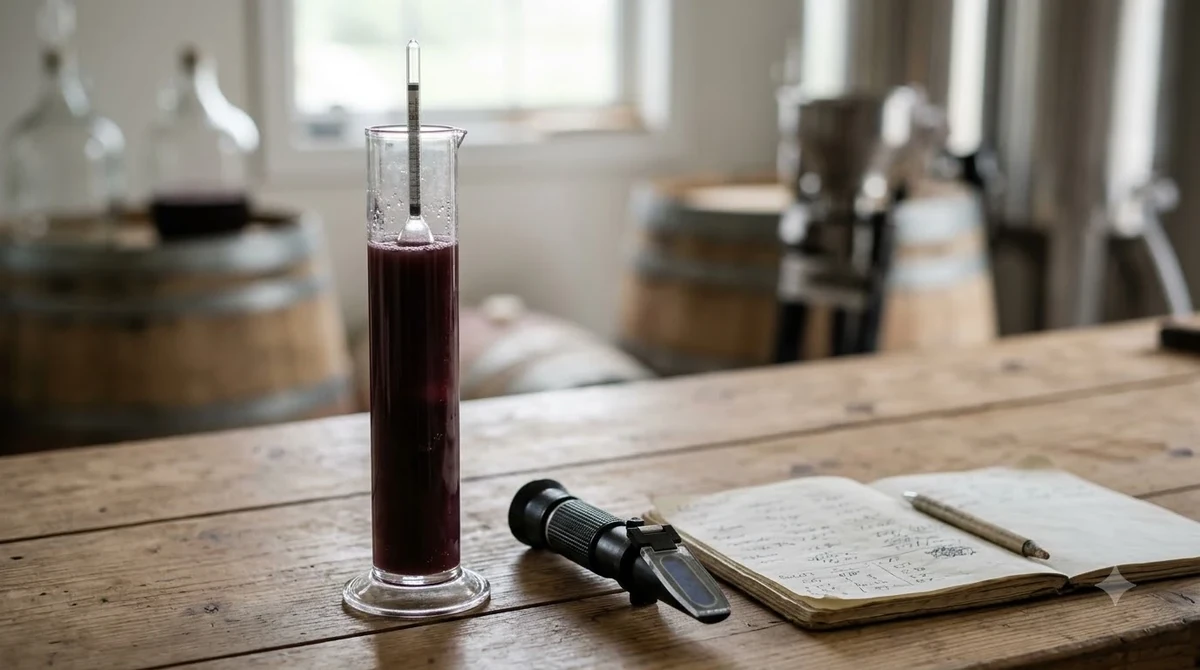
Australian Shiraz is widely associated with ripe fruit, concentrated flavors, and generous texture. Warm growing conditions can encourage grape ripeness, producing wines with pronounced dark-fruit characteristics and a fuller impression.
Wine Enthusiast identifies Barossa Valley, McLaren Vale, and Adelaide Hills as important South Australian regions associated with Shiraz. These areas demonstrate that Australian Shiraz is not a single uniform style. Regional climate and winemaking choices can produce noticeably different wines. Its explanation of the grape and regional styles is available in this Wine Enthusiast guide to Syrah and Shiraz.
Yellow Tail’s producer description focuses on cherry, plum, juicy berries, vanilla, mocha, and spice. That makes its presentation easy to understand for people who prefer familiar fruit and warm aromatic characteristics.
Cool-climate Syrah
Syrah from cooler regions often emphasizes freshness, savory aromas, and more restrained fruit expression. The northern Rhône Valley in France is an important reference point, with appellations such as Hermitage and Côte-Rôtie frequently associated with structured, distinctive expressions.
These wines can show pepper, herbs, smoke, and earthy characteristics alongside red and dark fruit. Someone who enjoys complexity and a less overtly ripe profile may prefer this direction.
Full-bodied Shiraz
Some Shiraz wines emphasize dense black fruit, substantial tannins, and greater concentration. They can work particularly well with roasted lamb, grilled beef, and rich dishes that would overwhelm lighter wines.
Wine Folly describes Syrah as generally full-bodied, medium-high in tannins, and medium in acidity. However, the precise balance of these characteristics depends on the region, vintage, and winemaking decisions. It is not accurate to assume every bottle of Shiraz has identical structure.
How Yellow Tail fits into these styles
Yellow Tail belongs in the accessible, fruit-forward conversation rather than the category of highly specialized regional Syrah. Its stated aromas and flavor profile emphasize immediate recognition and an easy-drinking personality.
This distinction is important. It is not necessary for an everyday wine to display the same concentration, regional individuality, or aging potential as an expensive Rhône Valley selection. The right choice depends on what the drinker expects from the bottle.
For someone who wants ripe fruit and uncomplicated enjoyment with dinner, Yellow Tail can make sense. For someone who wants to compare pepper, earth, acidity, and vineyard character across different regions, exploring more specialized Shiraz and Syrah bottles will be more rewarding.
Common Mistakes When Evaluating Yellow Tail Shiraz
Several misconceptions can lead to an inaccurate impression of Yellow Tail Shiraz. The most important is confusing ripe fruit aromas with sweetness, followed by serving the wine too warm or expecting every Shiraz to taste the same.
Confusing fruitiness with sweetness
A wine can smell like ripe cherries, blackberries, or plums without being sweet. These aromas come from the grape variety and the way the wine is made. They do not automatically indicate a high level of residual sugar.
Yellow Tail’s advertised cherry, plum, and berry flavors may create a sweeter impression for some drinkers, particularly those accustomed to lighter or more acidic wines. However, aroma and sweetness are separate characteristics.
For a more detailed discussion, see Yellow Tail Shiraz sugar content. Understanding the difference between sweetness, carbohydrates, and fruit aromas makes it easier to choose a wine that matches your preference.
Expecting expensive-wine complexity
An accessible everyday wine should be evaluated according to its intended style. Yellow Tail is presented as an easy-drinking red, not as a highly concentrated, age-worthy expression intended for detailed cellar comparisons.
It is reasonable to appreciate its fruit and smoothness while recognizing that it may not deliver the layered aromas or extended finish sought by experienced Shiraz enthusiasts. These are different purchasing expectations, not necessarily evidence that the wine is defective.
Serving it too warm
Red wine is often served warmer than necessary because people assume that room temperature is always ideal. In a warm kitchen or dining room, this can make alcohol feel more noticeable and the wine seem heavier.
A temperature of 60–65°F is a practical starting point for Shiraz. A short period in the refrigerator can bring a bottle closer to this range without making it unpleasantly cold.
Pairing it with delicate seafood
Red wines with tannins and concentrated fruit can overpower mild seafood. A delicate white fish fillet, lightly seasoned shrimp, or simple seafood salad generally benefits from a lighter, more refreshing wine.
Oily fish can also clash with tannic reds. For these meals, a suitable white wine is often the easier pairing choice. Yellow Tail Shiraz is better directed toward richer and more substantial foods.
Assuming all Australian Shiraz tastes alike
Australia has a wide range of climates and wine-growing regions. A Shiraz from Barossa Valley can have a different flavor profile and structure from a wine grown in a cooler area.
The grape name tells you something about the wine, but it does not tell the entire story. Regional expression, vineyard conditions, ripeness, and winemaking decisions all influence the finished bottle.
Care and Storage Tips for Better Drinking
Correct storage and serving practices can make Yellow Tail Shiraz more enjoyable without requiring specialist wine equipment. A stable storage environment, sensible serving temperature, and proper handling after opening are the main priorities.
Store the bottle properly
For longer storage, keep wine in a cool, dark place with a relatively stable temperature near 55°F. Avoid locations exposed to direct sunlight, frequent temperature changes, or strong heat sources.
Bottles with traditional cork closures are generally stored horizontally to help maintain cork contact with the wine. A screw-cap bottle does not require horizontal storage for cork preservation, although keeping it on its side can still be convenient in a wine rack.
Yellow Tail Shiraz is primarily an approachable drinking wine, so there is little reason to treat it like a collectible bottle intended for extended aging. Buy it for enjoyment rather than assuming several years of storage will necessarily improve it.
Serve at the right temperature
Serve Yellow Tail Shiraz at approximately 60–65°F. This temperature range helps retain the wine’s fruit character while keeping its alcohol from becoming unnecessarily prominent.
If the bottle has been sitting in a warm room, place it in the refrigerator for around 15 to 20 minutes before serving, then pour a small amount to assess the temperature. If it becomes too cold, give the wine a few minutes in the glass to warm naturally.
Use an appropriate glass
A standard red-wine glass with a reasonably wide bowl is a practical choice. The larger opening gives the aromas room to develop and makes it easier to notice cherry, plum, vanilla, and spice.
There is no need for an expensive specialist glass to enjoy this bottle. A clean, ordinary red-wine glass is sufficient for a casual meal.
Allow some breathing time
You do not need to decant every bottle of Shiraz. A younger, accessible red can generally be poured directly into glasses and enjoyed without extensive preparation.
If the wine initially seems closed or the aromas appear muted, give it approximately 10 to 20 minutes in the glass and reassess. This is a simple way to observe whether additional air improves its aromatic expression.
Preserve leftovers
If the bottle is not finished, close it securely and place it in the refrigerator. Opened still red wine generally remains enjoyable for approximately three to five days, although freshness gradually declines as oxygen affects the wine.
For the best results, keep the bottle upright after opening, minimize unnecessary air exposure, and pour smaller servings rather than repeatedly leaving the bottle open on the table. Allow refrigerated leftovers to warm slightly before drinking.
These steps are straightforward, but they can make a noticeable difference to the next glass. Proper temperature and storage often matter more to an everyday wine experience than elaborate serving accessories.
Frequently Asked Questions
Is Yellow Tail Shiraz made from 100% Shiraz grapes?
The US product description identifies the wine as Shiraz but does not publish a complete grape-composition breakdown. Australian labeling rules generally permit a single-variety designation when at least 85% of the wine comes from the named variety. The precise composition of an individual bottling should not be assumed from the grape name alone.
Does Yellow Tail Shiraz need to be decanted overnight?
No. An overnight decant is unnecessary for an approachable everyday Shiraz. If you want to expose the wine to some air, a short period in the glass is a more practical starting point. Extended exposure can cause the fruit aromas to fade rather than improve the wine.
Can Yellow Tail Shiraz be used for cooking?
Yes. A straightforward Shiraz can work in recipes such as beef stew, red-wine pan sauces, and slow-cooked lamb. Use a wine you would be comfortable drinking, and add it early enough to allow its liquid to reduce and integrate with the other ingredients. Avoid using wine that has developed unpleasant oxidation or vinegar-like aromas.
Is Yellow Tail Shiraz suitable for a wine gift basket?
It can suit an informal gift basket intended for someone who enjoys accessible Australian reds. Its familiar Shiraz identity makes it easy to recognize, and it pairs naturally with savory snacks such as mature cheddar and cured meats. For a formal wine-focused gift, a more distinctive regional bottle may communicate a stronger sense of occasion.
Does Yellow Tail Shiraz have a screw cap?
Yellow Tail Shiraz is sold in screw-cap packaging in several major retail markets, including Australian retail listings. Screw caps make opening and resealing convenient and remove the need for a corkscrew. They are a closure choice rather than an indication of whether a wine is high or low quality.
Yellow Tail Shiraz is a sensible everyday option for drinkers who enjoy ripe berry flavors, plum, vanilla, and a smooth-feeling Australian red. Its 13.5% ABV and straightforward flavor profile make it easy to understand and pair with familiar meals. Choose it for casual drinking and uncomplicated dinners, but consider a more structured or regionally distinctive Shiraz if complexity and firm tannins are your priorities.
More in Wine Brands
 Joseph Drouhin Wine Price: Compare Bottles by Region and QualityUpdated Nov 21, 2026
 Klinker Brick Wine Review: Find the Right Lodi WineUpdated Nov 21, 2026
 Kirkland Signature Wine Price: Compare Bottles and Find Better ValueUpdated Nov 21, 2026
 Is Segura Viudas Brut Good? A Crisp Cava Worth PouringUpdated Nov 21, 2026
 Jordan Wine Review: How to Choose the Right BottleUpdated Nov 21, 2026
 Jordan Cabernet Review: Find the Right Bottle for Your TableUpdated Nov 21, 2026