

We may earn a commission when you buy through links on this page, at no extra cost to you. Learn more.
This jordan wine review finds that Jordan Vineyard & Winery is a strong choice for drinkers who appreciate balanced, French-inspired California wines, particularly Cabernet Sauvignon and Chardonnay. Its Cabernet Sauvignon emphasizes dark fruit, structured but polished tannins, and food-friendly acidity, while its Chardonnay favors fresh stone fruit, lively acidity, and a measured approach to oak. The best bottle depends on whether you want a structured red for a substantial meal or a fresher white for seafood, poultry, and lighter dishes.
Jordan Vineyard & Winery has built its identity around two principal wines rather than a sprawling collection of unrelated labels. Based in Sonoma County’s Alexander Valley, the winery draws inspiration from Bordeaux and Burgundy while working with vineyards across different parts of Sonoma County. That combination makes Jordan particularly interesting to buyers who enjoy California fruit but prefer wines with freshness, restraint, and a clear connection to food. This guide examines the winery’s approach, the differences between its principal styles, how to choose a bottle, and what to consider before serving or storing Jordan wine.
Who Should Consider Jordan Wine?
Jordan wine is particularly suitable for drinkers who want recognizable California Cabernet Sauvignon and Chardonnay with a more restrained, European-inspired approach. Its two principal wines serve different occasions, but both reflect the winery’s emphasis on balance, freshness, and food compatibility.
The winery was established in 1972 by Tom and Sally Jordan in Alexander Valley. Their original ambition was to create a California Cabernet Sauvignon inspired by Bordeaux, with enough approachability to enjoy when young but sufficient structure to develop with age. That objective remains important to the winery’s identity. Rather than making the biggest or most heavily extracted wine possible, Jordan emphasizes harmony between fruit, acidity, tannin, and alcohol.
This philosophy makes Jordan worth considering for several types of wine drinkers:
- Cabernet Sauvignon enthusiasts: Buyers who enjoy blackberry, black cherry, cassis, and savory notes but do not necessarily want an aggressively powerful red will find the winery’s style appealing.
- Bordeaux-inspired wine drinkers: People familiar with Cabernet-based blends from Bordeaux may appreciate the combination of Cabernet Sauvignon, Merlot, Petit Verdot, and Malbec.
- Chardonnay enthusiasts: Drinkers who prefer stone fruit, acidity, and restrained oak rather than an especially heavy, buttery white should investigate Jordan Chardonnay.
- Dinner-party hosts: Jordan’s emphasis on food compatibility makes its wines useful for menus featuring steak, roast poultry, pork, mushrooms, and seafood.
- Wine collectors: Cabernet Sauvignon buyers interested in bottle development may appreciate the winery’s extended aging practices and structured red-wine style.
There are also situations in which another wine style may be more appropriate. Someone looking for an inexpensive everyday red, an intensely sweet white, or a fruit-forward wine without noticeable tannin may prefer a different category. Jordan’s Cabernet Sauvignon is still a structured Cabernet, and its Chardonnay is a dry, food-oriented white rather than a dessert-style wine.
Jordan is also a sensible name to investigate when exploring premium Sonoma County producers. Readers comparing producers and wine categories can begin with our broader Wine Brands resource, then narrow their choices according to grape variety and regional style.
Key Factors to Compare Before Buying Jordan Wine
The most important buying considerations are grape variety, vineyard origin, structural style, oak treatment, and intended drinking occasion. Understanding these five factors makes it easier to decide whether Cabernet Sauvignon or Chardonnay better fits your preferences.
| Comparison factor | Jordan Cabernet Sauvignon | Jordan Chardonnay |
|---|---|---|
| Principal region | Alexander Valley | Russian River Valley |
| Main grape | Cabernet Sauvignon | Chardonnay |
| Blend approach | Bordeaux varieties | Chardonnay |
| Typical body | Medium-full to full | Medium to full |
| Tannin | Medium-plus to high | Negligible |
| Acidity | Medium to medium-high | Medium to medium-high |
| Serving temperature | 60–65°F | 50–55°F |
| Recommended food direction | Beef, lamb, duck and pork | Chicken, seafood and creamy dishes |
Vineyard origin is the first meaningful distinction. Jordan sources its Cabernet Sauvignon primarily from Alexander Valley, in northeastern Sonoma County. This warmer inland region suits Bordeaux varieties, allowing Cabernet Sauvignon to develop ripe dark-fruit flavors and substantial structure. The winery’s Chardonnay comes from the cooler Russian River Valley, where coastal fog and gravelly soils help preserve acidity and create a different flavor profile.
Oak treatment is another consideration. Jordan Cabernet Sauvignon is aged using French oak barrels, primarily with medium toast, selected from several cooperages. The intention is to support the wine’s dark fruit rather than obscure it. Chardonnay follows a separate approach, with cool-climate fruit and carefully managed oak contributing to a style that emphasizes freshness and balance.
The winery also works with multiple vineyard sources rather than relying exclusively on one estate parcel. Its vineyard information describes roughly 70 different certified sustainable vineyard blocks across its Cabernet Sauvignon and Chardonnay sourcing programs. This broad selection allows the winemaking team to assemble blends with different textural and aromatic characteristics.
Finally, consider how much structure you enjoy. Cabernet Sauvignon naturally has higher tannin than Chardonnay, and Jordan’s Bordeaux-inspired red blend retains enough structure to accompany rich meals. Chardonnay offers a gentler, refreshing alternative. If your preference is already established, our Jordan Cabernet resource provides a more focused look at the winery’s signature red.
Tip: Choose Jordan Cabernet Sauvignon for beef, lamb, or richly flavored duck dishes. Choose Jordan Chardonnay for roast chicken, seafood, or meals with lemon, herbs, and moderate amounts of cream. The food’s weight and acidity should influence the bottle you select.
Step-by-Step: How to Choose the Right Jordan Bottle
A straightforward buying process starts with the occasion, moves to grape variety, and finishes with the bottle’s vintage and serving requirements. These steps help avoid choosing a wine that is technically good but unsuitable for the meal or the people drinking it.
-
Identify the occasion.
For a steak dinner, holiday roast, or formal meal featuring red meat, start with Jordan Cabernet Sauvignon. For a summer lunch, seafood dinner, or poultry-based menu, Jordan Chardonnay is generally the more suitable direction. Think about the food before selecting the bottle.
-
Choose your preferred grape variety.
Cabernet Sauvignon is the logical choice if you enjoy blackberry, cassis, dark cherry, cedar, and structured tannins. Chardonnay is more appropriate if you favor stone fruit, citrus, fresh acidity, and a smoother texture. If you are buying for someone else, consider their established wine preferences rather than choosing according to reputation alone.
-
Consider the regional character.
Alexander Valley gives Jordan Cabernet Sauvignon its warmer-climate foundation, while the Russian River Valley contributes the cooler growing conditions used for its Chardonnay. These origins help explain why the wines have different structures and food applications despite sharing the same winery philosophy.
-
Evaluate the vintage.
Different growing seasons can change ripeness, acidity, tannin, and the final blend. Jordan’s Cabernet Sauvignon is assembled from several Bordeaux varieties, and the winery adjusts their proportions to suit each vintage. A particular year’s blend should therefore not automatically be assumed to match another year’s proportions.
-
Decide whether to drink immediately or cellar.
Jordan Cabernet Sauvignon receives extended aging before release, giving the wine time to integrate its fruit, oak, tannin, and acidity. Buyers who prefer younger fruit expression can enjoy an appropriately mature release with aeration. Those interested in further development should maintain suitable storage conditions.
-
Plan the meal and serving temperature.
Set aside approximately 30 to 60 minutes for aerating a young, structured Cabernet Sauvignon, with the precise timing depending on the bottle. Serve full-bodied reds around 60–65°F and Chardonnay around 50–55°F. Avoid serving either wine excessively warm or cold.
-
Consider the number of guests.
A standard 750 ml bottle provides approximately five 5-ounce servings. For a dinner with six adults, two bottles provide a more comfortable quantity than relying on a single bottle, particularly when the wine is being served throughout a meal.
For a first purchase, a good strategy is to choose one Cabernet Sauvignon and one Chardonnay for separate occasions rather than comparing the wines as though they were direct substitutes. Their different growing regions and grape varieties mean they answer different drinking preferences. A side-by-side experience across two meals can reveal which style is more appealing.
Jordan Wine Types and Styles Explained
Jordan’s central portfolio revolves around Alexander Valley Cabernet Sauvignon and Russian River Valley Chardonnay. Understanding their distinct regional origins, grape characteristics, and winemaking choices is more useful than treating all Jordan bottles as variations of one general house style.
Jordan Cabernet Sauvignon
Cabernet Sauvignon is the winery’s signature red wine and the clearest expression of its original Bordeaux-inspired ambition. It is made from Cabernet Sauvignon blended with other Bordeaux varieties, including Merlot, Petit Verdot, and Malbec. The exact composition can change with each vintage.
These supporting varieties serve identifiable purposes. Merlot helps soften Cabernet Sauvignon’s firmer tannins, Petit Verdot contributes blueberry fruit and additional mid-palate breadth, and Malbec adds color and depth. The result is intended to provide more complexity than a simple single-variety expression while retaining Cabernet Sauvignon as the dominant character.
The winery’s 2021 Cabernet Sauvignon provides a useful illustration. Wine.com’s listing identifies its blend as 87% Cabernet Sauvignon, 10% Merlot, 2% Petit Verdot, and 1% Malbec. Its published tasting description includes cassis, currant, herbs, cocoa, leather, and cranberry. These details are vintage-specific, not a guarantee that every Jordan Cabernet Sauvignon will taste identical.
Another important part of the style is the treatment of the fruit. Jordan describes harvesting Cabernet Sauvignon at approximately 24 Brix, with the objective of preserving freshness and balanced ripeness. The grapes typically receive around two weeks of skin contact during primary fermentation. French oak barrel selection then helps support the dark fruit and texture. The winery explains these choices in its winemaking process overview, including how blending and barrel aging contribute to the finished Cabernet.
The result is a suitable option for drinkers who want the structure associated with Cabernet Sauvignon without necessarily seeking the most concentrated or heavily extracted example available. Readers specifically interested in this category can also consult our Jordan red wine overview.
Jordan Chardonnay
Jordan Chardonnay has a different identity because its fruit comes from the Russian River Valley rather than the warmer Alexander Valley. The cooler conditions and Pacific-influenced fog help grapes maintain natural acidity while developing flavors associated with ripe stone fruit.
Jordan describes its Chardonnay approach as inspired by white Burgundy. The winemaking team uses different vineyard blocks and carefully separates fruit by grower and parcel. Grapes are hand-harvested during the night, when temperatures are cooler, helping protect the freshness that defines the intended style.
The winery also describes harvesting Chardonnay at approximately 22–23 Brix. Its approach includes carefully evaluating different press cuts to avoid excessive extraction from grape skins. This attention to juice quality is important because the wine’s character depends on balancing fruit richness with freshness.
Expect a Chardonnay style suited to people who appreciate stone fruit, citrus-like freshness, and a balanced finish. It is not simply a heavy, buttery white intended to dominate the palate. Its acidity makes it useful at the table, especially with seafood, chicken, and dishes featuring herbs or moderate creaminess.
How the Two Styles Differ
The easiest distinction is structural. Cabernet Sauvignon is a tannic red with dark fruit, greater weight, and a more pronounced aging framework. Chardonnay is a white wine with little tannin, brighter freshness, and a more direct relationship with seafood and lighter foods.
Neither wine should be considered a substitute for the other. The best choice depends on whether the meal needs the structure of a Cabernet-based blend or the freshness of a cool-climate Chardonnay. That difference is central to understanding the Jordan range.
Common Mistakes When Buying and Drinking Jordan Wine
Most disappointing Jordan wine experiences result from mismatched expectations, inappropriate serving temperatures, or unsuitable food pairings. Recognizing a few common mistakes helps preserve the balance that the winery aims to achieve.
Expecting an Extremely Powerful Cabernet
Cabernet Sauvignon is naturally structured, but not every producer pursues maximum extraction, oak intensity, or alcohol. Jordan’s stated philosophy prioritizes balance and food compatibility. Buyers who expect an exceptionally dense, sweet-fruited, heavily oaked style may misunderstand what the winery is trying to achieve.
Instead, expect dark fruit supported by acidity and tannin. This structure makes the wine particularly suitable for meals rather than restricting it to an after-dinner drinking occasion. The presence of supporting Bordeaux varieties also gives the blend a different profile from a Cabernet Sauvignon made exclusively from one grape.
Assuming All Jordan Vintages Taste the Same
The winery maintains a recognizable house philosophy, but vintage conditions affect the final wine. The proportions of Merlot, Petit Verdot, and Malbec can change, and differences in growing conditions can influence fruit character and structure.
A tasting description for one vintage is therefore a useful indication rather than a universal promise. When comparing two bottles, pay attention to their individual vintage information instead of assuming that an identical label guarantees identical sensory characteristics.
Serving Cabernet Sauvignon Too Warm
Many drinkers serve red wine at ordinary room temperature, which can be considerably warmer than ideal. A full-bodied Cabernet Sauvignon generally benefits from a serving temperature of 60–65°F. Excessive warmth can make alcohol seem more prominent and reduce the impression of freshness.
Chardonnay has the opposite problem. Serving it too cold can suppress its aromas and texture. A temperature around 50–55°F allows the wine to show more of its fruit and structure without becoming excessively warm.
Pairing Cabernet With the Wrong Food
Cabernet Sauvignon’s tannins work well with protein-rich and fatty foods. Grilled steak, lamb, duck confit, and roasted pork can soften the perception of tannin while complementing the wine’s dark fruit. This is one reason Jordan’s red is a useful dinner wine.
Oily fish is generally less suitable for tannic reds, while very spicy dishes can make alcohol and tannin seem more pronounced. For fish, a Chardonnay is usually the more reliable choice. Acidic dishes also benefit from wines with sufficient acidity, so lemon-heavy seafood dishes often suit a fresh white better than a structured red.
Opening a Bottle Without Allowing It to Breathe
A young Cabernet Sauvignon can benefit from exposure to air, especially when its tannins and oak are still prominent. Jordan’s own 2021 Cabernet Sauvignon tasting notes recommend 60 minutes of decanting before serving. That provides a useful starting point for a structured young bottle, although not every vintage needs the same amount of aeration.
Decanting should not become an automatic ritual. Taste a small pour first. If the wine already seems expressive and balanced, additional aeration may be unnecessary. Older bottles also deserve more cautious handling because excessive exposure to air can diminish their remaining freshness.
Jordan Wine Care and Storage Tips
Proper storage and serving practices help preserve Jordan’s intended balance, particularly for Cabernet Sauvignon bottles purchased for future drinking. Temperature stability, protection from light, and sensible opening procedures matter more than elaborate wine accessories.
Store Bottles in a Stable Environment
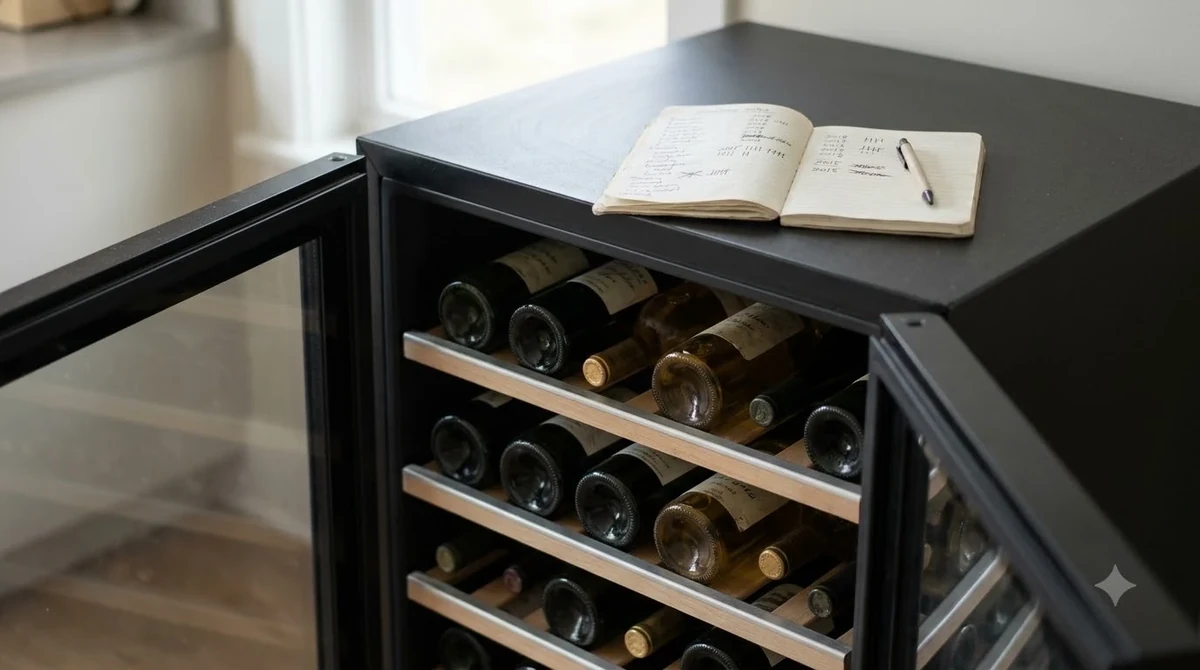
Around 55°F is a useful target for storing wine over an extended period. Keep bottles away from direct sunlight, radiators, ovens, and areas where temperatures fluctuate frequently. A dedicated wine refrigerator or suitable cellar is preferable to an ordinary kitchen cabinet for bottles intended to age.
For traditional cork-closed bottles, horizontal storage helps keep the cork in contact with the wine. This is particularly relevant for Jordan Cabernet Sauvignon, which uses natural cork. Avoid unnecessary movement and vibration when storing bottles for extended periods.
Serve Each Wine at the Appropriate Temperature
Jordan Cabernet Sauvignon is best served around 60–65°F. If a bottle has been stored in a warm room, a short period of cooling can improve its presentation. Do not serve a full-bodied red excessively warm simply because it is a red wine.
Jordan Chardonnay benefits from a cooler serving temperature of approximately 50–55°F. Take it out of the refrigerator shortly before serving if it has become particularly cold. Allowing the wine to warm slightly in the glass can reveal additional aromas and texture.
Use the Right Glassware and Pour Size
A medium-to-large red wine glass with a reasonably wide bowl is useful for Cabernet Sauvignon. The additional surface area allows the wine to develop aromas as it is swirled. Chardonnay generally benefits from a white wine glass with enough room for its aromas to collect without excessive exposure to warmth.
A standard 5-ounce pour from a 750 ml bottle produces approximately five servings. Smaller pours can be helpful when serving several wines with one meal. They also leave sufficient space in the glass for swirling and evaluating aromas.
Preserve Leftover Wine
Once opened, recork or reseal still wine and place it in the refrigerator, including red wine. Limiting exposure to oxygen and keeping the bottle cool slows deterioration. Most opened still wines are best consumed within approximately three to five days, although actual condition varies according to the wine and storage method.
Before serving a refrigerated Cabernet Sauvignon again, allow it to approach the recommended serving temperature. Chardonnay can generally be poured directly from the refrigerator if it is not excessively cold. If either wine develops unpleasant vinegar-like, oxidized, or otherwise abnormal aromas, its quality has likely deteriorated.
Long-term cellaring should be approached separately from short-term storage. Jordan’s extended bottle-aging program means Cabernet Sauvignon is released after two full years of bottle aging. That does not mean every bottle must be held for many additional years. Buyers should distinguish between a wine’s ability to age and the personal preference to drink it while its fruit is more prominent.
Frequently Asked Questions
Who owns Jordan Vineyard & Winery?
Jordan was founded by Tom and Sally Jordan, and their son John Jordan became its second-generation owner. The winery’s history identifies him as taking full ownership in 2007. He also assumed the role of CEO in 2005, continuing the family’s involvement in the business.
Where is Jordan Vineyard & Winery located?
The winery is located at 1474 Alexander Valley Road in Healdsburg, California. Alexander Valley Winegrowers lists visits as appointment-based rather than ordinary walk-in tasting-room visits. Its location makes it part of Sonoma County’s Alexander Valley wine region.
Who was Jordan Winery’s first winemaker?
Rob Davis joined Jordan as winemaker in 1976 and guided the winery through its inaugural Cabernet Sauvignon and Chardonnay programs. André Tchelistcheff had an earlier consulting role and helped establish the winery’s French-inspired approach. Davis retired in 2019 after a lengthy association with the winery.
Does Jordan produce wine exclusively from its own estate vineyards?
No. Jordan combines estate vineyards with grapes sourced from long-term grower relationships. The winery describes a sourcing program involving approximately 70 certified sustainable vineyard blocks, allowing its winemaking team to select fruit from different locations and soil conditions.
When were the first Jordan Chardonnay and Cabernet Sauvignon vintages produced?
The first Jordan Cabernet Sauvignon vintage was 1976, while the first Chardonnay vintage was 1979. These two wines established the foundation of the winery’s portfolio. The inaugural Cabernet was released in 1980, and the inaugural Chardonnay was released in 1981.
Jordan is a compelling winery to consider if balanced California wines, French-inspired winemaking, and food compatibility matter more to you than sheer power. Its Alexander Valley Cabernet Sauvignon is the natural starting point for structured red-wine enthusiasts, while Russian River Valley Chardonnay provides a fresher alternative. Choose according to your meal, preferred grape variety, and desired drinking style, and you will have a much clearer idea of which Jordan bottle belongs in your collection.
More in Wine Brands
 Klinker Brick Wine Review: Find the Right Lodi WineUpdated Nov 21, 2026
 Kirkland Signature Wine Price: Compare Bottles and Find Better ValueUpdated Nov 21, 2026
 Is Segura Viudas Brut Good? A Crisp Cava Worth PouringUpdated Nov 21, 2026
 Jordan Cabernet Review: Find the Right Bottle for Your TableUpdated Nov 21, 2026
 Is Yellow Tail Shiraz Good? A Practical Buying GuideUpdated Nov 21, 2026
 Is Yellow Tail Moscato Good? Taste, Sweetness, and Buying TipsUpdated Nov 21, 2026