

We may earn a commission when you buy through links on this page, at no extra cost to you. Learn more.
This klinker brick wine review finds that Klinker Brick is especially worth considering for shoppers who enjoy expressive Lodi Zinfandel, full-bodied reds, and distinctive California wines. Founded by the Felten family in 2000, the winery offers considerably more than its signature Old Vine Zinfandel, including Cabernet Sauvignon, Syrah, Petite Sirah, Albariño, Grenache Blanc, and rosé. The best starting point depends on whether you prefer concentrated dark fruit, savory complexity, or fresher, more aromatic wines.
Klinker Brick has a strong connection to Lodi’s agricultural history, and its portfolio reflects the region’s ability to produce both powerful red wines and refreshing whites. Its range includes accessible blends for casual dinners and more distinctive vineyard-focused bottlings for collectors. Understanding the differences between the main wines makes it easier to choose a bottle that matches your preferences, meal, and occasion.
Who This Is For: Understanding the Klinker Brick Style
Klinker Brick is a particularly interesting choice for drinkers who enjoy California wines with ripe fruit, substantial flavor, and a recognizable connection to their growing region. Its Old Vine Zinfandel is the natural starting point, while its Cabernet Sauvignon, Syrah, and Petite Sirah offer alternatives for people who prefer different expressions of red wine.
The winery was established in 2000 by Steve and Lori Felten, although the family’s connection to grape growing in Lodi goes back several generations. According to the winery’s history, the family initially cultivated watermelons before concentrating increasingly on wine grapes. Their agricultural experience eventually led to the decision to produce wine under their own name, beginning with a single Old Vine Zinfandel bottling.
The name Klinker Brick references the dark, dense bricks used in historic Lodi buildings. It is an appropriate name for a producer whose identity is closely connected to the region’s agricultural heritage. The winery’s emphasis on Zinfandel also reflects the importance of this grape in Lodi, where old vineyards contribute distinctive fruit and structure.
This brand is worth exploring if you enjoy the following characteristics:
- Ripe red and black fruit: Zinfandel expressions with blackberry, cherry, raspberry, and spice.
- Full-bodied reds: Cabernet Sauvignon and Petite Sirah for people who prefer more substantial wines.
- Old-vine character: Bottlings that emphasize concentrated fruit and the identity of mature vineyard sites.
- Alternative varieties: Albariño, Grenache Blanc, and rosé for shoppers who do not always want red wine.
- Food-friendly versatility: Wines that work with grilled meats, roasted vegetables, barbecue, and flavorful cheeses.
However, Klinker Brick may not be the first choice for someone who exclusively prefers very light reds, delicate Pinot Noir, or extremely low-alcohol wines. Some of its Zinfandel bottlings have substantial alcohol, and the concentrated fruit profile can feel generous compared with cooler-climate styles.
For shoppers comparing established California producers with more widely distributed introductory brands, the Barefoot wine portfolio offers a useful contrast in positioning and style. Klinker Brick generally makes more region-focused choices, particularly through its vineyard-associated Zinfandel offerings.
Key Factors to Compare Before Choosing a Bottle
The most useful way to compare Klinker Brick wines is to consider grape variety, body, fruit profile, alcohol level, and intended food pairing. Two bottles from the same producer can offer noticeably different experiences, so the label name alone is not enough to predict which one will suit your preferences.
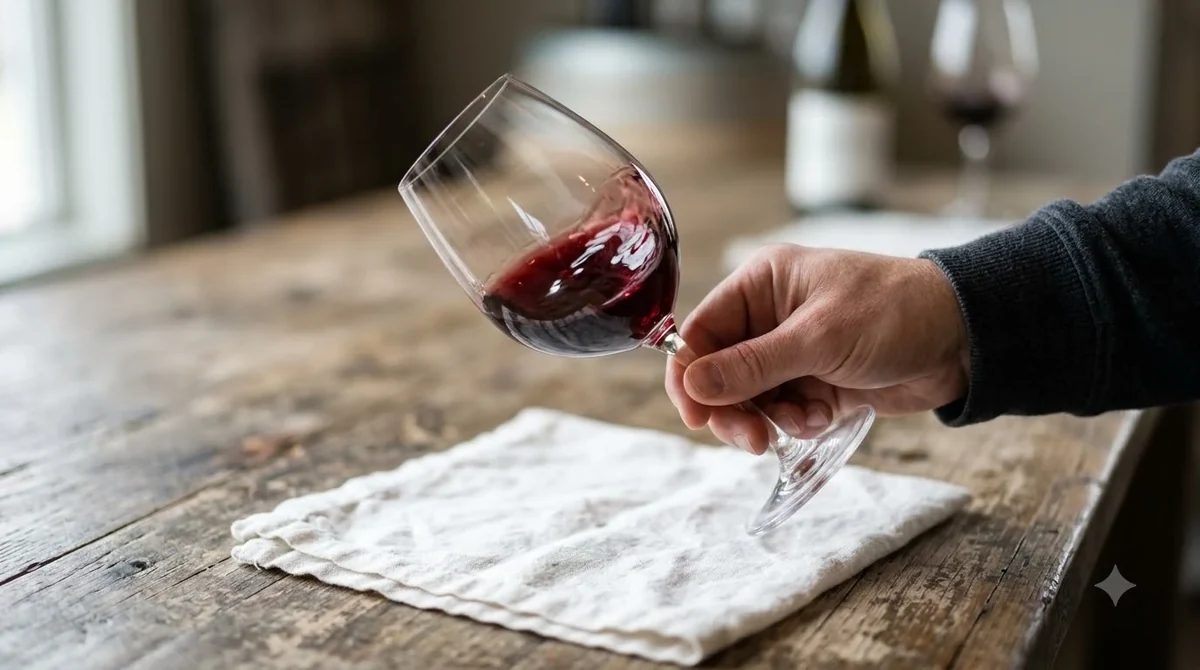
Zinfandel should be the first category to investigate because it is central to the winery’s identity. Old Vine Zinfandel provides the recognizable house style, while Old Ghost represents a more selective expression. Cabernet Sauvignon and Petite Sirah are alternatives for shoppers who want darker fruit and a different tannin structure.
The following comparison uses the winery’s published portfolio descriptions and the blend information listed by Visit Lodi. The alcohol figure comes from Wine Enthusiast’s review of the 2021 Old Ghost, rather than being presented as a universal figure for every vintage.
| Wine | Composition or variety | Published characteristics | Best suited to |
|---|---|---|---|
| Old Vine Zinfandel | Zinfandel | Blackberry, cherry, spice | Classic Lodi red wine fans |
| Old Ghost | Old Vine Zinfandel | Concentrated fruit, herbs, spice | Special dinners and richer dishes |
| Brickmason Red Blend | 80% Zinfandel, 10% Syrah, 5% Cabernet Sauvignon, 5% Petite Sirah | Plush, approachable red fruit | Casual meals and gatherings |
| 1850° Red Blend | 60% Cabernet Sauvignon, 30% Petite Sirah, 10% Old Vine Zinfandel | Structured, intense red blend | Drinkers who enjoy fuller reds |
| Farrah Syrah | Syrah | Dark berries and savory spice | Grilled meats and seasoned dishes |
| Albariño | Albariño | Citrus, white peach, mineral notes | Seafood and lighter meals |
| Bricks & Roses Rosé | Grenache, Syrah, Carignane, Mourvèdre | Strawberry, rose petal, watermelon | Warm-weather meals and appetizers |
The blend percentages for Brickmason and 1850° are documented by Visit Lodi, while the descriptions of the individual wines come from Klinker Brick’s official portfolio. This distinction matters because a blend’s composition provides a more useful indication of its general structure than its name alone.
Alcohol is another consideration. Wine Enthusiast lists the 2021 Old Ghost at 15.9% ABV in its published review. That is a substantial figure, particularly for people accustomed to lighter reds, and it suggests serving the wine with food rather than treating it like a particularly light everyday pour.
Acidity and tannin also affect the drinking experience. Cabernet Sauvignon generally has high tannin, while Zinfandel commonly presents ripe fruit and noticeable alcohol. Syrah and Petite Sirah can provide firmer structure, making them useful options alongside fatty or protein-rich foods.
Tip: If you are buying your first bottle, start with Old Vine Zinfandel rather than immediately choosing Old Ghost. It provides a straightforward introduction to the producer’s signature grape before you move toward its more specialized bottlings.
Step-by-Step: How to Choose the Right Klinker Brick Wine
A simple selection process prevents confusion between the winery’s different red wines. Start with your preferred grape style, decide how much structure you enjoy, and then consider whether the bottle is intended for a casual meal or a more substantial occasion.
-
Decide whether you want red, white, or rosé.
Red wine is the obvious starting category if you are interested in Klinker Brick’s reputation for Lodi Zinfandel. Choose Albariño if you prefer crisp white wine, Grenache Blanc for a richer white profile, or Bricks & Roses Rosé for a dry pink wine.
-
Choose your preferred red-wine character.
Old Vine Zinfandel is a natural choice for ripe blackberry, cherry, and spice. Cabernet Sauvignon offers cassis and blueberry characteristics, while Farrah Syrah emphasizes dark berries and savory spice. Petite Sirah is the option to investigate if you enjoy especially dark, concentrated reds.
-
Decide how much complexity you want.
Brickmason Red Blend is described as smooth and approachable, making it suitable for ordinary dinners. Old Ghost is a more selective Zinfandel bottling, while Marisa Vineyard Old Vine Zinfandel emphasizes the character of a particular vineyard.
-
Consider the food before purchasing.
For grilled steak, barbecue, and lamb, investigate Zinfandel, Cabernet Sauvignon, or Syrah. For seafood, choose Albariño instead of a tannic red. A dry rosé provides flexibility for salads, appetizers, and grilled chicken.
-
Check the vintage and bottle details.
Alcohol content, production details, and wine descriptions can differ between releases. For example, Wine Enthusiast lists the 2021 Old Ghost at 15.9% ABV, but that figure should not automatically be applied to another vintage.
-
Match the bottle to the occasion.
Choose Old Vine Zinfandel for a relaxed dinner with friends, Old Ghost for a more considered red-wine occasion, or Albariño for a summer seafood meal. A versatile blend is useful when several guests have different preferences.
-
Plan the serving temperature.
Serve a full-bodied red at approximately 60–65°F. If the wine has been stored in a warm room, a short period of cooling can make the alcohol feel less prominent and help preserve the fruit character.
This process also helps shoppers avoid buying based entirely on a prestigious-sounding wine name. Old Ghost may be an appealing choice, but a more affordable everyday-style selection within the same producer’s range may be a better match for a casual dinner.
Types and Styles Explained: From Old Vine Zinfandel to Albariño
Klinker Brick’s portfolio is broad enough to serve several different preferences, although its strongest identity remains connected to Lodi red wines. The major categories range from concentrated old-vine Zinfandel to structured blends and refreshing whites.
Old Vine Zinfandel
Old Vine Zinfandel is the clearest expression of what the winery is known for. Klinker Brick describes its flagship bottling through blackberry, cherry, and spice characteristics, with a broad and structured palate.
The importance of old vineyards is more than a marketing distinction. Mature vines can produce smaller crops under particular growing conditions, and their fruit may deliver concentrated flavors. Klinker Brick’s approach also includes vineyard management practices designed to control yields and improve grape quality.
This wine makes sense for people who enjoy generous fruit, noticeable body, and a red that can stand up to strongly flavored food. Grilled sausages, beef burgers, smoked pork, and hard cheeses are sensible pairing options.
Old Ghost Zinfandel
Old Ghost occupies a more selective position within the portfolio. The winery describes it as a limited bottling made from its oldest and most expressive Zinfandel blocks, distinguishing it from the standard flagship wine.
Wine Enthusiast’s review of the 2021 release provides a useful example of its style. The publication awarded it 93 points and described black currant, boysenberry, huckleberry jam, dried herbs, and rose petals. Its palate description includes blackberry-cherry confiture, star anise, mocha, and a spicy, dry finish.
The same review lists 15.9% ABV and a 750 ml bottle size. These details help explain why Old Ghost is better suited to drinkers who enjoy powerful California reds than those looking for delicate, low-alcohol wines.
For an additional professional perspective, read Wine Enthusiast’s 2021 Old Ghost review. Its specific tasting observations are useful, although individual vintages should not be assumed to taste exactly alike.
Cabernet Sauvignon and Petite Sirah
Cabernet Sauvignon provides a familiar alternative to Zinfandel. Klinker Brick describes its version through cassis, blueberry, mocha, and integrated oak. Those characteristics make it an appealing choice for drinkers who prefer darker fruit and a more recognizable Cabernet structure.
Petite Sirah takes a different direction. The winery describes it as bold and inky, with dark fruit, cocoa, and graphite. It is a suitable option for people who enjoy substantial tannin and rich, concentrated reds.
Because both varieties can have significant tannin, their food pairings matter. Roasted beef, grilled lamb, short ribs, and aged hard cheeses can help soften the perception of tannin through their fat and protein content.
Syrah and Red Blends
Farrah Syrah combines savory spice with dark berry fruit, providing a different personality from the winery’s Zinfandel. Syrah is a useful choice for people who appreciate peppery, savory characteristics alongside ripe fruit.
Brickmason and 1850° are two blends worth comparing. Brickmason contains 80% Zinfandel, with smaller proportions of Syrah, Cabernet Sauvignon, and Petite Sirah. Its Zinfandel-led composition helps explain its approachable positioning.
By contrast, 1850° contains 60% Cabernet Sauvignon, 30% Petite Sirah, and 10% Old Vine Zinfandel according to Visit Lodi. That composition gives Cabernet and Petite Sirah a much larger role in the blend, making it a useful alternative for drinkers seeking a more structured red.
Albariño, Grenache Blanc, and Rosé
Klinker Brick is not exclusively a red-wine producer. Its Albariño offers citrus, white peach, and mineral notes, making it a natural choice for people who prefer refreshing white wines. Albariño is especially useful with shellfish, grilled fish, and dishes featuring lemon or fresh herbs.
Grenache Blanc provides a richer alternative. Its described profile includes green apple, melon, citrus blossom, and subtle spice. It can suit roasted chicken, creamy vegetable dishes, and seafood with richer sauces.
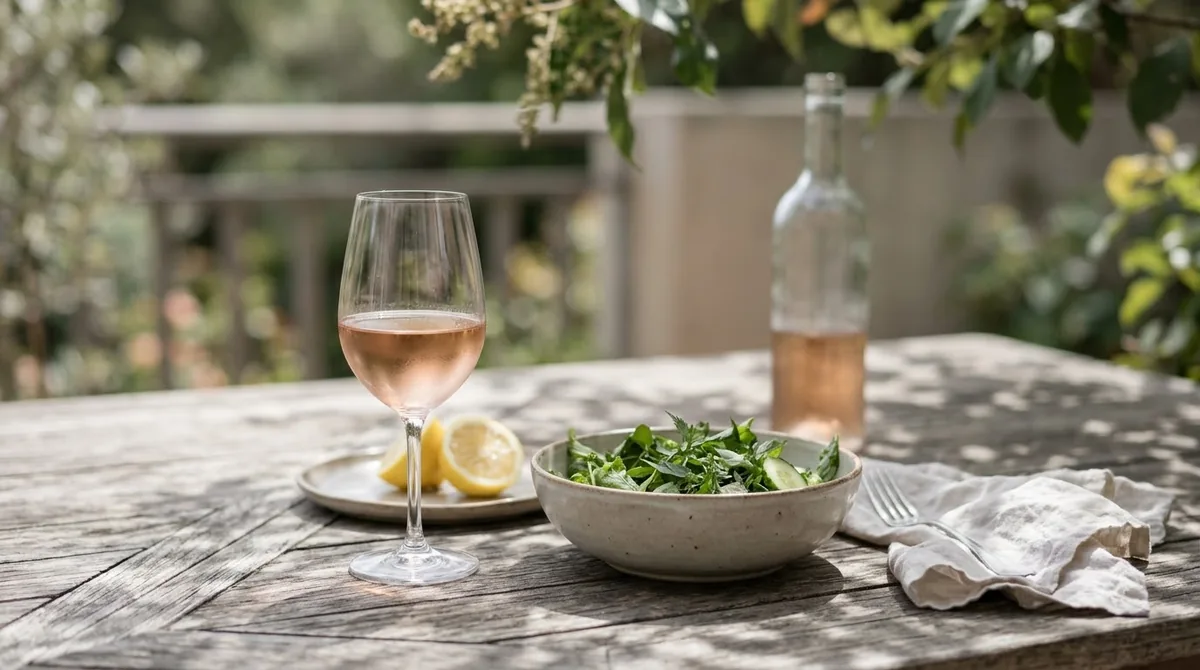
Bricks & Roses Rosé is made from Grenache, Syrah, Carignane, and Mourvèdre. The winery describes a dry, Provençal-style wine with strawberry, rose petal, and watermelon characteristics. Its dry profile makes it more versatile at the table than a noticeably sweet rosé.
Shoppers interested in other sparkling and approachable wine categories can also explore La Marca Prosecco, although sparkling Prosecco offers a different drinking experience from Klinker Brick’s still wines.
Common Mistakes When Buying Klinker Brick Wines
The biggest purchasing mistakes involve assuming every Zinfandel tastes alike, overlooking alcohol levels, and choosing a wine without considering its food pairing. Understanding the differences between the individual bottlings makes the portfolio easier to approach.
Assuming Old Vine and Old Ghost Are Identical
Both wines belong to the Zinfandel category, but they have different positions within the portfolio. Old Vine Zinfandel is the flagship expression, while Old Ghost is a limited cellar-select wine made from the oldest and most expressive blocks.
The distinction is important because a more selective bottling is not automatically the better purchase for every drinker. Someone who enjoys straightforward blackberry and cherry fruit may be perfectly satisfied with the flagship wine.
Ignoring Alcohol Content
Powerful Zinfandel can have relatively high alcohol, which changes the way it feels in the mouth and how it performs with food. The 2021 Old Ghost reviewed by Wine Enthusiast was listed at 15.9% ABV.
That figure is useful when deciding whether a wine matches your preferred drinking style. It also explains why serving a full-bodied Zinfandel slightly cooler than a warm room temperature can be helpful.
Pairing Tannic Reds With the Wrong Food
Food pairing is not simply a matter of matching red wine with meat and white wine with fish. Tannin, acidity, salt, fat, and spice all influence how a combination tastes.
Cabernet Sauvignon and Petite Sirah can work particularly well with fatty beef dishes because fat softens the perception of tannin. On the other hand, highly tannic reds are generally poor companions for delicate oily fish because the combination can produce an unpleasant metallic impression.
Chili heat also deserves attention. Alcohol and tannin can intensify the perception of spice, so a powerful Zinfandel may not be ideal for extremely hot dishes. If a meal has substantial chili heat, a fresher white wine or rosé may provide a more comfortable match.
Expecting Every Vintage to Taste the Same
Wine is an agricultural product, and vintage conditions affect the grapes that eventually reach the bottle. Weather, harvest timing, vineyard selection, and winemaking decisions can all influence the final result.
Wine Enthusiast’s 2021 Old Ghost review is useful evidence of that particular release’s profile, but it should not be treated as a guarantee of identical aromas or flavors in another vintage. Buyers should approach each release as its own wine rather than relying exclusively on an older review.
Choosing Only by the Label
Terms such as Old Vine, Reserve, and Ghost may attract attention, but they do not replace an understanding of grape variety and style. A Cabernet Sauvignon drinker might prefer Klinker Brick’s Cabernet over Old Ghost, even if the latter receives more attention.
For a broader overview of how producers organize their portfolios and communicate their wine styles, the Wine Brands resource provides additional context for comparing wineries.
Care and Storage Tips for Klinker Brick Wines
Proper storage and serving temperatures can make a meaningful difference to the drinking experience. Full-bodied reds such as Old Ghost and Cabernet Sauvignon benefit from controlled temperatures, while Albariño and rosé are generally more enjoyable when served cooler.
Store Bottles Consistently
Keep bottles in a cool, dark environment with relatively stable temperatures. Approximately 55°F is a useful storage target for wine, and bottles with traditional cork closures should generally be stored on their sides to keep the cork from drying out.
Avoid storing bottles beside ovens, radiators, windows, or other sources of heat. Frequent temperature changes can accelerate wine deterioration and make long-term storage less predictable.
Light is another consideration. Direct sunlight and strong artificial light can negatively affect wine over time. A dedicated wine refrigerator or consistently cool cellar is preferable for bottles intended for longer storage.
Serve Reds at the Right Temperature
Full-bodied reds are generally best served around 60–65°F rather than at typical warm room temperature. This is especially relevant for concentrated Zinfandel, Cabernet Sauvignon, and Petite Sirah, where excessive warmth can make alcohol feel more prominent.
Young, full-bodied reds can benefit from 30–60 minutes of decanting. This gives the wine time to interact with air and may help its aromas become more expressive. For a particularly powerful Zinfandel, tasting a small pour before and after decanting can help determine whether additional aeration is useful.
Serve Whites and Rosé Cooler
Klinker Brick Albariño and Grenache Blanc are generally best served at approximately 45–50°F, while fuller whites can be served around 50–55°F. Bricks & Roses Rosé also benefits from a cooler serving temperature, especially during warm-weather meals.
Serving wine excessively cold can make its aromas harder to recognize. Allowing a white wine to warm slightly in the glass can reveal additional fruit and floral characteristics.
Preserve Open Bottles
Once opened, still wines generally keep for approximately 3–5 days in the refrigerator when properly resealed. Use a suitable closure to limit oxygen exposure, and bring red wine toward its preferred serving temperature before pouring again.
For a bottle of Old Ghost, a smaller pour is often more practical than opening it casually without a meal in mind. A 750 ml bottle contains approximately five standard 5 oz servings, making it easy to plan how much wine is needed for a dinner.
There is no need to leave an opened red wine on the kitchen counter for several days. Refrigeration slows oxidation, and the wine can be allowed to warm slightly before the next serving.
Frequently Asked Questions
Is Klinker Brick considered a family-owned winery?
Visit Lodi describes Klinker Brick as a family-owned winery connected to six generations of Felten family farming heritage. The winery’s founding as a wine producer came after a much longer period of family agricultural activity in California’s Central Valley.
What does the name Klinker Brick mean?
The name refers to dark, dense bricks historically used in Lodi buildings. These bricks were known for their distinctive appearance and durability, providing the inspiration for the winery’s identity.
Does Klinker Brick offer wine tasting in Lodi?
Yes. Its tasting room is located at 15887 N Alpine Road in Lodi, California. The winery provides tasting flights featuring core wines, limited releases, reserve selections, and wine-club exclusives, with reservations recommended for weekends.
Are Klinker Brick wines made exclusively from estate grapes?
The winery’s portfolio information discusses both estate vineyards and fruit from historic vineyard sites. Its official website identifies its estate vineyards as certified sustainable under the LODI RULES program, but this statement should not be interpreted as proof that every wine in the portfolio uses exclusively estate-grown fruit.
Can Klinker Brick wines be cellared for several years?
Some structured, concentrated red wines may develop additional complexity with appropriate storage, although the aging potential depends on the particular wine and vintage. Old Ghost’s technical information describes its ability to provide pleasure over multiple years, but not every bottle in the portfolio should be treated as a long-term cellar candidate.
Klinker Brick is a compelling winery to explore if you enjoy Lodi Zinfandel but want more variety than a single signature red can provide. Start with Old Vine Zinfandel for its recognizable house style, consider Old Ghost for a more selective expression, and explore Albariño or Bricks & Roses when you want something fresher. Matching the grape, alcohol level, and food pairing to your preferences is the simplest way to find the right bottle.
More in Wine Brands
 Underwood Wine Price: Compare Bottles, Cans, and Pack SizesUpdated Nov 21, 2026
 Zenato Wine Price: Compare Styles and Choose the Right BottleUpdated Nov 21, 2026
 Zuccardi Wine Price: Compare Bottles and Find the Right RangeUpdated Nov 21, 2026
 Yellow Tail Moscato Review: Taste, Sweetness and Serving TipsUpdated Nov 21, 2026
 Wolf Blass Yellow Label Review: Choose Your Best StyleUpdated Nov 21, 2026
 Wolffer Estate Rose Review: Choose the Right Bottle for Your TableUpdated Nov 21, 2026