

We may earn a commission when you buy through links on this page, at no extra cost to you. Learn more.
Grenache blanc wine is a white wine made from the white mutation of the red Grenache grape, best known in the Rhône Valley and Languedoc-Roussillon of France. It is generally full bodied, with high alcohol and relatively low acidity. Its flavors often lean toward citrus and herbal notes, with a fresh, dill-like character in younger wines.
This guide explains where grenache blanc comes from, what it tastes like, and how it compares with other white grapes. It also covers food pairings and practical tips for buying and storing bottles. Use it as a starting point before you choose your next white.
What Is Grenache Blanc?
Grenache blanc is a white wine grape that belongs to the same family as the red Grenache, also called Garnacha in Spain. According to the Foundation Plant Services variety record at UC Davis, it is the white mutation of the red variety and has identical foliage. Because of its Spanish roots, the grape is known as Garnacha blanca in Spain and Catalonia, while French producers use the name Grenache blanc.
For American shoppers, the naming can cause confusion. The Alcohol and Tobacco Tax and Trade Bureau has approved both Garnacha blanca and Grenache blanc for use on U.S. wine labels. You may see either name on a bottle, and both refer to the same white grape. Other names you may find in older texts include White Grenache.
Where Grenache Blanc Is Grown
Grenache blanc is most important in France, especially in the Rhône Valley and in the Roussillon part of Languedoc-Roussillon. It appears in the white wines of Châteauneuf-du-Pape and Côtes du Rhône, where it often sits alongside other white varieties. Nearly half of the French plantings of this grape are in Roussillon, according to the Grenache blanc entry on Wikipedia.
In Spain, the grape grows along the Pyrenees, particularly in Navarra and Terra Alta in Catalonia. It is also planted in Priorat, Alella and Aragon. Winemakers outside Europe grow it in smaller amounts. If you see a bottle labeled with a single region, check the back label, since many wines are blends.
Grenache blanc is often blended rather than bottled alone. In the Rhône, it commonly partners with Roussanne, and in Châteauneuf-du-Pape it adds fruitiness and body to blends that may include Picpoul, Bourboulenc and Clairette blanche. Single-variety bottlings exist, but they are less common than blends.
Grenache Blanc Flavor Profile
Grenache blanc wines are usually described as weighty and rounded. Their alcohol tends to be high, and their acidity tends to be low. That combination gives the wine a softer texture than a crisp, high-acid white such as Sauvignon blanc.
Common aromas include citrus and herbaceous notes. Young wines may show a fresh, dill-scented character, which winemakers often link to cool fermentation. Over time, some bottles develop more stone fruit and nutty notes, though this varies by producer and vintage.
The grape can be vigorous in the vineyard. Reviewers note that high yields can lead to flabby, dull wines. When growers control yields, the grape can add flavor and length to a blend, especially when paired with Roussanne. This is why quality varies so much between bottles.
| Trait | What to expect in grenache blanc |
|---|---|
| Body | Full and weighty, often rounder than lighter whites |
| Acidity | Generally low, which softens the finish |
| Alcohol | Typically high, so check the label for the exact percentage |
| Aromas | Citrus, herbs, and sometimes a fresh dill note when young |
| Winemaking | Cool fermentation keeps freshness; oak can add texture |
Grenache Blanc vs. Other White Grapes
Grenache blanc sits in a different place than many familiar white grapes. It is less sharp than Sauvignon blanc and less lean than Pinot grigio. It usually feels fuller than those wines, but it does not carry the buttery oak style often found in some Chardonnay.
Compared with Roussanne, which is often its blending partner, grenache blanc tends to contribute fruit and body more than structure. Roussanne is generally valued for aromatic complexity and texture. For a deeper look at a related white, the sauvignon blanc alcohol content page explains how strength varies across crisp whites.
If you enjoy hybrid or cold-climate whites, you may also want to compare grenache blanc with other varieties that have distinct acidity profiles. For example, the vidal blanc grape guide covers a very different style. Matching the acid level to your taste is often more useful than matching the grape name.
Food Pairing with Grenache Blanc
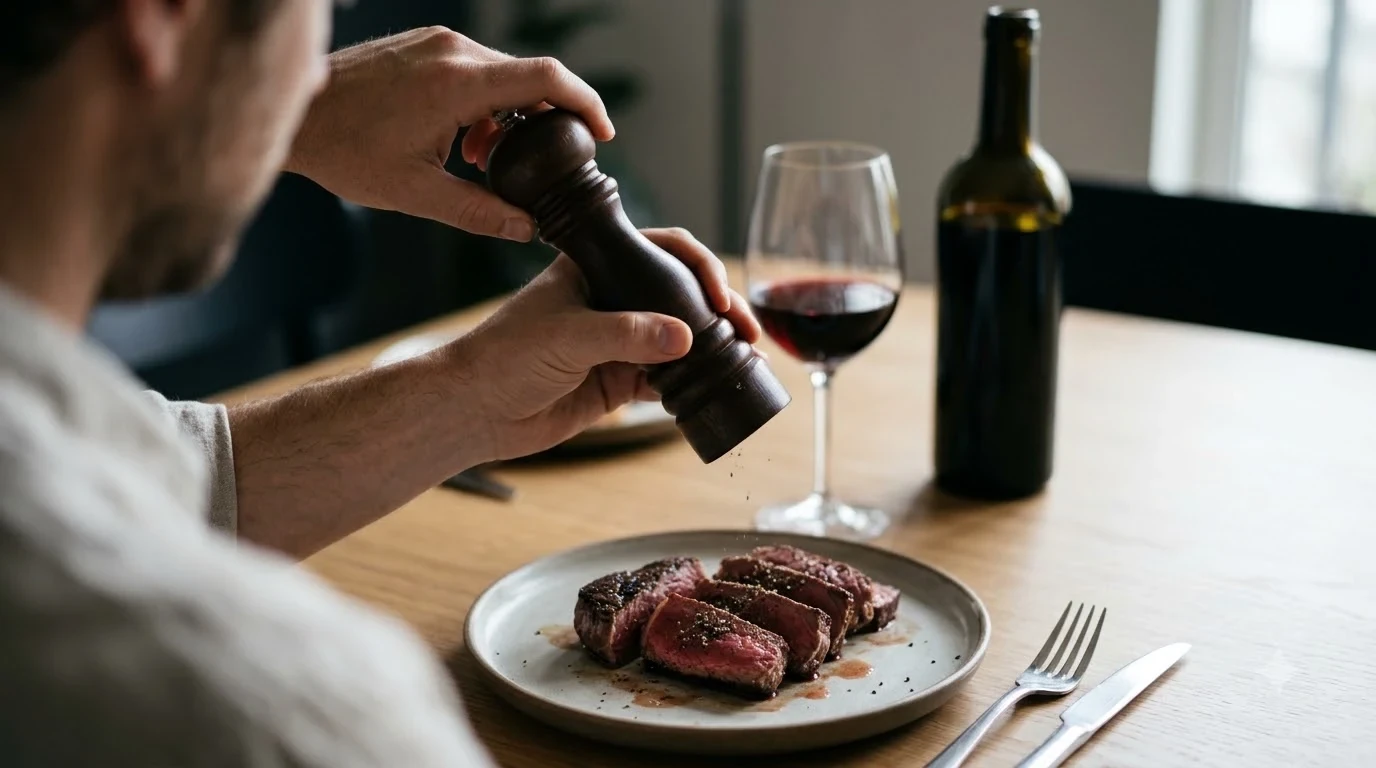
Grenache blanc works well with foods that match its body without overwhelming its aromatics. Its low acidity means it can feel heavy with very rich or very acidic dishes. Medium-weight preparations usually work best.
- Roast chicken or pork with herbs such as thyme and rosemary
- Seafood stews and grilled white fish with lemon
- Provençal vegetable dishes, including zucchini and fennel
- Soft cheeses and mild goat cheese
Because the wine often shows herbal and citrus notes, dishes built on those flavors tend to pair well. Try it with a salad dressed in lemon and fresh herbs. Serve it lightly chilled rather than ice cold, so the aromas stay visible.
How to Buy and Store Grenache Blanc
Buying grenache blanc is easiest when you look at the label first. Check whether the bottle is a varietal wine or a blend, and read the region. Labels that name Châteauneuf-du-Pape or Côtes du Rhône usually signal a blended wine from the Rhône.
- Read the front label for the grape name, either Grenache blanc or Garnacha blanca.
- Check the back label for the region, the producer and the alcohol content.
- Ask a shop staff member whether the wine is young and fresh or aged with oak.
- Store unopened bottles in a cool, dark place away from heat and sunlight.
- Refrigerate leftover wine with a stopper and drink it within a few days for the best flavor.
Storage matters because white wines can lose freshness with heat exposure. Reference guides on wine handling generally suggest keeping whites cool and avoiding temperature swings. For detailed storage advice on your specific bottle, check the producer’s website or label information.
Tip: If you are new to this grape, start with a blend from the Rhône. The mix of grenache blanc and Roussanne shows the style clearly, and you can compare later with a varietal bottle.
Frequently Asked Questions
Is grenache blanc wine dry?
Most grenache blanc wines are dry, though the label is the best guide. Some producers make sweeter styles, and the Rhône tradition includes fortified and dessert wines made from related grapes. Check the bottle description or ask a retailer if you prefer a specific sweetness level.
What does grenache blanc taste like?
Grenache blanc usually tastes full and rounded, with citrus and herbal notes. Young wines can show a fresh, dill-like aroma. The low acidity makes the texture softer than many crisp white wines.
Is grenache blanc the same as Garnacha blanca?
Yes, they refer to the same white grape. Garnacha blanca is the Spanish name, and Grenache blanc is the French name. The U.S. Tax and Trade Bureau approves both names for wine labels.
Should I drink grenache blanc with food?
Grenache blanc pairs well with food, especially roast poultry, herbal vegetable dishes and mild cheeses. Its body suits medium-weight meals more than very light salads. As always, drink responsibly and pace your glass with your meal.
Grenache blanc is a rewarding white for readers who enjoy fuller wines with herbal and citrus character. Start with a Rhône blend to learn the style, then explore varietal bottles as your palate develops. For more background, browse the Wine by Type section.
More in Wine Types & Grapes
 Zinfandel Sugar Content: Dry Red vs. White Zinfandel GramsUpdated Nov 21, 2026
 Best Zinfandel Substitute Options for Sipping and CookingUpdated Nov 21, 2026
 Zweigelt Food Pairing: Best Dishes, Cheeses, and Serving TipsUpdated Nov 21, 2026
 Zinfandel Tannins Explained: How Structure Shapes Every BottleUpdated Nov 21, 2026
 Zinfandel Sweetness Level: Dry Red vs. Sweet White Zin ExplainedUpdated Nov 21, 2026
 Xinomavro Food Pairing: Best Dishes, Styles, and Serving TipsUpdated Nov 21, 2026