

We may earn a commission when you buy through links on this page, at no extra cost to you. Learn more.
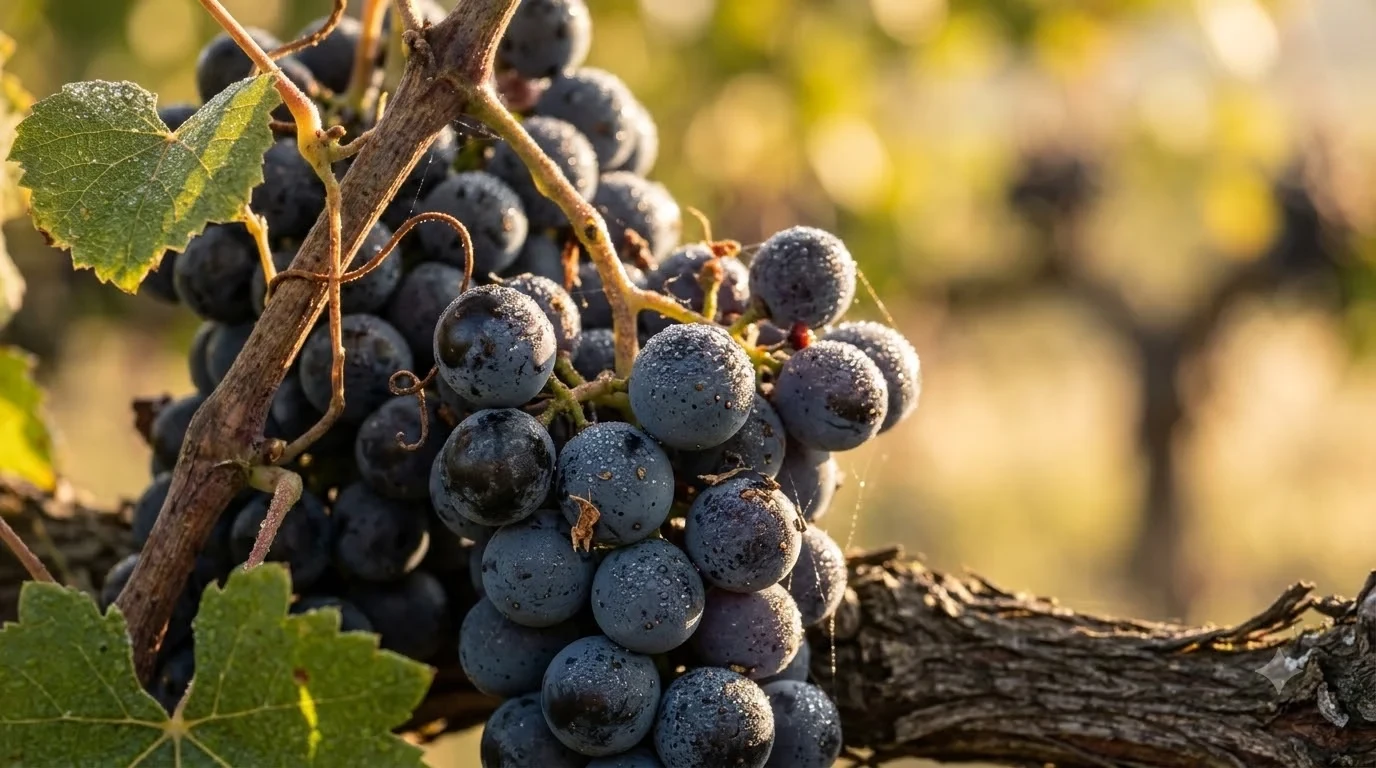
The vidal blanc grape is a white hybrid variety that handles cold winters well while still ripening enough sugar for dry, sweet and ice wines. It was bred in France in the 1930s, but its real success came in North America, where growers rely on its winter hardiness. Its fruity profile and balanced acidity make it a useful grape for many wine styles.
This guide explains where the vidal blanc grape came from, what its wines taste like, and where it grows in the United States. It also covers how winemakers use it and how to choose and store a bottle. If you are new to hybrid grapes, the sections below give a clear starting point.
What Is Vidal Blanc?
Vidal blanc is a white grape that belongs to the hybrid family, meaning it comes from crosses between different Vitis species. According to the Vidal blanc entry on Wikipedia, it is a cross between Ugni blanc, a European vinifera grape also known as Trebbiano Toscano, and Rayon d’Or, a Seibel hybrid. The two parents make the grape roughly half and half.
The main reason growers plant it is cold tolerance. Vidal can survive long periods of cold during the dormant winter season and still produce a crop after a late spring frost. That combination is rare among white wine grapes, which is why it appears so often in cold-climate vineyards.
Vidal also has a practical side in the vineyard. It ripens in the middle of the season and can hang on the vine late into the year. That flexibility lets winemakers choose between dry table wine, sweeter styles, and very concentrated dessert wine from the same grape.
Origin and History of the Vidal Blanc Grape
The vidal blanc grape was developed in France in the 1930s by the breeder Jean-Louis Vidal. His goal was a grape for cognac production in the cold winters and maritime climate of western France. The variety never became a major French grape, and it is no longer an authorized variety there.
Its success moved across the Atlantic. Vidal was brought to Canada in the late 1940s by the French enologist Adhemar de Chaunac, who tested many vinifera and hybrid grapes for Canadian conditions. Ice wine made from Vidal did not become commercially popular in Canada until the 1980s, long after the grape arrived.
Today the grape is widely grown across North America and beyond. The Vidal blanc page on Wikipedia notes that it is also grown in Sweden, where it is used for ice wine. Its history shows how a grape bred for one purpose can find a better home somewhere else.
Flavor Profile and Aroma
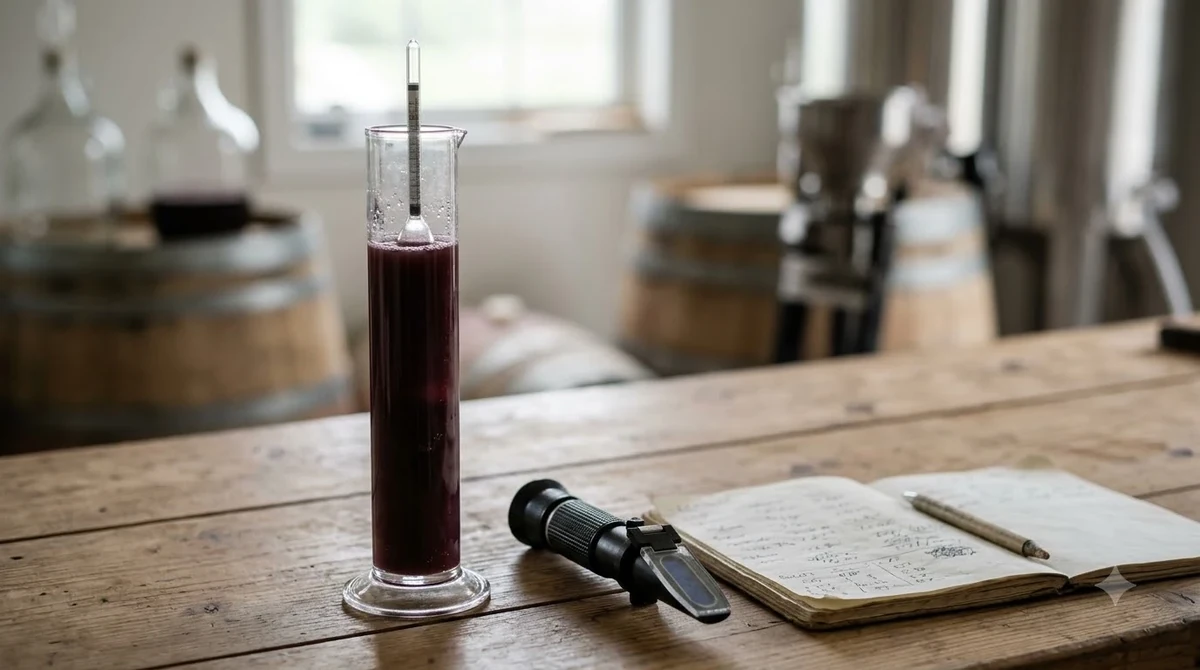
Vidal blanc is usually described as fruity and fresh. Wines made from it often show aromas of grapefruit and pineapple, along with bright citrus and tropical notes. Those fruit flavors are the main reason many winemakers value the grape, especially in sweeter styles.
Acidity is the other key feature. The grape combines high acidity with substantial sugar potential, which helps keep sweet wines from tasting flat. Master of Wine Jancis Robinson has described Vidal wines as bright and pure, with acid that balances sweetness.
Vidal is also known for lacking the strong foxy character found in some hybrids with American grapes in their background. That clean profile makes it easier to enjoy in a wide range of wines. If you like a crisp, fruit-forward white, the sauvignon blanc grape offers a comparable freshness, though its herbal and green notes are quite different.
Where Vidal Blanc Is Grown in the United States
Vidal blanc is grown in many parts of the eastern and central United States, where cold winters are a concern for other grapes. It is planted widely along the East Coast, in the Great Lakes region, and in the Midwest. Growers often choose it for its reliability rather than for a famous regional style.
Wikipedia lists several well-known areas, including the Finger Lakes American Viticultural Area in New York, the Yadkin Valley in North Carolina, and the Outer Coastal Plain in southern New Jersey. Michigan, Virginia, and Missouri also have significant plantings. Virginia reported 150 acres in 2010, and Missouri reported Vidal making up more than 7 percent of its grape plantings in 2009.
The table below summarizes the main regional roles for the grape. Plantings change over time, so check the current figures from state agriculture departments or local wineries before making decisions about the grape.
| Region | Common use | Why growers plant it |
|---|---|---|
| Finger Lakes, New York | Dry, slightly sweet and ice wines | Cold winter survival and strong acidity |
| Great Lakes (Ohio, Michigan, Indiana) | Mostly dry or slightly sweet table wines | Dependable crops in cold climates |
| Virginia | Table wines across several AVAs | Adaptable to humid, variable seasons |
| Missouri | Full-bodied dry styles | Established presence in the state |
| North Carolina and New Jersey | Dry and sweet wines | Fruit flavor with good acid balance |
Tip: Vidal wines are often labeled by region rather than by grape alone. Check the back label or the winery website to confirm the grape and the appellation.
Winemaking Styles: Dry, Sweet, and Ice Wine
Winemakers use vidal blanc across a wide range of sweetness levels. Dry versions show more body and fruit, while sweeter versions lean on the grape’s acidity to keep the wine fresh. Ice wine is the most famous style, made from grapes left on the vine into cold weather.
Missouri dry styles are often described as full-bodied, with a buttery mouthfeel that some compare to Chardonnay that has gone through malolactic fermentation. Vidal in British Columbia often shows tropical aromas and strong fruit in both dry and ice wine styles. Wines from favorable vintages can have a long finish.
The grape’s tough skin makes it well suited to ice wine, according to the Wikipedia entry. Keep in mind that Vidal wines generally have limited aging potential, so most bottles are meant to be enjoyed within a few years. For a deeper look at the wine itself, read the guide to vidal blanc wine styles.
| Style | Typical character | Best way to enjoy it |
|---|---|---|
| Dry table wine | Fruit-forward with noticeable acidity | With lighter meals and seafood |
| Off-dry or slightly sweet | Balanced fruit and acid | As a sipping wine or with spicy food |
| Ice wine | Concentrated, sweet, bright acidity | In small pours with dessert or cheese |
How to Serve, Pair, Buy and Store Vidal Blanc
Vidal blanc works best served cool rather than cold. Very cold temperatures can mute the fruit in a dry wine, while a slightly cooler glass keeps the acidity lively. Check the producer’s notes for serving guidance on a specific bottle.
For food, match dry Vidal with fresh salads, light seafood, and soft cheeses. Slightly sweet versions suit spicy Asian dishes, pork with fruit sauces, and mild cheese boards. Ice wine is best with fruit tarts, crème brûlée style desserts, or blue cheese in small portions.
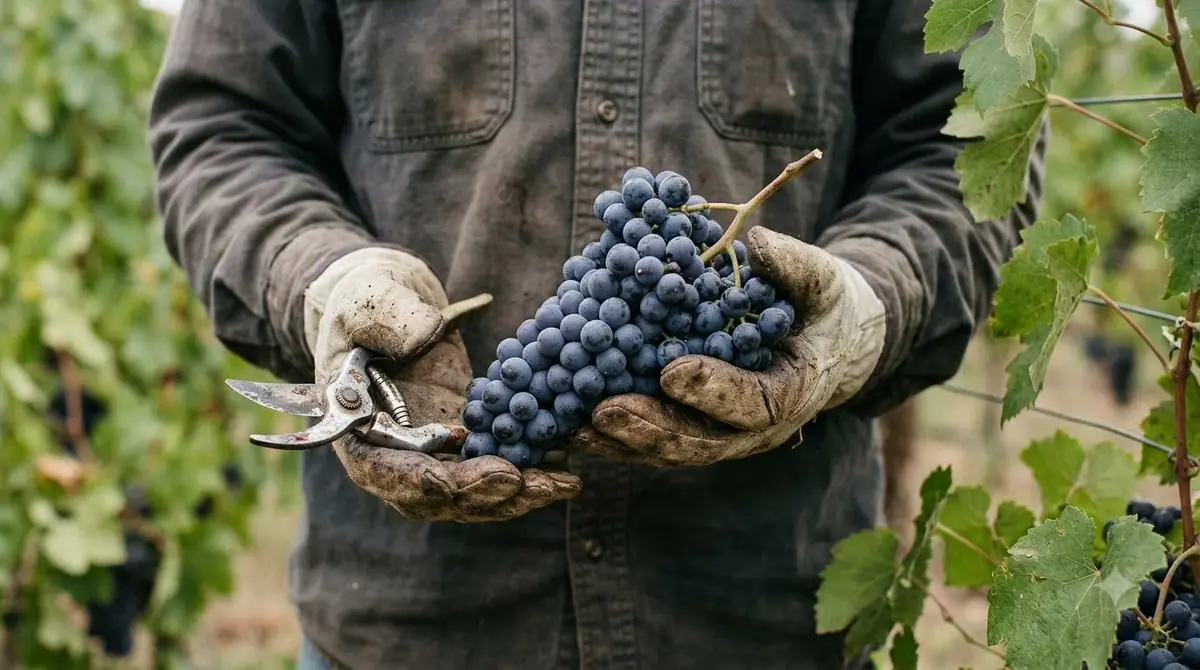
When buying, read the label for the style, sweetness level, and vintage. Ice wines are usually sold in smaller bottles, so look at the volume before you compare. To store an open bottle, recork it and refrigerate it, then finish it within a few days. Unopened bottles should be kept cool and away from light.
- Decide whether you want a dry, off-dry, or ice wine style before you shop.
- Read the back label for the grape, region, and sweetness indication.
- Serve the wine slightly cool, then recork any leftovers and refrigerate them.
Extension guidance on grape growing, such as the UConn fertilizer guidance for grapes, notes that French-American hybrids like Vidal Blanc show greater cold tolerance than many European varieties, which helps explain why the grape thrives in cold regions. If you want to compare a different white style, the catarratto grape page covers a very different Sicilian variety. You can also browse the Wine by Type section to compare more white grapes side by side.
Frequently Asked Questions
Is vidal blanc a red or white grape?
Vidal blanc is a white grape. The name blanc means white in French, and the berries have a light-colored skin. It is used to make white wines in dry, sweet, and ice wine styles.
Why is vidal blanc grown in cold climates?
Vidal blanc is very winter hardy. It survives long periods of cold during dormancy and can still produce a crop after a late spring frost. That reliability makes it a common choice in cold regions like Ontario and the Great Lakes area.
Does vidal blanc taste like sauvignon blanc?
The two grapes share a fresh, bright profile, but they taste different. Vidal leans toward grapefruit, pineapple and tropical fruit, while sauvignon blanc is usually more herbal. Both can be enjoyed well cool, depending on your preference.
Can vidal blanc be aged for a long time?
Most sources say Vidal wines have limited aging potential. They are generally meant to be enjoyed within a few years of release. Check the producer’s guidance for a specific bottle before storing it for a long period.
Vidal blanc is a practical grape with a long history, a fruity profile, and a clear role in cold-climate winemaking. Try a dry bottle first to learn its character, then explore a sweeter or ice wine style. Drink responsibly and enjoy the wine in moderation.
More in Wine Types & Grapes
 Zinfandel Sugar Content: Dry Red vs. White Zinfandel GramsUpdated Nov 21, 2026
 Best Zinfandel Substitute Options for Sipping and CookingUpdated Nov 21, 2026
 Zweigelt Food Pairing: Best Dishes, Cheeses, and Serving TipsUpdated Nov 21, 2026
 Zinfandel Tannins Explained: How Structure Shapes Every BottleUpdated Nov 21, 2026
 Zinfandel Sweetness Level: Dry Red vs. Sweet White Zin ExplainedUpdated Nov 21, 2026
 Xinomavro Food Pairing: Best Dishes, Styles, and Serving TipsUpdated Nov 21, 2026