

We may earn a commission when you buy through links on this page, at no extra cost to you. Learn more.
Vidal blanc wine is a white wine made from the Vidal blanc grape, a cold-hardy hybrid that produces bright, fruity wines in styles ranging from dry to very sweet. The grape was bred in France in the 1930s, but it now grows mostly in Canada and across the eastern and Midwestern United States. Its wines often show grapefruit and pineapple notes backed by lively acidity.
This guide explains what Vidal blanc wine tastes like, why sweetness levels vary so much from bottle to bottle, and how to choose, serve and store it. If you are new to this white, the sections below cover the basics first.
What Is Vidal Blanc Wine and Where Does It Grow?
Vidal blanc wine comes from a grape that was developed for a very different purpose than table wine. Its goal was to make a base for cognac in a cold, damp part of western France. The variety is a hybrid, meaning its parents come from different grape species, and it carries genes from both European and American vines. Understanding that background helps explain why it behaves so differently in the vineyard and the glass.
According to the Vidal blanc entry on Wikipedia, the grape is very winter-hardy and can produce high sugar levels in cold climates while keeping moderate to high acidity. That combination is why it became popular in places where many classic European varieties struggle to ripen. Today the largest plantings are in Ontario, with additional vineyards in British Columbia, Quebec and Nova Scotia.
In the United States, the grape is spread across many states rather than concentrated in one famous region. Growers use it in the Finger Lakes of New York, parts of Virginia, Michigan, Missouri and several Ohio appellations. Many of these wines are made as dry or slightly sweet table wines, which is a useful clue when you shop for a bottle.
Vidal Blanc Flavor Profile and Sweetness Levels
Vidal blanc is known for fruit-forward wines with bright acidity. Most people describe the aroma as citrusy and tropical, with grapefruit and pineapple among the common notes. The grape also lacks the strong, grapey character that some American hybrids carry, so the wine usually tastes clean rather than heavy or musky.
Sweetness is the biggest variable. Winemakers can stop fermentation early to leave residual sugar, or they can make a dry wine that ferments fully. Because the grape holds acidity so well, even sweeter versions usually feel balanced rather than syrupy. The table below sums up the styles you are most likely to see on a shelf.
| Style | What to expect | Good for |
|---|---|---|
| Dry | Crisp, fruity, with citrus and pineapple notes and noticeable acidity | Everyday sipping and simple seafood or salads |
| Off-dry or slightly sweet | Rounder fruit, with the acidity keeping the finish fresh | Spicy food and guests who prefer a softer white |
| Sweet or late harvest | Concentrated honeyed fruit with lively acidity | Dessert, cheese plates and sipping after dinner |
| Ice wine | Very sweet and intense, made from grapes left on the vine into winter | Small pours with fruit desserts or blue cheese |
Some dry Vidal wines from warmer sites can show a fuller, almost buttery texture. The Wikipedia entry notes this in some Missouri examples, which can taste similar to certain oaked Chardonnays. Aging potential is generally limited, so most bottles are meant to be enjoyed within a few years of release.
Tip: If you are unsure about sweetness, check the back label or the producer’s website for a description of the style before you buy.
Vidal Blanc Alcohol Content and Calories
Alcohol content in Vidal blanc wine depends on the winemaker and the style. Dry versions are usually at the moderate end, while ice wines are often lower in alcohol because the sugar in the grapes stays unfermented. The exact number is printed on the label, so that is the most reliable place to check before you open a bottle.
Calories follow a similar pattern. Sweeter wines contain more residual sugar, so they generally carry more calories per glass than a dry bottle of the same volume. Dry wines are lighter in both sugar and calories. If you are tracking intake, compare the label values of two bottles rather than relying on general estimates for the grape.
Responsible drinking matters with any style. A small pour of a sweet dessert wine can be just as strong as a larger glass of a dry white. Pace yourself, drink water between glasses, and skip alcohol entirely if you are pregnant, driving or taking medication that interacts with it.
How to Serve and Pair Vidal Blanc Wine
Serving temperature has a big effect on how Vidal blanc tastes. Cold wine shows crisp fruit and firm acidity, while warmer wine can taste flat and overly sweet. A short chill in the refrigerator before pouring usually gives the best balance for dry and off-dry styles. Sweeter wines and ice wines can be served a little colder and in small glasses.
- Chill the bottle in the refrigerator until it is cold to the touch.
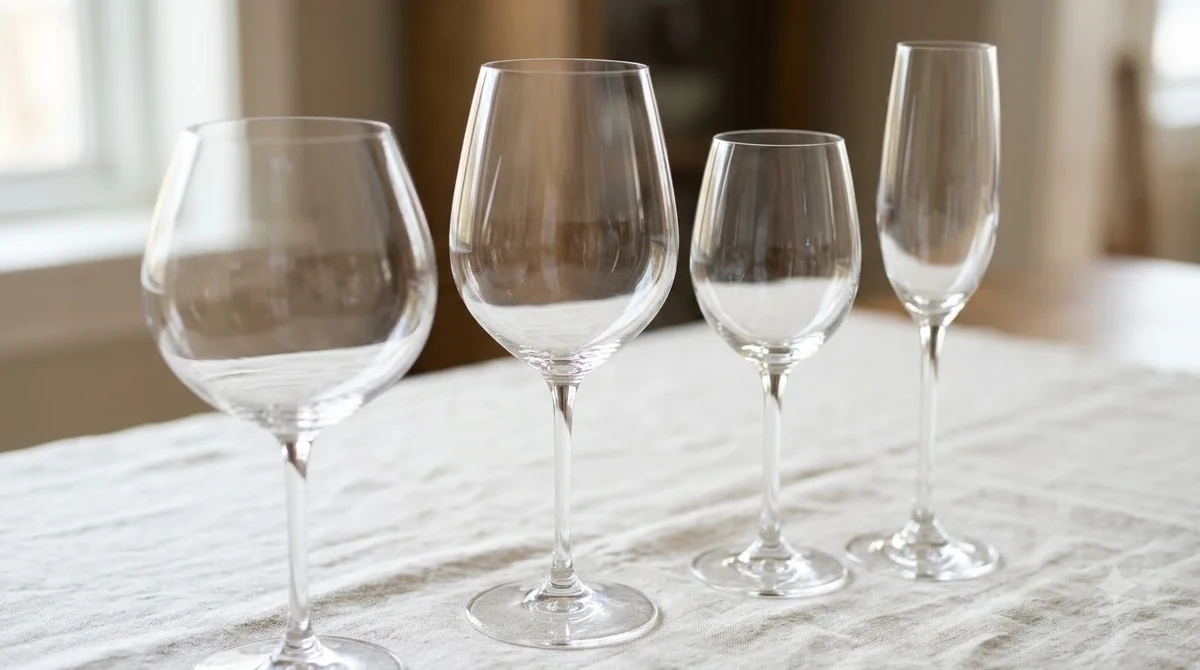
- Pour a moderate amount into a standard white wine glass to hold the aroma.
- Let the wine sit for a few minutes as it warms slightly, which opens the fruit.
- Match sweeter styles with desserts or sharp cheeses, and keep dry styles for lighter dishes.
Vidal blanc pairs well with foods that share its bright acidity. Dry versions suit seafood, fresh salads, goat cheese and light Asian dishes with ginger or citrus. Off-dry bottles handle spicy foods, such as Thai curries, because a little sweetness cools the heat. Ice wine and late harvest styles are best with fruit tarts, crème brûlée or blue cheese.
Vidal Blanc vs. Other White Wines
Vidal blanc is often compared with Riesling, Chardonnay and Seyval blanc, since all four appear on many American wine lists. The main difference is that Vidal blanc usually shows more tropical fruit than Chardonnay and less floral character than Riesling. Its acidity is a useful point of comparison, because it often balances sweetness more gracefully than many other whites.
A Cornell grape genetics bulletin notes that later French hybrids, including Vidal blanc, earned more praise for wine quality than early hybrids did. The same source describes French-American flavors as subtler than those of many varieties with strong native American parentage. That subtlety makes Vidal easier to blend and easier to style in different ways. It also explains why some producers use it as a base and others bottle it as a single variety.
| White wine | Typical character | How it compares to Vidal blanc |
|---|---|---|
| Vidal blanc | Fruity, citrusy, bright acidity | Reference point for this comparison |
| Riesling | Floral, mineral, often aromatic | Riesling is usually more floral; Vidal is often more tropical |
| Chardonnay | Apple, pear, sometimes oaky and buttery | Chardonnay can feel richer; Vidal is usually lighter on oak |
| Seyval blanc | Crisp, herbal, with firm acidity | Both are cold-hardy; Seyval often tastes more herbal |
If you already enjoy a crisp, fruit-forward white, Vidal blanc is an easy next step. For a deeper look at the grape itself, including how it grows, read the Vidal blanc grape guide. Many people also compare it with other crisp whites, and the sauvignon blanc alcohol content guide shows how alcohol levels differ across white styles.
How to Buy and Store Vidal Blanc Wine
When you shop, start with the style you want. Look for the words dry, off-dry, sweet or ice wine on the label or in the producer’s description. If the label is unclear, ask a wine shop employee to point you to bottles from the same producer that show the sweetness level clearly.
Storage is simple for most Vidal blanc. Keep unopened bottles in a cool, dark place away from heat and sunlight. Once opened, reseal the bottle and refrigerate it, since cold slows oxidation and keeps the fruit fresh for a few days. Because aging potential is limited, drink most bottles within a few years of release unless the producer says otherwise.
For a broader view of white styles and how they fit together, browse the Wine by Type section. It is a good place to compare Vidal blanc with other crisp, fruity wines you may want to try next.
Frequently Asked Questions
Is Vidal blanc wine sweet or dry?
It can be either. Vidal blanc is made in dry, off-dry, sweet and ice wine styles. The grape holds acidity well, so even sweeter versions often taste balanced. Check the label or producer description to find the style you want.
What does Vidal blanc wine taste like?
Most Vidal blanc wines are fruity and bright, with grapefruit and pineapple notes. The wine usually lacks the strong grapey or musky character that some American hybrids carry. Acidity keeps it fresh, and sweeter styles add honeyed fruit.
Is Vidal blanc a good wine for beginners?
Many people find it approachable because the fruit is clear and the flavors are not heavy. A slightly sweet bottle can be a gentle introduction to white wine. Serve it well chilled and try a few styles to see which you prefer.
How should I serve Vidal blanc wine?
Serve it cold, but not icy, in a standard white wine glass. Dry styles suit seafood and salads, while sweeter styles pair with desserts or sharp cheeses. Check the producer’s notes for any specific serving advice on the bottle.
Vidal blanc wine offers a practical, fruit-forward option for anyone who wants a white that handles a range of sweetness levels. Start with a dry bottle to learn the base flavors, then try a sweeter style with dessert. Use the label and serving tips above to choose confidently.
More in Wine Types & Grapes
 Zinfandel Sugar Content: Dry Red vs. White Zinfandel GramsUpdated Nov 21, 2026
 Best Zinfandel Substitute Options for Sipping and CookingUpdated Nov 21, 2026
 Zweigelt Food Pairing: Best Dishes, Cheeses, and Serving TipsUpdated Nov 21, 2026
 Zinfandel Tannins Explained: How Structure Shapes Every BottleUpdated Nov 21, 2026
 Zinfandel Sweetness Level: Dry Red vs. Sweet White Zin ExplainedUpdated Nov 21, 2026
 Xinomavro Food Pairing: Best Dishes, Styles, and Serving TipsUpdated Nov 21, 2026