

We may earn a commission when you buy through links on this page, at no extra cost to you. Learn more.
Ugni Blanc grape is a white variety that France plants more than any other white grape, and most of its crop goes into brandy rather than table wine. It is the French name for the grape known as Trebbiano in Italy. Its high acidity makes it well suited to distillation for Cognac and Armagnac, while its wines are fresh, light and meant to be drunk young.
If you have seen Ugni Blanc on a French label or a brandy bottle, you may have wondered whether it is a different grape from the Italian Trebbiano. It is the same variety under a different name. This guide focuses on the French side of the story: how the grape is used, where it is planted in France, what its wines taste like, and how to think about it on a shopping list.
Why the French call it Ugni Blanc
The grape’s history begins in Italy. According to the Wikipedia entry on Ugni blanc, the variety probably came from Italy, with possible roots in the Eastern Mediterranean before that, and it was known in Roman times. It reached France possibly during the Papal retreat to Avignon in the 14th century. Once it arrived, it took on the French name Ugni blanc and was spread across the south and west of the country.
The grape has many other names. Wikipedia lists St. Émilion, White Hermitage and White Shiraz among its synonyms, along with regional names such as Clairette Ronde, Queue de Renard and Rossola in Corsica. The name St. Émilion is especially useful to know, because it appears in brandy production more often than on wine labels. A bottle labeled St. Émilion from the brandy side of France can be made from the same grape as a bottle labeled Ugni Blanc on the wine side.
These names are one reason the grape is easy to overlook. Someone shopping for a French white may not connect Ugni Blanc with a Cognac bottle they already own, even though the two are closely linked.
Ugni Blanc and Cognac
Most of the grape’s value in France comes from distillation. Wikipedia reports that under the name St. Émilion, Ugni Blanc is the most common grape variety in both Cognac and Armagnac. The grape’s high acidity is the trait most often cited as the reason it is chosen for these brandies.
The wine that goes into Cognac is not meant to be enjoyed as a glass of table wine. It is a thin, sharp base that the distiller turns into spirit. That is a different job from the one a fruit-driven white wine does, so the grape’s character in brandy is quite unlike its character in a bottle of still wine.
If you enjoy Cognac, it helps to know that the spirit’s base is a humble white wine made from Ugni Blanc. The grape does not add much to the aroma of a still wine, but its acidity and structure make the final brandy possible.
Where Ugni Blanc is planted
In France, Ugni Blanc is the most widely planted white grape. Wikipedia says the grape is especially common along the Provençal coast and in the Gironde and Charente regions. It is also one of the three primary white varieties of Côtes de Provence, which means it shows up in some of the region’s dry whites as well as in brandy.
Outside France, the grape has a strong presence in Italy, where the Trebbiano family accounts for around a third of Italian white wine and appears in more than 80 DOCs. Australia is a smaller but notable location. Wikipedia reports that major plantings there are in New South Wales and South Australia, mostly for brandy and blending. The grape arrived there with James Busby in 1832.
When you read a French or Australian label, the region matters more than the grape name. A white from Provence may be made with Ugni Blanc in a blend, while a brandy from Charente is far more likely to use it as its main base.
What the wine tastes like
As a still wine, Ugni Blanc is usually fresh and fruity, with a clean, crisp finish. Wikipedia describes the vine as yielding well, but notes that the wine is usually undistinguished on its own. It can be pleasant and refreshing, but it rarely has the depth of a single-varietal white from a grape like Melon de Bourgogne or Chardonnay.
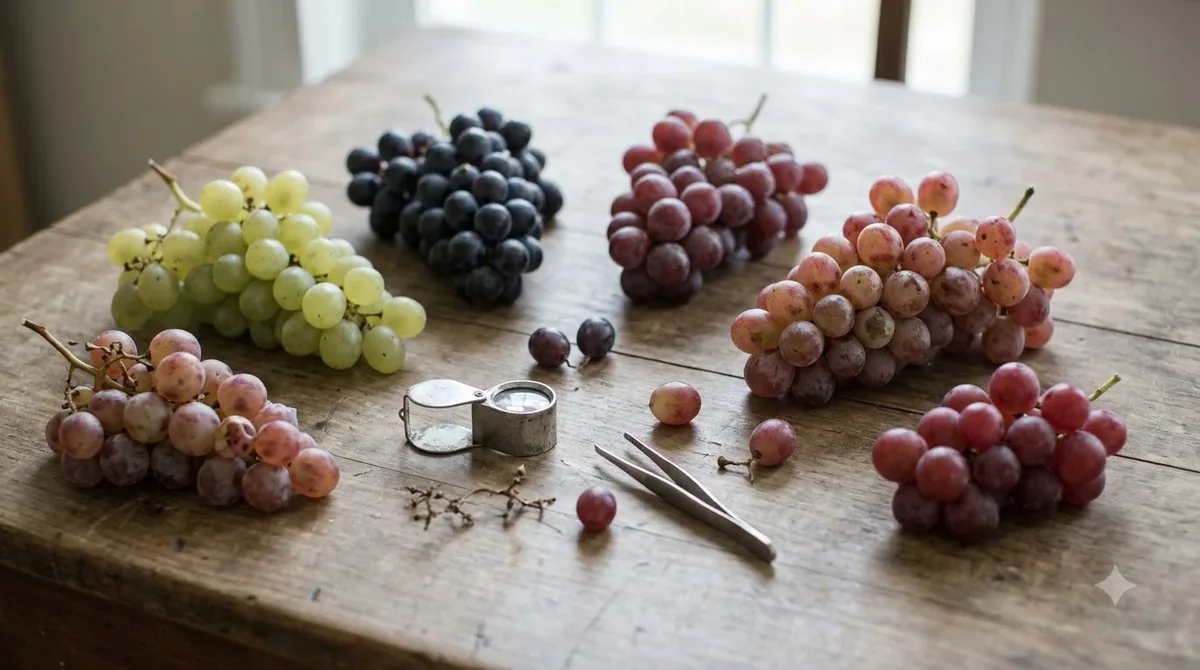
The juice is acidic and yellow, which is part of why the grape works so well for distillation. It also means the wine can taste sharp when it is young. That sharpness is often a good thing in a light white, since it keeps the glass tasting fresh rather than flat.
For many people, the easiest way to meet this grape is through a simple bottle at a casual meal. Pick a recent vintage, chill it well, and taste it alongside a plate of seafood or salad. That quick test tells you more about the style than any description can, and it shows why the grape is so often used as a practical, everyday white.
Ugni Blanc wine does not keep long. Most bottles are meant to be drunk within a year or two of the vintage. If you find an older bottle, it may have lost the fresh fruit that makes the style appealing, so buy recent releases when you can.
How to serve and pair Ugni Blanc
Serve Ugni Blanc wine well chilled, in a standard white wine glass. The cold keeps the acidity crisp and helps the simple fruit come forward. Because the wine is light, it does not need a large glass or a long decant.
The wine pairs with bright, simple food. Seafood such as grilled fish, shellfish and salads with lemon all suit its acidity. Provençal dishes with herbs, olive oil and vegetables are a natural match for the coastal wines. Light cheeses and cured meats also fit the style. Avoid heavy cream sauces, which can overwhelm a delicate white.
If you want a white with more character for the same kind of meal, Melon de Bourgogne is a crisp French white that brings more mineral edge. It is a useful comparison point for anyone trying to choose between simple and more expressive whites from France.
| Name | Where you will see it | What it usually means |
|---|---|---|
| Ugni Blanc | French wine labels | The main French name for the grape |
| St. Émilion | Cognac and Armagnac | The name used in brandy production |
| Trebbiano | Italian wine labels | The same grape under its Italian name |
| White Hermitage | Australian history | The name used when the grape arrived in Australia in 1832 |
Tip: When you are buying a brandy, the region and producer on the label tell you more than the grape name, which is rarely the focus of a brandy bottle.
Frequently Asked Questions
Is Ugni Blanc the same as Trebbiano?
Yes. Ugni Blanc is the French name, and Trebbiano is the Italian name for the same grape. The name changes with the country, but the variety is the same.
Why is Ugni Blanc used for Cognac?
Its high acidity makes it well suited to distillation. Wikipedia reports that under the name St. Émilion it is the most common grape in both Cognac and Armagnac, which is why it is valued for brandy rather than for complex wine.
Is Ugni Blanc wine good to drink?
It can be pleasant and refreshing when it is young and well chilled. Wikipedia describes the wine as usually undistinguished on its own, so it suits casual drinking rather than special occasions.
Where is Ugni Blanc grown in France?
It is planted widely across France, especially along the Provençal coast and in the Gironde and Charente regions. It is also one of three primary white grapes in Côtes de Provence.
Ugni Blanc is a grape that quietly supports a large part of French brandy and a good share of everyday French and Italian white wine. For a broader view of how white grapes fit together, the Wine by Type guide is a useful next step. If you like crisp French whites and want to compare a more expressive option, read the Melon de Bourgogne grape guide. The Wikipedia entry on Ugni blanc covers the synonyms and regional plantings in more detail.
More in Wine Types & Grapes
 Zinfandel Sugar Content: Dry Red vs. White Zinfandel GramsUpdated Nov 21, 2026
 Best Zinfandel Substitute Options for Sipping and CookingUpdated Nov 21, 2026
 Zweigelt Food Pairing: Best Dishes, Cheeses, and Serving TipsUpdated Nov 21, 2026
 Zinfandel Tannins Explained: How Structure Shapes Every BottleUpdated Nov 21, 2026
 Zinfandel Sweetness Level: Dry Red vs. Sweet White Zin ExplainedUpdated Nov 21, 2026
 Xinomavro Food Pairing: Best Dishes, Styles, and Serving TipsUpdated Nov 21, 2026