

We may earn a commission when you buy through links on this page, at no extra cost to you. Learn more.
Is Segura Viudas Brut good? Yes—Segura Viudas Brut is a well-made, dry Spanish Cava with crisp acidity, persistent bubbles, fresh fruit, and enough lees-aged complexity to make it a strong choice for casual celebrations and food-friendly aperitifs. Its profile combines citrus and white-fruit notes with hints of lime, pineapple, and light florals, while the traditional-method production gives it more texture than a simple, quickly made sparkling wine. It is especially appealing to drinkers who want a versatile bottle for seafood, salty appetizers, or a first glass before dinner.
Segura Viudas Brut comes from Spain’s Cava tradition, where the bubbles form through a second fermentation inside the bottle. The producer’s U.S. product page describes a blend led by Macabeo with Xarel·lo and Parellada, and a minimum of 12 months of bottle aging. The result is a dry, lively sparkling wine that suits a broad range of occasions, although its crisp style will not satisfy everyone looking for soft sweetness or rich, Champagne-like toastiness. This guide explains what is in the glass, how to choose the right bottle, and how to serve it well. For a closer look at the bottling itself, see Segura Viudas Brut.
Who This Is For
Segura Viudas Brut is a good fit for people who prefer dry, bright sparkling wine over sweet fizz. Its acidity and steady bubbles work well as an aperitif, and its fruit-and-citrus profile makes it easy to serve beside seafood, olives, or soft cheese without requiring a formal tasting occasion.
It suits hosts who need one bottle that can move from a first toast to the table. The producer suggests anchovies, clams, seafood pasta with olive oil, warm quail salad, and mild cheeses such as Brie. Its acidity refreshes the palate after salty or creamy bites, and the citrus notes echo lemon and herbs. Shrimp and fried appetizers are also natural partners.
Drinkers who enjoy apple, pear, citrus, and tropical-fruit character are likely to find the style approachable. Wine Enthusiast’s review of the non-vintage Brut identifies Granny Smith apple, apricot, saline, Bartlett pear, guava, passion fruit, brioche, and toasted hazelnut. Those notes add dimension without making the wine sweet; its finish remains dry and framed by acidity.
This is less suitable for someone seeking a sweet sparkling wine, a low-acid pour, or the deep pastry notes of a long-aged prestige bottle. Very hot chili dishes are also a difficult match because alcohol can make chili heat feel stronger. For broader comparisons, the Wine Brands directory can help put the choice in context.
Key Factors to Compare
Compare the grape blend, aging time, sweetness level, alcohol, and flavor profile. Product pages and reviews can show slightly different alcohol figures across markets and bottlings.
Segura Viudas’ U.S. product page lists 50% Macabeo, 30% Xarel·lo, and 20% Parellada, with at least 12 months of bottle aging. It also describes three months of yeast autolysis in the base wine. Wine Enthusiast lists its reviewed non-vintage Brut at 12% ABV, while the producer’s U.S. page lists 12.5%; treat these as bottling- and source-specific figures, not one universal specification.
| Factor | Segura Viudas Brut | What It Means for You |
|---|---|---|
| Origin and category | Cava, Spain | Spanish traditional-method sparkling wine |
| Grape blend | 50% Macabeo, 30% Xarel·lo, 20% Parellada | Fresh fruit, acidity, and structure in one blend |
| Lees aging | Minimum 12 months in bottle | More texture and yeast-derived complexity than a very young tank-fermented fizz |
| Base-wine preparation | Three months of yeast autolysis before bottling | A source of added complexity before the second fermentation stage |
| Alcohol | 12.5% on the U.S. producer page; 12% in Wine Enthusiast’s reviewed listing | Expect a medium-bodied sparkling-wine feel; published figures vary |
| Sweetness | Brut; producer sommelier note cites 9 grams of sugar in its dosage | Dry in style, not sugar-free |
| Flavor cues | White fruit, citrus, tropical fruit, lime, pineapple, and light florals | Fresh and fruity with a clean, dry finish |
| Serving temperature | About 40–50°F | Chill thoroughly to keep the bubbles lively and the finish refreshing |
The Cava Regulatory Council sets Brut at a maximum of 12 grams of sugar per liter; the producer’s sommelier note describes Segura Viudas Brut as lightly dosed, citing 9 grams of sugar. That is dry, but not the same as Brut Nature, which allows only 0–3 grams per liter. A little dosage can round acidity beside creamy cheese or salty snacks.
Look at aging claims, too. Cava de Guarda requires at least nine months; standard Segura Viudas Brut is listed by the producer at 12 months. “Reserva” requires at least 15 months, so a bottle labelled Brut is not automatically the same product as Brut Reserva.
Step-by-Step
A sensible buying decision starts with the label, then checks the wine’s style against the food and occasion. These steps help distinguish the standard Brut from related bottles and prevent a mismatch between dry sparkling wine and the sweetness or intensity of the menu.
- Confirm the bottling name. Look for Segura Viudas Brut if you want the standard bottling discussed here. A label that says Brut Reserva identifies a separate product and a longer minimum aging statement; the Cava Regulatory Council defines Reserva as at least 15 months, compared with the producer’s 12-month minimum for standard Brut.
- Check the alcohol statement. The U.S. producer page lists 12.5% ABV, while Wine Enthusiast’s non-vintage review lists 12%. The difference is a reason to use the information printed on the bottle in hand rather than assume every market or release has an identical figure. More detail is available in this explanation of Segura Viudas Brut alcohol content.
- Decide how dry you want the wine. Brut is dry, with a regulatory ceiling of 12 g/L sugar for Cava. If the gathering includes guests who prefer sweeter sparkling wine, choose a sweeter category instead of expecting Brut to taste like Demi-Sec or Doux.
- Plan the food pairing. For the cleanest match, build the menu around clams, shrimp, anchovies, mild Brie, or seafood pasta. Salt and fat can soften a wine’s sharper edges, while the acidity and carbonation refresh the palate between bites.
- Chill it before opening. Aim for 40–50°F for sparkling wine. A well-chilled bottle keeps its mousse lively and makes the fruit and acidity feel balanced; a bottle served warm can seem broader and less refreshing.
- Use the right glass and pour. A white-wine glass gives the aromas room to open, while a flute preserves a narrow stream of bubbles. Pour slowly down the side of the glass and serve a standard 5-ounce pour to leave room for the mousse.
These checks are useful with online listings, where older tasting notes can be carried forward. Match the exact label to the intended use rather than treating every Segura Viudas sparkling bottling as one fixed recipe.
Tip: Chill the bottle in an ice-and-water bath for about 20–30 minutes rather than leaving it in the freezer. Water surrounding the bottle transfers heat more evenly, and a timer helps prevent an overlooked bottle from freezing.
Types or Styles Explained
“Brut” describes the sweetness category, while “Cava” identifies the Spanish traditional-method wine. The grapes, time on lees, and the producer’s blending choices shape the flavor; they are separate questions from whether the wine is dry or sweet.
Segura Viudas Brut uses three classic Cava grapes. Macabeo is the largest share at 50% on the U.S. producer page and contributes fruit and balanced acidity. Xarel·lo makes up 30% and helps give the blend structure, while Parellada accounts for 20% and is commonly associated with finesse and freshness. Together, they make a bright, balanced base for a sparkling wine intended to work both on its own and with food.
The traditional method is central to the texture. The Cava Regulatory Council requires the second fermentation to happen in the bottle, not in a pressurized tank. During aging, yeast cells break down and can contribute bread, pastry, or nut-like notes. Segura Viudas describes three months of yeast autolysis in the base wine and at least 12 months of bottle aging for standard Brut.
Cava’s sweetness categories range from Brut Nature (0–3 g/L), Extra Brut (0–6 g/L), and Brut (up to 12 g/L) to sweeter Extra Seco, Seco, Semi Seco, and Dulce. Aging categories include Cava de Guarda (at least nine months), Reserva (15 months), and Gran Reserva (30 months). Segura Viudas also offers a separately designated Brut Reserva, listed at 15 months or more, while standard Brut is listed at 12 months. These are regulated categories, not an automatic quality ranking. The Segura Viudas wine overview can help compare the wider range without assuming every bottle shares the same blend or aging schedule.
Common Mistakes
The most common mistake is expecting every Brut sparkling wine to taste exactly alike. Brut sets a sweetness limit, not a promise of identical aroma, acidity, texture, or richness; the Cava method, grape blend, and lees contact all influence the finished wine.
Another mistake is treating “Brut” as a guarantee of zero sugar. The Cava Regulatory Council permits up to 12 g/L in this category, and Segura Viudas’ sommelier note describes its dosage as 9 grams of sugar. That still tastes dry to most drinkers, but it can soften the wine’s edges. For the leanest style, compare Brut with Extra Brut or Brut Nature.
It is easy to confuse standard Brut with Brut Reserva: the producer lists at least 12 months for standard Brut, while Reserva begins at 15 months. Read the full product name, since older retailer descriptions may also refer to a different blend. Pairing can go wrong when the dish is much sweeter or hotter than the wine. A wine should generally be at least as sweet as its dessert; dry Brut can taste tart with sugary cake, while strong chili heat can make alcohol feel more pronounced. Choose salty tapas, shellfish, mild cheese, or lightly seasoned poultry instead.
Finally, do not serve the bottle too warm or pour it into a glass filled to the rim. Sparkling wine is usually best at 40–50°F, and a 5-ounce serving leaves enough space for bubbles and aroma. Overfilling a narrow flute makes it harder to appreciate the nose and easier for the wine to spill as the mousse rises.
Care or Storage Tips
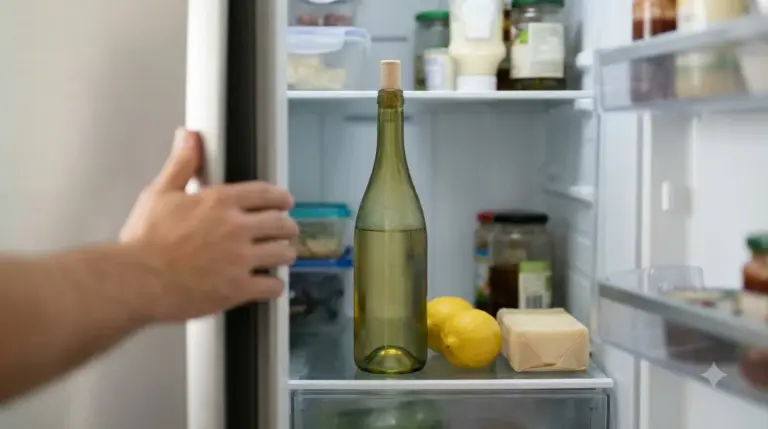
Good storage protects the freshness and effervescence that make Segura Viudas Brut appealing. Keep an unopened bottle cool, dark, and away from temperature swings; chill it shortly before serving rather than storing it in the refrigerator for an extended period.
For longer storage, lay the bottle on its side in a consistently cool place near 55°F, away from sunlight, vibration, and heat-producing appliances. A stable temperature matters more than finding a display spot. Avoid a kitchen counter beside an oven or a garage that becomes hot during the day and cold overnight. Standard non-vintage Cava is generally purchased for freshness and near-term enjoyment rather than extended cellaring, so there is little reason to hold an everyday bottle for years.
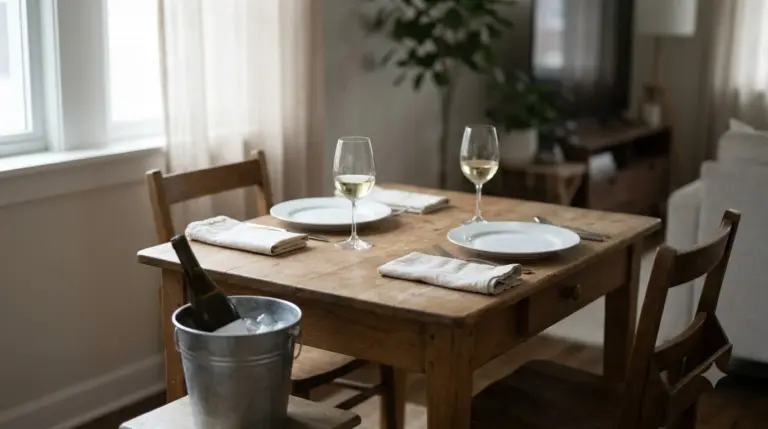
Before serving, chill the bottle to 40–50°F. An ice bucket with equal parts ice and water usually cools it in about 20–30 minutes. Keep the bottle pointed away from people, hold the cork firmly, and rotate the bottle for a controlled release. A flute emphasizes the stream of bubbles; a medium white-wine glass opens citrus, pear, and yeast notes. Pour about 5 ounces per glass, or roughly five standard servings per 750 ml bottle.
After opening, use a sparkling-wine stopper and refrigerate the bottle upright. Enjoy it within one to three days while the mousse remains lively. A stopper slows carbonation loss but cannot restore bubbles that have escaped; a flat remainder is better used in a quick pan sauce than served as fresh sparkling wine.
Frequently Asked Questions
These answers cover a few practical details beyond flavor and food matching, including how Cava is classified, what to ask about production, and how to plan servings for a group.
Is Segura Viudas Brut Champagne?
No. It is Cava from Spain, not Champagne from France. Cava may use only grape varieties approved by its Regulatory Council, while Champagne follows a separate French appellation and its own regional rules.
Is Segura Viudas Brut vegan?
The producer’s standard Brut product page does not provide a vegan certification or a full fining-agent statement. Some winemaking fining agents are animal-derived, so a vegan buyer should ask the producer about the specific bottling rather than infer its status from the grape blend.
Does Segura Viudas Brut contain sulfites?
Like most wines, it may contain sulfites formed naturally during fermentation, as well as sulfur dioxide added during production for preservation. The product page does not state a numerical total, and a “contains sulfites” statement is not a measurement of the bottle’s exact level.
Can Segura Viudas Brut be used in a mimosa?
Yes. Its dry profile can balance orange juice, especially when the juice is freshly squeezed and not heavily sweetened. A common mimosa ratio is equal parts sparkling wine and juice; use two parts Cava to one part juice for a drier, more wine-forward drink.
Is Segura Viudas Brut suitable for a wedding toast?
Yes, its dry, approachable style suits a casual or mid-sized toast. For 3-ounce pours, a 750 ml bottle gives about eight servings, so plan on roughly 13 bottles for 100 guests, plus a small buffer for spills and larger pours.
Segura Viudas Brut is a good choice for drinkers who want dry, food-friendly Cava with fresh fruit, lively acidity, and a hint of lees-derived complexity. Serve it cold with seafood, salty appetizers, or mild cheese, and choose a sweeter or more deeply aged style only when the menu or your taste calls for one.
More in Wine Brands
 Trimbach Riesling Review: Pick the Right Dry Alsace StyleUpdated Nov 21, 2026
 Veuve Clicquot Wine Price: Compare Bottles and Choose the Right ChampagneUpdated Nov 21, 2026
 Unshackled Wine Price: What to Expect for Every BottleUpdated Nov 21, 2026
 Trimbach Riesling Price: What to Pay for a Quality Alsace WhiteUpdated Nov 21, 2026
 Tisdale Wine Review: How to Choose the Right BottleUpdated Nov 21, 2026
 Trapiche Malbec Price: What a Bottle Typically CostsUpdated Nov 21, 2026