

We may earn a commission when you buy through links on this page, at no extra cost to you. Learn more.
The wine most people mean by “segura viudas wine” is Spanish Cava, traditional-method sparkling wine made in the Penedès region near Barcelona. Its range includes crisp Brut, longer-aged Brut Reserva, rosé, and an organic bottling, with blends built around Macabeo, Xarel·lo, Parellada, and Trepat. Expect lively bubbles, fresh fruit, citrus, and a dry finish in the Brut styles, with richer yeast and pastry notes as bottle aging increases.
Segura Viudas is a useful name to know if you want sparkling wine with a clear regional identity and several styles to choose from. Understanding its history, grapes, aging, and sweetness labels makes it easier to select a bottle for an aperitif or a meal.
What Segura Viudas Wine Means
Segura Viudas is a Spanish winery and wine brand associated most closely with Cava from Penedès, the historic wine area in Catalonia outside Barcelona; its best-known bottles are sparkling and emphasize freshness, fruit, fine bubbles, and savory notes from yeast-lees aging. The key point for American shoppers is that Segura Viudas is a producer rather than one wine or grape: its Cava bottlings differ in blend, aging period, and flavor.
The winery’s history reaches well beyond its modern brand identity. Segura Viudas traces its estate story to a medieval property; a deed from 1156 calls the building Domus de Reÿm, or “the house of grapes.” The site developed from a defensive tower into a farmhouse and working estate. The Segura brothers acquired the property in the 1950s, built winery facilities, and launched the premium Heredad Cava in 1969.
The name can cause some confusion. Segura Viudas is the producer, Cava is the Spanish sparkling wine category, and Penedès is the region tied to the winery. Brut, Brut Reserva, Brut Rosé, Organic Brut, and Brut Reserva Heredad are individual styles within the portfolio. Readers exploring other producers can use this overview of Wine Brands, but the most useful comparison here is among the Segura Viudas bottlings.
How the Cava Is Made
Segura Viudas makes Cava by the traditional method: the wine undergoes a second fermentation in the bottle, where the bubbles form, and then rests with spent yeast cells called lees. This process shapes the texture and can add bread, pastry, and nut-like notes alongside fresh fruit.
The process begins with base wines made from selected grapes. Segura Viudas describes cool stainless-steel fermentation at 14 to 16 degrees Celsius for Heredad, preserving primary aromas. Its Brut Reserva blend draws on eight separately made wines; four spend three months on their lees in tank before bottling. The producer also uses whole-grape pressing for selected wines to limit damage and oxidation and preserve freshness before fermentation.
After bottling and the second fermentation, the wines age on their lees. The winery describes riddling as turning bottles on racks at a 45-degree angle so yeast sediment collects in the neck. Segura Viudas says its broader Cava production can age from one to five years, depending on the wine. For Brut Reserva, the product page lists at least 15 months on lees; the Heredad description says its selected wines spend more than 24 months in bottle contact with lees. Longer contact can bring added texture and developed aromas, though more aging is not automatically better for every occasion.
When aging is complete, disgorgement removes the sediment. The bottle is topped up and may receive a measured addition of sugar, called dosage. The final sweetness category depends on the finished wine’s sugar level. The Cava regulatory council separates production method and aging category from sweetness type: traditional method explains how the bubbles are made, while words such as Brut Nature and Brut describe the dry-to-sweet scale.
The Main Segura Viudas Bottles and Their Differences
Compare Segura Viudas Cava by grape blend, lees aging, and flavor profile. The four styles below share a fresh, sparkling foundation, but their grape choices and maturation give each a different role at the table.
| Bottling | Published grape blend | Published lees aging | Alcohol |
|---|---|---|---|
| Brut | 50% Macabeo, 30% Xarel·lo, 20% Parellada | At least 12 months | 12.5% ABV |
| Brut Reserva | 50% Macabeo, 30% Xarel·lo, 20% Parellada | At least 15 months | 12% ABV |
| Brut Rosé | 40% Trepat, 40% Pinot Noir, 20% Garnacha | At least 12 months | 12% ABV |
| Organic Brut | 50% Macabeo, 40% Parellada, 10% Xarel·lo | 12–15 months | 12% ABV |
Brut is the straightforward starting point. Its Macabeo-led blend of Macabeo, Xarel·lo, and Parellada is associated by the producer with balanced acidity and fruit. The tasting notes mention white fruit, citrus, tropical fruit, and light flowers, with lime and pineapple on the palate. The wine is dry and bright enough for an aperitif, yet has the acidity to accompany food; its published specifications list 12.5% alcohol and at least 12 months on lees. Brut Reserva uses the same 50/30/20 proportions but lists at least 15 months of bottle aging. The winery describes a blend assembled from eight wines, four of which spend three months on lees in tank; the finished wine shows persistent bubbles, white fruit, citrus, tropical fruit, floral notes, lime, and pineapple. Its published dosage is 9 grams per liter. One detail deserves care: the producer’s page lists 15 months for its named Brut Reserva, while the Cava council describes 18 months as the minimum for the formal Cava Reserva aging category. Those statements should not be treated as equivalent; the official category designation and the cuvée name are separate pieces of information. The producer’s Brut Reserva details provide the blend and cellar description.
Brut Rosé is the fruit-forward alternative. It blends Trepat, Pinot Noir, and Garnacha, with traditional skin maceration used to draw out color and aromas. The winemaker describes a light strawberry-pink color, strawberry and redcurrant aromas, cherry fruit, and a refreshing finish; the published specifications list 12% alcohol and at least 12 months on lees. Organic Brut uses certified-organic vineyard grapes, with a blend of 50% Macabeo, 40% Parellada, and 10% Xarel·lo, 12 to 15 months of aging, and 12% alcohol. Its tasting notes mention citrus, green apple, fine bubbles, and pastry hints. Brut Reserva Heredad sits at the more developed end of the range: it uses 75% Macabeo and 25% Chardonnay, draws on nine separately vinified wines, and the producer describes more than 24 months of bottle aging on lees. Its notes point to biscuit, honey, dried fruit, and flowers, making it a strong option for a substantial meal.
Flavor, Sweetness, and Alcohol
Most Segura Viudas Brut styles are designed to taste dry, but dry does not mean flavorless or sharply austere. The main Brut bottlings combine citrus and apple-like freshness with floral or tropical fruit notes, while lees aging can add texture and hints of bread, biscuit, or pastry. The exact balance varies: Brut is the bright introduction, Brut Reserva adds yeast-derived complexity, Rosé shifts toward red fruit, and Heredad brings a more developed profile.
Brut is a sweetness term, not a grape variety or a synonym for every sparkling wine. The Cava council defines Brut as no more than 12 grams of sugar per liter, while Extra Brut is 0 to 6 grams per liter and Brut Nature is 0 to 3 grams per liter. The scale also includes Extra Seco, Seco, Semi Seco, and Dulce, with Dulce above 50 grams per liter. Segura Viudas technical information lists a dosage of 9 grams per liter for its Brut and Brut Reserva, within the council’s Brut limit. That explains how a wine can taste dry yet retain a rounded fruit impression.
Published alcohol levels range from 12% for Brut Reserva, Brut Rosé, and Organic Brut to 12.5% for Brut. For a closer breakdown of the standard bottling, see the site’s page on Segura Viudas Brut alcohol content. To compare sparkling wine with a still-wine reference, this explanation of Black Box Pinot Grigio alcohol content can help; it is a separate style rather than a direct equivalent. Alcohol percentage describes concentration, not sweetness, body, or bubble intensity, so use it as one part of a bottle choice.
One terminology point matters for shoppers: the name Brut Reserva may sound like a formal aging statement, but brand naming and regulated Cava classifications should not be treated as interchangeable. The Cava council lists minimum aging of nine months for Cava de Guarda, 18 months for Cava Reserva, 30 months for Gran Reserva, and 36 months for Cava de Paraje Calificado. Because the producer’s page for its Brut Reserva lists 15 months, distinguish the cuvée name from the official category designation. The council’s Cava aging and sweetness categories explain both systems.
Food Pairings for Segura Viudas Cava
Segura Viudas Cava works especially well with food because lively acidity and bubbles refresh the palate between bites. Brut styles suit salty appetizers, seafood, fried foods, and mild cheeses, while rosé and more deeply aged bottlings can handle richer dishes that need more fruit or texture.
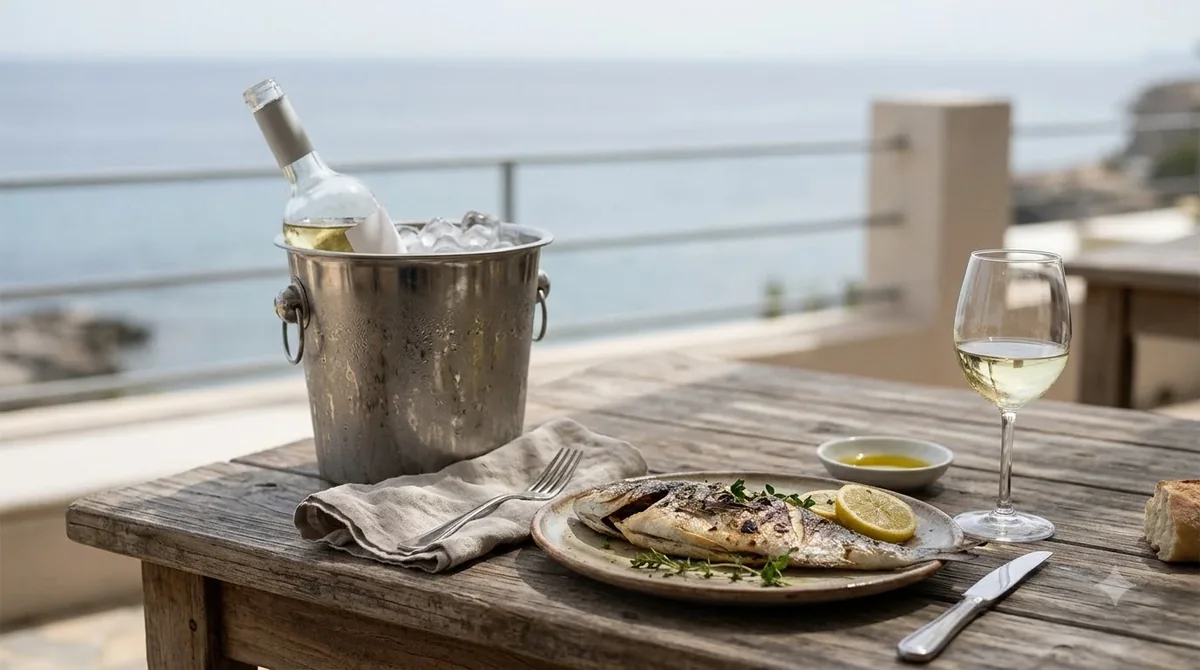
For Brut or Brut Reserva, begin with shellfish and preserved seafood. The winery recommends clams, winkles, and anchovies, along with seafood noodles dressed with arbequina olive oil. The acidity cuts through oil and the bubbles refresh the palate after salty, savory bites. Oysters, shrimp, calamari, and simple white fish are natural alternatives. Keep chili seasoning moderate if you want the pairing to remain balanced, since alcohol can make chili heat feel more pronounced.
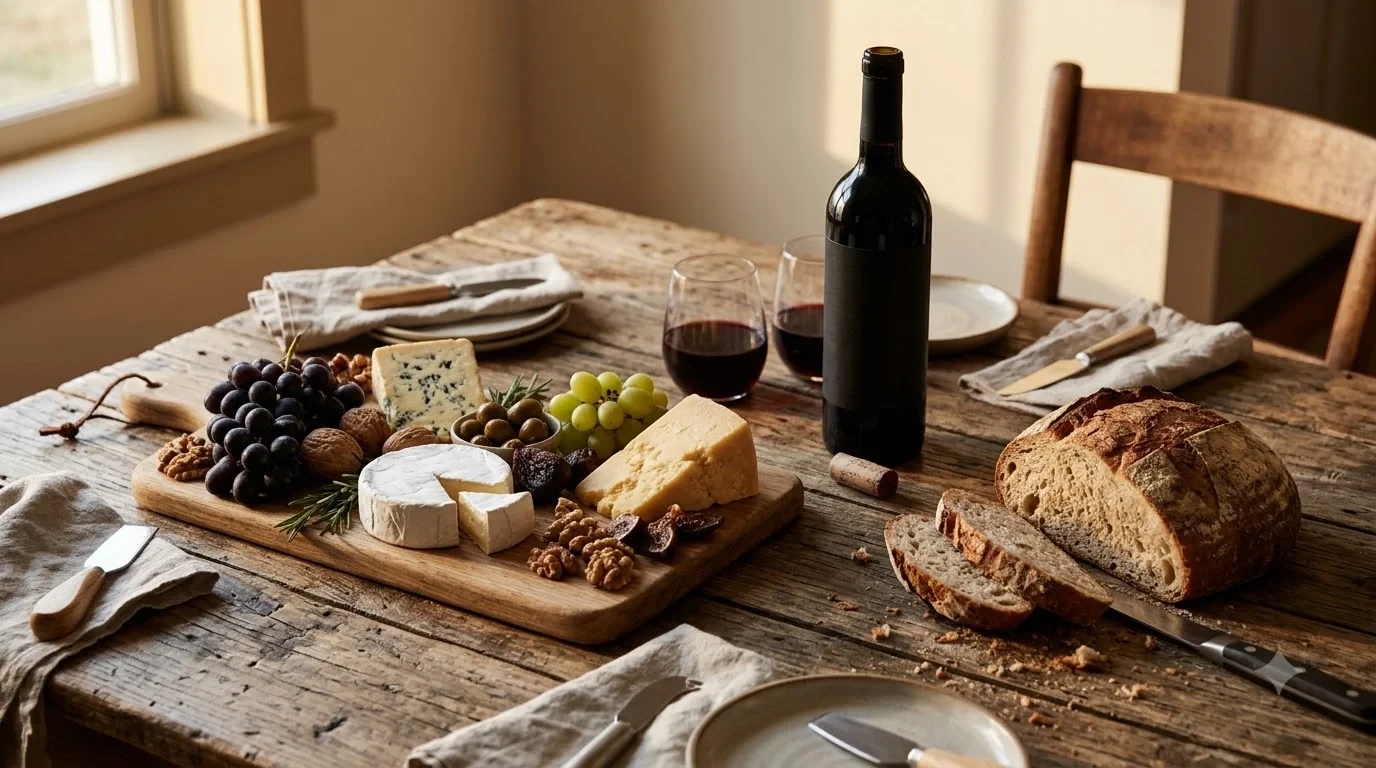
Soft cheeses are another strong match. Segura Viudas recommends mild Brie and soft milk cheeses for Brut Reserva, while its Organic Brut suggestions include mild cured cow’s cheese with walnuts and honey. The salty, creamy texture softens the wine’s brisk acidity, and the wine in turn keeps the richness from lingering too heavily. For a cheese board, include almonds, walnuts, mild sheep’s cheese, and fresh fruit rather than relying only on pungent blue cheese.
Brut Rosé can take a different route. The winery recommends seafood rice, salmon, grilled tuna, fish appetizers, and vegetable starters. Red-fruit aromas make it a natural match for salmon or tuna, while freshness balances the fish’s richness. Heredad can move toward more elaborate food: the producer suggests truffle-flavored pasta, sole or monkfish, Mediterranean casseroles, cooked or cured ham, Brie or Camembert, and slow-braised venison. These recommendations show why a more developed Cava can work as a dinner wine rather than only a toast.
Serving and Storing the Bottles
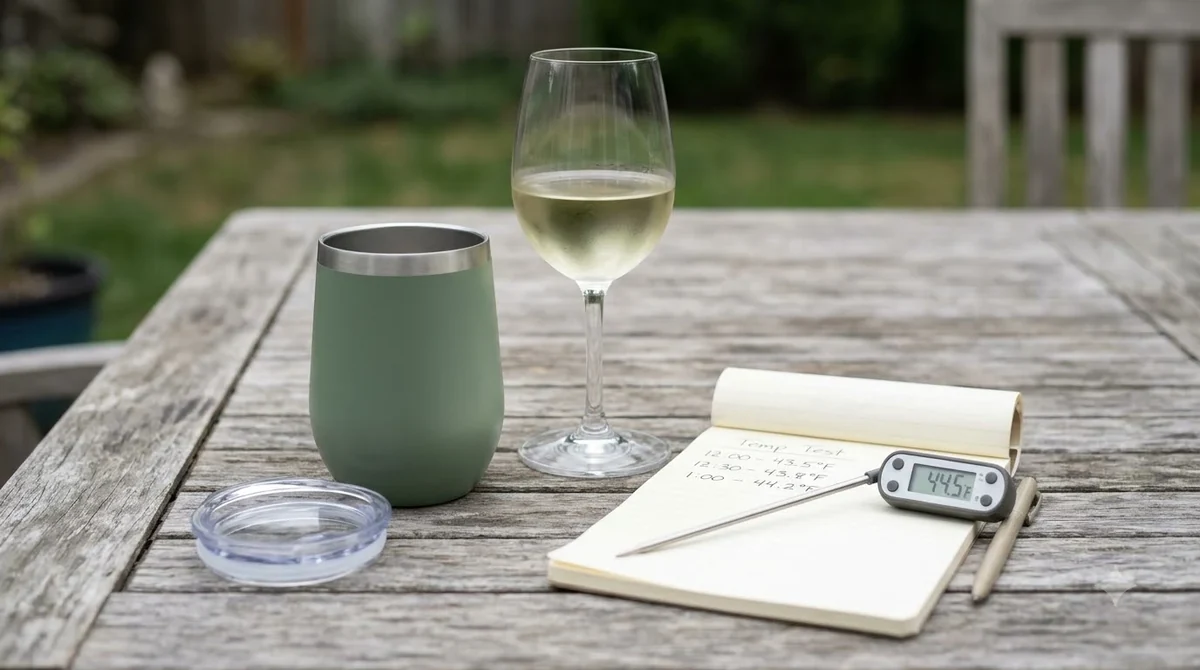
Serve Segura Viudas Cava cold enough to keep the bubbles crisp but not so cold that its fruit and lees character disappear. A practical target for sparkling wine is 40 to 50 degrees Fahrenheit, and a tulip-shaped glass helps preserve aromas above the bubbles.
For an aperitif, refrigerate the bottle several hours ahead and pour modest servings so the wine stays cool in the glass. A standard pour is about 5 ounces; a 750-milliliter bottle therefore provides roughly five pours. The Cava council notes that a flute emphasizes freshness and acidity, while a tulip glass better expresses aroma; a wide bowl lets carbonation escape more quickly. A tulip is a strong all-purpose choice for tasting Brut, Brut Reserva, Rosé, and Heredad side by side.
Keep unopened bottles away from heat, sunlight, and repeated temperature swings. For longer storage, a cool, dark space near 55 degrees Fahrenheit is a useful target, and bottles with natural corks are generally stored on their sides. Cava is ready to drink when released unless the producer or bottle indicates otherwise; most everyday sparkling wines do not need extra years at home to show their intended style. The richer Heredad bottling may offer more developed lees character, but that is not a reason to assume every bottle will improve indefinitely in a home cupboard.
After opening, reseal sparkling wine with a stopper made for sparkling bottles and refrigerate it. Aim to finish within one to three days for the best retention of bubbles and freshness. The result depends on how much wine remains, how tightly the stopper seals, and how often the refrigerator door is opened. If the fizz fades, the wine may still work in a sauce, but it will no longer show the lively texture that makes Cava appealing by the glass.
Tip: Chill the bottle before opening, keep a hand on the cork, and turn the bottle slowly rather than pulling the cork sharply. A controlled opening helps preserve the wine and reduces the chance of losing foam or spilling a pour.
Frequently Asked Questions
What does “poignettage” mean on the Heredad page?
It is the final sharp shake or twist of the wrist before disgorgement. Segura Viudas says the movement lifts yeast cells from the side of the bottle and mixes them back into the wine, intensifying autolysis.
How deep are the Brut Reserva bottles aged?
The producer says its Brut Reserva ages 20 meters below ground, in darkness and calm. The natural cellar temperature is listed as 14 to 16 degrees Celsius, conditions maintained during the lees-aging period.
Where is the Cava regulatory council based?
The D.O. Cava regulatory council lists its office at Vilafranca del Penedès in Barcelona province. That places the regulator in the same broader Penedès area strongly associated with Segura Viudas.
Does Heredad use only the first juice from pressing?
Yes. Segura Viudas says it uses the first 50% of juice from the lightest pressing for Heredad, calling this aromatic, delicate fraction the “flower” must. The winery also says grapes from old-vine vineyards are hand-picked and carried in 25-kilogram self-draining boxes.
What was the Segura Viudas estate used for before wine production?
The producer’s history describes the stone property as a defensive tower before its later use as a farmhouse and flour mill. It also records other periods as a distillery and family residence, illustrating how the estate’s function changed over many centuries.
Segura Viudas offers a clear path from fresh Brut to rosé, organic, and more developed Cava styles, with local grape varieties and traditional bottle fermentation at the center. Start with Brut for a crisp aperitif, choose Brut Rosé for red-fruit character, or move to Heredad when the meal calls for more texture and complexity.
More in Wine Brands
 Underwood Wine Price: Compare Bottles, Cans, and Pack SizesUpdated Nov 21, 2026
 Zenato Wine Price: Compare Styles and Choose the Right BottleUpdated Nov 21, 2026
 Zuccardi Wine Price: Compare Bottles and Find the Right RangeUpdated Nov 21, 2026
 Yellow Tail Moscato Review: Taste, Sweetness and Serving TipsUpdated Nov 21, 2026
 Wolf Blass Yellow Label Review: Choose Your Best StyleUpdated Nov 21, 2026
 Wolffer Estate Rose Review: Choose the Right Bottle for Your TableUpdated Nov 21, 2026