

We may earn a commission when you buy through links on this page, at no extra cost to you. Learn more.
Organic rosé is a pink wine made from grapes farmed without synthetic pesticides or fertilizers, and it can carry the USDA organic seal only when the grapes and production meet the organic rules. The organic label describes how the grapes were grown. It does not tell you whether the wine will taste drier, fruitier or lighter than a conventional rosé, so the flavor still depends on the grape, the region and the winemaker’s choices.
Shoppers who want wine that matches their values often look for an organic label, and rosé is a common choice for warm weather and casual meals. The trouble is that many people are not sure what the word means on a pink bottle. This guide explains what organic rosé is, how pink wine gets its color, how organic compares with biodynamic and sustainable labels, and how to serve and pair these wines. For more background on how labels work across the shelf, the Wine Buying Guides hub covers the basics.
What organic rosé means
A rosé is a wine made from red grapes that spend only a short time in contact with their skins. Organic rosé is the same style of wine, with one added condition: the grapes are grown under organic farming rules. VinePair’s guide to organic, biodynamic and sustainable wine notes that organic wine is the only type of wine that can actually carry legal certification, and that the USDA organic seal signals a wine made from organically grown ingredients that have been monitored throughout production.
That matters because the organic rules cover the vineyard first. Growers avoid most synthetic chemical inputs and use methods meant to keep the soil and surrounding land in balance. The winemaking step is governed by separate rules, so an organic rosé still depends on the producer’s cellar practices. If you want the full detail on certification levels, the USDA’s own organic pages are the official reference, though many of them were not available to read while this guide was prepared.
How pink wine gets its color
Pink grapes do not really exist in nature, so rosé gets its color from the red grape skins. Winemakers crush black grapes and let the juice sit with the skins for a short period. The juice picks up pigment and flavor during that contact, and the winemaker drains the juice off once it reaches the shade they want. VinePair says the soak is usually only two to three days, while Wikipedia’s rosé entry gives a wider range of roughly two to twenty hours, depending on the method and the style.
The longer the skins stay in contact, the deeper the color tends to be. A pale salmon or onionskin shade means a short soak, while a more vivid pink comes from more time with the skins. Mixing red and white wine to make rosé is considered a shortcut that most serious producers avoid, according to VinePair. Another method, called saignée, draws off some pink juice early from a red wine’s fermentation, and this is a common way to make rosé in the same cellar as a red.
| Method | How it works | Typical result |
|---|---|---|
| Short skin contact | Juice soaks with skins briefly, then is drained | Pale pink, delicate fruit |
| Longer skin contact | Juice stays with skins longer | Deeper pink, more intense flavor |
| Saignée | Pink juice is bled from a red wine early | Often fuller rosé, red wine gets more concentrated |
| Blending | Red wine added to white wine | Uncommon for still rosé and frowned upon by many producers |
Organic, biodynamic and sustainable: what the labels mean
Organic is the only one of these three labels with a formal certification that appears on the bottle. Biodynamic farming goes further. VinePair describes it as a practice that balances the whole vineyard with nature, drawing on ideas about the vineyard as a single ecosystem and on lunar cycles. There is no formal certification for biodynamic wine, so producers may use the organic seal or simply state their biodynamic methods on the label.
Sustainable is the loosest term. It focuses on environmental benefit while still making economic sense for the grower, and it often means mostly organic methods with some practices skipped when they cost too much. As with biodynamic, there is no formal certification, though some winemakers join regional associations that list them as sustainable. When you read a label, a certified organic seal gives you the clearest information, while the other two terms describe farming intent.
Tip: Look for a USDA organic seal if you want certification. If the bottle only says sustainable or biodynamic, read the back label or the producer’s website for details on farming practices.
Flavor and styles of organic rosé
Rosé styles range widely, and organic status does not set them. Provence in France is the best-known region for rosé and produces a large share of the world’s supply. Provençal rosés are often pale, dry and aromatic, with notes of red berries, citrus and stone fruit. Other regions make sweeter or richer styles, including blush wines with noticeable sugar. Wikipedia notes that blush wines such as White Zinfandel are sweet and often slightly sparkling, while dry rosés are the more common choice for food.
Organic rosés come from the same range of grapes and regions as other pink wines. If you want a lighter, crisper glass, look for a bottle from a cool-climate region and a dry style. If you prefer fruit and body, a warmer-climate rosé made from a grape such as grenache or syrah will usually show more weight on the palate. Reading the producer’s description and the alcohol percentage will tell you more about the style than the organic seal alone.
How to serve organic rosé
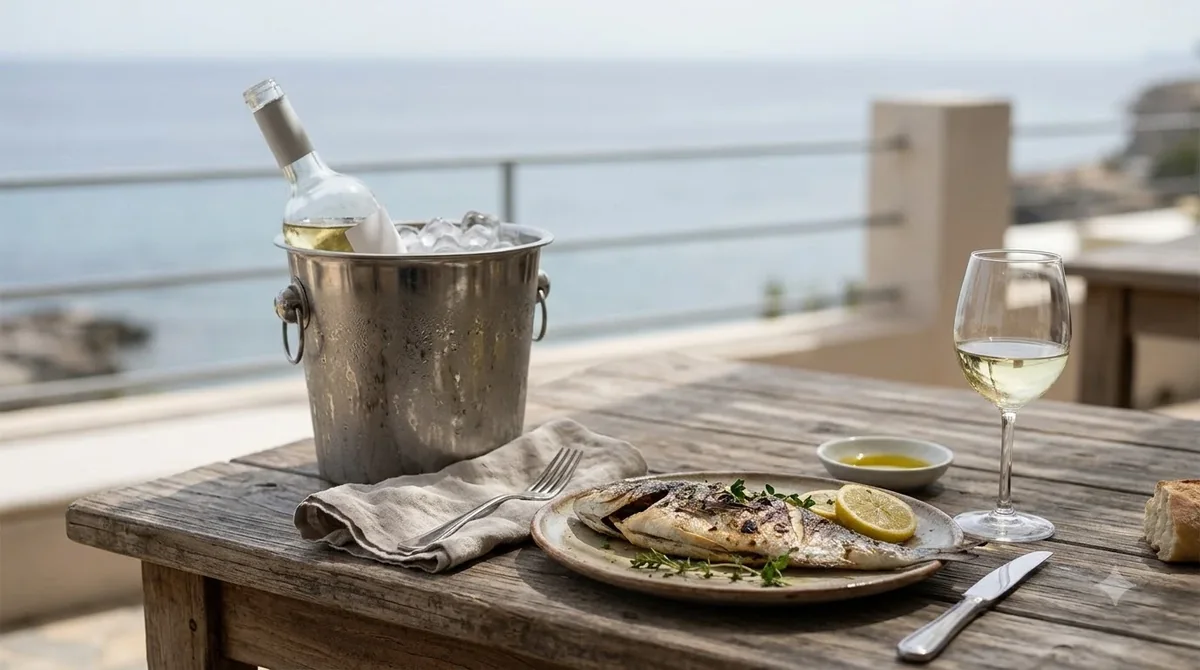
Rosé is usually served chilled, and the cooler glass keeps the fruit lively and the acidity fresh. Keep the bottle in the refrigerator before you open it rather than relying on ice in the glass, which can dilute the flavor. Most rosés are made to be drunk young. The article VinePair links to notes that rosé has a short shelf life because it contains little tannin, and most experts recommend drinking it soon after release.
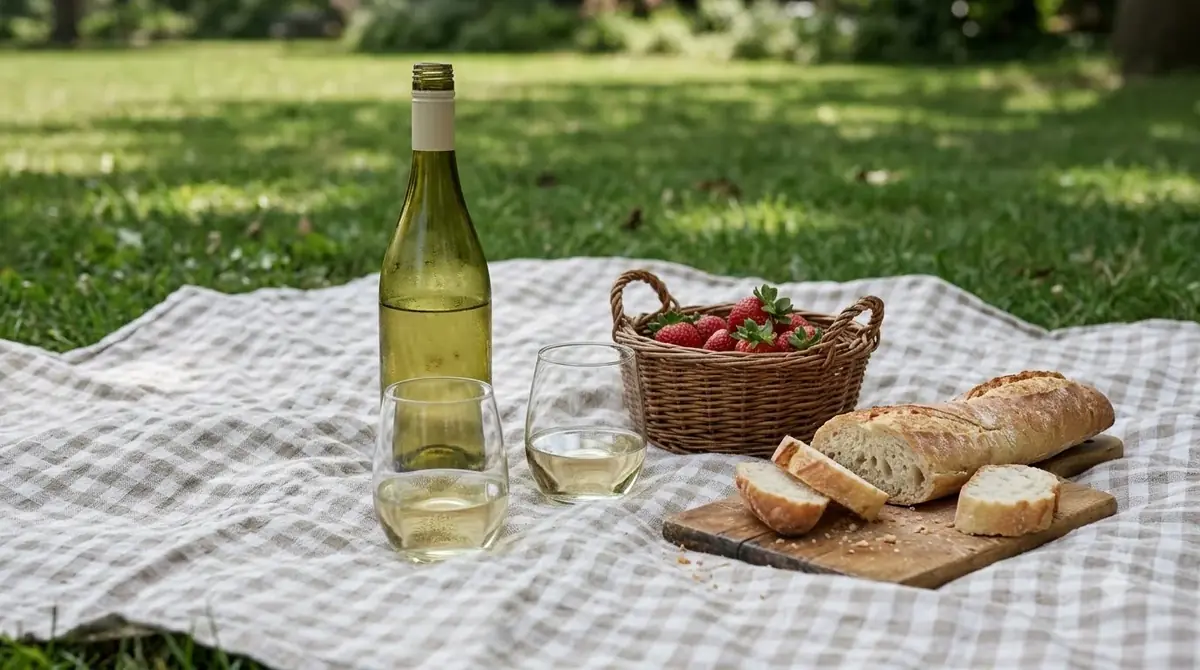
A standard wine glass works well for rosé. The shape lets you smell the fruit without the wine warming too quickly in the hand. Because rosé is often served outdoors, keep the bottle in an ice bucket or a cooler if the day is warm, and recork any leftover wine to protect it from air.
What to pair with organic rosé
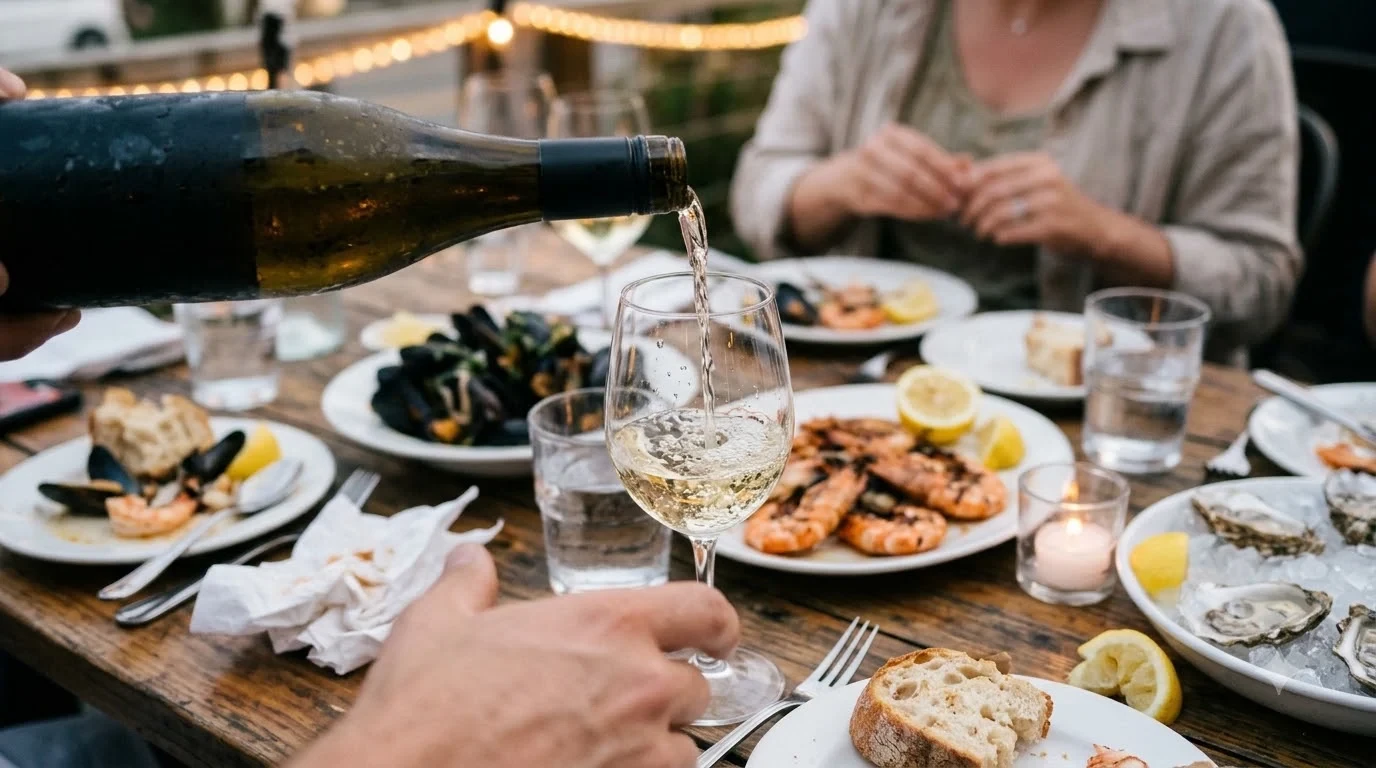
Rosé is one of the most flexible wines at the table because its acidity and fruit suit a wide range of dishes. Provençal rosés are often served with garlicky aioli and with tangy seafood stews such as bouillabaisse. Light grilled fish, shellfish, salads, goat cheese and tomato-based dishes also pair well with a dry pink wine. For richer meals, a fuller rosé can stand up to grilled chicken or pork with herbs.
Organic wines can pair with the same foods as conventional wines, so think about the style rather than the label. If you like a bold, dry white with your meals, many people also enjoy an organic chardonnay or an organic pinot grigio for lighter dishes. Those choices are good comparisons when you are deciding between a pink and a white for the same meal.
How to choose an organic rosé
Start with the label. If you want certified organic, look for the USDA seal. If the bottle does not show it, the wine may still use organic grapes, but it is not certified. Next, check the region and grape. A dry rosé from Provence or another cool-climate area tends to be crisp, while a rosé from a warmer region can taste fuller and fruitier.
Finally, consider how you plan to drink it. For a warm afternoon on the patio, a light, dry rosé with bright acidity works well. For a dinner with richer food, choose a bottle with more body and a longer finish. Because rosé is best fresh, buy a recent vintage rather than a bottle that has sat on a shelf for years.
Frequently Asked Questions
Is organic rosé sweeter than regular rosé?
Not necessarily. Organic status describes how the grapes were farmed, not how sweet the wine is. Sweetness depends on how the winemaker finishes the fermentation. Dry organic rosés exist alongside sweeter blush-style wines.
Does organic rosé taste better than conventional rosé?
Organic farming does not guarantee better flavor. Taste depends on the grape, the climate, the vineyard management and the winemaker. The organic label tells you about farming methods, so judge the wine by its style and by the producer’s description.
How can I tell if a rosé is certified organic?
Look for the USDA organic seal on the bottle. Certified organic wines carry the seal when they meet federal rules. Without the seal, the bottle may still list organic grapes, but it has not been certified in the same way.
How long does rosé keep after opening?
Recork the bottle, keep it in the refrigerator and drink it within a few days. Rosé is usually meant for young drinking, so it is best enjoyed soon after opening and not saved for weeks.
Organic rosé gives you a pink wine grown without many synthetic inputs, and it works with the same relaxed meals that make rosé popular. Check for the USDA seal if certification matters to you, read the style on the label, and serve the wine chilled. Then match it with seafood, salads or grilled dishes and enjoy it while it is fresh.
More in Wine Buying Guides
 Riesling Gift: Choose a Bottle They’ll LoveUpdated Nov 21, 2026
 Sweet Red Wine Gift: Choose a Bottle They’ll LoveUpdated Nov 21, 2026
 Malbec Gift: How to Choose a Memorable Bottle for Any OccasionUpdated Nov 21, 2026
 Sherry Gift Ideas That Match Every Wine LoverUpdated Nov 21, 2026
 Moscato Gift: How to Choose a Sweet Wine They’ll LoveUpdated Nov 21, 2026
 Merlot Gift: How to Choose a Bottle They’ll AppreciateUpdated Nov 21, 2026