

We may earn a commission when you buy through links on this page, at no extra cost to you. Learn more.
Organic Chardonnay is Chardonnay made from grapes grown under organic farming rules, which bar synthetic fertilizers, pesticides, fungicides and herbicides in the vineyard. The grape itself does not change, so an organic bottle tastes like Chardonnay in the style of its region and winemaking; the difference is how the fruit was farmed and, in the United States, how strictly the wine was made.
If you are shopping for a bottle that matches your values but still want the classic Chardonnay taste, this guide explains what organic labels really mean, how sulfites are handled, and how to choose a style that suits your table.
What organic means for Chardonnay
Organic wine starts in the vineyard. Under organic farming principles, the grapes are grown without artificial chemical fertilizers, pesticides, fungicides or herbicides. That is a choice about how the fruit is farmed, and it does not by itself make the wine lighter, richer or sweeter. Two organic Chardonnays can taste very different depending on where the grapes grew and how the wine was aged.
Certification rules differ by country. In the United States, the USDA’s National Organic Program sets standards for every stage of winemaking, including harvesting, the types of yeast allowed and how the wine is stored. The United Kingdom defines organic wine as wine made from organic grapes. Because the rules vary, the label matters more than the marketing language on the front of the bottle.
How the grape tastes: climate and style
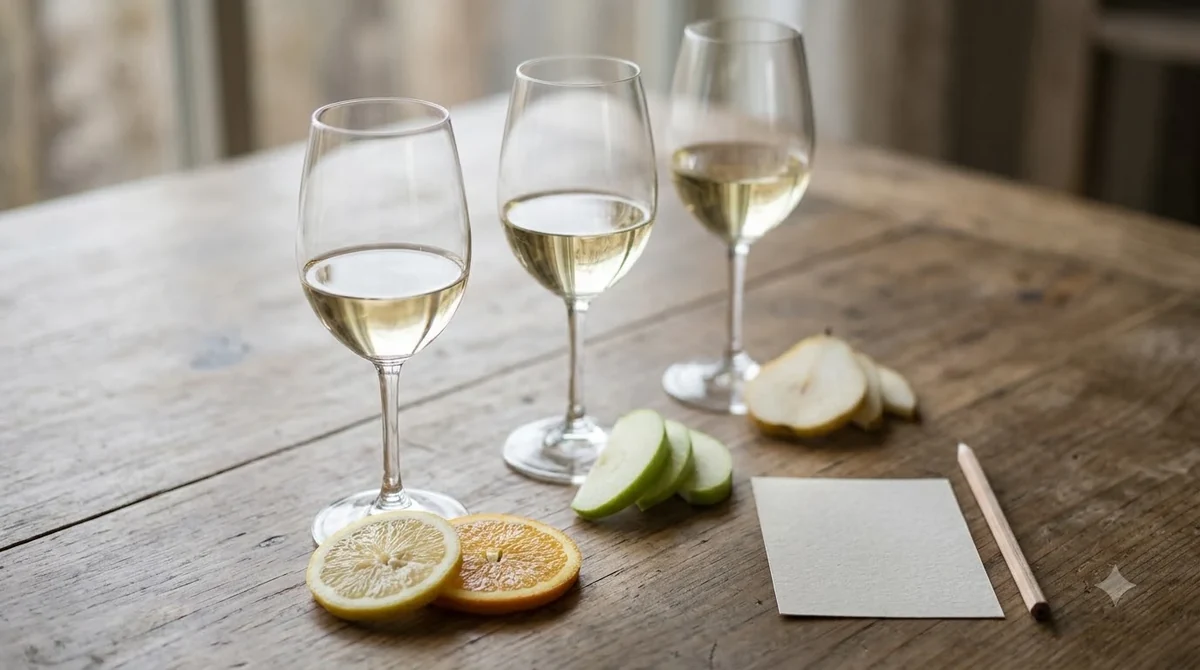
Chardonnay is one of the most adaptable white grapes, and its flavor follows the climate. Cool regions tend to produce lean, crisp wines with high acidity and notes of green apple, citrus and a chalky, mineral edge. Warmer regions give fuller wines with stone fruit and richer texture. Unoaked Chardonnay can feel close to Sauvignon Blanc in freshness, but with more body.
Winemaking adds the rest of the character. Oak aging contributes vanilla, baking spice and toast, with American oak usually described as coconutty and French oak as subtler and spicier. Malolactic fermentation converts sharp malic acid into softer lactic acid, which gives a creamier texture and buttery aromas. Lees stirring adds brioche and biscuit notes and a silkier mouthfeel. None of these steps is specific to organic production, so the style comes from the producer’s choices.
| Style | Typical flavor | Serving temperature | Good with |
|---|---|---|---|
| Lean, unoaked | Green apple, citrus, mineral | About 45 °F (7 °C) | Oysters, sushi, sautéed fish |
| Oaked, rich | Vanilla, toast, stone fruit | About 55 °F (12 °C) | Crab cakes, pork tenderloin, roast chicken |
| Sparkling | Fine bubbles, apple, brioche | 38 to 45 °F (3 to 7 °C) | Shellfish, fried foods, celebrations |
Sulfites: what the rules actually say
Sulfites are the question most shoppers ask about organic wine, and the rules are more specific than many labels suggest. In the European Union, sulfites are permitted in organic wine, but at lower maximum levels than in conventional wine.
In the United States, wine certified as organic cannot have added sulfites, and total sulfite content must stay below 20 parts per million. Wine labeled “Made with Organic Grapes” is a different category and may contain added sulfites up to 100 parts per million. So a bottle that says organic on the front and “made with organic grapes” on the back is not the same as one that is fully certified.
Check the back label and the certification mark before you buy if sulfites matter to you. Sulfites occur naturally in wine at low levels, so no bottle is completely free of them. If you are buying for a guest with a known sensitivity, ask the shop or check the producer’s technical sheet, since the exact sulfite figure is not always printed on the bottle.
How to serve organic Chardonnay
Serve a lean, unoaked Chardonnay cold, around 45 degrees Fahrenheit, so the acidity stays crisp. An oaked bottle does better slightly warmer, closer to 55 degrees, which lets the vanilla and toast come through. Sparkling Chardonnay is best very cold, between 38 and 45 degrees.
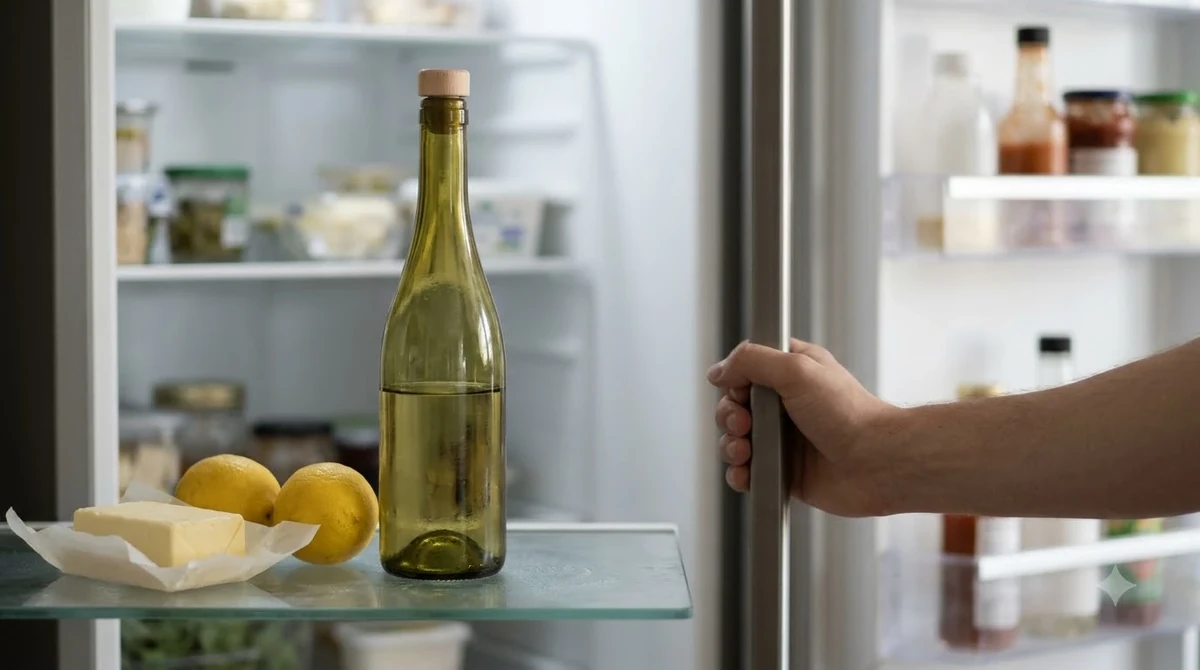
A standard white wine glass is fine for most bottles. Give an oaked Chardonnay a few minutes in the glass after pouring to let the aromas open, and keep any leftover wine tightly corked in the refrigerator, where it stays fresh for a day or two.
Tip: If you are not sure whether a bottle is oaked, look at the producer’s notes for words such as “barrel fermented” or “oak aged.” Those usually point to a richer style that pairs well with heavier food.
Food pairings for each style
Lean, unoaked organic Chardonnay suits shellfish, raw oysters, sushi and sautéed fish, because its acidity cleans the palate between bites. Sparkling styles work with fried food and celebratory snacks. Oaked bottles are the better choice for creamy sauces, roast chicken, pork tenderloin with apples and crab cakes.
Vegetables with natural sweetness, such as corn, squash and pumpkin, also match a fuller Chardonnay. Mushroom dishes are another good option, since their earthy notes complement the wine’s texture. For a lighter white from a similar buying guide, see our organic pinot grigio page.
How to buy an organic Chardonnay
Start with the certification. Look for the USDA organic seal or the equivalent certification mark for the country you are buying in, and read the wording carefully, since “made with organic grapes” is a different claim from “organic wine.” Next, decide on the style. If you like crisp, bright whites, choose a lean or unoaked bottle from a cooler region. If you prefer a softer, creamier wine, look for an oaked bottle and check the vintage notes.
Price varies by retailer and region, so compare shelf prices rather than relying on one figure. Buying a single bottle of each style first is a practical way to learn which one you prefer before committing to a case. Organic production can add cost in the vineyard, but the bottle price depends on many factors, and a higher price does not guarantee a better wine for your taste.
If you want a rosé or another organic style to set beside your Chardonnay, the organic rose guide covers pink wines that work well with the same foods, and the dry port page explains a fortified option for after dinner.
Frequently Asked Questions
Does organic Chardonnay taste different from regular Chardonnay?
Not in any consistent way. Organic describes how the grapes were farmed. The taste depends on the climate, the oak and the winemaking, so an organic bottle can be lean or rich just like a conventional one.
Does organic wine contain sulfites?
It can. In the EU, sulfites are allowed at lower levels. In the US, certified organic wine cannot have added sulfites, but “made with organic grapes” wine may contain them. Naturally occurring sulfites are present in all wine at low levels.
What temperature should I serve organic Chardonnay?
Around 45 degrees Fahrenheit for lean styles and about 55 degrees for oaked bottles. Sparkling Chardonnay is best between 38 and 45 degrees.
What food goes best with organic Chardonnay?
Lean styles pair with shellfish, sushi and sautéed fish. Oaked styles suit creamy sauces, roast chicken, pork and crab cakes.
Organic Chardonnay gives you the grape you already know, grown with the farming rules you prefer. Read the certification on the label, choose a style that fits your meal, and serve it at the right temperature. For more on the grape itself, the Wine Folly Chardonnay guide is a useful next read, and the Wine Buying Guides section covers the wider shopping choices.
More in Wine Buying Guides
 Riesling Gift: Choose a Bottle They’ll LoveUpdated Nov 21, 2026
 Sweet Red Wine Gift: Choose a Bottle They’ll LoveUpdated Nov 21, 2026
 Malbec Gift: How to Choose a Memorable Bottle for Any OccasionUpdated Nov 21, 2026
 Sherry Gift Ideas That Match Every Wine LoverUpdated Nov 21, 2026
 Moscato Gift: How to Choose a Sweet Wine They’ll LoveUpdated Nov 21, 2026
 Merlot Gift: How to Choose a Bottle They’ll AppreciateUpdated Nov 21, 2026